
Have you ever wondered if a wet room is right for your home? Wet rooms are becoming popular, and they have their own special types. But how do they compare to alternatives like traditional bathrooms? Let’s dive into the world of wet rooms and find out!
Key Takeaways
- Wet rooms are stylish and modern options for bathrooms.
- They offer easy access for everyone, including the elderly.
- Wet room types vs alternative choices vary in cost and design.
- Traditional bathrooms have separate spaces for bathing.
- Choose based on space, needs, and personal taste.
Wet Room Design Ideas

Wet rooms are sleek and open bathroom spaces without a tub. Imagine walking into a room with a shower area at the same level as the floor. Water flows freely, and the whole room is waterproof. People love them for their modern look and easy cleaning. Wet rooms don’t need shower doors or curtains. This makes them feel bigger and more open, especially in smaller spaces. They are also great for people with mobility issues since there are no barriers.
- Open floor plan
- No shower doors
- Waterproof surfaces
- Easy to clean
- Great for small spaces
- Accessible design
When planning a wet room, you should waterproof the floors and walls. This keeps the water from leaking into other parts of the house. Tiles are a great choice for wet rooms due to their water-resistance. You can also add underfloor heating to keep the room warm and cozy. Wet rooms can be a bit more expensive to set up. However, their benefits often outweigh the costs.
Fun Fact or Stats : Did you know? Wet rooms first became popular in Europe!
How Do Wet Rooms Work?
How does a wet room handle all that water? Wet rooms have a special drainage system. The floor is slightly sloped to guide water to a central drain. This keeps the water from pooling and causing damage. All the surfaces in a wet room are sealed with waterproof materials. This protects the walls and floor from getting soaked. It also makes cleaning super easy, since you can simply wipe everything down.
Choosing the Right Materials
What materials should you use in a wet room? Tiles are the most popular choice. They come in different styles and colors. You can pick whatever suits your taste. Waterproof paint is another option for walls. It provides a clean finish and protects against moisture. Glass screens can also be used to separate areas without blocking light. This keeps the room bright and open.
Benefits Of Wet Rooms
Why do people choose wet rooms? They are very stylish and modern. Wet rooms make small bathrooms feel larger. Since there are no barriers, they are perfect for people with limited mobility. Cleaning a wet room is easy because there are fewer nooks and crannies. Plus, a well-designed wet room can add value to your home.
Alternative Bathroom Designs
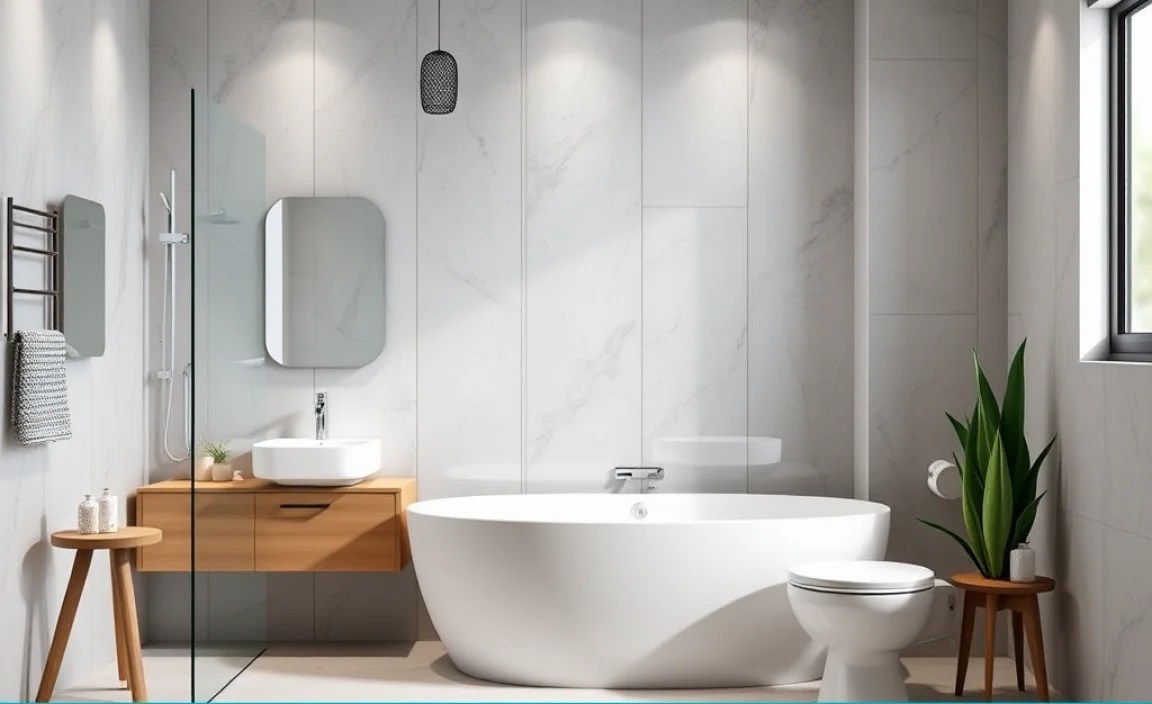
Traditional bathrooms are different from wet rooms. They have separate spaces for baths and showers. These bathrooms usually include a bathtub, a shower with doors, and a sink. Many people prefer this setup because it allows for more privacy. The bathtub is a key feature in traditional bathrooms. It provides a relaxing experience that a shower alone can’t offer. However, traditional bathrooms can feel cramped, especially if space is limited.
- Separate bathing areas
- Privacy with shower doors
- Relaxing bathtub
- Classic design
- Can feel cramped
- More cleaning required
When deciding between wet room types vs alternative bathroom designs, consider your needs. Do you prefer a quick shower or a long soak? Are you designing for accessibility? These questions can guide you to the right choice. Remember, each type of bathroom has its own unique benefits. Ultimately, the best choice depends on your lifestyle and personal taste.
Fun Fact or Stats : Bathtubs have been used for thousands of years!
Comparing Wet Rooms and Traditional Bathrooms
How do wet rooms compare to traditional bathrooms? Both have their advantages. Wet rooms are modern and easy to clean. They are perfect for small spaces and accessible for all. Traditional bathrooms have more defined spaces. They offer privacy and a relaxing bathtub experience. Choosing between them depends on your personal style and needs.
Cost Differences
Are wet rooms more expensive than traditional bathrooms? Generally, yes. Wet rooms require special waterproofing and drainage systems. These can increase the initial cost. However, they can also add value to your home. Traditional bathrooms might cost less upfront. But they may require more maintenance over time. Consider both the initial cost and long-term benefits when deciding.
Space Considerations
Do you have a small bathroom? A wet room might be the perfect solution. Since there are no barriers, wet rooms maximize space. They make small bathrooms feel larger. Traditional bathrooms can feel cramped in small spaces. If space isn’t an issue, traditional bathrooms offer more privacy. Your choice should depend on the space you have and how you want to use it.
Wet Rooms vs Traditional Bathrooms: A Comparison

| Aspect | Wet Rooms | Traditional Bathrooms |
|---|---|---|
| Design | Modern and open | Classic and defined |
| Cost | Higher initial investment | Lower initial cost |
| Space | Maximizes small spaces | Can feel cramped |
| Accessibility | Barrier-free | Requires steps or doors |
Accessibility For All
Is your bathroom accessible to everyone? Wet rooms are perfect for homes with elderly or disabled family members. With no barriers, they are easy to enter and exit. They provide a safe and convenient environment. Traditional bathrooms with tubs or raised showers can be difficult for some. If accessibility is a priority, a wet room could be the best choice.
Style Preferences
What style do you prefer for your bathroom? Wet rooms offer a sleek, modern design. They are perfect for contemporary homes. If you like clean lines and open spaces, a wet room is ideal. Traditional bathrooms provide a classic look with more defined spaces. If you love vintage charm, a traditional design might suit you better.
Long-Term Benefits
Are you thinking about the long-term benefits of your bathroom choice? Wet rooms can increase the value of your home. They are a modern addition that many buyers love. Traditional bathrooms are timeless and remain popular. Consider future needs and trends when making your decision.
Conclusion
In the debate of wet room types vs alternative bathroom designs, both have unique benefits. Wet rooms offer a modern, open space that is easy to clean and accessible. Traditional bathrooms provide privacy and a relaxing bathtub experience. Choose the design that fits your lifestyle and needs best.
FAQs
Question: Are wet rooms more expensive?
Answer: Yes, wet rooms typically cost more than traditional bathrooms. They require special waterproofing and drainage systems. This increases the initial investment. However, they can add value to your home in the long run.
Question: What are the benefits of a wet room?
Answer: Wet rooms offer many benefits. They are modern and stylish. You don’t have barriers, making them accessible for all. They maximize small spaces and are easy to clean. Wet rooms can also enhance your home’s value.
Question: Can I have a bathtub in a wet room?
Answer: Yes, you can have a bathtub in a wet room. The space should be carefully planned. Make sure the floor is fully waterproof. A bathtub can add relaxation to your wet room. It creates a unique blend of styles.
Question: How do wet room types vs alternative designs compare?
Answer: Wet room types vs alternative designs offer different benefits. Wet rooms are modern, open, and easy to clean. They are perfect for small spaces and accessibility. Traditional designs provide privacy and a classic bathtub experience.
Question: Are wet rooms suitable for small spaces?
Answer: Yes, wet rooms are great for small spaces. They eliminate barriers, maximizing the available area. The open design makes the room feel larger. This is perfect for small bathrooms where space is limited.
Question: What should I consider when choosing a bathroom style?
Answer: Consider your space, budget, and personal taste. Think about who will use the bathroom. Accessibility might be a priority. Decide if you want a modern or classic look. Your choice should match your lifestyle and needs.
