
A wet room is a fully waterproofed bathroom where the shower area isn’t enclosed but is part of the overall room. Unlike traditional bathrooms, a wet room requires specialized tanking and drainage to manage water. This guide will explain how wet rooms work and compare them to common bathroom alternatives, helping you choose the best fit for your home.
Ever thought about giving your bathroom a makeover? Maybe you’ve heard the term “wet room” and wondered what it means. It sounds a bit… wet, right? Well, it is! But it’s also a super smart way to design a bathroom, especially if you’re short on space or just love a modern, minimalist look. Traditional bathrooms have separate shower enclosures, but a wet room merges the shower into the main bathroom area. It might sound tricky, but with the right setup, it’s totally manageable and looks stunning. We’ll break down exactly how these rooms work and look at other popular options to help you decide what’s best for your home.
What Exactly is a Wet Room?
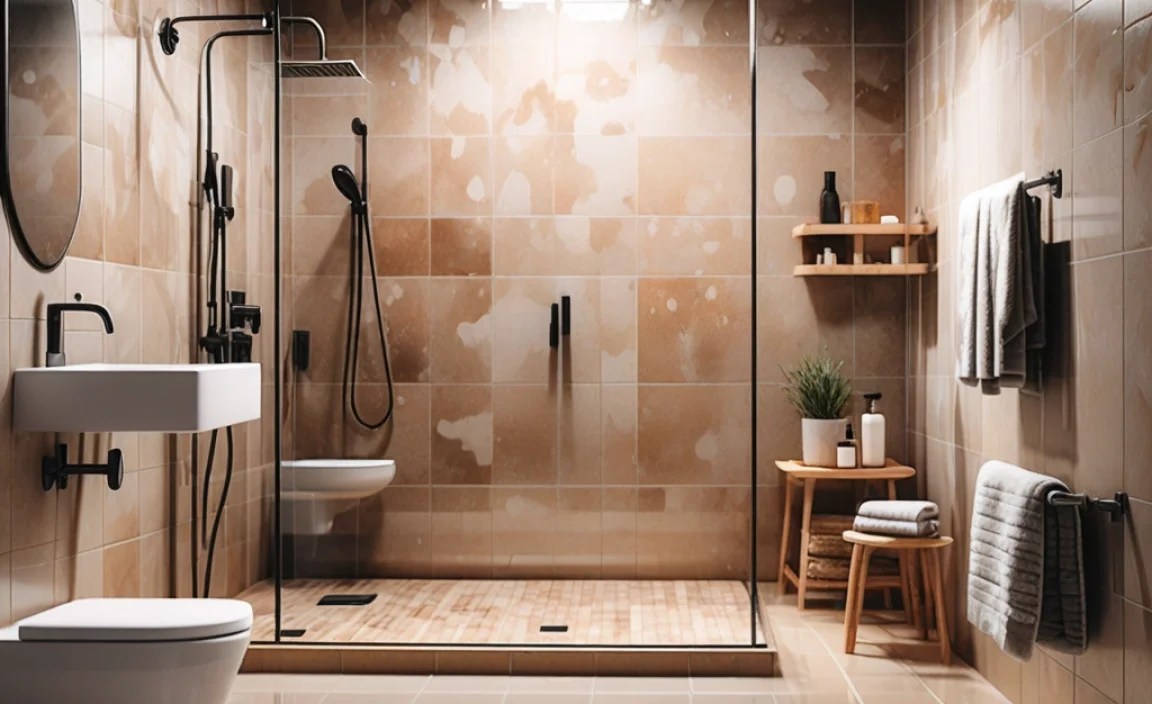
A wet room is essentially a bathroom that is designed to get wet. Unlike a typical bathroom with a distinct shower cubicle or bath that contains the water, in a wet room, the entire space is waterproofed. This means the shower area flows directly into the rest of the room, without screens or doors to keep the water in one spot. Think of it as a single, cohesive, water-resistant space.
The magic behind a wet room is in its robust waterproofing. This isn’t just about having tiles; it involves a specialized system of membranes and sealants that completely protect the walls and floor from any moisture. The floor is also designed with a gentle slope, directing water towards a discreet drain, usually located in a corner or along one wall. This clever design ensures that water doesn’t pool or leak.
How Does a Wet Room Actually Work? The Essential Components
The functionality of a wet room hinges on a few key elements working together seamlessly. It’s a system designed for durability and ease of use, ensuring a stylish and practical bathing experience.
1. Waterproofing System (Tanking)
This is the absolute core of a wet room. Before any tiles go down, the entire wet area – which can be the whole bathroom or just a designated shower zone – is covered with waterproof membranes and tanking systems. This creates an impermeable barrier that stops water from seeping into walls and floors.
- Liquid Membranes: These are applied like paint and dry to form a seamless waterproof layer. They can be easily coated around pipes and corners.
- Sheet Membranes: Similar to roofing felt, these are large sheets that are carefully overlapped and sealed at the seams for a robust barrier.
- Sealing Tapes and Corner Sealants: Special tapes and sealants are used at all the joints, edges, and around penetrations (like pipes) to guarantee no water can escape the protected area.
Reputable sources like the Building Codes Authority provide detailed specifications for waterproofing in wet areas, ensuring safety and compliance.
2. Sloped Floor and Drainage
A crucial aspect of a wet room is the strategically sloped floor. The floor will have a gentle gradient, typically falling at a rate of 1-2cm per meter, towards a precisely positioned drain. This ensures that any water that hits the floor flows away effectively, preventing standing water. The drains used are often low-profile and designed to blend in with the overall aesthetic.
There are several types of drains suitable for wet rooms:
- Linear Drains: These are long, slot-like drains that can be installed along a wall or a specific line. They are very effective at handling large volumes of water and can be quite stylish.
- Point Drains: These are more traditional, circular drains that are placed at the lowest point of the slope. They are often very discreet.
- Channel Drains: Similar to linear drains but can come in various widths and designs, offering both functionality and aesthetic choice.
3. Waterproof Screens/Curtains (Optional but Recommended)
While the aim is a flowing space, most wet rooms still incorporate some form of water deflection to keep the rest of the room from becoming excessively wet. This could be a simple, frameless glass panel that stops the direct spray from the showerhead, or a high-quality, water-repellent shower curtain. These aren’t for full enclosure but rather to manage the immediate shower spray.
4. Ventilation
Because the entire bathroom is exposed to moisture, excellent ventilation is non-negotiable. A good extractor fan or a humidity-controlled ventilation system is vital to prevent condensation buildup, which can lead to mould and damage over time. The Environmental Protection Agency (EPA) highlights the importance of good ventilation for healthy indoor air quality.
5. Waterproof Materials
The choice of wall and floor coverings is also important. While tiles are common, they must be installed correctly with waterproof grout and sealants. Even better are fully waterproof materials like large format tiles with minimal grout lines, or specialized waterproof panels. These reduce the number of weak points where water could potentially ingress.
Wet Room vs. Alternatives: A Comparative Look
When considering a bathroom renovation or update, it’s helpful to see how a wet room stacks up against more traditional options. Each has its own pros and cons, and the best choice depends on your needs, budget, and the space you have.
| Feature | Wet Room | Enclosed Shower Cubicle | Bath with Shower Over |
|---|---|---|---|
| Water Management | Entire room waterproofed; sloped floor to central drain. | Water contained within a sealed cubicle with its own tray and doors. | Water contained in the bath; shower screen or curtain needed for spray. |
| Space Efficiency | Can feel more spacious, especially in small bathrooms, as it eliminates separate enclosures. | Requires dedicated space for the cubicle, can sometimes make a room feel smaller. | Combines bathing and showering, good for saving space where only one fixture is possible. |
| Accessibility | Excellent for wheelchair users or those with mobility issues due to level entry. | Entry can be a trip hazard for some; some cubicles offer low-entry trays. | High step-over for the bath, making it less accessible for many. |
| Installation Complexity | High. Requires expert waterproofing and drainage installation. | Moderate. Standard installation with tray, walls, and doors. | Moderate. Standard plumbing for bath and shower. |
| Cost | Can be higher due to specialized waterproofing and drainage. | Moderate, varies greatly with materials and features. | Generally lower to moderate. |
| Maintenance | Easier to clean the entire space; focus on drain and sealants. | Cleaning involves cubicle walls, doors, and tray. Grouting can be an issue. | Cleaning bath, shower area, and screen/curtain. Grouting and sealant maintenance required. |
| Aesthetics | Modern, minimalist, spa-like. Very sleek. | Wide range of styles, from basic to luxury. Can look bulky. | Functional, but often a compromise. Less sleek than a dedicated shower. |
Exploring the Alternatives in Detail
Let’s delve a little deeper into the popular alternatives to a wet room, understanding their individual characteristics.
Alternative 1: Enclosed Shower Cubicle
This is probably what most people picture when they think of a modern bathroom. An enclosed shower cubicle is a self-contained unit, typically featuring a shower tray, walls, and doors or a curtain to keep the water inside. They come in a vast array of shapes, sizes, and styles, from simple rectangular units to luxurious corner enclosures with multiple shower heads.
How it Works:
- A pre-formed or tiled shower tray sits on the floor, acting as the base.
- Walls, often made of acrylic, glass, or waterproof panels, surround the tray.
- Doors (sliding, hinged, or bi-fold) or a shower curtain are used to seal the enclosure.
- The plumbing for the shower head and controls is fitted within the cubicle.
- Water drains through a trap in the shower tray, which connects to the main waste pipe.
Pros:
- Water Containment: Highly effective at preventing water from spreading around the bathroom.
- Variety: Huge selection of styles, sizes, and features available.
- Relatively Easy Installation: For many pre-fabricated units, installation is straightforward.
- Protection: Protects surrounding walls from direct water exposure.
Cons:
- Space Consumption: Can take up significant space and may not be ideal for very small bathrooms.
- Cleaning Hassle: Doors, frames, and tracks can be difficult to keep clean and can be prone to mould or limescale.
- Accessibility Issues: The lip of the shower tray can be a trip hazard, and entry can be difficult for those with limited mobility.
- Less Flexible Design: You’re limited by the standard shapes and sizes of available cubicles.
Alternative 2: Bath with Shower Over
This is a classic space-saving solution, particularly popular in homes where space is at a premium or where both a bath and a shower are desired. A standard bathtub is fitted with a shower head and controls, and a shower screen or curtain is placed around it to manage the water spray.
How it Works:
- A bathtub acts as the primary water containment vessel.
- A shower mixer and head are installed on the wall above the bath.
- A shower screen (glass or plastic panel) or a fabric shower curtain is used to prevent water from spraying out of the bath area.
- Water drains through the bath’s overflow and waste pipe.
Pros:
- Dual Functionality: Offers both bathing and showering options in one fixture.
- Space-Saving: Excellent for smaller bathrooms where a separate bath and shower aren’t feasible.
- Cost-Effective: Generally one of the most affordable bathroom solutions.
- Familiarity: Most people are very familiar with using this setup.
Cons:
- Not Ideal for Everyone: The high sides of a bath make it difficult to access for the elderly or those with mobility issues.
- Water Spray: Shower curtains can feel clingy, and even screens don’t always prevent all water from escaping.
- Compromise: The showering experience might not be as pleasant or spacious as a dedicated shower area.
- Cleaning: Cleaning the bath, surrounding tiles, and shower screen/curtain can be tedious.
Why Choose a Wet Room? The Advantages
Wet rooms offer a unique set of benefits that make them an attractive, albeit specialized, choice for many homeowners.
- Unmatched Accessibility: This is arguably the biggest advantage. The level, step-free entry makes wet rooms ideal for people of all ages and abilities, including wheelchair users. It’s a key feature for accessible home design, aligning with principles promoted by organizations focused on aging in place and disability support.
- Maximizes Space: In smaller bathrooms, eliminating a bulky shower enclosure or bath can make the room feel significantly larger and more open.
- Sleek, Modern Aesthetics: Wet rooms offer a minimalist, spa-like feel that is highly sought after in contemporary interior design. The continuous floor and wall surfaces create a seamless and luxurious look.
- Easy to Clean: With fewer corners, crevices, and shower doors to scrub, a well-designed wet room can be incredibly easy to keep clean. You can simply squeegee the water towards the drain after use.
- Waterproof and Durable: When installed correctly, the specialized waterproofing systems are extremely robust, offering excellent protection against water damage for many years.
- Flexible Design: You have more freedom to arrange your bathroom layout without being restricted by the footprint of a standard shower cubicle or bath.
Potential Downsides of a Wet Room
It’s important to be aware of the potential challenges before committing to a wet room design.
- Installation Expertise Required: This is not a DIY job for beginners. Proper installation is critical. It requires specialist knowledge of waterproofing membranes, sloped floors, and drainage systems to prevent leaks and water damage. Incorrect installation can lead to very costly repairs.
- Higher Initial Cost: The specialized materials and the need for expert labour often make wet room conversions more expensive than traditional bathroom setups.
- Potential for Water Spray: Without a full enclosure, water spray can reach further into the room. While a minimal screen or curtain helps, you still need to ensure other bathroom elements (like vanity units or electrical fixtures) are positioned safely away from direct spray or are suitably protected.
- Ventilation is Crucial: As mentioned, excellent ventilation is absolutely vital. Without it, the increased moisture can lead to mould and mildew issues.
- Drying Time: The entire bathroom floor will be wet after a shower. While it drains quickly, the floor might take longer to dry completely compared to a tiled area outside a shower enclosure.
Designing Your Wet Room: Key Considerations
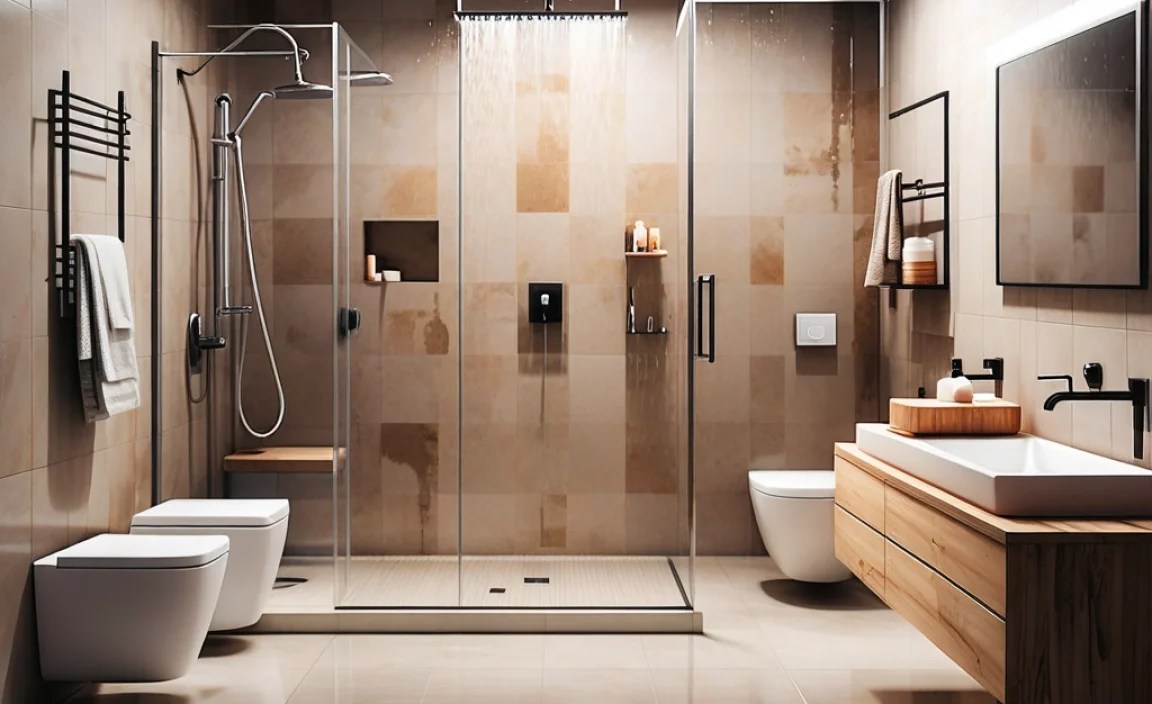
If you’re leaning towards a wet room, careful planning is your best friend. Here’s what to think about:
1. Location of the Drain
The drain is the heart of the wet room’s drainage system. Decide whether you prefer a linear drain along a wall or a point drain in the centre or corner. Linear drains are often more efficient and can be integrated stylishly with the flooring. Ensure it’s positioned at the lowest point of the sloped floor.
2. Flooring and Wall Materials
Choose materials that are water-resistant, durable, and easy to clean. Large format tiles with minimal grout lines are excellent as they reduce the number of places water can seep into. Natural stone, porcelain, or ceramic tiles are popular choices, but ensure they are properly sealed. Even better are solid waterproof wall panels designed specifically for wet environments.
3. Shower Type
Consider the type of shower you want. A wall-mounted showerhead is standard, but you might opt for a rain shower or even body jets. Think about the water pressure required and how the spray will be directed to minimize spread.
4. Water Deflection
A minimal glass panel or a good quality shower curtain is usually recommended. A fixed glass panel that extends from the wall or floor can effectively contain the most direct spray without making the space feel enclosed. A weighted, water-repellent shower curtain is a more budget-friendly option.
5. Lighting and Electrical Safety
All electrical fixtures in a bathroom must be installed according to strict safety regulations to prevent electrocution. In UK bathrooms, for example, there are specific “zones” that dictate the type of electrical equipment that can be installed and where. Ensure all lights and any electrical outlets are well outside the immediate shower spray area and are suitable for a damp environment. Always consult with a qualified electrician.
For detailed guidance on electrical safety in bathrooms, consult resources like the Health and Safety Executive (HSE).
DIY vs. Professional Installation
While many home improvements can be tackled as DIY projects, a wet room is generally not one of them, especially for beginners. The waterproofing is paramount. A single mistake in applying the tanking or sealing can lead to significant water damage that is expensive and difficult to repair, impacting structural elements and potentially leading to mould growth.
We strongly recommend hiring a qualified bathroom installer or a company that specializes in wet rooms. They have the experience and knowledge to ensure the job is done right the first time, giving you peace of mind and a durable, beautiful wet room.
For those who are experienced DIYers and understand the intricacies of waterproofing, it’s still wise to consult manufacturer guidelines and potentially seek advice from professionals. Resources like Toolstation’s guide can offer insights, but always prioritize professional installation for critical wet-proofing aspects.
