
Quick Summary: A sink works by using gravity and water pressure to drain wastewater. Water flows from the faucet, fills the basin, and then exits through the drain, passing through a trap to the main plumbing system, preventing sewer gases from entering your home.
How It Works of a Sink: An Essential Beginner’s Guide

Ever wondered what happens to the water after you turn off the faucet? It’s a simple question, but understanding how your sink works is super helpful for basic home maintenance. When a sink gets clogged, or a faucet drips, knowing the basics can save you time and money. Don’t worry if plumbing seems complicated; we’ll break it down easily. This guide will show you the magic behind your kitchen and bathroom sinks, making you feel more confident about your home. Let’s dive into how your sink really functions!
The Basic Anatomy of a Sink
Before we get into the “how,” let’s get familiar with the main parts of a sink. Think of these as the “players” in our plumbing game. Each piece has a specific job to do:
- The Basin: This is the main bowl where water collects. It’s usually made of ceramic, stainless steel, or composite materials.
- The Faucet: This is your control center! It dispenses hot and cold water, usually with handles or a single lever.
- The Drain: This is the hole at the bottom of the basin where water leaves. It’s usually covered by a stopper or strainer.
- The P-Trap: This is a curved pipe located underneath the sink. Its unique shape is very important!
- The Shut-off Valves: These are usually small knobs behind the sink that control the water supply to the faucet.
- The Overflow Drain: A small hole near the top of the basin, designed to prevent the sink from overflowing if the main drain is blocked.
Understanding these parts is the first step to mastering how your sink works. Each part connects to the next, creating a clever system to manage water in your home.
The Journey of Water: From Faucet to Drain

It all starts when you turn on the faucet. Here’s a step-by-step look at what happens:
- Water Supply: When you lift a faucet handle or turn a knob, you’re essentially opening a valve. This allows pressurized water from your home’s supply lines to flow into the faucet.
- Mixing and Flow: In faucets with hot and cold handles or a single lever, internal mechanisms mix the hot and cold water to your desired temperature. The combined water then flows out through the spout.
- Filling the Basin: The water cascades into the sink basin, ready for its purpose – washing hands, dishes, or something else!
- Reaching the Drain: Once you’re done, or if you simply let the water run, it collects at the lowest point of the basin, which is the drain opening.
- The Stopper’s Role: If you want to fill the sink, you put a stopper in place. This seals the drain, allowing water to build up in the basin. When you remove the stopper, water can begin to flow out.
- Entering the P-Trap: The water then passes through the drain opening and into the pipe system connected underneath. The first crucial component it encounters is the P-trap.
This sequence is straightforward, but the P-trap plays a surprisingly vital role in keeping your home healthy and pleasant. Let’s explore why.
The Crucial Role of the P-Trap

The P-trap is the unsung hero of your sink’s plumbing system. Its distinctive U-shape isn’t just for looks; it serves a very important purpose. After water flows through the drain, some of it remains trapped in the curve of the “U”. This small pool of water acts as a barrier.
Why is this barrier so important? Think about where all your sink water eventually goes: into the main sewer lines. These lines carry wastewater from your entire house, and they can sometimes contain unpleasant odors and gases, like methane and hydrogen sulfide, produced by decomposing waste. Without the water barrier in the P-trap, these noxious gases would have a clear path to travel back up through your drainpipe and into your home. That “rotten egg” smell you might experience if a sink hasn’t been used in a while is often a sign that the water seal in the P-trap has evaporated.
So, the P-trap’s primary function is to create a water seal that prevents sewer gases from entering your living space, keeping your home smelling fresh and hygienic. It’s a simple yet ingenious piece of plumbing!
How the Drain and Overflow Work Together
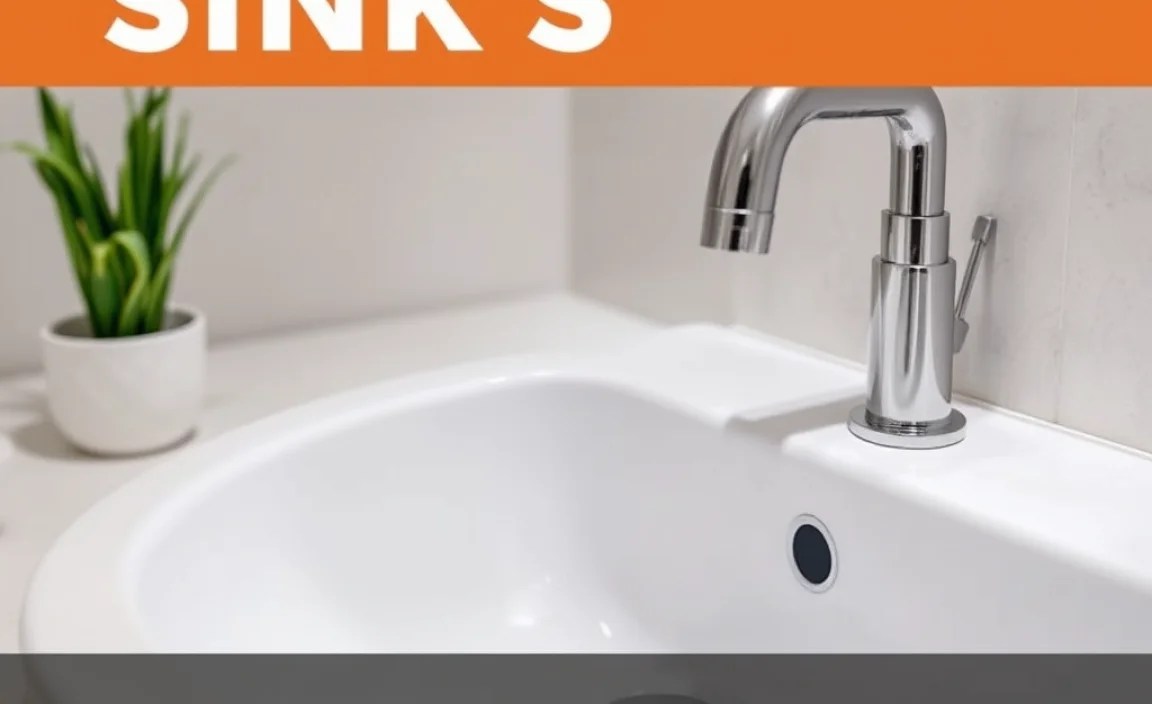
Your sink has two ways for water to exit:
- The Main Drain: This is the primary exit point at the bottom of the sink basin. Its size is designed to handle the typical flow of water for everyday use. It connects directly to the P-trap and then to the home’s main drainage system.
- The Overflow Drain: This is a safety feature. It’s typically a small opening near the top rim of the sink basin, often with a grate. If your main drain is blocked or you accidentally leave the water running with the stopper in place, water will rise to the level of the overflow. It then flows through a channel connected to the main drainpipe, usually above the P-trap. This prevents water from spilling over the edge of the sink and onto your floor.
The overflow drain is like a backup singer, always there to help if the main performer (the main drain) has trouble. While not carrying as much volume as the main drain, it’s crucial for preventing water damage.
Understanding Water Pressure and Flow
The water that comes out of your faucet is under pressure. This pressure is created by a system of pumps and tanks maintained by your local water utility or, if you have a well, by a pressure tank and pump system at your home. This constant push of water is what allows it to travel through pipes to your faucet and out with force.
When you open the faucet, you’re releasing this pressure, allowing water to flow. The speed at which water drains from your sink is also affected by gravity and the diameter of your drainpipes. Wider pipes and a clear path allow water to drain faster. If your sink drains slowly, it often indicates a partial clog somewhere in the drainpipe or the P-trap.
For more on water pressure and how it’s managed in homes, you can check out resources from the U.S. Environmental Protection Agency, which discusses water infrastructure.
Common Sink Issues and What They Mean
Even with a simple system, things can go wrong. Here’s a quick rundown of common sink problems and what they usually signal about how it works (or isn’t working!):
| Problem | What It Usually Means | Simple Fixes to Try |
|---|---|---|
| Slow Draining Sink | A partial clog is likely forming in the drainpipe or P-trap. It could be hair, soap scum, grease, or food debris. | Try using a plunger, a drain snake, or a mixture of baking soda and vinegar. This Old House offers great step-by-step guides for unclogging. |
| Gurgling Sounds | Air is being trapped and pushed back up the drainpipe. This often happens when the main drainpipe is partially blocked, preventing air from escaping as water drains. It can also indicate an issue with your home’s venting system. | Ensure the P-trap has enough water. If the gurgling persists, try the slow drain fixes. If it’s a recurring issue, it might be time for a plumber to check the vent system. |
| Foul Odors | The water seal in the P-trap may have evaporated (if the sink isn’t used often) or there’s a more significant clog leading to decomposing waste. | Run water for a minute to refill the P-trap. If odors persist, try the slow drain fixes. Persistent odors might indicate a bigger plumbing problem. |
| Leaking Faucet | This is usually due to worn-out parts inside the faucet, such as a washer, O-ring, or cartridge. | Identify your faucet type (compression, cartridge, ball, or disc) and look up DIY repair guides for that specific type. Replacing washers or cartridges is often a manageable DIY task. |
| Leaking Under the Sink | Connections between the drainpipe, P-trap, or to the wall pipe may be loose or the pipes themselves might be cracked. | Check and tighten the slip nuts connecting the P-trap and drainpipe. If pipes are cracked, they need replacement. |
When troubleshooting, always remember basic safety. For faucet leaks, turn off the supply valves first. For drain clogs, avoid harsh chemical drain cleaners, as they can damage pipes and are not environmentally friendly. Natural methods are often just as effective and much safer.
Essential Tools for Basic Sink Maintenance
You don’t need a plumber’s toolkit to handle most common sink issues. Here are a few basic tools that can be incredibly helpful:
- Plunger: A classic for clearing minor clogs. Make sure you get a flange plunger or a sink plunger.
- Drain Snake (Auger): A flexible coil of wire that can reach further down pipes to dislodge clogs.
- Adjustable Wrench or Pliers: Useful for tightening or loosening pipe fittings, especially the slip nuts on the P-trap.
- Bucket: Always have a bucket handy when working under the sink to catch any drips or water.
- Gloves: For hygiene and to protect your hands.
- Screwdriver Set: Some faucet repairs or drain cover removals might require basic screwdrivers.
Having these tools readily available means you can tackle many minor sink problems yourself, saving you a service call. For more advanced repairs, like replacing a faucet or dealing with persistent leaks, you might need specialized tools, but these basics cover a lot of ground.
DIY vs. When to Call a Professional
Knowing your limits is part of being a good DIYer. Here’s a guide to help you decide:
When to DIY with Confidence:
- Minor drain clogs: Using a plunger or drain snake for slow-moving drains.
- Refilling a dry P-trap: Simply running the water.
- Tightening loose drain fittings: If you see a small leak under the sink at a connection.
- Replacing faucet washers or O-rings: For simple drips on certain faucet types.
- Cleaning the sink basin and drain cover: Basic upkeep to prevent buildup.
When to Call a Professional Plumber:
- Persistent or recurring clogs: If DIY methods don’t work after a few tries, it indicates a deeper issue.
- Major leaks: Especially if pipes are cracked or the leak is significant.
- Gurgling sounds that don’t stop: This could point to a blocked main drain or vent issue.
- Water backing up in multiple fixtures: This typically signals a problem with the main sewer line.
- Faucet replacement: While possible for some, complex faucets or unfamiliar systems can be tricky and costly to get wrong.
- Any job involving your main water supply lines or sewer connections.
When in doubt, it’s always better to call a professional. A small mistake can sometimes lead to more significant and expensive damage. For plumbing codes and regulations, especially if you’re considering major work, consulting your local International Plumbing Code (IPC) resources or your local building department is a good idea.
Preventative Maintenance for a Healthy Sink
The best way to deal with sink problems is to prevent them from happening in the first place. Consistent, simple maintenance can keep your sinks running smoothly:
- Be Mindful of What Goes Down the Drain:
- In the kitchen, avoid pouring grease, coffee grounds, eggshells, and fibrous food scraps (like celery stalks) down the drain. Use a strainer to catch food particles.
- In the bathroom, be careful with hair, cotton swabs, and dental floss, as these can easily create clogs.
- Regularly Run Hot Water: After using the kitchen sink, especially after washing greasy dishes, run hot water for about 30 seconds. This helps to melt and flush away any residual grease before it solidifies.
- Monthly P-Trap Flush: For sinks that aren’t used very often (like in a guest bathroom), run water for a minute or two once a month to ensure the P-trap seal stays full and functional.
- Baking Soda and Vinegar Clean: Once a month, pour about half a cup of baking soda down the drain, followed by half a cup of white vinegar. Let it fizz for about 15-30 minutes, then flush with hot water. This helps to dissolve soap scum and minor buildup.
- Inspect Visible Plumbing: Periodically look under your sink for any signs of drips or moisture around the pipes and fittings. Catching small leaks early can prevent water damage and costly repairs.
Adopting these habits will significantly reduce the chances of encountering sink issues. It’s all about being a little proactive!
Conclusion
Understanding how your sink works doesn’t have to be a mystery. From the simple flow of water from the faucet to the clever barrier created by the P-trap, it’s a marvel of practical engineering in your home. We’ve walked through the journey of water, explored the purpose of every part, and even looked at common problems and how to tackle them.
Remember, a little knowledge goes a long way in home maintenance. By being aware of your sink’s components and performing simple preventative care, you can ensure it functions reliably for years to come. Don’t hesitate to get your hands a little dirty with basic maintenance. You’ve got this!
Frequently Asked Questions (FAQ)
Q1: What is the main purpose of the P-trap?
A: The P-trap’s main purpose is to hold a small amount of water, creating a seal that prevents unpleasant sewer gases from entering your home through the drainpipe.
Q2: Why does my sink sometimes smell bad?
A: A bad smell usually means the water seal in the P-trap has evaporated (if the sink is rarely used) or there’s a clog further down the drainpipe where waste is decomposing.
Q3: What should I do if my sink is draining slowly?
A: First, try using a plunger. If that doesn’t work, a drain snake can help remove obstructions. For a safer, eco-friendly approach, try pouring baking soda and vinegar down the drain, followed by hot water.
Q4: What is the overflow drain for?
A: The overflow drain is a safety feature. It provides an alternative path for water to exit the sink if the main drain is blocked, preventing the sink from overflowing and causing water damage.
Q5: Can I pour grease down the kitchen sink?
A: No, it’s best to avoid pouring grease, oil, or fat down any sink. Grease solidifies in pipes, causing clogs. Wipe greasy pans with a paper towel before washing, or let grease solidify and scrape it into the trash.
Q6: How often should I clean my sink drain?
A: For regular use sinks, a monthly treatment with baking soda and vinegar is beneficial. For kitchen sinks, be mindful of what goes down daily and use a strainer. For infrequently used sinks, running water weekly or monthly helps maintain the P-trap seal.
Q7: What’s the difference between a kitchen sink drain and a bathroom sink drain?
A: Kitchen sinks often handle more solid food debris and grease, so kitchen drains and P-traps might be slightly larger and more prone to grease buildup. Bathroom sinks primarily deal with soap scum and hair, making hair clogs more common.
