
Quick Summary: Understanding how soap holders work versus alternatives reveals smart ways to keep your soap dry, last longer, and prevent messy bathrooms. We’ll explore practical options that offer great value and a cleaner space for your home.
Tired of slimy soap bars and cluttered sinks? You’re not alone! Many of us face the daily annoyance of a mushy bar of soap that seems to disappear way too quickly. This common bathroom issue can lead to wasted soap and an untidy look. But don’t worry, there are simple solutions that work. Knowing how soap holders and their alternatives function can save you money and keep your space looking neat. Let’s dive into how these handy items work and why they offer such genius value for your home.
The Humble Soap Holder: More Than Just a Dish

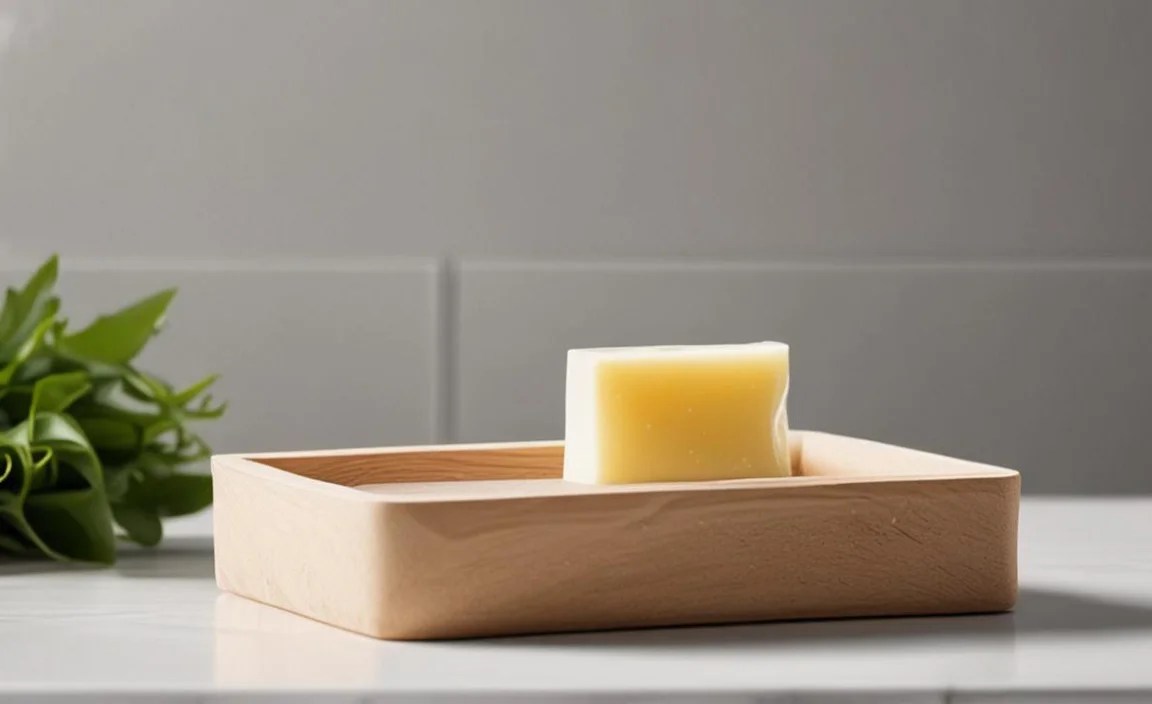
Think of a soap holder as the dedicated parking spot for your bar soap. Its main job is to lift the soap off wet surfaces, allowing air to flow around it. This might seem simple, but it’s the key to preventing that gooey mess. Most soap holders achieve this by having drainage holes or raised ridges.
Types of Soap Holders and How They Work:

- Draining Dishes: These are the classic soap dishes. They are typically small containers, often made of ceramic, plastic, or metal, with small holes or slots in the bottom. When water hits the soap and washes off, it drains through these holes, taking excess moisture away from the bar. The open design also allows air to circulate freely, which is crucial for drying.
- Wall-Mounted Dispensers (with Soap Rest): Some wall-mounted dispensers have a small ledge or tray below the dispensing mechanism. While the primary function here is dispensing liquid soap, this small rest can also hold a bar soap. If it has drainage, it works similarly to a dish.
- Magnetic Soap Holders: These are a bit more high-tech and super practical. They consist of two parts: a small metal disc that you press into your bar soap, and a magnetic anchor that attaches to your wall or sink edge (usually with adhesive or screws). The soap then “sticks” to the magnet, suspending it in the air. This offers maximum airflow, as there’s no surface touching the soap at all, making it incredibly effective for drying.
- Tension Rod Holders: Often seen in showers, these holders attach to a tension rod. They usually have a basket or a system of bars that allows soap to drain and air to circulate.
The genius of a well-designed soap holder lies in its simplicity and functionality. They combat two main enemies of bar soap: standing water and lack of airflow. By keeping the soap elevated and dry, they significantly extend the life of your soap bars, saving you money and reducing waste. This is especially true when compared to just leaving a bar of soap on the edge of a sink or tub, which inevitably leads to a soggy, soft mess.
Soap Holder Alternatives: Everyday Ingenuity
What if you’re not ready for a dedicated soap holder, or need a quick fix? Luckily, the world is full of everyday objects that can serve as surprisingly effective soap savers. These alternatives leverage the same principles of drainage and airflow, often with a DIY spirit.
Clever Alternatives and Their Mechanisms:
- The Upside-Down Lid Trick: Take the lid from a plastic container or jar. Place it upside down. The rim of the lid creates a slight elevation, and the slight curve of the lid’s interior can allow some water to pool away from the soap’s main body. For better results, poke a few holes in the lid beforehand.
- The Mesh Bag Method: This is a fantastic multi-tasker! Keep your bar soap in a mesh bag (like those used for loofahs or exfoliating poufs). When you’re done washing, simply hang the bag with the soap inside. The mesh allows for excellent airflow, and the soap dries very quickly. Plus, you can lather up and scrub directly with the bag, reducing the need for a separate washcloth.
- The Spongy Coaster: A simple, absorbent coaster can act as a rudimentary soap rest. The material will soak up excess water, keeping the soap from sitting in a puddle. However, this method requires more frequent cleaning of the coaster itself, as it will retain moisture and soap residue.
- DIY Wooden Slats: For the handy home-chef, create a small tray using narrow wooden slats glued together, leaving small gaps between them. This mimics a more sophisticated draining dish and provides excellent airflow. Ensure the wood is sealed to prevent water damage.
- A Simple Fork or Toothbrush Holder: The tines of a fork or the openings in a toothbrush holder can sometimes elevate a bar of soap just enough to allow for some drainage and airflow. This is a temporary fix but can work in a pinch.
- The “Elevated Edge” Technique: If all else fails, try to place your soap on the corner edge of the sink or tub where it’s less likely to sit in standing water. This is the least effective but requires no extra items.
The value of these alternatives is their accessibility and cost-effectiveness. You likely already have many of these items at home, making them a zero-cost solution. They prove that you don’t always need a specialized product to solve a common problem.
Comparing Soap Holders vs. Alternatives: The Genius Value Breakdown
When we compare dedicated soap holders and everyday alternatives, it’s not just about what works, but what offers the best long-term value. Value here means not only cost but also effectiveness, convenience, aesthetics, and longevity.
Feature Comparison Table
| Feature | Dedicated Soap Holder | Soap Holder Alternatives |
|---|---|---|
| Effectiveness (Drying) | High (designed for optimal airflow and drainage) | Variable (depends on the item, can be high with mesh bag or poked lid) |
| Cost | Low to moderate ($5 – $30+) | Free to very low (using existing items) |
| Convenience | High (dedicated spot, easy to use) | Variable (mesh bag great, lid can be fiddly) |
| Aesthetics | Can enhance bathroom decor (many stylish options) | Often utilitarian or temporary (can look messy if not managed) |
| Durability | Can be very durable (ceramic, metal) or less so (plastic) | Depends on the item (plastic lids crack, mesh bags wear out) |
| Soap Longevity Improvement | Significant | Moderate to significant |
| Bathroom Cleanliness | Helps maintain a tidier sink/shower area | Can help, but some alternatives might require more cleaning themselves |
The “Genius Value” of Each Approach:
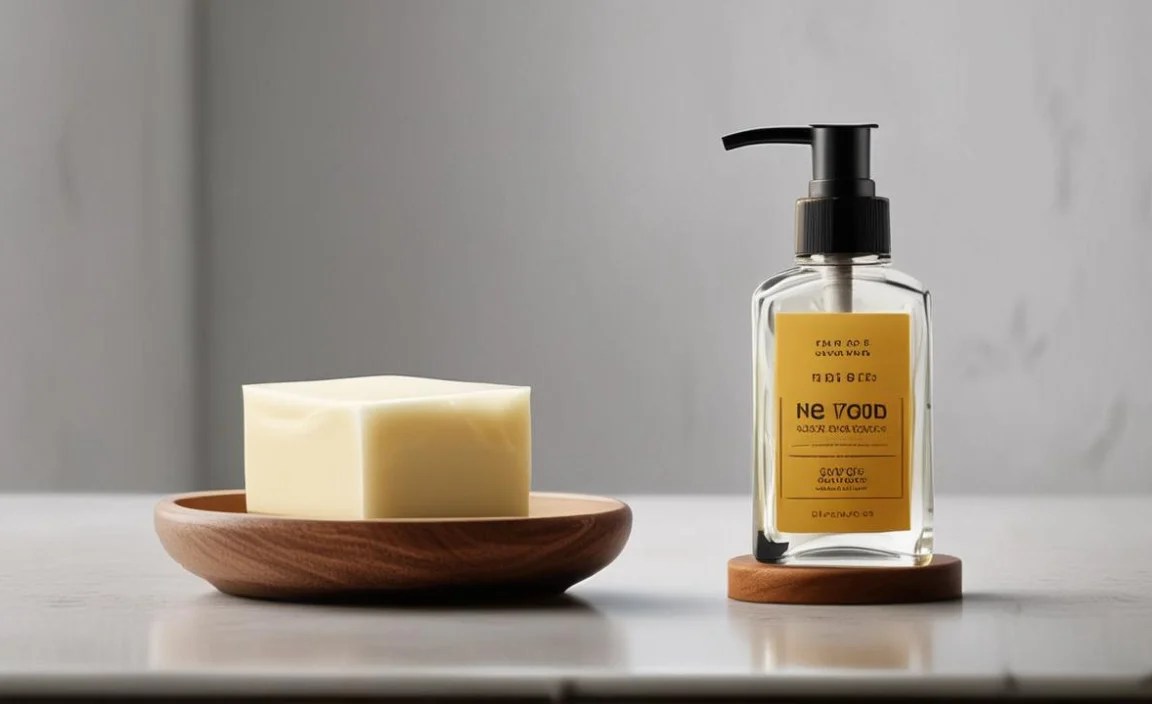
- Dedicated Soap Holders: The genius value here is in their specialized design. They are engineered for the sole purpose of keeping soap dry and tidy. This leads to the longest soap life and generally the neatest bathroom appearance. While they have an upfront cost, the amount of soap saved over time often makes them a cost-effective choice in the long run. For instance, a high-quality magnetic soap holder from a reputable brand like Umbra can last for years and dramatically reduce soap waste.
- Soap Holder Alternatives: The genius value of alternatives is their accessibility and immediate impact. They demonstrate that simple problem-solving doesn’t require expensive purchases. You can instantly start saving your soap by repurposing items you already own. The mesh bag, in particular, offers a brilliant combination of drying capability, reduced soap mess, and an enhanced lathering experience. These solutions are perfect for someone on a tight budget, for temporary living situations, or for anyone who enjoys a good DIY hack.
Ultimately, the choice depends on your priorities. If you want a seamless, stylish, and highly effective solution, a dedicated soap holder is probably best. If you prioritize cost savings and resourcefulness, the ingenuity of alternatives shines. Both paths lead to a cleaner bathroom and longer-lasting soap – that’s the genius value!
Installation and Usage Tips for Optimal Results
No matter which method you choose, proper installation and usage are key to maximizing its effectiveness and ensuring it lasts.
For Dedicated Soap Holders:
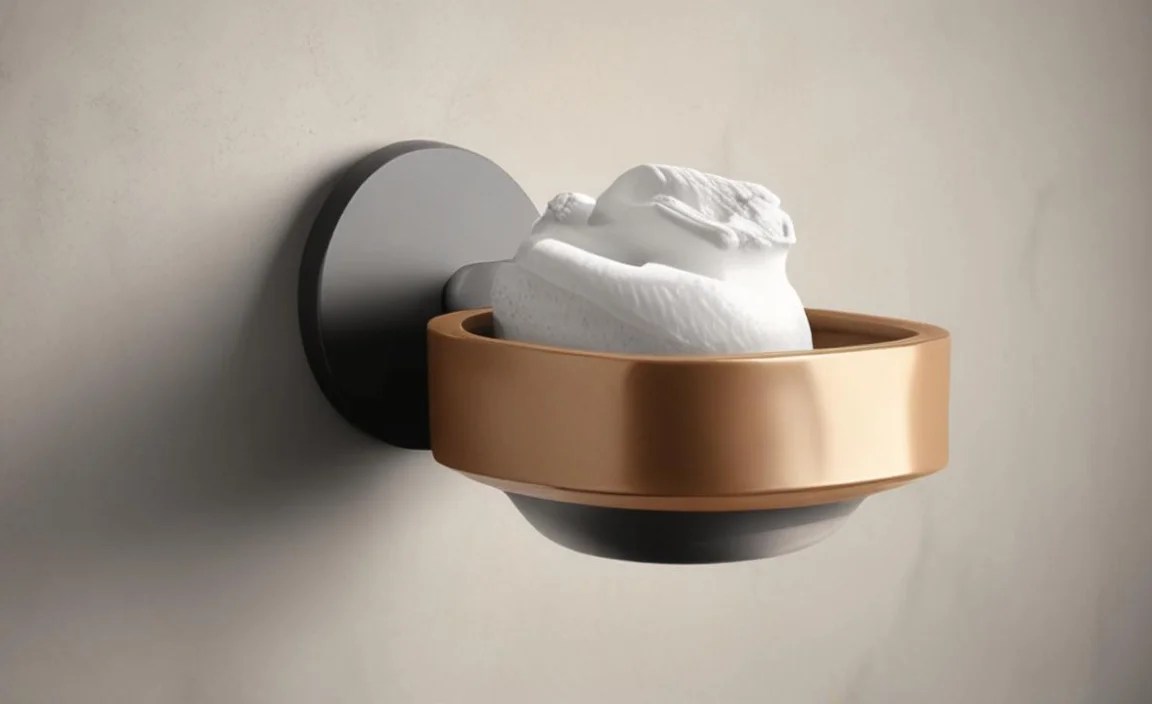
- Placement is Key: Ensure the holder is placed where water can easily drain away. For wall-mounted types, avoid corners where water might pool. For sink-edge types, make sure the drain holes aren’t blocked by the sink lip.
- Regular Cleaning: Soap scum and residue can build up. Clean your soap holder regularly with mild soap and water. A small brush can help get into nooks and crannies.
- Consider Suction vs. Adhesive vs. Screws: Suction cup holders can lose their grip over time, especially in steamy bathrooms. Adhesive mounts are strong but can damage surfaces when removed. Screw-mounted holders are the most secure but require drilling. Choose based on your bathroom’s surface and your comfort level with installation.
- Magnetic Holder Installation: When installing magnetic holders, ensure the anchor is firmly attached to a clean, dry surface for maximum holding power. Press the metal disc firmly into the soap for a secure fit.
For Soap Holder Alternatives:
- Maximize Airflow: With any alternative, particularly dishes or containers, ensure there are enough gaps or holes for air to circulate. If using a container, turn it upside down and perhaps add a few small holes with a drill or a hot needle (with caution!).
- Mesh Bag Care: If using a mesh bag, rinse it periodically to prevent mildew and soap buildup. Hang it to dry completely between uses.
- Absorbent Materials: For coasters or sponges, remember they will get damp. Allow them to dry out completely between uses to prevent mold and odors. Consider having a spare to swap out.
- Surface Protection: If using a base that might leave marks or trap moisture, place a small, waterproof mat or tray underneath it.
A bit of thought during setup and regular maintenance will ensure your chosen soap-saving method works efficiently for a long time, contributing to a consistently clean and pleasant bathroom experience. For more advanced bathroom fixture installation tips, resources like This Old House offer valuable guidance on working with bathroom fixtures safely and effectively.
Addressing Common Issues and Troubleshooting
Even with the best intentions, you might run into a few hiccups. Here’s how to troubleshoot common soap holder and alternative problems.
Problem: Soap Still Gets Mushy
- Soap Holder: Check for clogged drainage holes. Clear them with a toothpick or needle. Ensure the soap isn’t too large for the holder, preventing it from sitting properly. If it’s a wall-mounted type, ensure it’s not angled towards a surface where water can collect.
- Alternative: If using a lid or a container, add more holes. If using a mesh bag, make sure it’s hanging freely and not against a wall. For absorbent materials, they might be oversaturated; try a different material or ensure it dries out properly.
Problem: Holder Falls Down / Adhesive Fails
- Suction Cups: Clean the suction cup and the mounting surface thoroughly with rubbing alcohol. Dampen the suction cup slightly before pressing firmly into place.
- Adhesive Mounts: Ensure the surface is completely clean, dry, and smooth. For textured or painted walls, adhesive mounts may not stick well. Consider using a screw-mounted option or an alternative method.
- Magnetic Anchors: Make sure the anchor is securely attached to the soap bar itself. If it feels loose, press it in deeper.
Problem: Soap Holder Looks Dirty or Moldy
- Regular Cleaning is Key: This is often a sign that the holder isn’t drying out completely or isn’t being cleaned regularly. Scrub with an old toothbrush and a paste of baking soda and water.
- Airflow Issues: If a holder or alternative traps too much moisture, it can lead to mold. Increase airflow by ensuring drainage holes are clear and the item isn’t covered.
- Consider Material: Some porous materials, like certain ceramics or unsealed wood, can be more prone to staining and mildew.
Problem: Bar Soap Crumbles
- Type of Soap: Some handmade or natural soaps are softer and more prone to crumbling, especially if they contain ingredients like glycerin.
- Drying Out Too Much: Paradoxically, if a soap dries out too much between uses, it can become brittle. However, this is less common than the mushy soap problem and usually points to extreme over-drying rather than poor storage.
- Solution: Ensure your soap is generally kept dry but not desiccated. A good soap holder will keep it firm but not brittle. If crumbling persists, try a different type of soap.
By understanding these common issues and their solutions, you can ensure your chosen soap-saving method works perfectly, keeping your bathroom tidy and your soap in good condition.
The Long-Term Impact: Sustainability and Savings

Choosing how you store your bar soap has a ripple effect that extends beyond just keeping your counter clean. It touches on sustainability and your wallet.
Environmental Benefits:
- Reduced Waste: When bar soap turns into mush and is discarded before its time, it contributes to household waste. By extending the life of each bar through proper drying, you reduce how often you need to buy new soap, thereby decreasing packaging waste and the resources used to produce that soap.
- Less Plastic Usage: Many liquid soaps come in plastic bottles that often end up in landfills or recycling centers (where they may not always be effectively recycled). Bar soap, with proper storage, is an excellent plastic-free alternative. Opting for bar soap and ensuring it lasts longer is a simple yet effective way to reduce your plastic footprint.
- Resource Conservation: Producing soap and its packaging requires water, energy, and raw materials. By using each bar for its full potential, you indirectly conserve these resources.
Financial Benefits:
- Direct Cost Savings: This is the most immediate benefit. A bar of soap that lasts twice as long effectively cuts your soap expenses in half. Over a year, this can add up, especially for a family.
- Reduced Need for Cleaning Products: A messy, slimy soap dish can require more frequent and vigorous cleaning, potentially leading to the purchase of specialized cleaning agents. A well-draining system often requires less intensive cleaning.
- Investment Value: While some soap holders have an upfront cost, think of them as an investment. A $15 magnetic soap holder that helps a $3 bar of soap last an extra month means you’re saving money and reducing waste over the long term.
The “genius value” of a good soap holder or a smart alternative isn’t just about convenience; it’s about making a more sustainable and economical choice for your household. It’s a small change that can have a positive impact.
Frequently Asked Questions (FAQ)
Q1: What is the main purpose of a soap holder?

The main purpose of a soap holder is to keep bar soap elevated and dry between uses, preventing it from becoming soggy and dissolving prematurely.
Q2: How does a mesh soap bag work to save soap?
A mesh soap bag allows air to circulate freely around the soap bar, promoting quick drying. You can also lather and use the soap directly through the bag, which reduces mess and can provide a gentle exfoliating action.
Q3: Are magnetic soap holders safe for my wall?

Most magnetic soap holders attach with a strong adhesive or screws. If using adhesive, ensure the surface is clean and dry. While usually safe, some delicate paint finishes might be affected when the adhesive is removed. Always test in an inconspicuous area if concerned.
Q4: I’m on a very tight budget. What’s the cheapest way to keep my soap dry?

The cheapest way is to use everyday items as alternatives. Try placing your soap on an upside-down bottle cap, a small piece of porous material like a natural sponge, or poke holes in an old plastic lid to create a DIY draining dish.
Q5: How often should I clean my soap holder?
It’s best to clean your soap holder or alternative every week or two to prevent soap scum buildup and potential mildew. A quick rinse and scrub with a toothbrush usually does the trick.
Q6: Can any bar soap be used with a soap holder, or are some better than others?

Any bar soap can benefit from a soap holder. However, softer, handmade, or glycerin-rich soaps are more susceptible to dissolving quickly and will see the most dramatic improvement from being kept dry.
Q7: What’s better for the environment: bar soap in a holder or liquid soap in a dispenser?

Bar soap is generally more environmentally friendly than liquid soap. It uses less packaging, often no plastic, and requires less water in
