
A toilet flushes using a clever system of gravity, water pressure, and a siphon. When you press the handle, a flapper lifts, allowing water from the tank to rush into the bowl, forcing waste down the drain. This process is surprisingly simple and incredibly effective for maintaining hygiene in our homes.
Ever stared at your toilet after a flush, wondering what magic just happened down there? Don’t worry, you’re not alone! Many of us use this everyday essential countless times a day without a second thought. But when something goes wrong – a leaky tank, a slow flush, or a stubborn clog – it can be baffling. Understanding how your toilet works doesn’t require an engineering degree. It’s about knowing a few key parts and how they work together. This guide will break down the mystery of the flushing toilet into simple steps. Get ready to gain a new appreciation for this humble fixture and feel confident about its basic maintenance!
The Simplest Machine: How Your Toilet Flushes
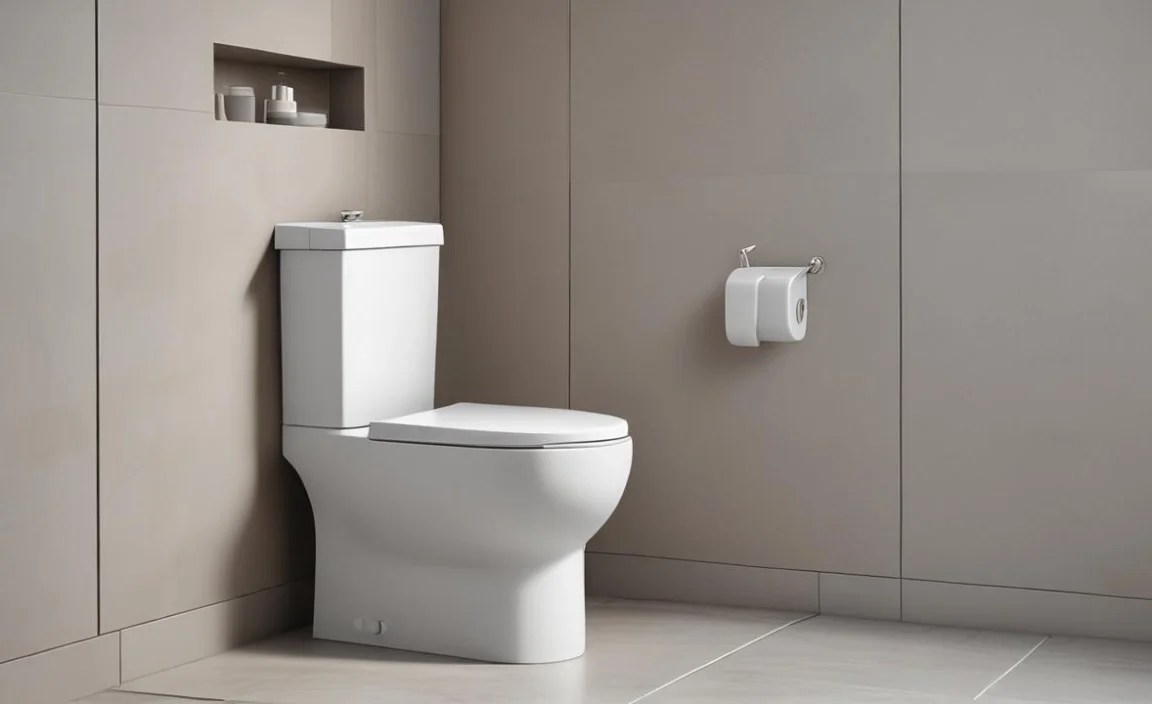
At its heart, a toilet is a brilliant example of simple mechanics. It uses a powerful combination of gravity and water pressure to efficiently remove waste. This system has been refined over centuries, making it one of the most reliable fixtures in any home. Let’s dive into the main components that make this “magic” happen.
Key Components of a Toilet Tank

The real action often starts in the tank. It’s like the control center for your flush. Inside, several parts work in harmony:
- The Tank Lid: This is the cover you lift to see inside the tank. It keeps everything clean and prevents accidental flushing.
- The Handle/Lever: This is what you push or pull to initiate a flush. It’s connected to the flushing mechanism inside.
- The Flush Valve (Flapper): This is a rubber or plastic piece that sits at the bottom of the tank. When you flush, it lifts, allowing water to escape into the bowl.
- The Overflow Tube: A vertical pipe inside the tank. If the water level gets too high, it directs excess water into the bowl, preventing your bathroom from flooding.
- The Float Ball or Cup: This component rises with the water level in the tank. When it reaches a pre-set level, it signals the fill valve to stop adding more water.
- The Fill Valve (Ballcock): This mechanism allows fresh water to enter the tank after each flush. It also controls the water level.
- The Chain/Lift Rod: Connects the handle to the flapper, lifting the flapper when the handle is activated.
How the Water Moves: The Flushing Cycle
The flushing process is a sequence of events that happens very quickly:
- Initiating the Flush: You press the toilet handle.
- Lifting the Flapper: The handle pulls a chain or rod, which lifts the flapper off the flush valve at the bottom of the tank.
- Water Rushes Out: Gravity takes over! The water stored in the tank rushes through the open flush valve into the toilet bowl. This surge of water pushes the waste out of the bowl and down the drainpipe.
- The Siphon Effect: As the bowl fills rapidly, it creates a siphon effect in the trapway (the curved pipe beneath the bowl). This siphon action actively pulls the remaining water and waste out of the bowl.
- Flapper Closes: Once most of the water has left the tank, the flapper, being heavier than the chain, drops back down, resealing the flush valve.
- Refilling the Tank: The fill valve opens, allowing fresh water to enter the tank. The float rises with the water level until it reaches the shut-off point, stopping the water flow.
- Overflow Prevention: If the fill valve malfunctions and overfills the tank, the overflow tube directs the excess water down into the bowl, not out of the tank.
Beyond the Flush: The Toilet Bowl and Trapway

While the tank does the heavy lifting, the bowl and its hidden trapway are crucial for sanitation. They are ingeniously designed to hold water and prevent sewer gases from entering your bathroom.
The Toilet Bowl Explained
The visible part of your toilet is the bowl. It’s designed to hold a specific amount of water after each flush. This water serves a few important purposes:
- Hygiene: It creates a barrier, preventing unpleasant odors from sewer gases from rising into your home.
- Waste Disposal: The water in the bowl is the starting point for the flushing action.
- Cleanliness: It helps rinse the bowl after each use.
The Mysterious Trapway
Beneath the visible bowl lies the trapway. This is a U-shaped pipe that connects the bowl to your home’s drain system. Its shape is its secret weapon:
- Water Seal: The curve of the trapway is always filled with water. This water seal is what prevents sewer gases from escaping into your bathroom.
- Siphon Creation: When you flush, the surge of water from the tank flows through the bowl and into the trapway. This rapid movement of water creates a siphon, which efficiently pulls the waste and water from the bowl.
- Drainage Path: After the siphon breaks, gravity helps any remaining water and waste flow down the drainpipe and into your sewer or septic system.
Understanding the trapway helps explain why a toilet needs a certain amount of water to flush properly. If the water level in the bowl is too low, the siphon effect won’t be strong enough to clear the bowl effectively, which can lead to clogs. For more on drain systems, you can explore resources from the U.S. Environmental Protection Agency’s WaterSense program, which offers guides on water-efficient fixtures and maintenance.
Types of Toilet Flushing Mechanisms

While the basic principle remains the same, there are a few different types of flushing systems you might encounter:
Gravity-Fed Toilets
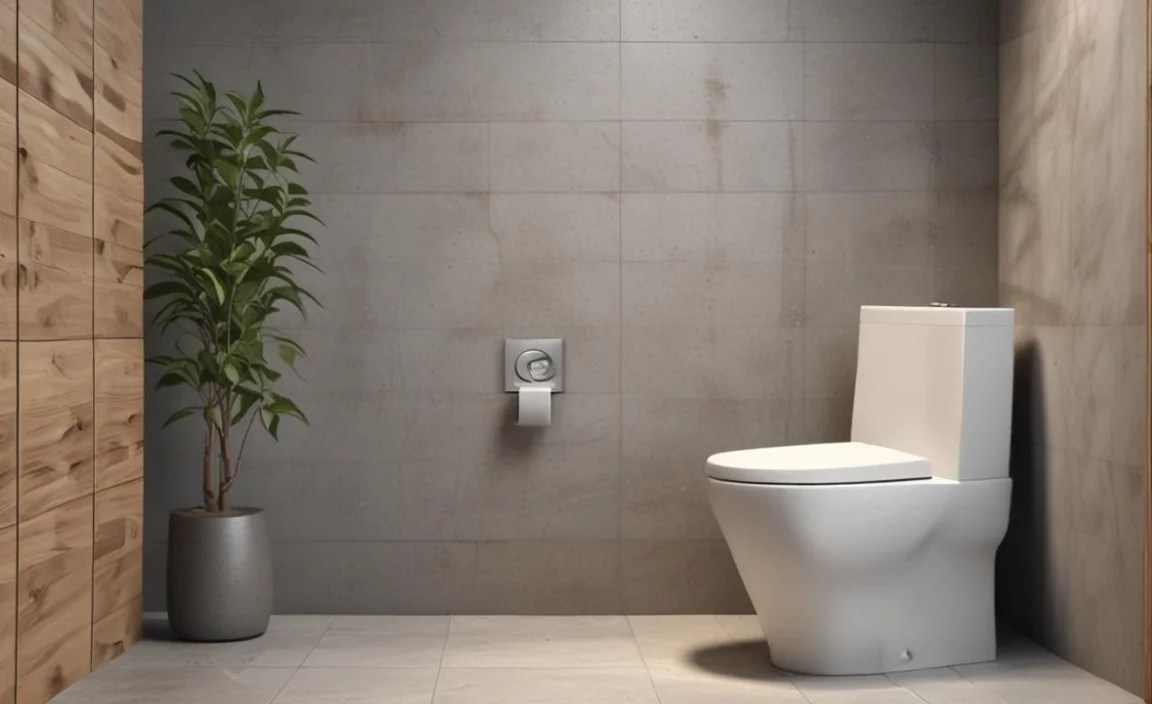
This is the most common and traditional type of toilet. It relies solely on gravity to move water from the tank to the bowl. They are generally simple, reliable, and energy-efficient (they use no electricity).
Pressure-Assisted Toilets
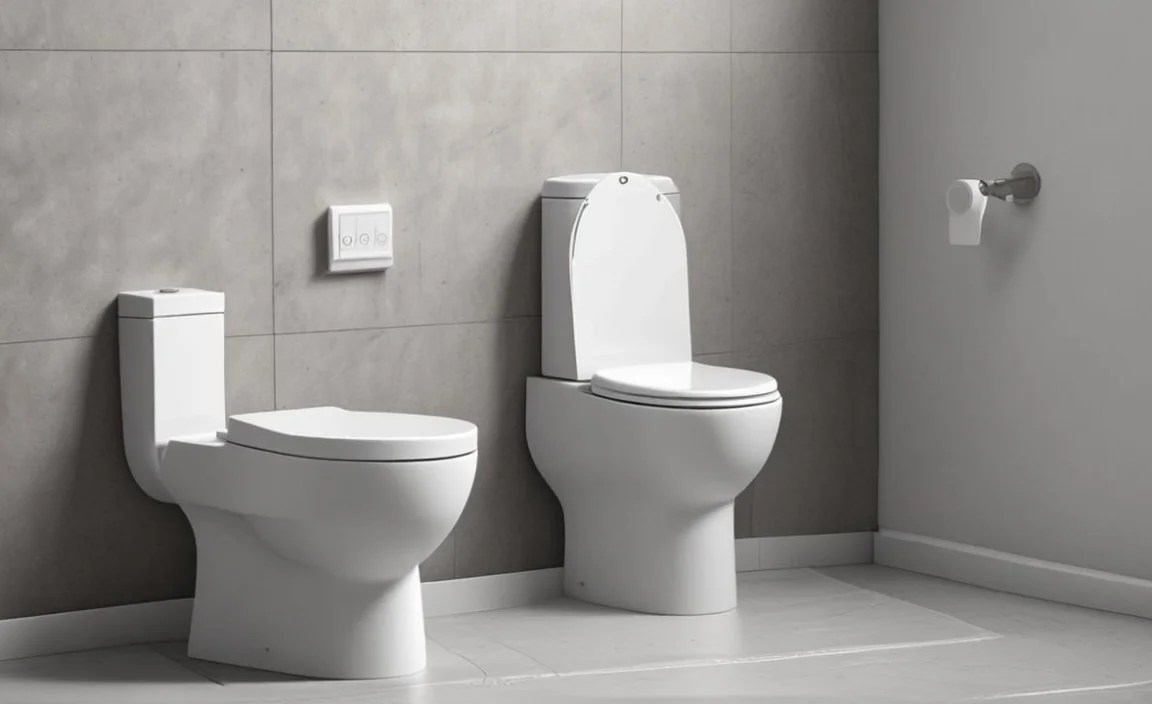
These toilets use a special tank that stores compressed air. When you flush, this compressed air is released along with water, creating a much more powerful flush. They are excellent for clearing tough clogs and often use less water per flush but can be noisier and more complex to repair.
Dual-Flush Toilets
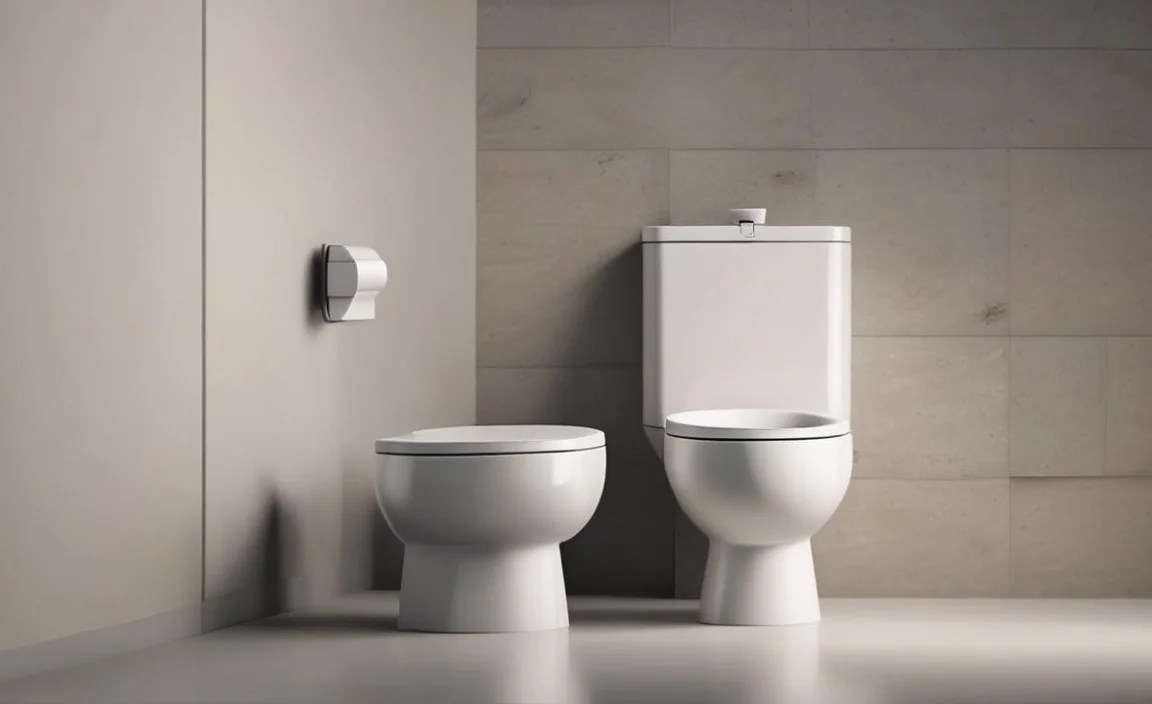
A popular water-saving option, dual-flush toilets have two buttons or a lever with two settings. One setting uses less water for liquid waste, and the other uses more water for solid waste. This significantly reduces water consumption over time.
Here’s a quick comparison of common toilet types:
| Toilet Type | How it Works | Pros | Cons |
|---|---|---|---|
| Gravity-Fed | Uses gravity to draw water from the tank into the bowl. | Simple, quiet, energy-efficient, easy to repair. | May require multiple flushes for heavy waste, can be less powerful. |
| Pressure-Assisted | Uses compressed air and water for a powerful flush. | Very powerful, efficient for waste removal, uses less water per flush. | Noisier, more complex repairs, can be more expensive. |
| Dual-Flush | Offers two flushing options: full and reduced flush. | Significant water savings, environmentally friendly, customizable. | Can be more complex to understand initially, higher upfront cost. |
Choosing the Right Toilet Type
For most homes, a standard gravity-fed toilet is perfectly adequate and the easiest to maintain. If you frequently deal with clogs or have older pipes, a pressure-assisted model might be worth considering. For eco-conscious homeowners looking to save on water bills, a dual-flush toilet is an excellent choice. Thankfully, most modern toilets are designed with water efficiency in mind, meeting standards like those promoted by the EPA’s WaterSense program.
Simple Toilet Maintenance Tips
Knowing how your toilet works is the first step. The next is understanding how to keep it running smoothly. Basic maintenance can prevent most common problems.
Regular Cleaning is Key
A clean toilet is a happy toilet! Regular cleaning prevents buildup that can affect performance and hygiene.
- Daily Wipe-Down: A quick wipe of the seat, lid, and exterior with a disinfectant cleaner.
- Bowl Cleaning: Use a toilet brush and bowl cleaner weekly. Scrub under the rim where water enters the bowl, as mineral deposits can build up here.
- Tank Cleaning: Occasionally (every 6-12 months), check inside the tank. If you see slime or debris, you can carefully empty the tank, scrub it with a mild cleaner (avoid harsh chemicals that can damage parts), and rinse thoroughly.
What to Avoid
Some things can damage your toilet or plumbing system:
- Harsh Chemicals: Bleach-based cleaners can degrade rubber parts in the tank over time.
- Wipes and Non-flushable Items: “Flushable” wipes are a major cause of clogs! They don’t break down like toilet paper. Never flush paper towels, feminine hygiene products, cotton balls, or anything other than toilet paper and waste.
- Over-tightening Parts: When working on your toilet, be gentle. Overtightening plastic nuts and bolts can cause them to crack.
Troubleshooting Common Issues
Even with good maintenance, minor issues can arise. Here’s how to tackle them:
1. Slow or Incomplete Flush
Likely Causes:
- Water level in the tank is too low.
- Flapper is not opening fully or is closing too soon.
- Clogged rim jets or siphon jet.
Solutions:
- Adjust the float to ensure the tank fills to the correct water level line.
- Check the chain length; it should have a little slack but not be too long. Ensure the flapper lifts freely.
- Use a stiff wire or thin screwdriver to clean out any debris in the rim jets (small holes under the rim) and the larger siphon jet at the bottom of the bowl. For more on clearing jets, check out This Old House’s detailed guides.
2. Leaking Toilet
Likely Causes:
- Worn-out flapper.
- Faulty fill valve.
- Loose tank-to-bowl bolts.
- Cracked tank or bowl (less common).
Solutions:
- Food Dye Test: Put a few drops of food coloring in the tank. Don’t flush. Wait 15-30 minutes. If color appears in the bowl, the flapper is leaking and needs replacement.
- Replace the flapper. This is a cheap and easy fix.
- If the tank keeps running after flushing, the fill valve may be faulty and needs replacement.
- If water seeps from where the tank meets the bowl, tighten the bolts connecting the tank to the bowl slightly. If this doesn’t work, you may need to replace the tank-to-bowl gasket.
3. Toilet Running Continuously
Likely Cause:
- The fill valve is not shutting off, allowing water to continuously enter the tank.
- The float is set too high.
- The flapper isn’t sealing properly, and the fill valve is trying to compensate by adding more water.
Solutions:
- First, check the float. If it’s set too high, adjust it down.
- If the fill valve continues to run water even when the float is at the correct level, the fill valve likely needs to be replaced. This is a common DIY repair and replacement kits are readily available.
- Double-check the flapper for a good seal. If it’s old or warped, replace it.
4. Clogged Toilet
Likely Causes:
- Too much toilet paper.
- Flushing non-flushable items.
- Low water level in the tank preventing a strong flush.
- A blockage further down the drainpipe.
Solutions:
- Plunger Power: Use a flange plunger (the one with the extra flap at the bottom). Ensure a good seal around the drain hole and plunge vigorously.
- Hot Water and Soap: Pour a bucket of hot (not boiling) water into the bowl, followed by a generous amount of dish soap. Let it sit for 10-15 minutes to help break down the clog. Then, try flushing.
- Toilet Auger (Snake): For stubborn clogs, a toilet auger is the tool to use. It’s designed to snake into the trapway and break up or retrieve blockages. Push the auger into the drain, crank the handle to extend the cable, and rotate to dislodge the clog. Learn more about using a toilet auger from resources like Family Handyman.
| Problem | Common Cause | DIY Solution |
|---|---|---|
| Slow Flush | Low tank water level, partially closed flapper | Adjust float, check chain length/flapper sealing |
| Continuous Running | Faulty fill valve, high float setting | Adjust float, replace fill valve |
| Leaking (in tank) | Worn flapper | Replace flapper |
| Leaking (tank to bowl) | Loose bolts, bad gasket | Tighten bolts, replace gasket |
| Clog | Excessive paper, foreign objects | Plunge, use auger |
When to Call a Professional
While many toilet issues are DIY-friendly, don’t hesitate to call a plumber if:
- You’ve tried the basic fixes and the problem persists.
- You suspect a blockage deep in your main drain line.
- There’s a persistent leak you can’t locate.
- You notice sewage backing up in other drains.
- You’re not comfortable performing the repair yourself.
Frequently Asked Questions About How Toilets Work
Q1: How much water does a typical toilet use?

Modern toilets, especially those with the WaterSense label, use about 1.6 gallons per flush (gpf). Older toilets can use much more, sometimes up to 7 gallons per flush. Dual-flush toilets offer even more savings, with options as low as 0.8 gpf for liquids and 1.6 gpf for solids.
Q2: What is the purpose of the water in the toilet bowl?

The water in the bowl creates a water seal that prevents unpleasant sewer gases from entering your home. It also helps in the flushing process by providing the volume needed to initiate a siphon.
Q3: Why does my toilet sometimes flush weakly?
A weak flush is often due to a low water level in the tank, a flapper that isn’t opening or closing correctly, or clogged ports under the rim where water enters the bowl. Checking and adjusting these components can usually fix the issue.
Q4: Can I convert an old toilet to a low-flow model?

Yes, in many cases. You can often install a low-flow flushing conversion kit, which includes a new flapper and fill valve designed to use less water. Sometimes, adjusting the float on your existing fill valve can also help reduce water usage if it’s set too high.
Q5: What is a toilet auger and how is it different from a plunger?

A plunger creates pressure and suction to dislodge clogs, working best for minor blockages. A toilet auger (or toilet snake) is a flexible cable with a crank that you physically feed into the drainpipe. It can break up or retrieve more stubborn blockages that a plunger can’t handle, and it’
