
Quick Summary: A bathroom is a room dedicated to personal hygiene, typically containing a toilet, sink, and a bath or shower. Understanding its basic definition and components is key for any DIY home improvement or maintenance task, ensuring you know exactly what you’re dealing with in your home.
Navigating the world of home maintenance can sometimes feel like learning a new language. Terms that seem simple to experts can be confusing for beginners. Today, we’re demystifying one of the most fundamental spaces in your home: the bathroom. Knowing what defines a bathroom and its core elements will make any related DIY project, from simple repairs to upgrades, much easier. We’ll break down everything you need to know in plain English, so you can tackle your home projects with confidence. Get ready to feel more in control of your home!
What Exactly is a Bathroom?
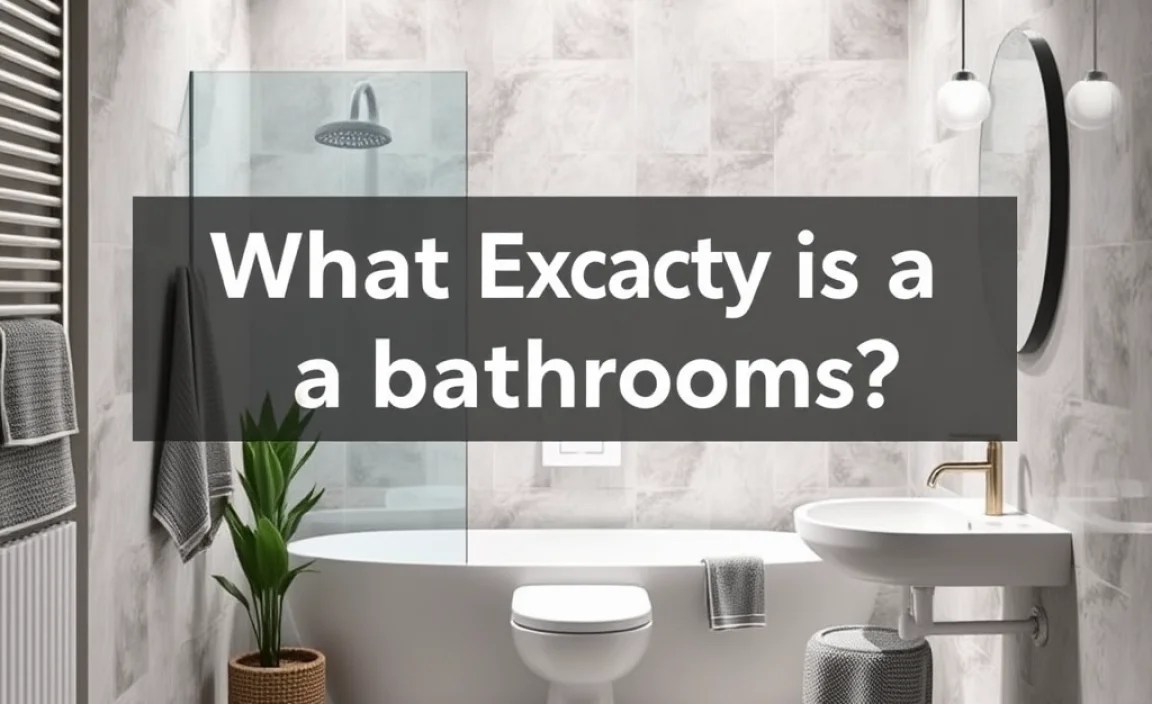
At its heart, a bathroom is a room primarily designed for personal hygiene activities. Think of it as your home’s dedicated space for washing, grooming, and using the toilet. While the exact setup can vary greatly from one home to another, there are a few key components that typically make a room a “bathroom.”
The most common definition includes the presence of at least a toilet and a sink (also known as a washbasin). Many bathrooms also feature a bathtub and/or a shower – these are often grouped together as bathing facilities. Understanding these core elements helps when discussing different types of bathrooms or planning renovations.
Why Understanding Your Bathroom Matters
Why is such a basic definition important? For DIYers and homeowners, understanding the functional definition of a bathroom is the first step in many tasks. When you’re troubleshooting a plumbing issue, looking for a specific fixture to replace, or planning a renovation, knowing you’re working within a space defined by its sanitary purpose is crucial. It helps you identify where the water sources are, where the drainage systems are located, and what types of fixtures you’re dealing with.
For example, if a plumber or contractor refers to a “three-fixture bathroom,” you’ll know they’re talking about a space with a toilet, sink, and a bath or shower. This clear understanding prevents miscommunication and ensures everyone is on the same page, saving you time and potential headaches.
The Essential Components of a Bathroom
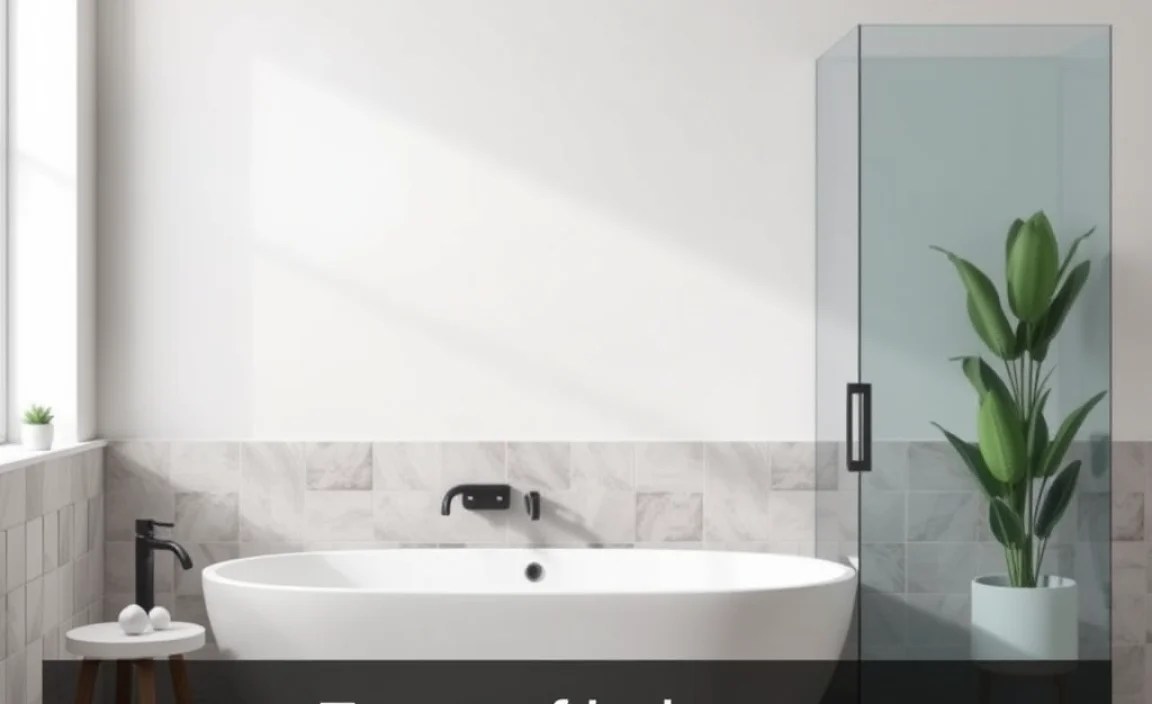
While the definition is simple, the components can be more varied. Let’s break down the most common fixtures you’ll find in a bathroom:
1. The Toilet (Water Closet)
This is perhaps the most defining fixture of any bathroom. Its primary function is waste disposal. Toilets come in various styles, including:
- Elongated vs. Round Bowls: Elongated bowls are generally more comfortable and offer a larger surface area. Round bowls are more compact, making them suitable for smaller bathrooms.
- Tank vs. Tankless: Most toilets have a tank that stores water for flushing. Tankless toilets are less common in residential settings and use a high-pressure flush system, often found in public restrooms.
- One-Piece vs. Two-Piece: Two-piece toilets have separate tanks and bowls, while one-piece toilets integrate them into a single unit, which can be easier to clean but heavier to install.
2. The Sink (Washbasin)
The sink is essential for handwashing, face washing, and brushing teeth. There are many types of sinks, each affecting the look and functionality of your bathroom:
- Pedestal Sinks: A classic choice where the basin sits atop a slender pedestal, great for smaller spaces as they don’t take up much floor area.
- Vanity Sinks: These are integrated into a cabinet or countertop, offering valuable storage space underneath. They can be undermount (mounted below the counter) or drop-in (rim sits on top of the counter).
- Wall-Mounted Sinks: These are attached directly to the wall, offering a minimalist look and making it easy to clean the floor beneath.
- Vessel Sinks: These basins sit entirely on top of the countertop, creating a distinctive, spa-like appearance.
3. Bathing Facilities: The Bathtub and Shower
These fixtures are dedicated to washing the body. It’s common to find one, both, or even just one combined into a single unit.
Bathtubs
Bathtubs are designed for soaking and offer a more relaxed bathing experience. Common types include:
- Alcove Tubs: Installed in a three-walled recess, typically with a shower curtain or shower door. This is the most common type of tub in standard bathrooms.
- Drop-In Tubs: These are installed within a framed deck or platform, similar to how a drop-in sink is installed.
- Freestanding Tubs: These tubs stand alone, not enclosed by walls, offering a luxurious and statement-making aesthetic. They require plumbing to be run to their specific location.
- Undermount Tubs: Installed beneath a stone or tile deck, providing a sleek and seamless look.
Showers
Showers provide a quicker way to wash and are essential for many. They can be:
- Shower Stalls: These are typically enclosed spaces with a dedicated shower base and walls. They can feature a shower head, a handheld showerhead, or multiple body jets.
- Tub/Shower Combos: The most space-saving option, combining a bathtub with a showerhead and controls on the wall, often enclosed with a curtain or glass door.
- Walk-in Showers: These are curbless or have a very low threshold and are often larger, providing easy accessibility. They are popular in master bathrooms and for aging-in-place designs.
4. Faucets and Fixtures
Faucets are the controls for water flow at your sink and bath/shower. These can range from simple single-handle mixers to more complex setups with separate hot and cold controls. Shower controls, diverters (to switch between tub spout and showerhead), and other water delivery mechanisms fall under this category as well. The type and style of faucet can significantly impact the overall look and feel of your bathroom.
5. Lighting and Ventilation
While not ‘fixtures’ in the same way as a toilet or sink, proper lighting and ventilation are critical to a functional bathroom:
- Lighting: Adequate lighting is essential for tasks like grooming and cleaning. This typically includes overhead lighting and task lighting around the mirror.
- Ventilation: A bathroom exhaust fan or a window is crucial for removing moisture and odors. This helps prevent mold and mildew growth, protecting your walls, ceiling, and overall bathroom structure. Researching proper ventilation can be key to the longevity of your bathroom’s finishes. The EPA provides excellent resources on the importance of indoor air quality, including ventilation.
Types of Bathrooms: Beyond the Basic

Not all bathrooms are created equal. Understanding different configurations can be helpful when planning purchases or renovations:
Full Bathroom
This is what most people imagine when they think of a bathroom. It contains all four major components: a toilet, a sink, a bathtub, and a shower. Sometimes, the tub and shower are combined into one unit.
Three-Quarter Bathroom
A three-quarter bathroom includes a toilet, a sink, and one bathing facility – either a shower OR a bathtub. These are often found in guest rooms or smaller homes where space is limited.
Half Bathroom (Powder Room)
A half bathroom, often called a powder room, is the most basic setup. It typically contains only a toilet and a sink. These are usually located on the main floor of a home for guest convenience and are not equipped for full bathing.
En Suite Bathroom
An en suite bathroom is a bathroom attached directly to a bedroom. It provides private access to bathing and toilet facilities, typically enjoyed by the occupants of that bedroom. These can range from a simple half-bath to a luxurious full spa experience.
Materials and Finishes in a Bathroom

Beyond the fixtures, the materials used in a bathroom are important for durability, aesthetics, and maintenance. Here’s a look at common ones:
Flooring
Bathroom floors need to withstand moisture and be easy to clean.
- Ceramic and Porcelain Tiles: These are the most popular choice due to their durability, water resistance, and vast design options. Porcelain is denser and less porous than ceramic, making it even more water-resistant.
- Vinyl Flooring: A more budget-friendly option that is water-resistant and comes in various styles, including planks that mimic wood or stone.
- Natural Stone Tiles: Such as marble, granite, or travertine. These offer a luxurious look but can be more expensive and require sealing to protect against moisture and stains.
- Water-Resistant Laminate: Modern laminate flooring can be designed for high-moisture areas, offering a wood-like appearance without the vulnerability of real wood.
Walls
Wall materials need to handle humidity and potential splashes.
- Tiles: Often used in shower areas and as backsplashes, offering excellent water protection and design flexibility.
- Water-Resistant Paint: Specially formulated paints designed for bathrooms and kitchens can resist moisture and mildew.
- Wall Panels: Materials like PVC or composite panels can offer a seamless, waterproof solution, especially for shower surrounds.
Countertops
Countertops should be durable and easy to clean.
- Laminate: An affordable and versatile option, available in many colors and patterns.
- Solid Surface (e.g., Corian): Non-porous, seamless, and repairable, offering a modern look.
- Granite and Marble: Natural stones that add elegance but require sealing.
- Quartz: Engineered stone that is highly durable, non-porous, and available in a wide array of designs.
Tools of the Trade: Essential for Bathroom DIY
While this guide focuses on definition, knowing the basic tools can be handy for understanding maintenance. For most simple bathroom tasks, you might need:
- Adjustable wrench
- Plumber’s putty / Pipe thread tape
- Screwdriver set (Phillips and flathead)
- Pliers (slip-joint and needle-nose)
- Caulking gun
- Utility knife
- Bucket and towels (for catching water)
- Safety glasses and gloves
For more complex plumbing work, specialized tools like a pipe wrench or a basin wrench might be necessary. Always prioritize safety. When in doubt about a repair, consult a professional. For a comprehensive list of basic home repair tools, resources like This Old House offer great guidance.
Understanding Bathroom Plumbing Basics
A bathroom is a complex system of water supply and drainage. Here’s a simplified look at how it works:
Water Supply
Fresh water enters your bathroom through pipes connected to your home’s main water line. These lines lead to your fixtures – the toilet tank, the sink faucet, and the shower/tub valve. Valves on these lines allow you to shut off water to specific fixtures or the entire house in an emergency.
Drainage and Venting
Once water is used, it needs to go somewhere. All your bathroom fixtures are connected to a drainpipe. These pipes carry wastewater away from your home and into the sewer system or septic tank. A crucial part of this system is the vent pipe. The vent pipe allows air into the drainage system, preventing vacuum locks and ensuring that wastewater flows smoothly. Without proper venting, you can experience gurgling sounds, slow drains, and unpleasant odors backing up into your bathroom. You can often see vent pipes exiting through the roof of your home.
Traps
You’ll notice that sinks, showers, and tubs all have a U-shaped pipe section. This is a P-trap (or J-trap), and it’s a vital component. It holds a small amount of water, creating a seal that prevents sewer gases from entering your home through the drain. This is a simple yet incredibly effective part of your bathroom’s plumbing.
Table: Common Bathroom Fixture Sizes (Approximate)
Knowing approximate dimensions can help when planning layouts or purchasing replacement fixtures.
| Fixture | Typical Width | Typical Depth | Typical Height |
|---|---|---|---|
| Standard Toilet Bowl (Elongated) | ~18 inches | ~29 inches | ~16.5 inches (bowl height) |
| Standard Toilet Bowl (Round) | ~17 inches | ~27 inches | ~16 inches (bowl height) |
| Standard Sink (Vanity Top) | ~19-25 inches | ~16-22 inches | Varies with vanity |
| Alcove Bathtub | ~30-32 inches | ~60 inches | ~14-20 inches |
| Standard Shower Base | ~30-36 inches | ~30-36 inches | ~6-10 inches |
Note: These are approximate dimensions. Always measure the specific space and fixture you intend to purchase, as sizes can vary significantly by model and manufacturer. Building codes also dictate minimum clearance distances around fixtures for safety and accessibility.
Bathroom Maintenance: Simple Tips for Beginners
Once you understand what makes a bathroom, you can better care for it:
Regular Cleaning
This is the most straightforward way to keep your bathroom in good condition. Use appropriate cleaners for different surfaces (tiles, porcelain, sinks, countertops) to avoid damage. Pay special attention to grout lines and shower doors where mold and mildew can thrive.
Checking for Leaks
Periodically check under sinks and around the base of the toilet for any signs of moisture or drips. Even small leaks can lead to significant water damage and mold growth over time. A simple visual inspection can save you a lot of trouble.
Maintaining Drains
Prevent clogs by using drain strainers to catch hair and debris. If you notice slow drains, a mixture of baking soda and vinegar followed by hot water can often help clear minor blockages. For persistent clogs, a plunger or a drain snake might be needed.
Ventilation is Key
Always run your bathroom fan during and for about 15-20 minutes after showering/bathing. If you don’t have a fan, open a window if possible. This helps remove moisture and prevents damage to paint, drywall, and grout.
Understanding the basic definition and components of your bathroom empowers you to perform simple upkeep and communicate effectively with professionals. This foundational knowledge is the first step towards mastering more complex DIY projects around your home.
Frequently Asked Questions (FAQ)
Q1: What is the most basic requirement for a room to be called a bathroom?
The most basic requirement for a room to be considered a bathroom is the presence of a toilet for waste disposal. Many definitions also include a sink/washbasin for handwashing.
Q2: What’s the difference between a full bathroom and a half bathroom?
A full bathroom typically includes a toilet, sink, bathtub, and shower. A half bathroom (powder room) usually only contains a toilet and a sink.
Q3: Why is a P-trap important in bathroom plumbing?
The P-trap is a U-shaped pipe that holds water, creating a seal that prevents unpleasant and potentially harmful sewer gases from entering your home through the drain.
Q4: What are the best flooring options for a bathroom and why?
Ceramic and porcelain tiles are excellent choices due to their high water resistance, durability, and ease of cleaning. Vinyl and natural stone tiles are also popular, each with different benefits regarding cost and aesthetics.
Q5: How can I prevent mold and mildew in my bathroom?
Proper ventilation is key. Use your exhaust fan during and after showers/baths, or open a window if you don’t have one. Regularly cleaning surfaces, especially grout lines, also helps.
Q6: What is an “en-suite” bathroom?
An en-suite bathroom is a bathroom that is directly attached to a bedroom, offering private access for the occupants of that room.
Q7: Is it safe to wash clothes in the bathroom sink?
While you can wash small items in a bathroom sink, it’s not designed for more significant laundry tasks. The plumbing in sinks is sized for lighter use, and the water flow.
