
Your bathroom’s layout can be frustrating! This article explores clever ways to improve bathroom function, offering smart alternatives to common setup issues. We’ll guide you through simple, effective solutions to make your bathroom more practical and enjoyable, saving you time and hassle.
Ever feel like your bathroom is working against you? Maybe the door hits the toilet, or there’s never enough counter space. These little annoyances can really add up, making a simple morning routine feel like a daily chore. But don’t worry! You don’t need a major renovation to fix these common bathroom function problems. This guide is here to help you discover ingenious, beginner-friendly solutions that will transform your bathroom into a space that works for you, not against you. We’ll cover everything from smart storage hacks to creative fixture placement, making your bathroom a much happier place.
Understanding Bathroom Functionality: What Works and What Doesn’t
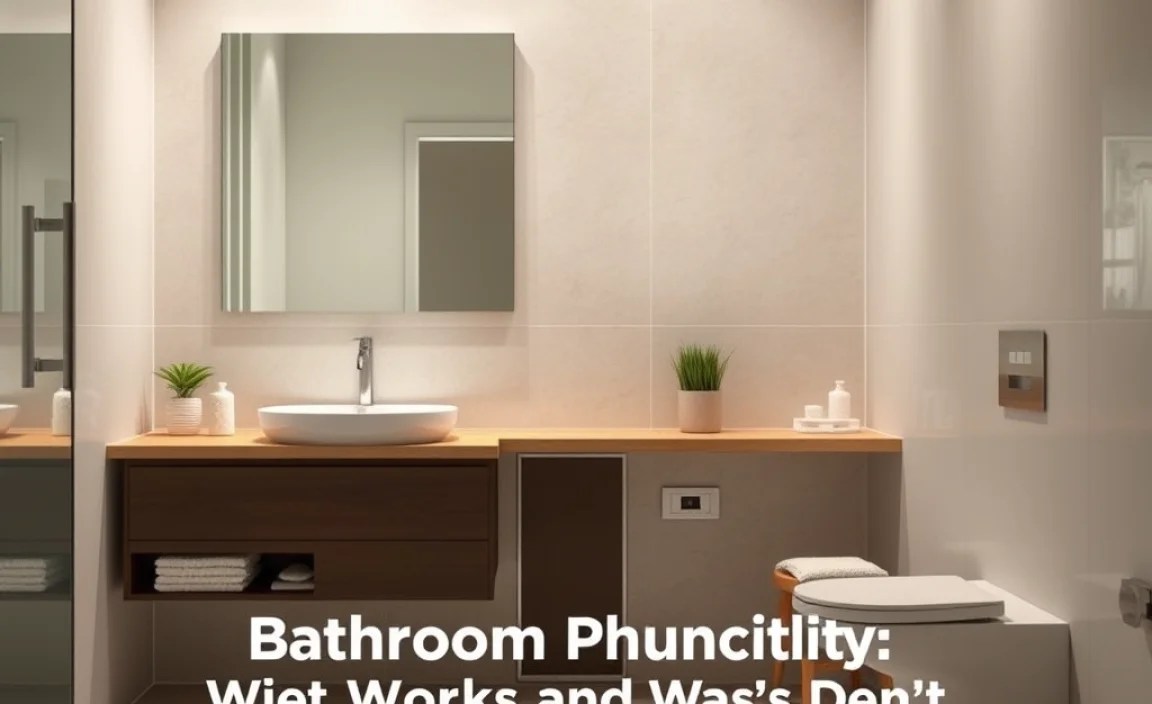
Before we dive into solutions, let’s think about what “function” means in a bathroom. It’s all about efficiency, comfort, and safety. A well-functioning bathroom allows you to move freely, access everything you need easily, and perform daily tasks without awkward contortions or frustration. When “bathroom function vs alternative” becomes a question, it usually means the current setup isn’t hitting the mark.
Common issues often stem from:
- Limited Space: Many bathrooms, especially in older homes, are compact. This can lead to a feeling of being cramped.
- Awkward Layouts: Doors, windows, and plumbing can sometimes be placed in ways that hinder movement or the installation of desired fixtures.
- Inadequate Storage: Not enough places to put towels, toiletries, or cleaning supplies can lead to clutter, which directly impacts usability.
- Poor Lighting: Dim or poorly placed lights make it hard to see and can affect the overall feel and safety of the room.
- Outdated Fixtures: Old toilets, sinks, or showers might be inefficient, hard to clean, or simply not fit for modern needs.
The good news is that small changes can make a big difference. We’re going to explore creative alternatives that maximize your bathroom’s potential without needing a sledgehammer.
Genius Bathroom Alternatives: From Clutter to Calm

Let’s get to the solutions! These ideas focus on improving the core functions of your bathroom: storage, accessibility, and overall flow. We aim for simple fixes that beginners can tackle with a little effort and the right tools.
Smart Storage Solutions: Reclaiming Lost Space
Clutter is the enemy of a functional bathroom. Too many products on the counter or a lack of linen space can make even a spacious room feel chaotic. Here are some smart alternatives to traditional storage woes:
1. Vertical Storage: Think Up!
When floor space is limited, look to the walls. Installing shelves or cabinets higher up can free up valuable floor area and keep necessities within reach.
- Over-the-Toilet Shelving Units: These are fantastic for adding storage without taking up extra floor space. They come in various styles, from simple metal racks to more decorative wood units. Look for ones that are easy to assemble and secure to the wall for safety.
- Floating Shelves: Install these above vanities, doors, or even in corners. They offer a sleek, modern look and are perfect for displaying decorative items or storing frequently used small items like hand soap or a spare toothbrush. When installing, always use a level to ensure they are straight and secure.
- Wall-Mounted Cabinets: A classic for a reason. These can house anything from medications to cleaning supplies, keeping them out of sight and organized.
2. Behind-the-Door Storage
The back of the bathroom door is often overlooked real estate. Consider these options:
- Over-the-Door Organizers: Perfect for towels, toiletries, or even cleaning supplies. Many come with pockets or hooks.
- Hanging Rods/Hooks: Install a simple rod or a few sturdy hooks for robes, towels, or laundry bags.
3. Under-Sink Optimization
The area beneath your sink can be a black hole. Use organizers to make it useful.
- Stackable Drawers or Bins: These allow you to create multiple levels of storage, making it easy to access items at the back.
- Lazy Susans: Perfect for organizing bottles and jars. A quick spin brings what you need to the front.
4. Niche Storage
If you’re planning a shower upgrade or have a suitable wall, consider creating a shower niche. This is a recessed shelf built into the wall, perfect for shampoo bottles and soaps. It adds a built-in, streamlined look and saves space in the shower.
Improving Bathroom Flow and Accessibility
A bathroom needs to be easy to navigate. When movement is restricted, it’s not just inconvenient, it can be a safety hazard, especially for children or the elderly. Let’s look at improving the flow and making your bathroom more accessible.
1. Door Swings and Placement
This is a classic “bathroom function vs alternative” scenario. If your door opens inwards and immediately bumps into a fixture or makes entering difficult, consider these alternatives:
- Rehang the Door: Can the door be rehung to swing outwards? This is a significant change but can dramatically improve internal space. Ensure local building codes allow for outward-swinging bathroom doors for safety.
- Pocket Doors: A pocket door slides into a cavity within the wall, disappearing completely when open. This is a more involved renovation but offers the ultimate space-saving solution.
- Sliding Barn Doors: While more decorative, they also save internal space by sliding along the exterior of the wall.
- Adjust Door Stops: Sometimes, a simple door stop installed in the right place can prevent the door from hitting fixtures, preserving the existing swing while preventing damage.
2. Shower Over Tub vs. Separate Shower/Tub
Many bathrooms feature a shower-over-tub combination. While space-saving, it’s not always the most comfortable or accessible. Depending on your needs and space, alternatives include:
- Walk-in Shower: Especially beneficial for those with mobility issues. You can opt for a curbless design for even easier access.
- Freestanding Tub: If space allows and a luxurious soak is a priority, a freestanding tub can be a beautiful focal point.
3. Toilet Placement and Type
The standard toilet placement is usually dictated by plumbing. However, in some cases, minor adjustments or choosing a different type of toilet can improve space and function.
- Compact Toilets: For very small bathrooms, consider a compact or “short” toilet, which has a smaller tank and footprint.
- Corner Toilets: Less common, but an option for unusual layouts where a standard toilet just won’t fit well.
Lighting and Ventilation: Enhancing the Experience
These elements are crucial for both function and comfort, yet often overlooked when considering “bathroom function vs alternative.”
1. Lighting
Good lighting makes a bathroom feel larger, cleaner, and safer. Upgrade from a single overhead bulb to a more functional system.
- Task Lighting: Install sconces on either side of the vanity mirror. This illuminates your face evenly for grooming tasks.
- Ambient Lighting: A dimmer switch on your main light can adjust the mood.
- Natural Light: If you have a window, keep it clear and consider using frosted glass or blinds for privacy without sacrificing light.
2. Ventilation
Proper ventilation is key to preventing mold and mildew. An efficient exhaust fan is vital. Consider upgrading to a quieter, more powerful model, ideally one that can be controlled by a timer or humidity sensor.
For more information on ventilation best practices, the U.S. Department of Energy offers excellent tips.
Creative Fixture Alternatives
Sometimes, the existing fixtures are the problem. Let’s explore some creative swaps that can redefine bathroom function.
1. Vanity Solutions
Beyond standard vanities, consider these alternatives:
- Pedestal Sink: Great for very small bathrooms where a full vanity isn’t feasible. They take up minimal space but offer little to no storage.
- Wall-Mounted Sink: Similar to a pedestal sink in space-saving, but offers a cleaner, more modern look and can be installed at a custom height.
- Console Sink: A sink with legs, often with a shelf below. It’s more open than a vanity, offering a lighter feel.
- Floating Vanities: These are mounted to the wall, leaving the floor exposed. This creates a sense of more space and makes cleaning easier.
2. Shower Doors vs. Curtains
This is a common battleground for aesthetics and practicality.
- Curved Shower Rods: These extend the shower curtain outwards into the shower space, giving you more room to move around inside. It’s a simple, affordable tweak.
- Glass Enclosures: While an investment, frameless glass enclosures create a more open feel and can make a small bathroom look larger. Keep them clean to maintain their aesthetic.
- Shower Curtains: Modern shower curtains can be stylish and are the most budget-friendly option. Look for mildew-resistant materials and consider a liner.
DIY Steps for Implementing Bathroom Functionality Upgrades
Let’s break down a couple of common, beginner-friendly DIY projects that can significantly improve bathroom function.
Project 1: Installing Over-the-Toilet Shelving
Tools and Materials You’ll Need:
- Over-the-toilet shelving unit
- Measuring tape
- Pencil
- Stud finder
- Drill with appropriate drill bits
- Screwdriver (or drill bit)
- Level
- Safety glasses
- Wall anchors (if not mounting into studs)
Step-by-Step Guide:
- Measure Carefully: Check the height of your toilet tank and the available space above it. Ensure the shelving unit will fit without obstructing the toilet lid.
- Assemble the Unit: Follow the manufacturer’s instructions to assemble the shelving unit.
- Locate Studs: Use a stud finder to locate wall studs behind where you plan to mount the shelving. Mounting into studs provides the most secure support.
- Mark Mounting Points: Hold the assembled unit (or its mounting bracket) against the wall at the desired height. Use a level to ensure it’s straight. Mark the screw hole locations on the wall.
- Drill Pilot Holes: If mounting into studs, drill pilot holes at your marked locations that are slightly smaller than your screws. If not mounting into studs, drill holes appropriate for your wall anchors and insert the anchors.
- Attach the Shelving Unit: Align the shelving unit with the pilot holes/anchors. Secure it to the wall using the provided screws.
- Check Stability: Gently pull on the unit to ensure it’s firmly attached.
Project 2: Installing a Floating Shelf for Added Storage
Tools and Materials You’ll Need:
- Floating shelf kit (shelf and mounting hardware)
- Measuring tape
- Pencil
- Stud finder
- Drill with appropriate drill bits
- Level
- Safety glasses
- Wall anchors (if needed)
Step-by-Step Guide:
- Determine Placement: Decide where you want the shelf. Consider what you will store on it and what will be visible.
- Locate Studs: Use a stud finder to find studs in your chosen wall location. Floating shelves are most secure when attached to studs.
- Mark Mounting Bracket Position: Hold the shelf’s mounting bracket against the wall at the desired height. Use a level to ensure it’s perfectly straight. Mark the screw hole locations.
- Install the Mounting Bracket: If possible, screw the bracket directly into the wall studs. If you cannot hit studs for all mounting points, use appropriate heavy-duty wall anchors for the remaining holes. Make sure the bracket is perfectly level before fully tightening the screws.
- Slide the Shelf On: Most floating shelves have rods or mechanisms that slide into holes on the back of the shelf. Slide the shelf onto the bracket until it sits flush against the wall.
- Secure if Necessary: Some systems have set screws underneath the shelf to lock it onto the bracket; tighten these if applicable.
Always refer to the specific instructions that come with your shelving kit, as designs can vary. For more complex installations or if you are unsure about any step, consulting a professional is always a great option.
Table: Pros and Cons of Common Bathroom Layout Alternatives
Choosing the right alternative depends on your priorities. Here’s a quick comparison:
| Solution Type | Pros | Cons | Best For |
|---|---|---|---|
| Over-the-Toilet Shelving | Maximizes vertical space; Relatively inexpensive; Easy to install | Can look cluttered if not organized; May obstruct access to toilet tank | Small bathrooms; renters; budget-conscious |
| Pocket Door | Saves significant interior space; Sleek and modern appearance; Improved flow | Requires significant wall modification; Can be expensive; Repairs can be complex | Maximizing space in small bathrooms; new builds or major renovations |
| Walk-in Shower (Curbless) | Excellent accessibility; Modern aesthetic; Can make space feel larger | Requires professional installation; potential for water splash if not designed well; needs proper waterproofing | Accessibility needs; modernizing; larger bathrooms |
| Pedestal Sink | Space-saving; Classic aesthetic; Inexpensive | No storage or counter space; can be difficult to clean behind | Powder rooms; very small bathrooms; minimalist style |
| Floating Vanity | Creates sense of space; Easy to clean floor; Modern look | Limited storage compared to full vanities; requires secure wall mounting; can be pricier | Modernizing; making small bathrooms feel larger; easy cleaning |
Frequently Asked Questions (FAQ)
Q1: My bathroom door opens inwards and bumps into the vanity. What’s an easy fix?
A: If re-hanging the door isn’t an option, a simple and effective fix is to install a door stop. This can be a rubber bumper attached to the baseboard or wall at the point where the door would hit, or a specialized door stop that mounts to the hinge to limit the door’s swing. Ensure it’s placed so the door can open enough to be useful without causing damage.
Q2: I have very little storage. What’s the most beginner-friendly way to add more?
A: Vertical storage is your best friend! Installing an over-the-toilet shelving unit is usually straightforward and makes a big difference. Floating shelves above the toilet or on a free wall are also excellent options, and many come with easy-to-follow installation kits.
Q3: How can I make my small bathroom feel bigger?
A: Light colors, good lighting, and smart storage are key. Opt for a floating vanity to expose more floor space, use mirrors strategically, and choose a shower curtain rod that extends outwards to give you more room in the shower. Ensure the space is clutter-free. Even a simple update to LED lighting can brighten and enlarge the perception of space.
Q4: Is it hard to install a shower curtain rod?
A: Most shower curtain rods are quite easy to install. Tension rods simply twist to expand and grip the walls, requiring no tools. Wall-mounted rods usually require drilling into the wall and securing with screws, often into studs or using wall anchors. Always follow the manufacturer’s instructions.
Q5: What’s the difference between a vanity and a pedestal sink?
A: A vanity is a cabinet with a sink basin built into it, offering storage space below. A pedestal sink has a basin that sits atop a pedestal leg, with no storage beneath. Pedestal sinks are more space-saving but offer no room for toiletries.
Q6: How can I improve my bathroom’s ventilation without major work?
A: Ensure your existing exhaust fan is working efficiently. If it’s old or noisy, consider replacing it with a newer, more powerful, and quieter model.
