
Understanding bathroom plumbing terms doesn’t have to be overwhelming. This glossary breaks down common plumbing jargon into simple definitions, empowering you to confidently tackle DIY projects, communicate effectively with professionals, and keep your bathroom running smoothly.
Ever stared at a plumbing diagram or listened to a plumber and felt completely lost? You’re not alone! The world of bathroom plumbing is full of specific terms that can sound like a foreign language. From ‘aerator’ to ‘trap,’ these words are essential for understanding how your bathroom works and for tackling any DIY tasks. But don’t worry, it’s easier than you think!
This guide is designed to demystify those confusing terms. We’ll break down the most common bathroom plumbing vocabulary into bite-sized, easy-to-understand explanations. By the end, you’ll feel much more confident when talking about your bathroom’s pipes, fixtures, and any fixes you might need.
Let’s dive in and make your bathroom plumbing knowledge crystal clear!
Understanding Your Bathroom Plumbing: A Beginner’s Essential Glossary


Navigating the world of bathroom maintenance can feel like deciphering a secret code, especially when plumbing is involved. But knowing even a few key terms can make a huge difference. Whether you’re trying to fix a leaky faucet, understand a repair quote, or simply want to feel more in control of your home, this glossary is your go-to resource. We’ve compiled the most common and crucial bathroom plumbing terms, explained in plain English, so you can master them with ease.
Think of this as your personal plumbing dictionary. We’ll cover everything from the parts of your toilet to the pipes that supply water and drain waste. By understanding these terms, you’ll be better equipped to identify issues, communicate effectively with plumbers, and even take on simple DIY repairs yourself.
Let’s get started by looking at some of the most vital components in your bathroom’s plumbing system.
Water Supply and Fixtures: The Lifeblood of Your Bathroom
Your bathroom relies on a network of pipes to deliver clean water and remove wastewater. Understanding the names of the fixtures and the parts involved in water delivery is the first step to plumbing literacy.
- Faucet (Tap): This is the fixture that controls the flow of water to your sink, shower, or bathtub. You’ll find different types, like single-handle, double-handle, and even touchless options.
- Aerator: Located at the tip of most sink faucets, this small screen mixes air with water to reduce splashing and conserve water. If your faucet spray is weak, a clogged aerator might be the culprit.
- Cartridge: Inside many modern faucets, the cartridge is a valve that controls the water flow and temperature. If your faucet drips, it might be a sign that the cartridge needs replacement.
- Valve: A valve is a device that regulates, directs, or controls the flow of a fluid (like water) by opening, closing, or partially obstructing passageways. Every fixture in your bathroom has a shut-off valve associated with it for repairs.
- Shut-off Valve: This is a crucial valve, usually located near the fixture it serves (e.g., under the sink or behind the toilet), that allows you to turn off the water supply to that specific fixture without shutting off water to the entire house.
- Supply Lines: These are flexible hoses or rigid pipes that connect your fixtures (like the toilet tank or sink faucet) to the main water supply valves.
- Water Heater: While often located elsewhere in the house, the water heater is essential for providing hot water to your shower, tub, and faucets.
- Pressure-Balancing Valve: Commonly found in shower or tub controls, this valve automatically adjusts water flow to prevent sudden temperature changes (like a scalding blast of hot water) if someone flushes a toilet or turns on another faucet elsewhere.
- Shower Head: The component that disperses water in a shower. They come in various types, including fixed, handheld, and rain shower heads.
- Shower Arm: The pipe that connects the shower head to the water supply within the wall.
- Spout: The opening from which water flows from a faucet into a sink or tub.
Drainage System: Keeping Your Bathroom Clean
The drainage system is responsible for safely carrying wastewater away from your bathroom and out of your home. It’s a clever system that relies on gravity and specific components to work efficiently.
- Drain: The opening in a sink, tub, or shower that allows water to flow out.
- Drain Pipe: The pipes that carry wastewater from your fixtures to the main sewer line.
- P-Trap: This U-shaped pipe section is located beneath sinks and tubs. Its primary function is to hold a small amount of water, creating a seal that prevents sewer gases from rising up through the drain and into your bathroom. This is a super important part to understand!
- S-Trap: Similar to a P-trap but creates an ‘S’ shape. Modern building codes often prefer P-traps for better drainage and to avoid “siphonage” issues where the water seal could be pulled out.
- Vent Pipe: These pipes run from your drainage system up through your roof. They allow air into the system, which is crucial for proper drainage. Without vents, the negative pressure created as water flows down a drain could cause slow draining or even siphon water out of P-traps. You can often see them sticking up from roofs as small cylindrical pipes. For more on plumbing vents, check out this informative article from the International Code Council (ICC).
- Cleanout: A capped opening in the drainage system that allows access for cleaning out blockages. These are often found under sinks, behind toilets, or in the basement/crawl space.
- Septic System: If your home isn’t connected to a municipal sewer system, you’ll have a septic tank and drain field to treat wastewater on your property.
Toilet Components: The Heart of the Bathroom
The toilet is a complex yet fascinating piece of plumbing. Understanding its parts can make fixing common issues much easier.
- Tank: The upper portion of the toilet that holds water for flushing. Inside, a mechanism called the flush valve releases the water into the bowl.
- Bowl: The lower, basin-like part of the toilet where waste is collected before being flushed away.
- Toilet Seat: The removable lid and ring that sits on top of the bowl.
- Toilet Seat Hinges: The mechanism that attaches the seat to the bowl, allowing it to be lifted and lowered.
- Flapper: A rubber or plastic seal inside the tank that lifts to allow water to flow into the bowl during a flush and then reseals the tank when the flush is complete. A worn-out flapper is a common cause of constantly running toilets.
- Flush Valve: The assembly at the bottom of the tank that the flapper seals against. When activated, it opens to allow the tank’s water to rush into the bowl.
- Fill Valve (Ballcock): This mechanism controls the refilling of the toilet tank after a flush. It also shuts off the water supply when the tank is full. Older models use a float ball; newer ones often have a float cup.
- Handle Lever: The exterior lever that you push or pull to activate the flushing mechanism.
- Chain or Linkage: Connects the handle lever to the flapper, lifting the flapper when the handle is pressed.
- Water Line: The mark inside the toilet bowl indicating the normal water level.
- Siphon Jet: A small hole at the bottom of the toilet bowl that helps to initiate the siphoning action required for a powerful flush.
- Trapway: The internal S-shaped passage within the toilet bowl that carries waste from the bowl to the drain pipe.
Common Plumbing Issues and Their Terms
Knowing the names of common problems can help you diagnose and describe them accurately.
| Term | Meaning | Why it Matters |
|---|---|---|
| Leak | An unintended escape of water from pipes, fixtures, or connections. | Can waste water, cause water damage, and lead to mold growth. Even a small drip can be costly over time. |
| Drip | A very small, slow leak, often from a faucet or pipe connection. | Annoying sound and wasted water. Often caused by worn-out washers or seals. |
| Clog (Blockage) | An obstruction in a pipe that prevents water or waste from flowing freely. | Causes slow drains, backups, and potential overflow. Common in sinks, toilets, and showers. |
| Sewer Gas | Unpleasant and potentially harmful gases that can escape from the sewer system. | Responsible for foul odors. P-traps are designed to prevent this. If you smell them, check your P-traps or vent system. |
| Water Pressure | The force at which water is delivered to your fixtures. | Low pressure can make showers weak; excessively high pressure can damage pipes and fixtures. Test your water pressure with an inexpensive gauge found at hardware stores. |
| Backflow | The unwanted reversal of water flow in a plumbing system. | Can contaminate clean water supplies. Plumbing codes require backflow preventers in certain applications. |
| Siphonage | The pulling of liquid or gas through a pipe by suction. In plumbing, it can sometimes empty a P-trap, allowing sewer gases in. | Can be caused by improper venting or rapid draining. |
Understanding these common issues is the first step to preventing them or addressing them quickly when they arise.
Tools and Materials: What You Might Need
When you embark on a DIY bathroom plumbing project, having the right tools and materials makes all the difference. Here are some common terms you’ll encounter.
- Pipe Wrench: A robust adjustable wrench designed to grip and turn pipes and fittings. Essential for tightening or loosening threaded pipe connections.
- Plumber’s Tape (PTFE Tape or Teflon Tape): A flexible tape wrapped around threaded pipe connections to create a watertight seal. It helps to lubricate the threads, making them easier to tighten and loosen.
- Pipe Dope (Thread Sealant): A paste-like compound applied to threaded pipe connections to ensure a watertight seal. It’s often used in conjunction with or instead of plumber’s tape.
- PVC Cement: A solvent-based adhesive used to join PVC (polyvinyl chloride) pipes and fittings. It chemically welds the pipe and fitting together.
- Pliers: Various types of pliers are useful, including slip-joint pliers (for gripping and turning), tongue-and-groove pliers (for larger adjustments and grip), and needle-nose pliers (for reaching tight spots).
- Drain Snake (Auger): A long, flexible coil of wire used to clear clogs in drains. It can be manually operated or powered.
- Bucket: Always have a few buckets handy to catch water when disconnecting pipes or fixing leaks.
- Teflon-Coated Plumber’s Tape: A specific type of plumber’s tape that offers excellent sealing properties and is resistant to certain chemicals. For more on plumbing tools and their uses, consult resources like This Old House’s guide to basic plumbing tools.
Putting Your New Knowledge to Work
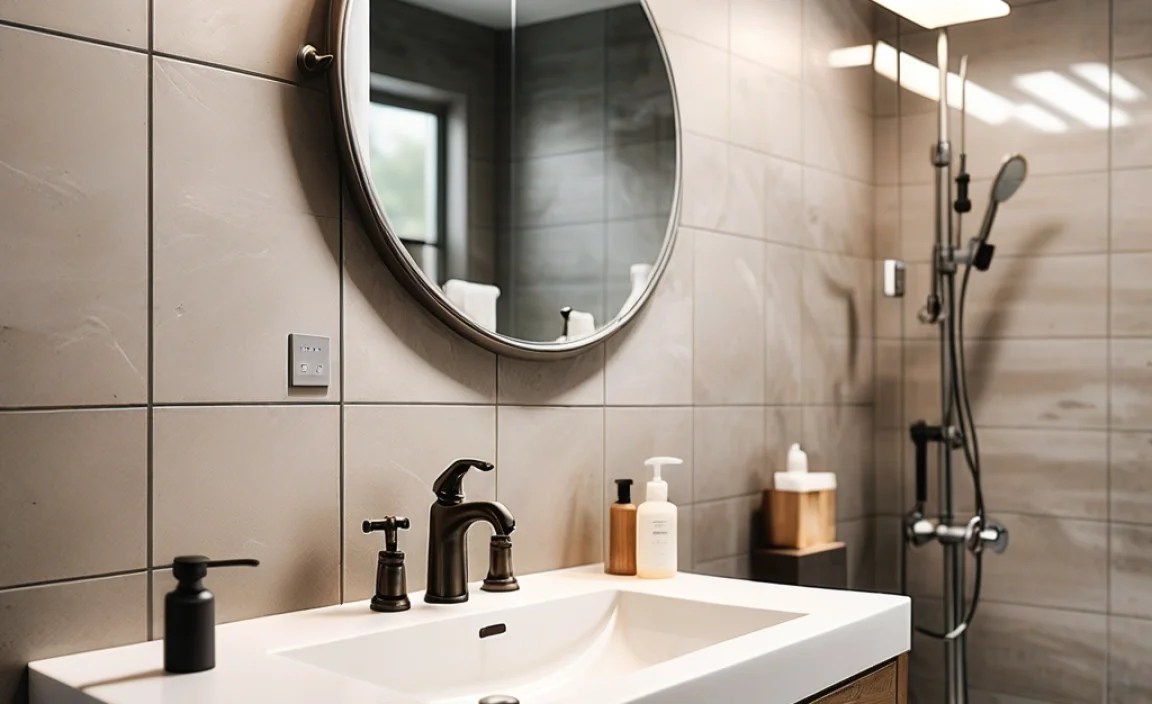
Now that you’re familiar with essential bathroom plumbing terms, you’re better equipped to handle common issues. For instance, if you notice a persistent drip from your faucet, you can now confidently identify that the issue might be with the faucet’s internal cartridge or seals. If you experience slow drains, you know to suspect a clog and that a P-trap might be involved, and that a drain snake could be a useful tool to try before calling a professional.
Understanding these terms also empowers you when speaking with a plumber. Instead of saying “my toilet is making a weird noise,” you can be more specific: “My toilet tank isn’t refilling properly after a flush, and I suspect the fill valve is malfunctioning.” This clarity helps them diagnose the problem faster and provides a more accurate estimate.
For minor tasks like replacing an aerator or tightening a loose supply connection, your new vocabulary can give you the confidence to tackle them yourself. Remember to always turn off the water supply using the appropriate shut-off valve before starting any work on a fixture, and keep a bucket handy!
Conclusion
Mastering bathroom plumbing terms is no longer a mystery. By familiarizing yourself with this glossary, you’ve taken a significant step towards demystifying your home’s plumbing system. You now understand the essential components that deliver water to your fixtures, whisk away waste, and keep your bathroom functioning smoothly. From the crucial P-trap that prevents unpleasant odors to the vital shut-off valves that give you control, you’re better equipped than ever.
This knowledge isn’t just for trivia; it’s for empowerment. It means you can have more informed conversations with plumbing professionals, making sure you understand their assessments and repairs. It means you can confidently take on simple DIY tasks like cleaning an aerator or replacing a worn flapper, saving time and money. Most importantly, it means you can identify potential problems before they escalate into costly disasters.
Keep this guide handy. Refer back to it whenever you encounter an unfamiliar term or are faced with a bathroom plumbing challenge. Armed with this essential vocabulary, you can approach your bathroom’s maintenance with newfound confidence and a clearer understanding, ensuring your home remains safe!
Frequently Asked Questions (FAQ)
Q1: What is the most common cause of a running toilet?
A1: The most frequent culprit is a faulty flapper. If the flapper seal is worn or not seating correctly, water will constantly leak from the tank into the bowl, causing the fill valve to repeatedly turn on to replenish the tank.
Q2: My sink is draining slowly. What should I do?
A2: First, check if the stopper is clogged. If not, you can try a drain snake or a mixture of baking soda and vinegar to clear a minor clog. If the problem persists, it might be a deeper blockage, and you may need to check the P-trap for obstructions or call a professional.
Q3: What does it mean if I smell sewer gas in my bathroom?
A3: This usually means the water seal in your P-trap has dried out or is being siphoned. This can happen if a fixture isn’t used regularly (allowing the trap to dry out) or if there’s an issue with your plumbing vents. Running water in the nearest drain for a minute or two can often reseal the trap. Persistent smells warrant professional inspection.
Q4: How do I know if my faucet’s aerator needs cleaning?
A4: If your faucet has weak water flow or a spray pattern that’s uneven or splattering excessively, the aerator is likely clogged with mineral deposits. You can usually unscrew it by hand or with pliers (use a cloth to protect the finish) and clean it with a brush or by soaking it in vinegar.
Q5: What’s the difference between a P-trap and an S-trap?
A5: Both are designed to hold water and prevent sewer gases from entering your home. A P-trap is shaped like a P and is considered more efficient and less prone to siphonage issues, which is why it’s standard in modern plumbing. An S-trap has an ‘S’ shape and is less common now due to potential issues with its water seal.
Q6: Why is my shower water temperature fluctuating wildly?
A6: This is often due to a pressure-imbalanced shower valve. These valves are designed to automatically adjust hot and cold water flow to maintain a consistent temperature. If it’s malfunctioning, you’ll experience sudden swings in temperature, especially when other water sources in the house are used.
Q7: Where are my bathroom’s shut-off valves usually located?
A7: For sinks, you’ll typically find two small valves (one for hot, one for cold water) connected to the supply lines underneath the sink. For toilets, there’s usually one valve located on the wall behind the toilet, connected to the supply line going to the tank.
