
Looking for the best single-stage 30-gallon air compressor? This guide simplifies your choice! Whether you need it for inflating tires, powering tools like nail guns and impact wrenches, or tackling DIY projects, a 30-gallon model offers a great balance of air storage and power for many home and garage tasks. We’ll help you find a reliable, efficient unit that fits your needs.
Hey there, DIYer! Are you tired of struggling with underpowered tools or waiting forever for your air compressor to catch up? It’s a common frustration when you’re in the middle of a project and your tools just don’t have the oomph they need. A good air compressor can be a total game-changer for your garage or workshop, making tasks like inflating tires, using nail guns, or even powering a paint sprayer much easier.
But with so many options out there, picking the right one can feel like a puzzle. Don’t worry, I’m here to help! We’ll walk through what makes a single-stage 30-gallon air compressor a solid choice for most at-home projects and how to find the perfect model for your toolbox. Get ready to feel confident about your next tool purchase!
Why a 30 Gallon Single-Stage Compressor?
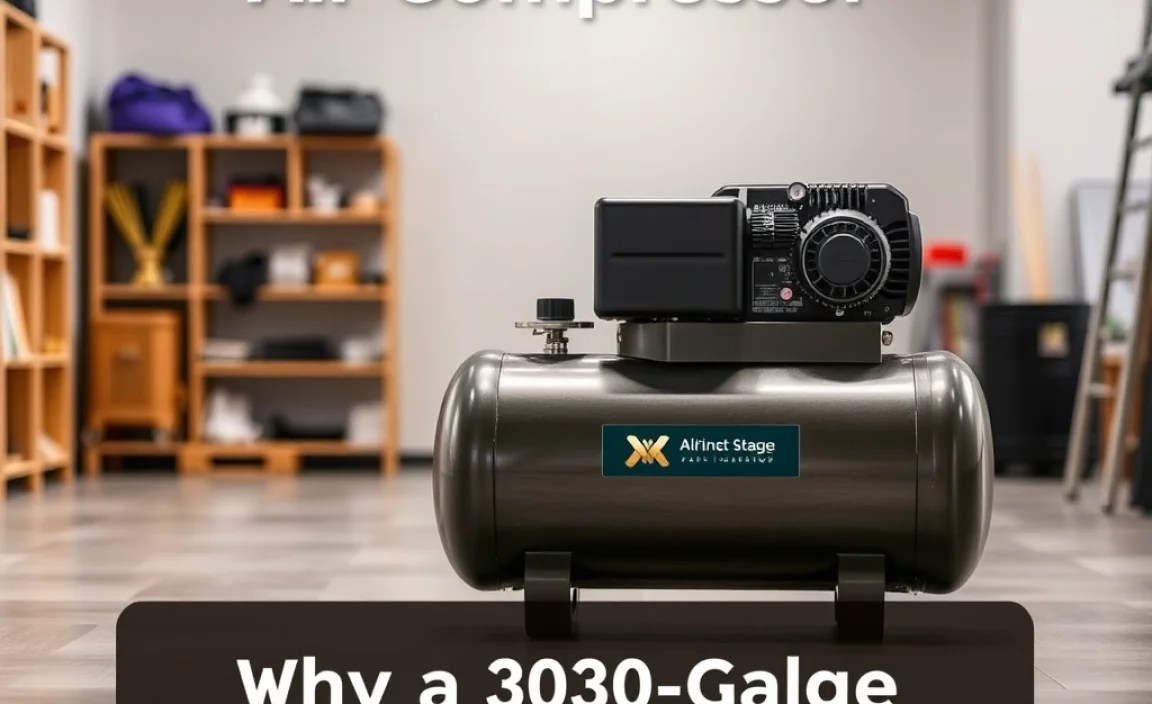
Let’s break down why a 30-gallon single-stage air compressor is often the sweet spot for home enthusiasts and DIYers. It hits that perfect balance between having enough air stored up for longer tasks and being compact enough for a typical garage or workshop.
Understanding Single-Stage
First off, “single-stage” means the compressor’s piston pumps air directly into the tank in one stroke. This is simpler, generally quieter, and less expensive than “two-stage” compressors, which compress air twice to achieve higher pressures. For most DIY tasks, a single-stage compressor provides plenty of power and airflow without the complexity or cost of a two-stage unit. Think of it as the reliable workhorse for everyday jobs.
The 30-Gallon Sweet Spot
The 30-gallon tank size is a real winner. Here’s why:
- More Run Time: A larger tank means the compressor cycles less often. This is crucial when you’re using tools that require a consistent air supply, like impact wrenches or sprayers. Instead of the motor kicking on every few seconds, you get a longer period of uninterrupted work.
- Handles More Tools: While still a single-stage, the 30-gallon tank can support a wider range of tools compared to smaller 10 or 20-gallon units. You can comfortably run a brad nailer, finish nailer, staple gun, and even some lighter-duty impact wrenches.
- Good Balance of Size and Power: It’s not so massive that it takes up your entire garage, but it’s substantial enough to provide the air you need. This makes it ideal for homeowners and hobbyists who value efficiency without a giant footprint.
Best Uses for Your 30-Gallon Compressor
A 30-gallon single-stage air compressor is incredibly versatile. It’s perfect for:
- Tire Inflation: Easily top off car, bicycle, and even truck tires.
- Nail Guns: Powering framing, finish, and brad nailers for woodworking, trim work, and general construction.
- Impact Wrenches: Loosening and tightening lug nuts or working on automotive repairs.
- Air Brushes and Spray Guns: For light-duty painting projects around the house or on hobby models.
- Blow Guns: Cleaning dust and debris from work areas or engine bays.
- Staple Guns: For upholstery projects or tacking fabric.
Key Features to Look For

When you’re shopping for the best single-stage 30-gallon air compressor, keep these important features in mind. They’ll make sure you get a reliable and efficient unit that serves you well.
CFM is King (Cubic Feet per Minute)
This is arguably the most important spec. CFM tells you how much air the compressor can deliver at a specific pressure. To figure out what you need, look at the air requirements for the tools you plan to use.
- Find Tool Requirements: Most tools list their air needs in CFM at 90 PSI (pounds per square inch).
- Add Up CFM: If you plan to use multiple tools at once (though most single-stage 30-gallon compressors are best for one tool at a time), add their CFM requirements.
- Add a Buffer: It’s always best to get a compressor that exceeds your highest tool requirement by about 1.5 to 2 times. This ensures the compressor won’t struggle and can keep up with demand. For example, if your most demanding tool needs 5 CFM at 90 PSI, aim for a compressor that delivers at least 7.5 to 10 CFM at 90 PSI.
The Occupational Safety and Health Administration (OSHA) provides guidelines on air tool safety and usage, which implicitly highlight the importance of sufficient CFM for safe and effective operation.
PSI (Pounds per Square Inch) Pressure Ratings
PSI measures the “force” of the air. Most single-stage 30-gallon compressors will have a maximum pressure rating around 125 to 175 PSI. This is more than enough for typical DIY applications. The crucial number, as mentioned earlier, is the CFM at 90 PSI, because that’s the standard pressure for most air tools.
Horsepower (HP)
Horsepower often indicates the motor’s power. While important, don’t let it be the only factor. A higher HP motor can mean more airflow, but it’s the pump design and efficiency that truly determine CFM. Look for a balance: typically, a 30-gallon compressor will have a motor ranging from 1.5 to 3 HP. More isn’t always better if the pump can’t utilize it efficiently.
Pump Type: Oil-Lubricated vs. Oil-Free
This is a significant choice that impacts maintenance and noise levels.
- Oil-Lubricated Pumps:
- Pros: Generally run cooler, last longer, and are quieter. They are more durable for heavy, frequent use.
- Cons: Require regular oil checks and changes. The oil can sometimes mix with the air, making them less suitable for applications where absolutely pure air is critical (like certain types of painting or medical use).
- Oil-Free Pumps:
- Pros: Lower maintenance (no oil to check!), cleaner air output, and often lighter.
- Cons: Tend to be louder, may not last as long with very heavy use, and can run hotter.
For most DIYers, either type can work well. If you value quiet operation and long-term durability and don’t mind a bit of maintenance, go for oil-lubricated. If you prefer minimal upkeep and cleaner air output, oil-free is a great choice.
Tank Size and Portability
We’ve covered the 30 gallons, but consider portability. Most 30-gallon compressors come with wheels and handles. Check the overall weight and if the wheel design makes it easy for you to move around your workspace.
Noise Level (Decibels – dB)
Air compressors can be loud! If you’re working in a residential area or have neighbors close by, noise level is crucial. Check the decibel rating – lower is better. Some models specifically advertise themselves as “quiet” or “silent,” often using technologies to dampen sound.
Duty Cycle
This is the percentage of time a compressor motor can run without overheating. For example, a 50% duty cycle means the motor can run for 5 minutes and then needs to rest for 5 minutes. Homeowner-grade compressors often have duty cycles around 50% or more, which is usually sufficient. Heavy-duty or professional units might have 75-100% duty cycles.
Top Single-Stage 30 Gallon Air Compressors Review (2024)
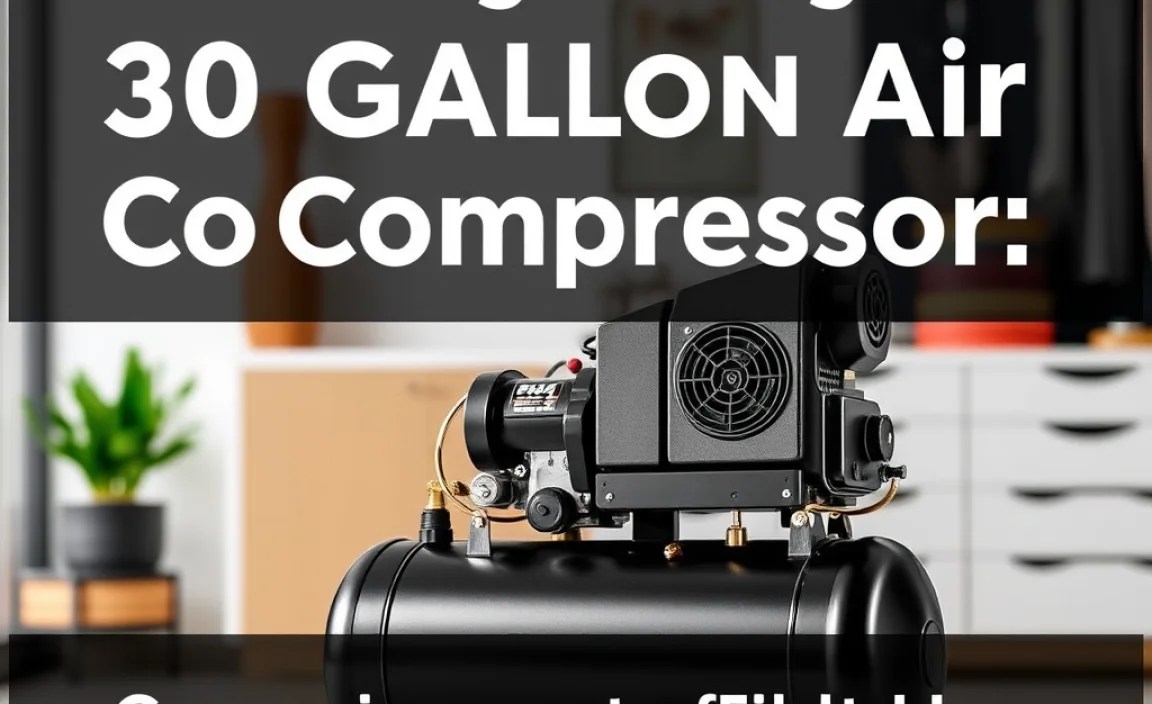
Choosing the “best” personal air compressor depends heavily on your specific needs and budget. However, certain models consistently offer excellent performance, durability, and value for DIYers. Here are a few top contenders that frequently receive high marks:
| Model/Brand | Key Features | Pros | Cons | Ideal For |
|---|---|---|---|---|
| DEWALT DXCM301: Electric Air Compressor | 3.0 HP, 4.6 SCFM @ 90 PSI, 30 Gallon Tank, Oil-Lubricated, 165 PSI Max | Excellent CFM for its class, durable cast-iron pump, relatively quiet for its power. Good for a variety of tools. | Can be a bit heavier than some competitors. | Automotive repair, framing nailers, medium-duty DIY projects. |
| Campbell Hausfeld FP3035 30-Gallon Vertical Air Compressor | 3.7 Running HP, 5.0 SCFM @ 90 PSI, 150 PSI Max, Oil-Lubricated | Good airflow, vertical design saves floor space, robust build quality. | May be louder than some premium options. | Woodworking, painting (with some limitations), general garage use. |
| California Air Tools 8010A (Though smaller, often considered for similar uses) | 1.0 HP (Quiet) Motor, 1.15 SCFM @ 90 PSI, 10 Gallon Tank, Oil-Free, 120 PSI Max | Extremely quiet operation (60 dB), very low maintenance, lightweight and portable. | Lower CFM and smaller tank mean it’s best for lighter tools or very short bursts. | Delicate tasks like brad nailing, inflation, air brushing. (Note: This is a smaller example to highlight “quiet” features often desired in this size category, but a 30-gal equivalent from them would be the 10020C or similar). |
| Husky C301H: Two Stage Air Compressor (Note: This is a Two-Stage but often compared for similar high-demand needs) | 5.0 HP, 13.7 CFM @ 90 PSI, 30 Gallon Tank, Oil-Lubricated, 155 PSI Max | Very high CFM, suitable for continuous heavy-duty use and multiple tools. Durable. | Significantly more expensive, much louder, and heavier than single-stage units. | Professional shops, serious automotive work. (A good benchmark for what it can do, even if it’s not single-stage). |
*Note: SCFM (Standard Cubic Feet per Minute) is another common measurement for airflow that is often interchangeable with CFM in marketing, referring to air measured at standard temperature and pressure. Always check the specification for CFM at 90 PSI for direct comparison.
Setting Up Your Compressor for First Use

Getting your new air compressor ready to go is straightforward. Just follow these simple steps:
- Unpack and Inspect: Carefully remove the compressor from its packaging. Check for any visible damage that might have occurred during shipping.
- Read the Manual: Seriously, even for a simple device, the manufacturer’s manual has crucial safety information and specific setup details for your model.
- Add Oil (If Oil-Lubricated): For oil-lubricated models, you’ll need to add the specified type and amount of compressor oil. This is usually found in a small reservoir on the pump. Don’t overfill!
- Connect the Power Cord: Plug the compressor into a suitable, grounded electrical outlet. It’s recommended to use a dedicated circuit if possible, especially for higher HP models, to prevent tripping breakers. A 30-gallon compressor often requires a 120V outlet, but always double-check your unit’s requirements. If you’re unsure about electrical connections, consult a qualified electrician.
- Perform a Leak Test (Optional but Recommended): Once under pressure, you can use soapy water on air fittings and connections. If bubbles appear, there’s a leak that needs to be fixed before heavy use.
- Run it for the First Time: Turn the compressor on. Let it run until it fills the tank and shuts off automatically. Let it sit for about 15-20 minutes, then drain a small amount of air from the tank. This helps purge any moisture or manufacturing residue from the tank.
How to Use Your Air Compressor Safely and Effectively
Safety and efficiency go hand-in-hand with air compressors. Following these guidelines will ensure you get the most out of your tool while staying safe.
Safety First, Always
- Wear Safety Glasses: Always protect your eyes from flying debris or air leaks.
- Ear Protection: Compressors can be loud, so wear earplugs or earmuffs, especially during extended use.
- Proper Ventilation: If using in an enclosed space like a garage, ensure good ventilation to prevent the buildup of exhaust fumes or heat.
- Check Hoses and Fittings: Regularly inspect air hoses, couplers, and fittings for wear and tear. Replace any damaged parts immediately.
- Pressure Release Valve: Familiarize yourself with the pressure relief valve. It’s a safety device that automatically releases excess pressure if the compressor malfunctions.
- Never Point Air at People or Pets: A blast of compressed air can cause serious injury.
Connecting Tools and Working
- Match Tools to Compressor: Ensure your compressor’s CFM and PSI ratings meet or exceed your tool’s requirements.
- Use the Right Regulator: Most air tools require a specific operating pressure, often lower than the compressor’s maximum. Your compressor will have a regulator (often with a gauge) to set and maintain this pressure. Set it correctly for your tool.
- Secure Connections: Make sure all air hose connections and tool fittings are securely attached. A quick-connect coupler is helpful for easily changing tools.
- Drain the Tank Regularly: This is crucial for maintenance and longevity. At the end of each use, or at least daily, open the drain valve at the bottom of the tank to release any accumulated moisture. This prevents rust from forming inside the tank, which can degrade its integrity over time. You can learn more about proper draining procedures from resources like US Department of Energy’s guidance on compressed air systems, which emphasizes efficient operation and maintenance.
- Check Oil Levels (if applicable): If you have an oil-lubricated model, check the oil level regularly and top it off or change it according to the manufacturer’s recommendations.
Maintenance Tips for Longevity
A little regular care goes a long way in keeping your air compressor running smoothly for years to come.
- Drain Condensate Daily: As mentioned, this is the most important maintenance step. Water in the tank can lead to rust and system damage.
- Clean Air Filters: The air filter(s) keep dust and debris out of the pump. Check them regularly and clean or replace them as needed. A clogged filter reduces performance and strains the motor.
