
Understanding bidet layout pros and cons is key to a comfortable and functional bathroom. This guide breaks down the different types, installation factors, and benefits versus drawbacks, helping you choose the perfect bidet setup for your space and needs. Get ready to upgrade your bathroom experience with confidence!
Hey there, home improvers! Bryan Lee here. Ever stumbled into a bathroom and felt a little… confused? Maybe you’ve seen those sleek fixtures overseas or heard friends rave about them, but the idea of a bidet still feels a bit mysterious. You’re not alone! Many homeowners think about upgrading their bathrooms, and a bidet often comes up. But where do you even begin with the “layout”? Don’t worry, we’ll break down the bidet layout pros and cons in a way that makes perfect sense, no matter your DIY level.
This guide is designed to demystify bidet setups. We’ll explore different types, what you need to consider before installing one (like space and plumbing), and the real advantages and disadvantages. By the end, you’ll have a clear picture of what works best for your home. Let’s transform your bathroom into a more comfortable and hygienic space, step by step!
What Exactly is Bidet Layout?
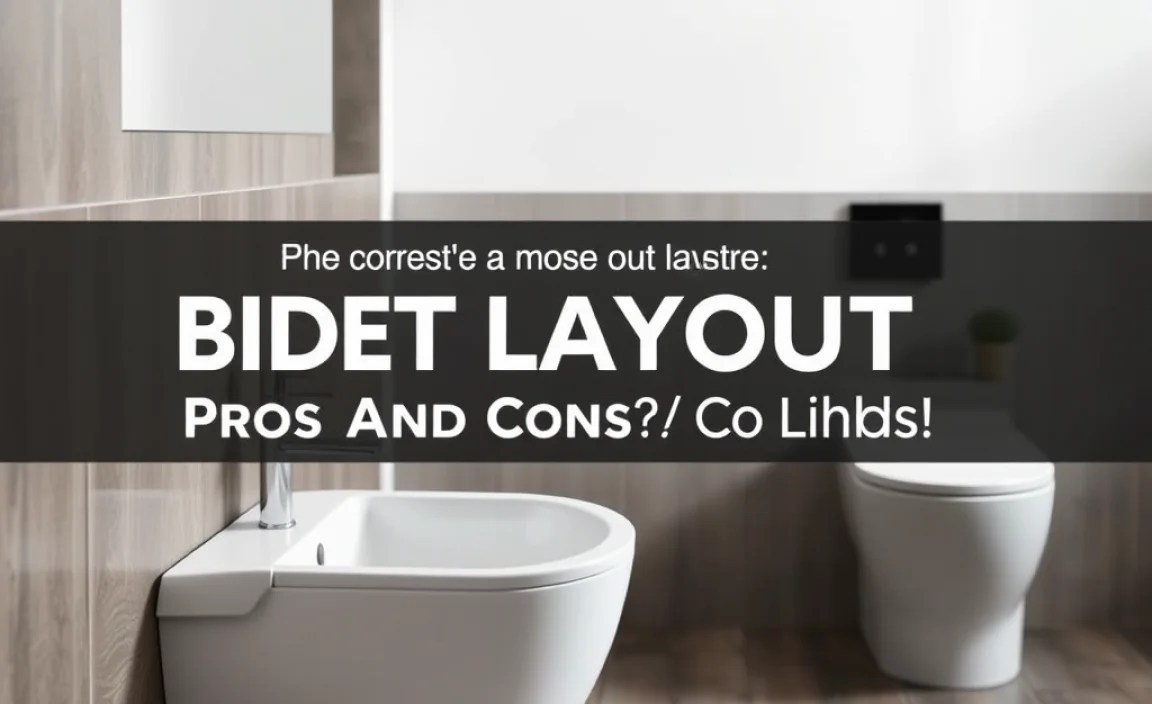
When we talk about “bidet layout,” we’re really discussing how a bidet fits into your bathroom’s overall design and functionality. It’s about more than just where the bidet itself sits; it encompasses the type of bidet you choose and how that choice impacts your existing plumbing, water supply, and electrical needs. Think of it as planning the best spot for a new, high-tech appliance in your kitchen – you need to consider space, power, and how it connects to everything else.
The “layout” consideration is crucial because it directly affects installation ease, cost, and ultimately, how well the bidet integrates into your daily routine. A well-planned bidet layout ensures a seamless experience, while a rushed or uninformed decision can lead to unexpected complications or a bidet that doesn’t quite meet your expectations.
Types of Bidet Setups

Before diving into pros and cons, it’s essential to understand the different types of bidets you can install. Each has its unique “layout” implications:
1. Standalone Bidet Fixture
This is the traditional bidet. It looks much like a toilet bowl but is a separate fixture installed next to your toilet. It requires its own dedicated plumbing for hot and cold water and a drain.
2. Bidet Toilet Seat (Electric or Non-Electric)
This is a popular modern option. It replaces your existing toilet seat.
- Electric Bidet Seats: These offer a range of features like heated water, heated seat, adjustable water pressure, and air drying. They require a nearby GFCI (Ground Fault Circuit Interrupter) electrical outlet.
- Non-Electric Bidet Seats: These are simpler and connect directly to your toilet’s cold water supply. They offer basic wash functions without the bells and whistles of electric models.
3. Bidet Attachment
These are slim devices that fit underneath your existing toilet seat. They connect to the toilet’s water supply and offer a spray function. They are generally non-electric and use cold water only.
4. Bidet Sprayer (Handheld Shower)
Also known as a “shattaf,” this is a handheld nozzle connected to the toilet’s water supply. You manually direct the spray. It’s simple, affordable, and requires minimal plumbing changes.
5. All-in-One Bidet Toilet (Integrated Bidet)
This is a complete toilet unit with a bidet function built directly into the bowl. They often offer the most advanced features and a sleek, modern look. Electric models will require an outlet.
Bidet Layout Pros and Cons: A Detailed Look

Now that we know the types, let’s break down the advantages and disadvantages of each layout consideration. This will help you make an informed decision for your bathroom.
| Bidet Type | Pros | Cons | Layout Considerations | |
|---|---|---|---|---|
| Standalone Bidet Fixture |
|
|
|
|
| Bidet Toilet Seat (Electric) |
|
|
|
|
| Bidet Toilet Seat (Non-Electric) |
|
|
|
|
| Bidet Attachment |
|
|
|
|
| Bidet Sprayer |
|
|
|
|
| All-in-One Bidet Toilet |
|
|
|
Key Factors in Bidet Layout Planning

Whether you’re a seasoned DIYer or looking for a simple upgrade, considering these factors will make your bidet installation smooth sailing.
Space Availability
This is often the most significant factor, especially in smaller bathrooms.
- Standalone bidets are elegant but need as much space as a second toilet.
- Bidet seats, attachments, and sprayers are ideal for tight spaces as they utilize your existing toilet footprint.
- Measure carefully! Ensure you have enough clearance around the toilet for comfortable use and for opening/closing the toilet lid.
Plumbing Requirements
Your existing plumbing will dictate what type of bidet is feasible.
- Water Supply: Most bidets connect to your toilet’s cold water line using a T-valve. For heated water from electric bidet seats, some models have an internal heater, while others might tap into the hot water line. Standalone bidets require dedicated hot and cold water inlets.
- Drainage: Standalone bidets need their own drain connection, similar to a toilet. Other types use your existing toilet’s drain.
- Water Pressure: Check your home’s water pressure. Most bidets function best within a certain pressure range. You can find information on proper water pressure from your local water utility or a plumber.
Electrical Needs
This is a major consideration, particularly for electric bidet seats and all-in-one units.
- Proximity of Outlet: Do you have a GFCI-protected electrical outlet within reach of your toilet? If not, you may need an electrician to install one. As per the National Electrical Code (NEC), outlets near water require GFCI protection for safety.
- Extension Cords: Avoid using extension cords for bidets. They are a fire hazard and can be damaged by moisture.
Budget
Costs can range dramatically:
- Bidet Sprayers & Attachments: $20 – $100
- Non-Electric Bidet Seats: $50 – $200
- Electric Bidet Seats: $200 – $1,000+
- Standalone Bidets & All-in-One Toilets: $300 – $2,000+ (plus installation)
- Don’t forget to factor in potential plumbing or electrical work costs.
Ease of Installation
Are you a DIY enthusiast, or will you hire a professional?
- DIY-Friendly: Bidet attachments, sprayers, and non-electric seats are generally easy for beginners.
- Requires Basic Plumbing Skills: Electric bidet seats are often manageable for DIYers if an outlet is present.
- Professional Installation Recommended: Standalone bidets and all-in-one toilets usually require a plumber due to complex plumbing needs. Electricians may be needed for outlet installation.
Pros of a Well-Planned Bidet Layout

Investing time in planning your bidet layout pays off in several ways:
- Enhanced Hygiene: Bidets offer a superior clean compared to toilet paper alone, reducing the risk of irritation and improving personal freshness.
- Increased Comfort: Features like warm water, adjustable pressure, and heated seats can make your bathroom experience significantly more pleasant.
- Environmental Benefits: Reduced toilet paper usage can be substantial. The Environmental Protection Agency (EPA) highlights the resources saved when reducing paper consumption.
- Long-Term Cost Savings: While there’s an upfront investment, saving money on toilet paper can add up over time.
- Improved Accessibility: For individuals with mobility issues, the ease of use and improved cleaning can be a game-changer.
- Modern Aesthetic: Integrated bidet toilets and sleek electric seats can significantly upgrade your bathroom’s look and feel.
Cons of a Poorly Planned Bidet Layout
Conversely, overlooking layout details can lead to frustration:
- Installation Complications: Discovering you need to reroute plumbing or install new electrical work mid-project can be costly and time-consuming.
- Space Issues: Fitting a standalone bidet into a small bathroom or finding adequate space for an electric cord can be problematic.
- Lack of Features: Opting for a non-electric bidet to avoid electrical work means missing out on luxury features.
- Aesthetic Clutter: An improperly placed bidet sprayer or an inconveniently located electrical cord can disrupt the bathroom’s design.
- Higher Costs Than Expected: Unexpected plumbing or electrical work can quickly inflate the budget.
- Inconvenient Usage: If the bidet isn’t easily accessible or its features are hard to operate, it might not get used as intended.
Step-by-Step Guide: Planning Your Bidet Layout
Let’s get practical! Follow these steps to plan your bidet installation.
- Assess Your Bathroom:
- Measure your existing toilet space and the surrounding area.
- Note the location of your current water shut-off valve.
- Check for nearby electrical outlets and their condition.
- Consider the overall style of your bathroom.
- Choose Your Bidet Type: Based on your space, budget, and desired features, select the bidet type that best fits your needs. Refer back to our table for guidance.
- Check Plumbing Requirements:
- If adding a bidet seat/attachment/sprayer: Ensure your toilet’s water supply line is accessible and in good condition. You’ll likely need a T-valve to connect. A standard water pressure test can be helpful.
- If installing a standalone or integrated bidet: Consult a plumber. They’ll need to assess your existing drain and water supply lines to see if they meet the fixture’s requirements.
- Address Electrical Needs (if applicable):
- If you choose an electric bidet and don’t have a GFCI outlet nearby, call a qualified electrician to install one safely. Remember, NEC guidelines are strict about bathrooms.
- Ensure the outlet is within the reach specified by the bidet manufacturer, typically 3-5 feet from the toilet.
- Gather Your Tools and Materials:
- For Bidet Seats/Attachments/Sprayers: Adjustable wrench, Teflon tape, screwdriver (if needed), bucket, old towels.
- For Standalone/Integrated Bidets: This will involve professional tools and knowledge from plumbers and potentially electricians.
- Installation (DIY or Pro):
- Follow the manufacturer’s instructions carefully for your chosen bidet type.
- For simple installations, turn off the water supply, disconnect the old supply line, attach the T-valve, connect the bidet hose, and turn the water back on slowly, checking for leaks.
- For complex installations, rely on professionals. Proper installation ensures safety and functionality. A well-installed bidet is a joy; a poorly installed one can be a headache.
- Test and Inspect:
- Turn on the water supply slowly and check all connections for leaks.
- Test all bidet functions to ensure they work as expected.
- If you installed an electric bidet, test the electrical components.
