
Soap holders are key to keeping your shower tidy and your soap dry, preventing messy build-up and extending its life. This guide will break down the different types, how they work, and what beginners need to know to pick the best one for their needs. We’ll cover everything from simple shelves to fancy dispensers, making your choice easy and your bathroom look great.
Tired of slippery soap bars and gooey puddles in your shower? You’re not alone! Keeping your soap tidy can feel like a small battle, but the right soap holder makes all the difference. It stops your soap from turning into a mushy mess, saves space, and looks so much neater. This guide is here to help you understand all the different kinds of soap holders out there. We’ll demystify the options, from the basic to the more advanced, so you can pick the perfect one without any confusion. Get ready to transform your shower experience!
Understanding the Purpose of a Soap Holder

At its core, a soap holder is designed for one simple mission: to keep your bar of soap elevated and dry between uses. Why is this so important? When a wet bar of soap sits in a puddle, it slowly dissolves, creating a slimy residue that can be hard to clean from shower shelves or ledges. This not only wastes soap but also encourages the growth of mildew and bacteria. A good soap holder prevents this by allowing air to circulate around the soap, helping it to dry out properly. This prolongs the life of your soap bar, making it a more economical and hygienic choice in the long run. Think of it as giving your favorite bar of soap a nice place to rest and recuperate!
Types of Soap Holders: A Beginner’s Guide
Navigating the world of soap holders might seem simple, but there’s actually a surprising variety. Each type has its own advantages and is suited to different bathroom setups and personal preferences. Let’s break them down so you can see which one might be the best fit for your space.
1. The Classic Soap Dish
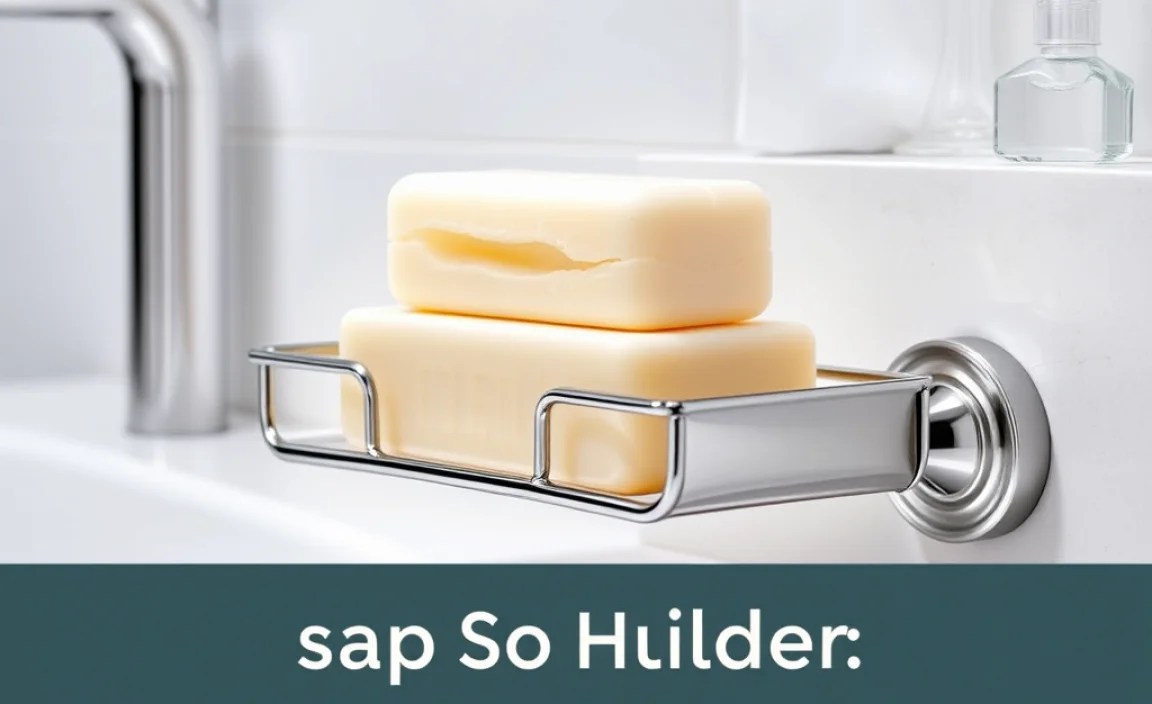
This is probably what comes to mind first when you hear “soap holder.” A soap dish is a small, open receptacle, usually made of ceramic, plastic, or metal, designed to hold a single bar of soap. Many have ridges or drainage holes to help water escape, but not all.
Styles:
Stationary Dish: Sits on a counter, sink edge, or shower shelf. Some have a lip to catch drips.
Corner Dish: Designed to fit snugly into a shower corner, often with suction cups or screws for mounting.
Wall-Mounted Dish: Attaches directly to the wall with screws or strong adhesive.
Pros: Very common, widely available, generally inexpensive, simple to use.
Cons: Can still collect water if drainage isn’t efficient, might require drilling into walls, can be bulky on small surfaces.
2. Magnetic Soap Holders
Magnetic soap holders are a clever, modern solution. They consist of two parts: a small metal plate or ring that you press into your bar of soap, and a magnetic component that attaches to your shower wall or tiled surface. The soap then magnetically clings to the holder.
How they work:
You typically insert a metal disc into the center of your soap bar using its prongs.
A separate, strong magnet is then mounted to the shower wall, often using adhesive or suction.
Your soap, with the disc embedded, sticks directly to the mounted magnet, effectively levitating your soap.
Pros: Excellent drainage (soap is suspended in the air), keeps soap clean and dry, minimalist look, no drilling required for most types, easy to install.
Cons: The metal disc can be tricky to insert into very hard soap bars, requires regular cleaning of the magnetic part and the disc, might not be suitable for very heavy or large soap bars. For more detailed installation tips, check out resources on home fixture installation, which often cover types of mounting mechanisms.
3. Shower Caddies and Shelving Units
While not exclusively soap holders, shower caddies and shelving units often include dedicated soap dishes or platforms as part of their design. These are usually mounted in the corner or along a shower rod.
Features:
Can hold multiple items (shampoo bottles, conditioner, razors, etc.).
Often come with hanging hooks or rods for loofahs and washcloths.
Available in various materials like plastic, wire mesh, or brushed metal.
Pros: Great for organizing multiple bathroom products, can significantly reduce clutter, some are adjustable and don’t require permanent mounting.
Cons: Can be more expensive than a simple soap dish, might require careful assembly or measurement for proper fit, can sometimes make a shower feel more cramped if overloaded.
4. Wall-Mounted Soap Dispensers
These are a fantastic alternative if you prefer liquid soap or body wash over bar soap. They mount to the wall and dispense soap with a simple push or press.
Types:
Single Chamber: For one type of liquid.
Dual/Triple Chamber: For multiple products (e.g., shampoo, conditioner, body wash).
Manual Pump: Activated by pressing down on a pump mechanism.
Sensor/Automatic: Dispense soap when hands are placed underneath, requiring batteries.
Pros: Extremely convenient, reduces clutter from bottles, good for larger households with multiple users, can be more hygienic (no shared bar of soap).
Cons: Requires refilling, needs wall mounting (often with screws or strong adhesives), automatic ones require power (batteries) and can be more expensive, may not be suitable for bar soap enthusiasts.
5. Shower Hook Soap Holders
These are often made of mesh or plastic netting and are designed to hang from a showerhead or hook. The bar soap is placed inside, and the porous material allows water to drain while keeping the soap contained.
How they work:
A fabric or mesh pouch is designed to hold a bar of soap.
This pouch typically has a loop or hook for hanging, often from the shower arm or a shower caddy.
Pros: Excellent drainage, keeps soap contained, very inexpensive, easy to move around.
Cons: Can look a bit basic, the material might degrade over time with constant moisture exposure, might not fit all shower showerhead designs well.
6. Built-in Shower Niches
For a more permanent and integrated solution, especially during a bathroom renovation, a built-in shower niche is ideal. These are essentially recessed shelves built directly into the shower wall.
Pros: Sleek, integrated look, no external mounting hardware, can be customized to various sizes and shapes, adds value to a bathroom.
Cons: Requires significant renovation to install, expensive, not a DIY option for existing bathrooms.
Key Features to Consider When Buying
When you’re trying to choose the right soap holder, think about these key features. They’ll help you narrow down your options and find a holder that works perfectly for your shower and your soap.
Drainage
This is probably the most critical feature. A soap holder with good drainage allows water to escape easily, preventing the dreaded soap scum and mushy bar. Look for dishes with sloped surfaces, raised ridges, or actual holes. For magnetic or hanging types, the design itself ensures good drainage by suspending the soap.
Material Durability and Maintenance
Soap holders come in many materials:
Plastic: Affordable, lightweight, and comes in many colors. Can sometimes look cheap and may stain or scratch over time. Easy to clean.
Ceramic: Classic and elegant. Can be heavy and prone to chipping or breaking if dropped. Generally easy to wipe clean.
Stainless Steel/Metal: Durable, modern, and often rust-resistant. Can be prone to water spots. May require occasional polishing.
Wood: Offers a natural, spa-like feel. Needs to be treated for water resistance and requires regular drying to prevent mold and mildew.
Silicone: Flexible, often mold-resistant, and can have good grip. May attract dust and require wiping.
Consider how easy the material is to clean and how well it will stand up to constant moisture and soap residue.
Installation Method
How will the soap holder attach to your shower?
Adhesive: Many modern holders use strong, waterproof adhesive strips. They’re easy to apply and often don’t require drilling, but ensure the surface is clean and dry before applying for best results. Check the Consumer Product Safety Commission (CPSC) for general safety guidelines on home installations, especially concerning adhesives.
Suction Cups: A common option for lighter items. Performance can vary greatly depending on the quality of the suction cup and the smoothness of the shower surface.
Screws: Provides the most secure mounting but requires drilling holes in your shower walls, which might not be ideal for renters or if you want to avoid permanent changes.
Hanging: For items that attach to shower rods or showerheads. Simple and requires no tools.
Freestanding: No installation needed; they simply sit on a surface.
Size and Weight Capacity
Think about the size of your soap bars. Some holders are designed for standard-sized bars, while others are larger or smaller. If you use artisanal or oversized soaps, make sure the holder can accommodate them comfortably. Also, consider the weight – a heavy ceramic dish might need a more robust mounting method than a light plastic one.
Aesthetics and Style
Last but not least, consider how the soap holder will look in your bathroom. Do you want something sleek and modern, or classic and decorative? Match the finish (chrome, brushed nickel, matte black, etc.) to your existing shower fixtures for a cohesive look.
Step-by-Step Installation Guides for Common Types

Let’s walk through how to install a couple of the most popular types of soap holders.
Installing a Magnetic Soap Holder (Adhesive Mount)
These are incredibly popular for their clean look and ease of installation.
Tools You’ll Need:
Your magnetic soap holder kit (includes magnet and soap disc)
Rubbing alcohol
A clean, lint-free cloth
A towel
Steps:
1. Clean the Mount Area: Choose a smooth, flat spot on your shower wall where you want the soap holder to go. Clean this area thoroughly with rubbing alcohol to remove any soap scum, grime, or residue. Dry it completely with your lint-free cloth. A clean surface is crucial for the adhesive to stick properly.
2. Apply the Adhesive: Peel the protective backing off the adhesive pad on the magnetic mount.
3. Press the Magnet Firmly: Align the magnet with the cleaned spot on the wall and press it firmly for at least 30 seconds. Ensure good contact across the entire surface of the adhesive pad.
4. Wait for Adhesion: The adhesive needs time to bond. Most manufacturers recommend waiting at least 24 hours before hanging anything on the magnet. This ensures maximum holding power. Check your product’s instructions for specific waiting times. Resourceful articles on home improvement often highlight the importance of curing times for adhesives. You can explore guides on proper shower fixture mounting for more advanced techniques.
5. Prepare Your Soap: Take your bar of soap. If it’s a new bar, it might be easier to embed the metal disc. If it’s an older bar, you might need to slightly soften the end first (e.g., by running it under warm water for a few seconds, but be careful not to make it too soft).
6. Insert the Soap Disc: Press the metal disc with its prongs firmly into the center of your soap bar. Use enough pressure to get the prongs to grip the soap securely.
7. Attach Soap to Holder: Once the adhesive has cured and the disc is in the soap, simply bring the soap near the mounted magnet. It will snap into place! Your soap is now held securely, suspended in the air, ready for use.
Installing a Wall-Mounted Soap Dish (Adhesive/Screw Mount)
Depending on the model, these can be very simple or require a bit more effort.
Tools You’ll Need:
Your wall-mounted soap dish kit
Rubbing alcohol
A clean, lint-free cloth
A pencil (for marking placement)
A drill and appropriate drill bits (if using screws)
Screwdriver (if using screws)
Level (optional, but recommended for a straight installation)
Option 1: Adhesive Mount
1. Clean the Surface: Similar to the magnetic holder, choose a smooth, flat area and clean it thoroughly with rubbing alcohol. Let it dry completely.
2. Mark Placement: Hold the soap dish or its mounting plate against the wall where you want it. Use a pencil to lightly mark the positions of the adhesive pads or screw holes if you were using screws. A level can help ensure it’s straight.
3. Apply Adhesive: Peel off the protective backing from the adhesive pads on the dish or its mounting bracket.
4. Press and Hold: Align the dish with your marks and press it firmly against the wall for at least 30 seconds.
5. Cure Time: Let the adhesive cure for at least 24 hours, or as per the manufacturer’s instructions, before placing soap in the dish.
Option 2: Screw Mount
1. Choose Location: Select a sturdy location on your shower wall. Avoid areas with pipes behind them if possible.
2. Mark Holes: Hold the soap dish or its mounting bracket against the wall at the desired height. Use a pencil and a level to mark the exact spots where the screws will go.
3. Drill Pilot Holes: Use a drill bit that is slightly smaller than your screws to drill pilot holes at the marked locations. If you are drilling into tile, use a tile drill bit and consider drilling slowly to avoid cracking the tile.
4. Install Wall Anchors (if needed): If you are not drilling into a stud, you will need to insert wall anchors into the pilot holes. Gently tap them in with a hammer until they are flush with the wall.
5. Attach the Bracket/Dish: Position the mounting bracket or the soap dish over the holes (or anchors). Insert the screws and tighten them with a screwdriver until the dish is secure against the wall. Be careful not to overtighten, which could strip the screws or damage the wall.
6. Insert Soap Dish: If the dish is separate from the mounting bracket, slide or snap it into place.
Benefits of Using a Proper Soap Holder

You might be wondering if a soap holder is really worth it. The benefits extend beyond just looking tidier!
Prolongs Soap Life
This is the biggest money-saving benefit. A dry bar of soap lasts significantly longer than one that sits in a puddle, slowly dissolving. By allowing your soap to dry out properly, you get more washes out of each bar, which means you buy soap less often.
Prevents Soap Scum and Grime
Water mixed with soap residue creates that unsightly, slimy film known as soap scum. A good holder prevents this build-up by allowing water to drain away freely. This means less scrubbing for you and a cleaner shower environment.
Promotes Hygiene
A wet, mushy bar of soap can become a breeding ground for bacteria. Keeping your soap dry on a dedicated holder helps maintain its freshness and reduces the likelihood of transferring unwanted microbes back onto your skin.
Tidies Up Your Shower Space
Let’s face it, a messy bar of soap sliding around a shelf or ledge just looks disorganized. A soap holder provides a designated spot, keeping your shower visually appealing and clutter-free. This is especially helpful in smaller shower or bathroom spaces.
Enhances Bathroom Aesthetics
From sleek magnetic holders to elegant ceramic dishes, soap holders can act as small decorative elements within your bathroom. Choosing a holder that complements your bathroom’s style can add a touch of polish and sophistication.
Common Problems and Troubleshooting
Even the best soap holders can sometimes present minor challenges. Here’s how to tackle them.
Soap Not Sticking to Magnetic Holder
Issue: The soap bar with the embedded disc keeps falling off the magnetic holder.
Solution:
Check Soap Disc Insertion: Ensure the metal disc is pushed deep enough into the soap. If it’s only shallowly embedded, it won’t get a good grip. Try re-inserting it, perhaps with a bit more force. If the soap is very soft, you might need to let it harden a bit.
Magnet Strength: Some cheaper magnetic holders have weak magnets. If you’re using a large or heavy bar of soap, you might simply be exceeding the magnet’s capacity. Consider a different type of holder or a stronger magnetic one.
Surface Interference: Make sure there isn’t anything between the soap disc and the magnet (like a stray hair or a bit of dried soap residue). Wipe both surfaces clean.
Adhesive Not Sticking Well
Issue: The adhesive on your soap holder is peeling off the wall.
Solution:
Surface Preparation: The most common culprit is inadequate cleaning or preparation of the mounting surface. Ensure it was perfectly clean, dry, and free of any oils or soap residue before application.
Curing Time: Did you wait long enough for the adhesive to cure before putting weight on it? Many adhesives need 24-72 hours to reach full strength.
Surface Type: Smooth, non-porous surfaces (like glazed tile or glass) work best for adhesives. If you’re trying to mount on textured tile, painted drywall, or a matte finish, the adhesive may struggle to get a good grip. In such cases, a screw-mount option might be necessary.
Humidity/Water Exposure: Excessive direct water spray on the adhesive before it cures can compromise its bond.
Soap Dish Filling Up with Water
Issue: The soap dish still seems to collect water despite having drainage holes.
