
Understanding the pros and cons of soap holders is key to choosing the best option for your bathroom. Whether you prefer a simple dish, a mounted dispenser, or something unique, knowing the advantages and disadvantages helps prevent mess, extend soap life, and enhance your shower’s style. This guide breaks down these factors to help you make an informed choice.
Soap Holders: The Good, The Bad, and The Sudsy – Your Essential Guide

Have you ever reached for your bar soap only to find a slimy, melted mess sitting in a puddle? It’s a common frustration in bathrooms everywhere. A good soap holder can make all the difference, keeping your soap dry, lasting longer, and keeping your countertops or shower tidy. But with so many options out there, how do you pick the right one? Don’t worry, we’re here to help. We’ll walk through the various types of soap holders, exploring their benefits and drawbacks so you can find the perfect fit for your home. Get ready to say goodbye to slippery soap!
Why a Soap Holder Matters: Beyond Just Holding Soap

It might seem like a small thing, but the humble soap holder plays a surprisingly big role in bathroom hygiene and organization. Its primary job is simple: to keep your bar soap out of standing water. When soap sits in water, it softens and dissolves much faster, wasting product and creating a gooey mess. A well-chosen soap holder prevents this, extending the life of your soap bars and saving you money in the long run.
Beyond utility, soap holders also contribute to the overall look and feel of your bathroom. They can be a decorative element, adding a touch of style or personality to your sink area or shower. From sleek modern designs to charming vintage pieces, the right holder can tie your bathroom’s aesthetic together. Moreover, a good soap holder helps maintain a cleaner, more organized space by preventing soap scum and residue from building up on surfaces. This means less scrubbing for you!
Common Types of Soap Holders: A Detailed Breakdown

Let’s dive into the most popular types of soap holders available. Each has its own set of advantages and disadvantages, making it suitable for different needs and preferences.
1. Soap Dishes (Free-Standing)
These are the most traditional and widely recognized soap holders. They sit on the edge of your sink or a flat surface in the shower. They come in a vast array of materials, shapes, and sizes.
Pros of Soap Dishes:
- Affordability: Generally the least expensive option.
- Ease of Use: No installation required. Just place it where you need it.
- Portability: Easy to move for cleaning or rearranging your space.
- Variety: Available in countless materials like ceramic, plastic, metal, wood, and silicone, offering wide aesthetic choices.
- Good Drainage (if designed well): Many have ridges or holes to allow water to drain away from the soap.
Cons of Soap Dishes:
-
- Takes up Counter Space: Can clutter smaller sink areas.
- Can Slip: Some may slide around, especially when wet.
- Can Accumulate Grime: If not cleaned regularly, the dish itself can become grimy.
- Soap Can Stick: Sometimes, softened soap can adhere to the dish, making it hard to remove.
Potential for Spills: If knocked over, they can spill water and soap residue.
2. Wall-Mounted Soap Holders
These are installed directly onto your shower wall or bathroom tiles. They can range from simple single holders for bar soap to more complex systems that include dispensers for liquid soap or shampoo.
Pros of Wall-Mounted Soap Holders:
- Saves Counter Space: Frees up surfaces for other items.
- Secure Installation: Once installed correctly, they stay put.
- Keeps Surfaces Clean: Prevents soap residue and puddles on sinks and shower floors.
- Aesthetically Pleasing: Can look very streamlined and organized, especially in modern bathrooms.
- Efficient Draining: Typically designed with excellent drainage to keep bar soap dry.
Cons of Wall-Mounted Soap Holders:
- Installation Required: May involve drilling into tiles or walls, which can be intimidating for beginners. Using adhesive options is an alternative but may not be as durable long-term.
- Permanent Fixture: Difficult to move or change once installed.
- Can Potentially Damage Walls/Tiles: Improper installation or removal can leave holes or marks.
- Cleaning Access: Cleaning behind the mounted unit can be tricky.
3. Soap Lifts/Cushions
These are small, often flexible pads made of silicone or other plastic-like materials. They go directly into your soap dish or sit on the sink and are designed to elevate the bar soap, allowing air to circulate underneath and water to drain away.
Pros of Soap Lifts/Cushions:
- Excellent Drainage: Dramatically reduces soap sogginess by allowing air and water flow on all sides.
- Prevents Sticking: Soap is less likely to melt into the holder or the counter.
- Easy to Clean: Most are dishwasher safe or can be easily rinsed.
- Inexpensive Enhancement: A low-cost way to improve an existing soap dish.
- No Installation: Simply place it under your soap.
Cons of Soap Lifts/Cushions:
- Additional Item: Another small item to keep track of and clean.
- Aesthetics Vary: Some look quite utilitarian and might not fit a high-end decor.
- Can Slip (less common): While usually secure when wet, some textures might be slippery on certain surfaces.
4. Shower Caddies and Shelves
These are larger units, often with multiple compartments, designed to hold several items, including bar soap. They can be mounted on the wall, hung over the showerhead, or be free-standing units in the shower.
Pros of Shower Caddies/Shelves:
- Multi-Purpose Storage: Holds shampoo bottles, conditioners, razors, and soap, organizing the entire shower.
- Keeps Everything Dry: Designed with drainage so soap and other items don’t sit in water.
- Saves Space: Consolidates shower items into one area, useful in small showers.
- Variety of Mounting Options: Options include suction cups, tension poles, over-the-showerhead hangers, and screw mounts.
Cons of Shower Caddies/Shelves:
- Can Be Bulky: May appear cluttered if not organized well.
- Installation Can Vary: Some require drilling, while others use less secure methods like suction cups that can fail.
- Cleaning Required: The entire unit needs regular cleaning to prevent mold and mildew.
- Potentially Expensive: Can be more costly than a simple soap dish.
5. Soap Savers/Bags
These are mesh or fabric bags that you place your bar soap into. They can be hung up to dry and often create a rich lather when you rub the bag with water.
Pros of Soap Savers/Bags:
- Maximizes Soap Use: Great for using up those small soap slivers that are hard to handle.
- Creates Lather: Makes it easy to get a good lather without directly touching the soap bar.
- Hangs to Dry: Excellent for air circulation and quick drying.
- Inexpensive and Portable: Very affordable and easy to pack for travel.
Cons of Soap Savers/Bags:
- Can Take Time to Dry Completely: The bag itself may retain moisture if not hung properly.
- Aesthetics: Not a decorative item; can look messy if multiple are hung.
- Can Get Moldy: If the bag doesn’t dry out properly between uses, it can develop mold or mildew.
6. Magnetic Soap Holders
These holders consist of a small metal disc that you press into your bar soap and a magnetic base that mounts to your wall or shower tile. The disc sticks to the magnet, suspending the soap in the air.
Pros of Magnetic Soap Holders:
- Sleek & Minimalist: Very modern and unobtrusive design.
- Excellent Draining: Soap hangs freely, allowing maximum air circulation and complete drying.
- Keeps Surfaces Clean: No soap residue ever touches the sink or shower wall.
- Easy Installation (usually): Often use strong adhesive, avoiding the need for drilling.
Cons of Magnetic Soap Holders:
- Requires Pressing Metal into Soap: Can be tricky if the soap is very hard or very soft.
- Adhesive May Fail: Over time, the adhesive backing can lose its grip, especially in steamy environments.
- Metal Disc Can Be Lost: Small parts increase the risk of misplacement.
- Not Suitable for All Soap Types: Some soaps might be too dense or too crumbly for the disc to hold properly.
Key Considerations When Choosing a Soap Holder
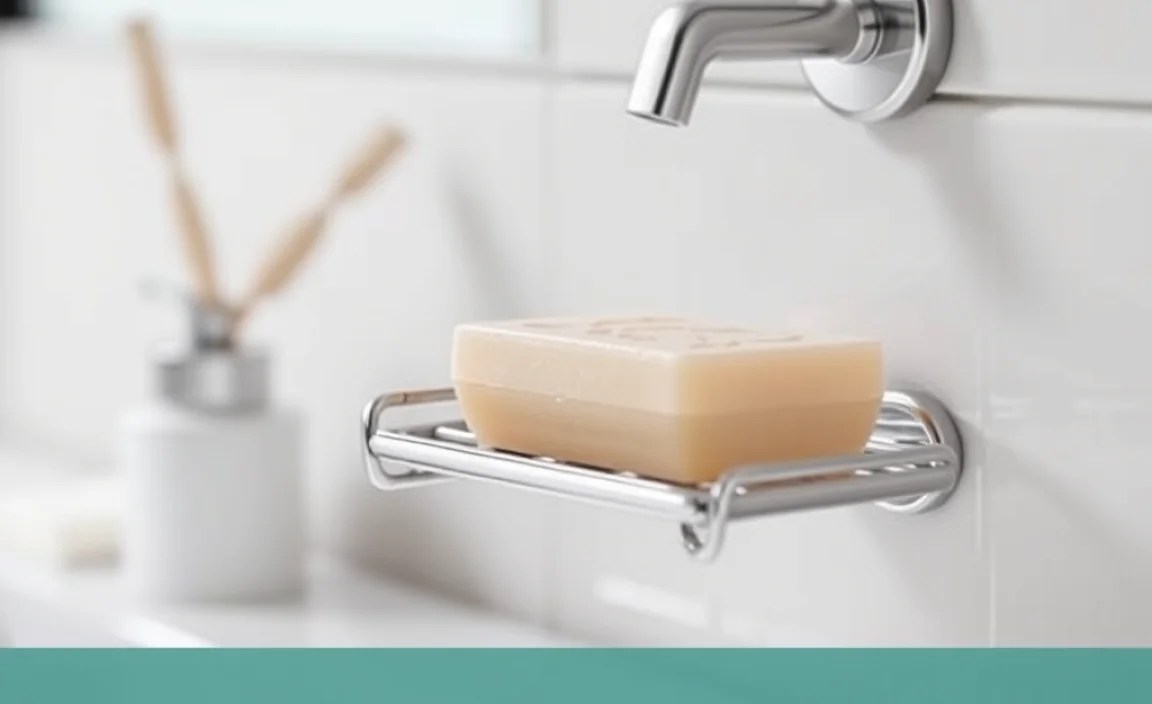
Selecting the right soap holder involves more than just looking at its appearance. Here are some crucial factors to keep in mind to make sure your choice is both practical and effective:
Drainage is King
The absolute most important feature of any soap holder is its ability to drain water effectively. If water pools around your soap, it will turn into a mushy mess, regardless of how stylish the holder is. Look for holders with raised edges, sloped designs, perforations, or simply a design that allows air to circulate around the entire bar. A soap that dries properly between uses will last significantly longer and stay firmer.
Consider materials that don’t absorb water themselves, like certain plastics, silicone, or non-porous metals. Natural materials like wood can be attractive but may require more maintenance to prevent mold and mildew if they don’t dry out completely.
Material Matters: Durability and Style
The material of your soap holder will affect its durability, ease of cleaning, and how it looks in your bathroom.
| Material | Pros | Cons |
|---|---|---|
| Ceramic | Elegant, easy to clean, stable, wide variety of designs. | Can chip or break if dropped, heavier. |
