
Quick Summary: Understanding caulking breakdown and its alternatives is key for maintaining a watertight home. This guide helps you identify failing caulk, explore better sealing options, and choose the right solution to prevent leaks and protect your property effectively.
Hey there, DIY champs! Ever notice those little gaps around your windows, tubs, or countertops? They might seem small, but they can lead to big headaches like drafts, water damage, and even mold. Sealing these gaps is crucial, and usually, we reach for caulk. But what happens when caulk breaks down? What can you do instead?
Don’t worry, figuring out the best way to seal your home doesn’t have to be complicated. We’re going to break down exactly what “caulking breakdown” means and explore some fantastic alternatives. You’ll learn how to spot old, failing caulk and discover smarter sealing solutions that will keep your home protected and looking great. Get ready to tackle these common home maintenance tasks with confidence!
What is Caulking Breakdown?
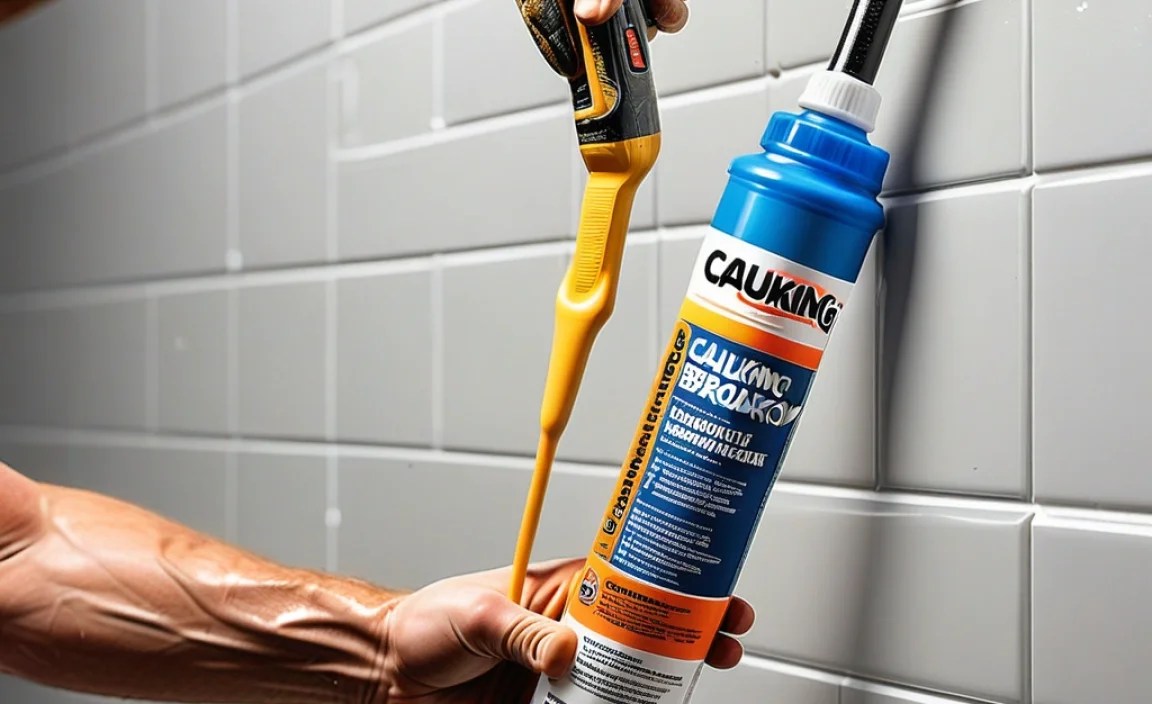
You’ve seen it before: that cracked, peeling, or moldy stuff around your faucets, window frames, or where your countertop meets the backsplash. That’s what we call “caulking breakdown.” It’s basically the caulk failing to do its job anymore. Over time, exposure to moisture, sunlight, extreme temperatures, and just general wear and tear can cause caulk to lose its flexibility, grip, and waterproof qualities. When this happens, it’s more than just an eyesore; it’s an invitation for water to seep into places it shouldn’t be, leading to rot and structural damage.
Think of caulk like a tiny bodyguard for the edges of your home. It’s supposed to create a flexible, waterproof seal that keeps out drafts and water. But like any bodyguard, it can get tired and worn out. When caulk breaks down, it’s a clear signal that it’s time for a change to keep your home safe and sound. We’ll go into more detail about what causes this and how to spot it.
Why Does Caulk Break Down?
Several things can contribute to caulk failing over time. Understanding these causes can help you choose the right product and know when to expect maintenance. It’s all about fighting the elements!
- Moisture Exposure: This is the biggest culprit, especially in bathrooms and kitchens. Constant contact with water, even humidity, can break down the caulk’s integrity, leading to mildew growth and eventual disintegration.
- Temperature Fluctuations: Houses expand and contract with changing weather. Caulk needs to be flexible enough to handle this movement. If it’s too rigid or has lost its elasticity, it can crack and pull away from the surfaces it’s meant to seal.
- UV Radiation (Sunlight): Direct sunlight can degrade many types of caulk, making them brittle and discolored. Older types of caulk were more susceptible to this.
- Age: Like anything, caulk has a lifespan. Depending on the type and environmental conditions, caulk can last anywhere from a few years to over a decade before it naturally starts to degrade.
- Poor Application: If caulk wasn’t applied correctly in the first place – maybe the surface wasn’t clean, or the wrong type was used – it’s more likely to fail prematurely.
- Movement in the Structure: Sometimes, houses settle, or certain areas experience more vibration or stress. This can put a strain on the caulk joints, causing them to separate.
Signs of Caulking Breakdown
Spotting failing caulk is usually pretty straightforward. If you see any of these signs, it’s time to take action:
- Cracking: You’ll see visible cracks running through the caulk bead. These cracks are entry points for water.
- Peeling or Shrinking: The caulk might be pulling away from one or both surfaces, or it looks like it has shrunk, leaving a gap.
- Mold or Mildew Growth: Greenish-black spots on or in the caulk are a strong sign of moisture trapped behind it. Mold isn’t just ugly; it can be bad for your health.
- Discoloration: While some caulks are made to be painted, others yellow or darken over time, especially with sun exposure or mildew.
- Hard and Brittle Texture: If the caulk feels stiff and easily crumbles when you touch it, it has likely lost its flexibility and is nearing the end of its life.
- Gaps and Holes: Any visible gap between the caulk bead and the surrounding material means the seal is broken.
Caulking Breakdown vs. Alternatives: A Comparison
When caulk starts to break down, most homeowners think of simply applying a new bead of caulk over the top. While this might seem like a quick fix, it’s rarely the best long-term solution. Often, the underlying issue needs addressing, and sometimes, a different type of sealant is a much better choice. Let’s look at why simply adding more caulk might not be enough and explore some superior alternatives.
The Problem with “Recaulking Over Old Caulk”
It’s tempting to just slather new caulk over the old, damaged stuff. It seems faster and easier. However, this is usually a bad idea for several reasons:
- Poor Adhesion: New caulk adheres best to clean, dry surfaces. When you put it over old, cracked, or mildewed caulk, it won’t stick well. This means it’s likely to peel off or fail even sooner.
- Trapped Moisture: The old caulk might be allowing moisture to get behind it. Covering it up seals that moisture in, creating a perfect environment for mold and rot to grow unseen.
- Uneven Finish: Old caulk often isn’t perfectly smooth. Applying new caulk over it will result in a bumpy, uneven bead that looks unprofessional and is less effective functionally.
- Doesn’t Address the Root Cause: Caulking breakdown is a symptom. If the underlying cause (like water intrusion or movement) isn’t fixed, simply covering the old caulk won’t solve the problem.
The most effective approach is always to remove the old caulk completely before applying new sealant. This ensures a proper bond and allows you to inspect the underlying surfaces for damage. For more information on surface preparation, you might find resources from organizations like The National Park Service’s Preservation Brief 33 helpful, as they discuss the importance of proper materials and application for longevity.
What Are the Alternatives to Standard Caulk?
When we talk about “alternatives to caulk,” we’re often referring to different types of sealants or specialized products that offer specific advantages for certain applications. The best “alternative” is often just a better-suited caulk or sealant for the job.
Here’s a look at some common alternatives and when you might choose them over a basic acrylic latex caulk:
1. Silicone Sealants
Silicone is known for its incredible flexibility and water resistance. It tends to last longer in wet environments than basic caulk.
- Pros: Excellent waterproofing, very flexible, good for high-moisture areas like bathrooms and kitchens, resists mildew well.
- Cons: Can be tricky to work with (sticky!), very difficult to paint over, can be hard to remove once cured.
- Best For: Sealing around tubs, showers, sinks, windows, and doors where moisture is a primary concern.
2. Polyurethane Sealants
These are heavy-duty sealants that offer superior durability and adhesion to a wider range of materials. They are very tough and long-lasting.
- Pros: Extremely durable, excellent adhesion to concrete, wood, metal, and masonry, waterproof, paintable, offers good flexibility, resistant to UV and weathering.
- Cons: Can have a strong odor during application, requires careful cleanup, may require a specialized caulk gun for easier dispensing.
- Best For: Exterior gaps, joints in concrete, around windows and doors, and anywhere a very strong, long-lasting seal is needed. Think utility applications where durability is paramount.
3. Silicone-Acrylic Latex (Silyl-Modified Polymer – SMP) or Advanced Polymer Sealants
These are often marketed as “paintable silicones” or “advanced sealants.” They combine many of the best features of silicone and latex caulks.
- Pros: Excellent flexibility and adhesion, waterproof, UV resistant, paintable, low odor, easy to clean up, good for interior and exterior use.
- Cons: Can be more expensive than basic latex caulks, specific product formulations can vary greatly in performance.
- Best For: A versatile option for most indoor and outdoor sealing tasks where you need durability, flexibility, and the ability to paint.
4. Mortar and Grout (for masonry)
While not a direct “caulk” in the tube sense, for gaps in brickwork or tile installations, specific mortar mixes or grouts are the appropriate materials, not flexible sealants.
- Pros: Creates a solid, integrated bond with masonry and tile, designed to withstand rigorous conditions.
- Cons: Not flexible, requires mixing, different application process, irreversible once set.
- Best For: Sealing joints between bricks, stones, or tiles where a rigid, matching repair is needed.
5. Expanding Foam Sealant
This is a spray foam that expands to fill large gaps and cracks. It’s not used for fine trim work but for larger openings.
- Pros: Fills large voids effectively, provides insulation, can be trimmed and shaped once cured.
- Cons: Messy to apply, difficult to control for precise sealing, needs to be protected from UV light (usually painted or covered), not ideal for small, visible joints.
- Best For: Large gaps around pipes or vents, sealing attic access points, filling larger cracks in foundations (before finishing).
Choosing the Right Sealant for the Job
Selecting the correct sealant is critical for a long-lasting repair. Here’s a quick guide to help you make the best choice:
Consider these factors:
- Location: Is it indoors or outdoors? High-moisture area (bathroom/kitchen) or dry?
- Material: What surfaces are you sealing? (e.g., drywall, wood, tile, metal, concrete)
- Movement: Will the joint expand and contract significantly?
- Paintability: Do you need to paint over the sealant?
- Durability: How much wear and tear will it experience?
Here’s a handy table to illustrate some common scenarios:
| Application Area | Recommended Sealant Type | Key Benefits | Why it’s a Caulking Breakdown Solution |
|---|---|---|---|
| Bathroom/Kitchen Sink, Tub, Shower | 100% Silicone or Advanced Polymer Sealant (Mildew Resistant) | Excellent waterproofing, flexibility, resists mold/mildew. | Outlasts standard caulk in constant moisture, forming a robust barrier against water intrusion. |
| Window Frames (Interior/Exterior) | Paintable Acrylic Latex with Silicone or Advanced Polymer Sealant | Good adhesion, paintable, flexible, weather-resistant. | Provides a durable, flexible seal that accommodates natural house movement and can be painted to match decor. |
| Doors (Exterior) | Polyurethane Sealant or Advanced Polymer Sealant | Extreme durability, excellent adhesion, weatherproof, paintable. | Offers superior protection against harsh weather and structural movement, ensuring a long-lasting seal. |
| Countertop to Backsplash | Silicone Sealant or Advanced Polymer Sealant | Waterproof, flexible, easy to clean. | Prevents splashes from reaching the wall or cabinet behind, maintaining a hygienic surface. |
| Gaps in Masonry/Brickwork | Masonry Sealant or appropriate Mortar Mix | Bonds with masonry, weather-resistant. | Uses materials designed for solid construction, offering a more permanent fix than flexible sealants for structural gaps. |
| Large Gaps (e.g., around pipes, vents) | Expanding Foam Sealant (followed by paintable caulk or other finish if needed) | Fills voids, insulates. | Effectively seals large openings that standard caulk cannot, preventing drafts and pest entry. |
How to Replace Failing Caulk (Step-by-Step)

Regardless of what you’re replacing it with, the first step is always removing the old, broken-down caulk. This is crucial for a good seal. Don’t skip this part!
Tools You’ll Need:
- Putty knife or caulk removal tool
- Utility knife or razor scraper
- Caulk gun (if using a tube)
- Your chosen new sealant (caulk, silicone, etc.)
- Rubbing alcohol or mineral spirits (for cleaning)
- Clean rags or paper towels
- Painter’s tape (optional, for neat lines)
- Gloves and eye protection
Step 1: Remove Old Caulk
This is the most important step to ensure your new sealant adheres properly. You need to get rid of all the old caulk.
- Score the edges: Use a utility knife or a dedicated caulk tool to carefully score along both edges of the old caulk bead. This loosens its grip on the surfaces. Be careful not to damage the surrounding material (like drywall or wood).
- Pry and peel: Insert a putty knife or caulk removal tool under the edge of the caulk and gently pry it away. If it’s brittle, it might break into pieces. For stubborn bits, use the utility knife to cut and scrape.
- Scrape clean: Once the bulk of the caulk is removed, use the scraper to get rid of any remaining residue. You want a smooth, clean surface.
- Final wipe-down: Wipe the area with rubbing alcohol or mineral spirits on a rag to remove any remaining traces of caulk, dirt, or residue. This also helps ensure the surface is ready for the new sealant. Let it dry completely.
Step 2: Prepare the Area
A clean, dry surface is essential for any sealant to bond correctly. This is true whether you are using standard caulk or a high-end alternative.
- Ensure the surfaces where the old caulk was removed are completely clean and dry. Any dust, soap scum, or grease will prevent the new sealant from sticking.
- If you’re working in a bathroom or kitchen, make sure there’s no lingering moisture. You might need to run a fan or open a window for a while.
Step 3: (Optional) Apply Painter’s Tape
If you want super-straight caulk lines and a professional look, painter’s tape is your best friend.
- Apply a strip of painter’s tape along each edge of the gap you’re filling, leaving a space the width you want your caulk bead to be.
- Make sure the tape is pressed down firmly so sealant doesn’t seep underneath.
Step 4: Apply the New Sealant
This is where you apply your chosen solution – be it a flexible acrylic latex, a robust silicone, or a durable polyurethane.
- Prepare the tube: If using a tube, cut the tip at a 45-degree angle to create a bead of the desired width. Start with a smaller opening; you can always cut more. Puncture the inner seal of the tube by pressing the rod at the back of the caulk gun.
- Load the caulk gun: Pull back the caulk gun’s plunger, insert the tube, and gently squeeze the trigger until it engages the plunger.
- Apply sealant: Place the tip of the caulk tube at the beginning of the gap. Squeeze the trigger steadily while moving the gun along the joint at a consistent speed. Aim for a continuous bead that completely fills the gap. Don’t over-apply; you can always add a little more.
- Release pressure: When you finish a section or the joint, release the trigger and pull back the plunger slightly to stop the flow of sealant.
Step 5: Tool and Smooth the Bead
This step makes the caulk look neat and ensures it’s properly seated.
