
A caulking system in plumbing refers to the sealants, tools, and techniques used to prevent water leaks and air gaps around fixtures and pipes. Mastering these simple solutions can save you from costly water damage and drafts, ensuring a watertight and efficient home.
Leaky pipes or gaps around your sink and bathtub can feel like a plumbing nightmare. Water stains, annoying drips, and drafts might mean it’s time to look at your plumbing’s caulking. Don’t worry, caulking isn’t as tricky as it sounds! It’s simply about creating a waterproof barrier. We’re here to demystify this essential task, guiding you through simple, genius solutions that will make your plumbing work better and keep your home dry and cozy. Get ready to tackle this common issue with confidence!
Understanding the “Caulking System” in Plumbing

When we talk about a “caulking system in plumbing,” we’re not usually referring to a complex, electronic setup. Instead, it’s a practical, hands-on approach to sealing gaps and preventing leaks. Think of it as a multi-part defense against water intrusion and nasty drafts. At its core, a caulking system involves:
- The Sealant: This is the material that fills the gap.
- Application Tools: These help you apply the sealant neatly and effectively.
- Preparation Steps: Crucial for a lasting, waterproof seal.
- Finishing Touches: Making it look as good as it performs.
Water, as we know, finds its way everywhere. In plumbing, gaps can appear where pipes meet walls, around the base of toilets, or where sinks and bathtubs connect to surfaces. Without a proper seal, these small openings can lead to big problems like mold growth, structural damage, and increased energy bills from drafts. Understanding the components of a good caulking system means you can proactively address these issues and maintain the integrity of your plumbing and home.
Why is Caulking So Important for Your Plumbing?
Caulking is more than just filling a gap; it’s a vital protective measure. Here’s why it’s a hero in your home maintenance arsenal:
- Waterproofing: This is the primary job. It stops water from seeping into places it shouldn’t, like behind walls or under floors, preventing rot and mold.
- Air Sealing: Caulking helps block air leaks, which can significantly improve your home’s energy efficiency and comfort by keeping warm air in during winter and cool air in during summer.
- Pest Prevention: Small gaps can be entry points for insects and other critters. A good seal keeps them out.
- Aesthetics: A clean bead of caulk makes fixtures look finished and professional.
- Preventing Damage: By stopping water intrusion, you prevent costly damage to subflooring, drywall, and the structural integrity of your home.
Imagine your plumbing as a network of arteries. Caulking acts like the protective sheath around these arteries, ensuring everything flows smoothly and without compromise.
Key Components of a Plumbing Caulking System

To build a robust caulking system, you need the right materials and tools. Don’t let the variety overwhelm you; choosing the best option for your needs is straightforward once you understand what each offers.
Choosing the Right Sealant
The type of sealant you choose is the most critical part of your caulking system. Different materials offer different strengths and are suited for various applications. For plumbing, water resistance and flexibility are key.
1. Silicone Sealants
Silicone caulks are famous for their exceptional water resistance and flexibility. They can stretch and move with temperature changes, making them perfect for areas that experience expansion and contraction, like around sinks and tubs in bathrooms and kitchens. They also hold up well against moisture and are resistant to mold and mildew, a big plus in wet environments.
- Pros: Excellent water resistance, highly flexible, durable, good for bathrooms and kitchens, mold and mildew resistant.
- Cons: Can be difficult to paint over, can be messy to apply neatly, requires specific cleaning solvents for mistakes.
When buying silicone, look for an option specifically labeled “100% Silicone” and “Kitchen & Bath” for the best results around plumbing fixtures. These often come with added mildew inhibitors.
2. Latex/Acrylic (Caulk) Sealants
Latex, or acrylic, caulks are often easier to work with and clean up than silicone. They are water-based, meaning you can clean up messes with just water, and most types can be painted over once dry, allowing you to match them to your wall color. They are a good choice for areas that don’t experience constant direct water contact, like around trim or dry areas of plumbing installations.
- Pros: Easy to apply, easy cleanup with water, paintable, less odor, generally less expensive.
- Cons: Less flexible than silicone, not as waterproof for constant submersion or heavy moisture areas, can shrink or crack over time if not properly chosen for humid environments.
Many “kitchen and bath” formulations of acrylic caulk now offer improved water resistance and mildew inhibitors, bridging the gap with silicone for less demanding applications.
3. Polyurethane Sealants
Polyurethane sealants are known for their exceptional strength, durability, and adhesion. They are very flexible and can withstand significant movement. Because of their robust nature, they are often used in more demanding construction applications, but they can be a fantastic choice for durable plumbing seals, especially where movement or significant stress might occur. However, they can be trickier to apply and clean up.
- Pros: Very strong adhesion, highly durable, excellent flexibility, good for a wide range of temperatures, paintable.
- Cons: Can be difficult to smooth and clean up (often requires mineral spirits), may have a stronger odor during application, can be more expensive.
For most DIY plumbing tasks around sinks, tubs, and toilets, a high-quality silicone or a good “kitchen and bath” acrylic caulk will be your best bet. Consider polyurethane for exposed pipe joints or areas that might experience unusual vibration or stress.
Essential Caulking Tools
Having the right tools makes a huge difference in the quality and ease of your caulking job.
- Caulk Gun: This is the hand-operated tool that holds and dispenses the caulk from a tube. Look for one with a smooth rod for even dispensing and a dripless feature if possible. Some have a small tab to cut the tip of the caulk tube.
- Utility Knife or Caulk Cutter: For precisely cutting the tip of the caulk tube. The angle of the cut determines the bead size.
- Caulking Gadgets/Smoothing Tools: These are specialized tools or even simple household items used to create a perfectly smooth, consistent bead of caulk. Examples include plastic smoothing tools with various profiles, old credit cards, or even a damp finger (with care!).
- Rags and Paper Towels: Essential for wiping away excess caulk and cleaning up mistakes.
- Bucket of Water or Cleaning Solution: For rinsing smoothing tools and cleaning drips, especially useful for latex/acrylic caulks. For silicone, mineral spirits might be needed for early cleanups.
- Painter’s Tape: For creating perfectly straight, clean lines of caulk, especially helpful for beginners.
- Gloves: To keep your hands clean and protect them from caulk.
You can find all these tools at your local hardware store. Investing in a decent caulk gun and some smoothing tools will make your DIY projects look professionally done.
Crafting Your Plumbing Caulking System: Step-by-Step

Now that you know the components, let’s get down to the practical application. This process, when followed correctly, ensures a durable, leak-proof seal.
Step 1: Preparation is Key – The Foundation of a Good Seal
This is arguably the most critical stage. A new caulk bead won’t adhere well – or last long – on a dirty, old, or wet surface.
- Remove Old Caulk: Use a utility knife, a caulk removal tool, or a putty knife to carefully cut and peel away all existing caulk. Be gentle not to scratch the surfaces. For stubborn bits, a silicone remover spray can help, but always follow product instructions.
- Clean the Area: Thoroughly clean the joint where you will be applying new caulk. Use an all-purpose cleaner or a diluted bleach solution (if mold is present) to remove soap scum, dirt, and any mildew. For kitchens, degreaser might be necessary.
- Dry the Area Completely: This is vital! Use a clean cloth, paper towels, and if needed, a hairdryer on a low setting to ensure the area is bone dry. Moisture trapped under new caulk will prevent proper adhesion and can lead to mold.
- Masking with Painter’s Tape (Optional but Recommended for Beginners): Apply painter’s tape along both edges of the gap, parallel to each other, creating a clean channel for the caulk. This helps you achieve a perfectly straight bead and easy cleanup. Ensure the tape is pressed down firmly so caulk doesn’t seep underneath.
A clean, dry surface is the bedrock of a successful caulking job. Don’t rush this part!
Step 2: Preparing the Caulk Tube and Gun
Properly preparing the caulk tube ensures a consistent flow and a good starting bead.
- Puncture the Seal: Most caulk tubes have an inner seal. To break it, use the long, thin rod on the back of your caulk gun, or a piece of stiff wire. Insert it into the nozzle and break the seal.
- Cut the Nozzle Tip: Using your utility knife or caulk cutter, cut the tip of the nozzle at a 45-degree angle. Start with a small opening; you can always cut more off to increase the bead size. A smaller bead is easier to control for beginners.
- Load the Caulk Gun: Pull back the plunger rod on the caulk gun. Insert the caulk tube, nozzle-first. Push the plunger rod firmly against the back of the tube.
- Release Pressure: Most caulk guns have a trigger release or a lever to stop caulk flow. After each squeeze of the trigger, release pressure to prevent dripping.
Step 3: Applying the Caulk Bead
This is where you actually apply the sealant. Aim for a smooth, continuous bead.
- Test Flow: Before applying to your project, test the caulk flow on a scrap piece of cardboard or newspaper. Squeeze the trigger gently until caulk begins to flow.
- Start Application: Place the tip of the cut nozzle at the beginning of the gap, holding the caulk gun at a consistent 45-degree angle.
- Apply Steady Pressure: Squeeze the trigger of the caulk gun with steady, even pressure. Move the gun smoothly along the joint at a consistent speed. Aim to fill the gap completely. Work in manageable lengths, about 2-3 feet at a time.
- Release and Release Pressure: When you reach the end of a section, release the trigger and then activate the gun’s release mechanism to stop the flow of caulk.
Consistency in speed and pressure is key to achieving an even bead.
Step 4: Smoothing and Finishing the Bead
This step transforms a messy application into a professional-looking seal.
- Smooth Immediately: Work quickly while the caulk is still wet. Use your chosen smoothing tool (or a damp finger) to gently glide along the bead, pressing the caulk into the joint and removing excess. If using painter’s tape, the tool will run along the edge of the tape for a perfectly straight line.
- Wipe Away Excess: Keep a damp rag or paper towel handy. Wipe away any excess caulk that squeezes out from under your smoothing tool. For silicone, you may need a rag dampened with mineral spirits for early cleanup.
- Remove Painter’s Tape: If you used painter’s tape, remove it immediately after smoothing the caulk. Pull the tape away slowly and at an angle to ensure a clean break and avoid pulling up the caulk bead.
- Cure Time: Allow the caulk to cure fully according to the manufacturer’s instructions. This can range from a few hours to 24 hours or more. Avoid exposing it to water or heavy cleaning until it’s completely cured to ensure durability.
A smooth, well-finished bead not only looks great but also ensures better adhesion and a more effective seal.
Troubleshooting Common Caulking Problems
Even with the best intentions, you might run into a few snags. Here’s how to fix them:
Messy or Uneven Beads
The Fix: If the caulk is still wet, you can often fix it. Use a damp cloth to wipe away the bad bead and start again. If it’s partially set, you might need to scrape it off with a plastic scraper and reapply. For a super neat finish, painter’s tape is your best friend!
Caulk Cracking or Shrinking
The Fix: This often happens with cheaper, paintable caulks that aren’t designed for high-moisture areas, or if the gap is too large for the caulk. Ensure you’re using a silicone or high-quality acrylic/latex for bathrooms and kitchens. For large gaps, you might need to apply a second bead after the first has cured, or use a backing rod before caulking.
Caulk Not Sticking
The Fix: The most common reason is improper surface preparation – either the surface wasn’t clean enough, or it wasn’t dry. All old caulk must be removed, and the area must be perfectly dry and free of soap scum or grease. If it’s not adhering well, scrape it off and start again, paying extra attention to cleaning and drying.
Mold Growing on Caulk
The Fix: This is a strong signal that either the caulk isn’t mold-resistant, or moisture is getting trapped behind it. For minor surface mold, you can often clean it with a diluted bleach solution (ensure good ventilation and wear gloves!). If mold is persistent or deep-seated, it’s time to remove the old caulk and replace it with a mold-resistant silicone or a good quality “kitchen & bath” acrylic caulk from a reputable brand like GE Silicone or DAP.
For guidance on identifying and dealing with mold, resources from the U.S. Environmental Protection Agency (EPA) are invaluable. You can find detailed information on mold cleanup and prevention that complement these practical repair steps: EPA Mold Information.
Maintaining Your Caulking System for Longevity
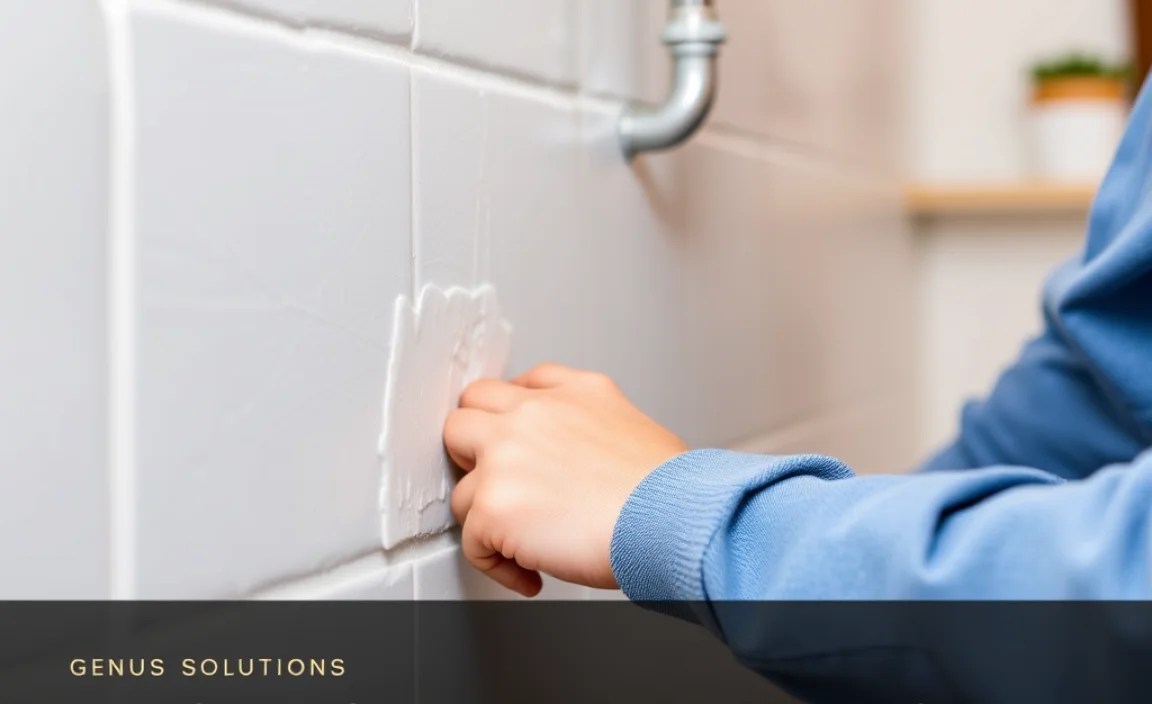
Once your new caulk is in place, a little ongoing care will ensure it lasts for years.
- Regular Cleaning: Gently clean your caulk lines with mild soap and water. Avoid abrasive cleaners or harsh scrubbing, which can wear down the sealant over time.
- Prompt Spill Management: Wipe up any spills or standing water around sinks and tubs immediately. Don’t let water sit against the caulk seam.
- Ventilation: Ensure your bathroom and kitchen are well-ventilated. Using exhaust fans during showers and cooking, and opening windows when possible, helps reduce humidity and prevent mold growth on or behind the caulk.
- Inspect Periodically: At least once a year, visually inspect your caulk lines. Look for any signs of cracking, peeling, mold, or areas where the caulk might be pulling away from the surface. Early detection makes repairs much easier.
Regular maintenance is far less work and much cheaper than dealing with leaks and water damage later on!
When to Consider Professional Help
While many caulking tasks are perfect DIY projects, there are times when calling a professional plumber or contractor is the best course of action.
- Extensive Water Damage: If you discover significant water damage behind walls or under floors, it’s a sign of a more serious leak that a professional needs to address.
- Suspected Pipe Leaks: If you believe the leak is coming from a pipe itself, rather than a simple gap in sealing, a licensed plumber is essential.
- Complex Installations: For very large or intricate projects, or if you feel uncomfortable with any part of the process, a professional can ensure the job is done correctly and safely.
- Recurring Problems: If you’ve caulked an area multiple times, and it continues to fail, there might be an underlying issue like structural movement or improper ventilation that a pro can diagnose.
Don’t hesitate to call in the experts when your DIY confidence reaches its limit or when the problem appears to be beyond simple sealing.
Table: Caulk Types at a Glance for Plumbing
To help you quickly decide, here’s a comparison of common caulk types for plumbing applications.
| Caulk Type | Best For Plumbing Use | Water Resistance | Flexibility | Paintability | Ease of Use/Cleanup | Typical Use Cases |
|---|---|---|---|---|---|---|
| 100% Silicone |
