
Quick Summary: Understanding bathroom components involves knowing their pros and cons for informed maintenance and renovation. Key elements like toilets, sinks, faucets, showers/tubs, and cabinets each offer different benefits and drawbacks regarding cost, durability, ease of use, and aesthetic appeal, helping you make smart choices for your home.
Let’s talk about your bathroom – that busy room everyone uses daily! Sometimes, things feel a bit off, or maybe you’re thinking of a refresh. Knowing the main parts of your bathroom and what makes them great (and not so great) can save you time and money. It’s not as complicated as it sounds. We’ll break down each piece so you can feel confident when it’s time for a fix or an upgrade. Get ready to understand your bathroom like never before!
Understanding Your Bathroom’s Building Blocks


Your bathroom is more than just a room; it’s a system of interconnected parts that work together. Each component, from the silent sentinel of the toilet to the sparkling faucet, plays a crucial role. When one part has an issue, it can affect the whole experience. Learning about these core components and their typical challenges empowers you to maintain your bathroom efficiently and make better decisions for your home. Think of it as getting to know your house’s essential machinery. We’re going to explore the big players.
The Toilet: The Unsung Hero
The toilet is arguably the most critical fixture in any bathroom. It’s designed for one primary purpose: efficient waste removal. While seemingly simple, toilets have evolved significantly in terms of water efficiency and flushing power. Understanding its basic parts can help you troubleshoot common issues like leaks or weak flushes.
Key Toilet Components You Should Know:
- Tank: Holds the water needed for each flush.
- Bowl: Where waste is deposited.
- Flapper: A rubber stopper that seals the tank opening, lifting to release water into the bowl.
- Fill Valve (Ballcock): Replaces water in the tank after a flush.
- Flush Handle/Button: Activates the flushing mechanism.
- Siphon Jet: Used in some toilets to help clear the bowl.
Pros of Modern Toilets:
- Water Efficiency: Newer models use significantly less water per flush than older ones, saving money on water bills and helping the environment. The U.S. Environmental Protection Agency (EPA) WaterSense program provides labels for water-efficient products, often using 1.28 gallons per flush or less.
- Improved Flushing Power: Despite using less water, modern toilets often feature advanced designs (like dual-flush systems or larger trapways) that provide powerful and effective flushing.
- Comfort and Design: Toilets come in various heights (standard, comfort height), shapes (round, elongated), and styles to suit different user preferences and bathroom aesthetics.
- Durability: Made from porcelain or ceramic, toilets are robust fixtures designed to last for many years with proper care.
Cons of Modern Toilets:
- Clogging Issues: Even efficient toilets can clog if too much material is flushed or if there’s an underlying issue with the plumbing.
- Maintenance Needs: Internal components like flappers and fill valves can wear out over time, requiring replacement to prevent constant running or leaks.
- Installation Complexity: While not overly difficult, installing a toilet involves heavy lifting and precise sealing to prevent leaks, which can be daunting for beginners.
- Cost: High-efficiency or designer toilets can be more expensive upfront than basic models.
The Sink and Faucet: The Bathroom’s Workhorse
The sink and faucet are where most of your daily bathroom activity happens – handwashing, brushing teeth, and quick face washes. Their design and functionality significantly impact the bathroom’s ease of use and overall look.
Sink Types and Their Features:
- Under-mount sinks: Installed beneath the countertop, offering a sleek look and easy counter cleaning.
- Drop-in (Self-rimming) sinks: Installed from above, with a rim resting on the countertop. They are generally easier to install.
- Pedestal sinks: A classic look where the sink sits atop a decorative pedestal, ideal for small spaces but offering no counter storage.
- Vessel sinks: A bowl that sits on top of the countertop, making a strong design statement but can be prone to splashing.
Faucet Styles to Consider:
- Single-handle faucets: Easy to operate with one hand, controlling both temperature and flow.
- Two-handle faucets: Separate handles for hot and cold water, offering more precise temperature control.
- Wall-mounted faucets: Mounted on the wall above the sink, saving counter space and adding a modern touch.
Pros of Sinks and Faucets:
- Functionality: They are essential for hygiene and daily routines, providing access to water.
- Aesthetic Variety: Available in numerous materials (porcelain, stainless steel, composite), colors, and styles to match any bathroom decor.
- Ease of Use: Modern faucets, especially single-handle designs, are user-friendly, particularly for children and those with mobility issues.
- Durability: Well-maintained sinks and faucets, especially those made of ceramic, porcelain, or solid brass, can last for decades.
Cons of Sinks and Faucets:
- Water Leaks and Drips: Faucet washers, O-rings, or cartridges can wear out, leading to annoying drips and wasted water. A persistent drip can waste hundreds of gallons of water per year.
- Corrosion and Stains: Faucets, especially those made from less durable materials, can corrode or stain over time due to water quality and cleaning agents.
- Installation Challenges: Replacing a faucet often requires working in tight spaces under the sink, and improper installation can lead to leaks.
- Cleaning: Complex faucet designs or sinks with tight corners can be harder to clean thoroughly.
Showers and Tubs: The Relaxation and Cleaning Zones
Whether you prefer a quick rinse in the shower or a long soak in the tub, these fixtures are central to your bathroom experience. Their design and maintenance impact your comfort and the overall function of the room.
Common Shower and Tub Types:
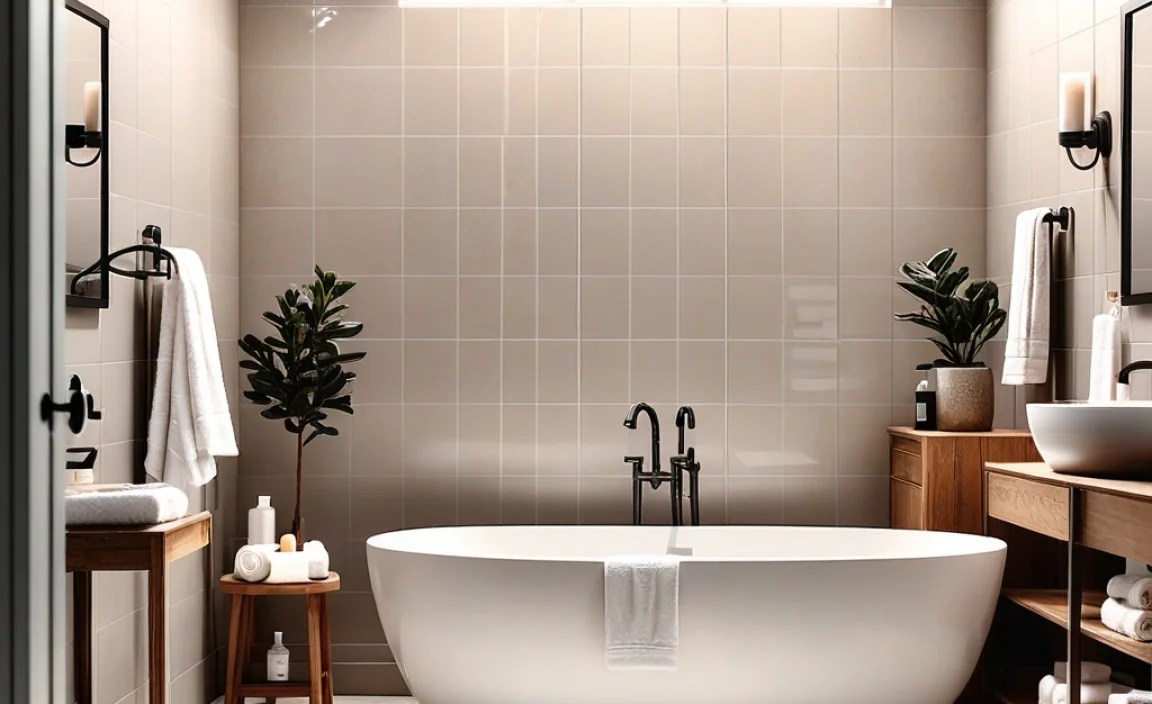
- Bathtubs: Classic fixtures offering a full body soak. They can be freestanding or built into a surround.
- Alcove showers: The most common type, fitted into a three-walled recess, typically topped with a shower curtain or door.
- Custom tiled showers: Offering a high-end look and complete design freedom, these require professional installation and meticulous waterproofing.
- Walk-in tubs: Designed for accessibility, featuring a low entry threshold and a seat.
Pros of Showers and Tubs:
- Relaxation and Therapy: Tubs offer a space for relaxation, stress relief, and soaking away aches.
- Space Efficiency: Shower-only bathrooms can be much smaller than those with tubs, making them ideal for compact spaces.
- Accessibility: Options like walk-in tubs and curbless showers significantly improve bathroom accessibility for the elderly or those with mobility issues.
- Water Savings (Showers): Modern low-flow showerheads can drastically reduce water consumption compared to baths. For instance, a standard showerhead uses about 2.5 gallons per minute (GPM), while a WaterSense-labeled showerhead uses no more than 2.0 GPM.
Cons of Showers and Tubs:
- Water Damage and Mold: Improperly sealed grout or caulk in showers and around tubs can lead to water leaks, mold growth, and structural damage.
- Maintenance of Fixtures: Showerheads can become clogged with mineral deposits, and tub drains can get obstructed with hair and soap scum.
- High Water Usage (Tubs): Filling a bathtub can use a significant amount of water, often more than a short shower.
- Cleaning Effort: Keeping showers and tubs clean, especially tiled areas, can be labor-intensive and require specialized cleaning products.
Bathroom Ventilation and Lighting: Often Overlooked Essentials
These elements might not be as flashy as a new faucet, but proper ventilation and lighting are crucial for a healthy, comfortable, and functional bathroom.
Ventilation Pros and Cons:
- Pros:
- Moisture Control: Exhaust fans remove humid air, preventing mold and mildew growth. This is critical for longevity of paint, drywall, and fixtures. According to the EPA, bathroom fans use a significant amount of energy, so ENERGY STAR certified models are recommended.
- Odor Removal: Fans help clear out unpleasant odors quickly.
- Improved Air Quality: Reduces the buildup of potentially harmful airborne particles.
- Cons:
- Noise: Some older or lower-quality fans can be very loud.
- Energy Consumption: Fans use electricity, and older models may not be energy efficient.
- Maintenance: Fan vents can get dusty and require occasional cleaning to maintain airflow.
Lighting Pros and Cons:
- Pros:
- Functionality: Good lighting is essential for tasks like grooming, shaving, and applying makeup.
- Ambiance: Layered lighting (task, ambient, accent) can create a more pleasant and relaxing atmosphere.
- Safety: Well-lit bathrooms reduce the risk of slips and falls.
- Cons:
- Harsh Light: Overly bright or poorly positioned lights can create glare and be unflattering.
- Energy Use: Incandescent bulbs consume more energy than LED alternatives. Switching to LED lighting can reduce energy usage by up to 80%.
- Installation: Electrical work requires caution and knowledge; improper installation can be a fire hazard.
Bathroom Flooring and Walls: The Foundation and Finish
The surfaces of your bathroom take a lot of wear and tear, from moisture to foot traffic. Choosing the right materials is key for durability, safety, and aesthetics.
Flooring Options: Pros and Cons:
Selecting bathroom flooring involves balancing water resistance, slip resistance, durability, and cost. Here’s a look at popular choices:
| Flooring Type | Pros | Cons |
|---|---|---|
| Ceramic/Porcelain Tile | Highly water-resistant, durable, easy to clean, vast design options, relatively affordable. Certified slip-resistant tiles are available. | Grout can stain and mildew if not sealed, can be cold underfoot, can crack if heavy objects are dropped, installation can be labor-intensive. |
| Luxury Vinyl Tile (LVT) / Vinyl Plank | Excellent water resistance, durable, comfortable underfoot, easy to clean, wide range of wood or stone looks, easier DIY installation than tile. | Can be punctured by sharp objects, some lower-quality versions may not look as realistic, can fade in direct sunlight. |
| Natural Stone Tile (e.g., Marble, Granite, Slate) | Luxurious appearance, durable, unique beauty, can increase home value. | Porous and requires regular sealing, can be very expensive, can be slippery when wet (unless textured), installation is expert-level. |
| Laminate Flooring | Affordable, easy to install (click-lock systems), good for light traffic areas. | Not ideal for high-moisture areas like bathrooms as water can seep into seams and cause swelling/warping. Limited water resistance. |
Wall Material Options: Pros and Cons:
Walls in a bathroom need to withstand moisture and be easy to clean. Here’s a comparison:
| Wall Material | Pros | Cons |
|---|---|---|
| Tile (Ceramic, Porcelain, Stone) | Excellent water resistance, durable, easy to clean, very versatile aesthetically. | Expensive, requires skilled installation, grout lines need sealing and maintenance. |
| Moisture-Resistant Drywall | Affordable, easy to install and paint, readily available. The National Association of Home Builders recommends using moisture-resistant drywall (often green board or blue board) in bathrooms. | Not as waterproof as tile; requires proper painting with appropriate primer and paint to resist moisture, can be damaged by direct water exposure. Needs regular inspection for signs of mold. |
| Waterproof Panels (e.g., PVC, Acrylic) | Completely waterproof, seamless installation possible (reduces mold risk), easy to clean, often faster to install than tile. | Can be more expensive than drywall, may scratch or crack, aesthetic options might be more limited than tile. |
Plumbing Fixtures: What You Don’t See Matters
Beneath the surface of your bathroom lies a network of pipes and valves that are essential for delivering water and removing waste. While you don’t interact with them daily, their condition is vital.
Key Plumbing Elements:
- Pipes (Supply and Drain): Carry water to fixtures and waste away.
- Valves: Control water flow (e.g., shut-off valves behind the toilet or sink).
- Traps: U-shaped pipes under sinks and toilets that hold water to prevent sewer gases from entering your home.
- Water Heater: Provides hot water for sinks and showers.
Pros of Well-Maintained Plumbing:
- Reliable Water Supply: Consistent hot and cold water flow to all fixtures.
- Leak Prevention: Properly installed and maintained pipes and joints prevent costly water damage and mold.
- Efficient Drainage: Waste and water are removed quickly and effectively without backups.
- Water Conservation: No hidden leaks mean no wasted water.
Cons of Plumbing Issues:
- Leaks and Water Damage: The most common and costly issue, leading to structural damage, mold, and high water bills.
- Low Water Pressure: Can be caused by pipe blockages, leaks, or issues with municipal supply.
- Drain Clogs: Hair, soap scum, and foreign objects can block drains, leading to slow or non-existent drainage.
- Noisy Pipes: Pipes that rattle or bang can indicate loose fastenings or air in the system.
- Corrosion: Older metal pipes can corrode internally, affecting water quality and leading to leaks. Lead pipes pose significant health risks.
Making Informed Decisions for Your Bathroom
Understanding the pros and cons of each bathroom component is your roadmap to successful maintenance and smart upgrades.
