
Quick Summary: Understanding flush valve components is key to toilet repair. While standard flushometer valves are common, alternatives like tank-style toilets offer different mechanisms and maintenance. This guide breaks down each, helping you identify and fix issues with confidence, saving water and preventing leaks.
Is your toilet running more than you are lately, or making strange gurgling noises? Don’t worry, you’re not alone! Toilet troubles can be frustrating, but most boil down to a few key parts inside. Understanding these components, especially when comparing a traditional flush valve system to older tank-style toilets, is the first step to a quick and easy fix.
This guide will walk you through exactly what makes a flush valve tick and how it differs from other systems. We’ll break down the parts in simple terms, so you can feel empowered to tackle that leaky toilet or sputtering flush. Get ready to master your bathroom’s plumbing!
Understanding Your Toilet’s Flush System

Before we dive into the specifics of flush valves and their alternatives, let’s get a general picture of how a toilet works its magic. At its core, a toilet flushes by using gravity to move water from a reservoir into the bowl, creating a siphon effect that clears waste.
The key difference between various toilet types lies in how that water reservoir is managed and released. The most common systems you’ll encounter are those with a tank and a “flushometer” valve, and older, less common systems that might have different mechanisms.
Let’s demystify these systems to make maintenance a breeze.
The Standard Flush Valve Explained
The term “flush valve” most commonly refers to the assembly found in commercial or public restrooms, also known as a flushometer. These are direct-flush systems that don’t rely on a water tank. Instead, they connect directly to the water supply line and use a valve that releases a powerful burst of water when activated.
This system is designed for high-traffic areas, providing a quick and efficient flush. They often look sleeker and take up less space than traditional tank toilets.
Key Components of a Flushometer Valve (Flush Valve)
While a flushometer might appear simple on the outside, it contains several crucial parts working together. Knowing these will help you diagnose and fix issues.
- Handle/Push Button: This is what you interact with. Pushing the button or lifting the handle triggers the flushing mechanism.
- Cap and Cover: These protect the internal workings of the valve.
- Vacuum Breaker or Spud Connection: This part connects the flushometer to the toilet bowl. A vacuum breaker is crucial to prevent wastewater from siphoning back into the clean water supply, which is a vital public health protection.
- Piston Assembly (or Diaphragm Assembly): This is the heart of the flushometer. When activated, water pressure pushes water through this assembly. As the water level drops, the piston/diaphragm moves, eventually closing off the water flow.
- Internal Seals and Gaskets: Like any plumbing fixture, these rubber or plastic parts prevent leaks. Over time, they can wear out, causing the valve to leak or not shut off properly.
- By-Pass Hole: A small hole in the piston/diaphragm allows a slow trickle of water to fill the bowl after the main flush, and also helps to refill the chamber above the piston to reset the valve for the next flush.
- Shut-off Valve: Located on the water supply line to the flushometer, this allows you to turn off water to the fixture for maintenance or emergencies.
How a Flushometer Valve Works
- Activation: You press the button or lift the handle. This opens a small valve inside the flushometer.
- Water Release: Water from the supply line rushes into the flushometer.
- Piston/Diaphragm Movement: The water pressure acts on the piston or diaphragm, forcing it upwards. This movement opens a larger valve, allowing a powerful stream of water to be discharged into the toilet bowl.
- Siphon Action: The surge of water creates a siphon in the toilet bowl, pulling waste and water down the drain.
- Reset: As the water drains from the flushometer, the pressure equalizes. The by-pass hole starts to refill the chamber above the piston. Once the chamber is full, the piston/diaphragm reseats itself, closing the main valve. A small amount of water also flows through the by-pass hole to refill the toilet bowl to its proper water level.
Alternatives to the Flush Valve: The Tank-Style Toilet

The most common alternative to a flushometer is the familiar tank-style toilet found in most homes. These toilets use a tank to store water and a different mechanism to release it into the bowl.
While they serve the same purpose, the internal workings are quite distinct. Understanding these differences is crucial if you’re trying to repair a tank toilet or comparing the two systems.
Key Components of a Tank-Style Toilet
Tank toilets have their own set of parts that work in harmony to provide a flush.
- Fill Valve (Ballcock): This critical component controls the refilling of the tank. It opens to let water in when the tank is empty and shuts off when the water reaches a preset level. Modern fill valves are generally float-cup or float-ball types.
- Flush Valve Seat: This is a raised ring at the bottom of the tank. The flush valve stopper sits on this seat to prevent water from entering the bowl when the tank is full.
- Flush Valve Stopper (Flapper or Tank Ball): This is a rubber or plastic piece that covers the flush valve seat. When you flush, this stopper lifts, allowing water to rush from the tank into the bowl.
- Lift Chain/Rod: Connects the flush lever to the flush valve stopper. When the lever is pushed, it lifts the chain/rod, which in turn lifts the flapper.
- Flush Lever: The external handle you press to initiate a flush.
- Overflow Tube: A vertical tube inside the tank. If the fill valve fails and the tank overfills, water spills into the overflow tube and down into the toilet bowl, preventing the tank from overflowing onto the floor.
- Float (Ball or Cup): Attached to the fill valve, this mechanism rises with the water level and signals the fill valve to shut off the water supply.
How a Tank-Style Toilet Works
- Filling the Tank: When the tank is empty (after a flush), the fill valve opens, allowing fresh water to enter. The float rises with the water level.
- Water Level Reached: When the water reaches the pre-set level, the float mechanism signals the fill valve to shut off the water supply.
- Ready to Flush: The tank is now full of water, held back by the flush valve stopper resting on the flush valve seat.
- Activation: You press the flush lever. This lifts the flush valve stopper (usually a flapper) via the lift chain/rod.
- Water Discharge: The water stored in the tank rushes through the opening at the bottom of the tank and into the bowl, creating the siphon effect to clear waste.
- Stopper Resets: The flapper falls back onto the flush valve seat as the water drains from the tank.
- Tank Refills: The fill valve reopens, and the process begins again to refill the tank.
Comparing Flush Valve Systems: Flushometer vs. Tank
Both systems aim to flush waste efficiently, but they do it differently and have distinct advantages and disadvantages. Here’s a table to help visualize the key differences:
| Feature | Flushometer Valve (Flush Valve System) | Tank-Style Toilet |
|---|---|---|
| Water Reservoir | Directly connected to water supply; no tank. | Has a visible tank that stores water. |
| Flush Power | High pressure, powerful burst of water. | Relies on gravity and volume of water in the tank. |
| Water Usage | Often uses less water per flush (e.g., 1.6 GPF or less) due to efficiency, but can be less efficient if miscalibrated or faulty. Modern options can be very water-saving. | Traditionally used more water (e.g., 3.5 GPF), but modern high-efficiency toilets (HETs) use 1.28 GPF or less. |
| Speed of Flush | Very fast, almost immediate. | Slight delay as tank empties. |
| Common Location | Commercial, public restrooms, some modern homes. | Most residential homes. |
| Complexity of Repair | Can be slightly more complex for beginners due to precise piston/diaphragm mechanisms. | Generally simpler, with readily available replacement parts for flappers, fill valves, and levers. |
| Noise Level | Can be louder, with a distinct “whoosh” sound. | Generally quieter, with tank refilling noise. |
| Space Efficiency | More compact, as there’s no tank. | Requires more depth for the tank. |
| Water Supply Pressure Requirement | Requires adequate water pressure (typically 20-80 PSI) to operate correctly. | Less dependent on high pressure; gravity powered. |
Common Problems and Fixes
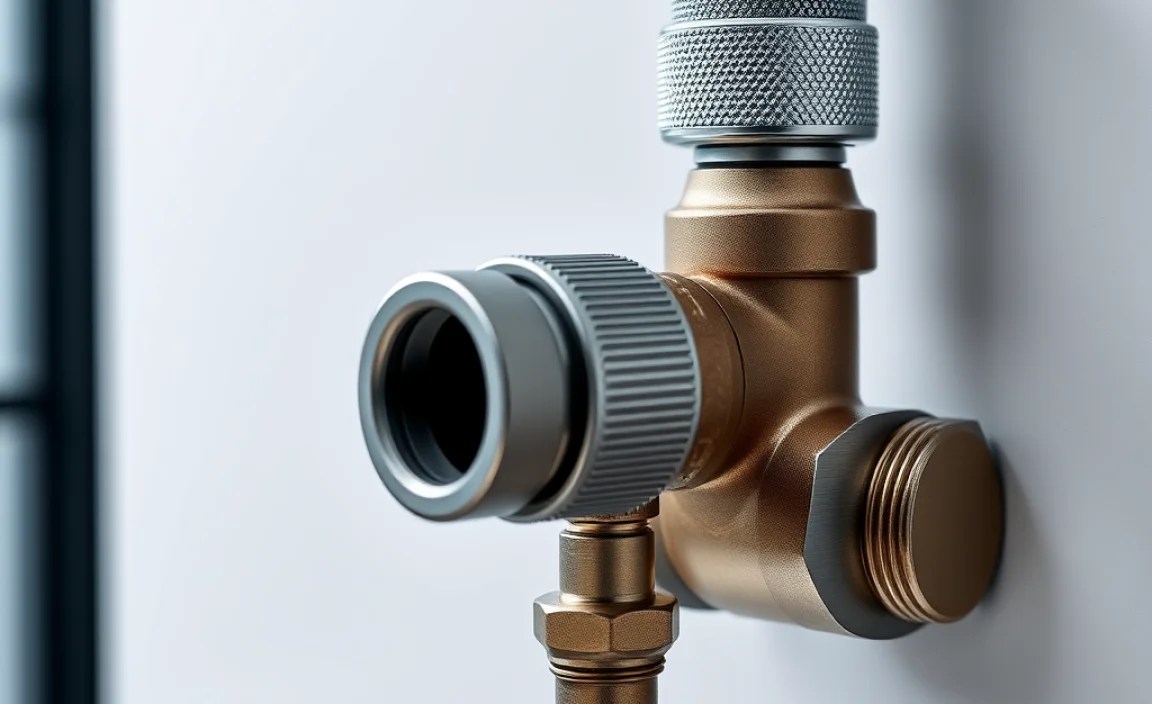
No matter the system, leaks and malfunctions are bound to happen over time. Here’s a quick guide to common issues and their solutions.
Flushometer Valve Issues:
- Leaking/Running Toilet: This is usually due to worn-out seals or a faulty piston assembly. Sometimes, the by-pass hole can get clogged.
Fix: Often requires replacing the internal seals or the entire piston assembly. Kits are readily available. You can check the International Association of Plumbing and Mechanical Officials (IAPMO) for standard repair procedures. - Incomplete Flush: The valve might not open fully, or it may close too soon. This could be a low water pressure issue, a partially clogged by-pass hole, or a worn-out piston.
Fix: Ensure the shut-off valve is fully open and water pressure is adequate. Clean the by-pass hole. Replace the piston assembly if worn. - Not Shutting Off: Water continues to run into the bowl. This is a sign of worn seals on the piston or a problem with the valve seat.
Fix: Replace the piston assembly and its seals.
Tank-Style Toilet Issues:
- Running Toilet (Water going into the bowl): This is almost always a faulty flapper. It’s not creating a seal on the flush valve seat.
Fix: Replace the flapper. They are inexpensive and easy to install. Ensure the chain has the correct slack – not too tight, not too loose. - Tank Not Filling Completely: The fill valve might be malfunctioning or the float is set too low.
Fix: Adjust the float mechanism on the fill valve to allow the water level to rise higher. If that doesn’t work, replace the fill valve assembly. - Tank Overfilling: The fill valve is not shutting off.
Fix: Adjust the float mechanism down. If it still overfills, the fill valve needs to be replaced. The overflow tube will divert excess water into the bowl during this process. - Weak Flush: Not enough water is being released, or the siphon isn’t strong enough. This could be due to a flapper that closes too soon, a partially clogged siphon jet (in the bowl), or insufficient water in the tank.
Fix: Check water level in tank. Ensure flapper is opening fully and closing at the right time. A plumber may need to address bowl blockages.
Essential Tools for DIYers
For most toilet repairs, you won’t need a vast toolbox. Here are the essentials:
- Adjustable Wrench: For tightening or loosening supply line connections.
- Screwdriver Set: Both Phillips and flathead might be needed for various parts.
- Pliers: Standard and needle-nose can be helpful for holding small parts or manipulating chains.
- Teflon Tape (Plumber’s Tape): For sealing threaded pipe connections to prevent leaks.
- Bucket and Towels: Essential for catching drips and cleaning up spills.
- Gloves: For hygiene.
Conclusion
Navigating the world of toilet flush valves might seem daunting at first, but by understanding the core components and how flushometer systems differ from their tank-style counterparts, you’re already ahead of the game. Whether you’re dealing with a powerful flushometer in a commercial setting or the familiar tank of your home toilet, the underlying principles of water flow and pressure are what make them work.
By learning these parts, you gain the confidence and knowledge to tackle minor repairs, diagnose issues, and keep your plumbing running smoothly. Remember to always prioritize safety, turn off the water supply before starting any work, and don’t hesitate to consult professional resources or a plumber if you encounter a problem beyond your comfort level. Happy fixing!
Frequently Asked Questions (FAQ)
Q1: How do I know if I have a flushometer or a tank toilet?
A: Look at your toilet. If it has a tank behind the bowl that fills with water, it’s a tank toilet. If it’s a more compact fixture with a valve assembly directly on the wall behind it, often with a lever or button on the front, it’s likely a flushometer valve system.
Q2: Are flushometer valves hard to repair?
A: For a beginner, they can seem more intimidating than a tank toilet. However, most common repairs involve replacing a kit with seals and a piston. Taking clear photos before you start and following instructions can make it manageable.
Q3: Can I convert a flushometer toilet to a tank toilet, or vice-versa?
A: It’s generally not practical or cost-effective to convert between types. They are installed differently and require different plumbing configurations. It’s usually best to replace the entire fixture if you desire a different system.
Q4: What does “GPF” mean?
A: GPF stands for Gallons Per Flush. It’s a measurement of how much water a toilet uses for each flush. Lower GPF numbers indicate more water-efficient toilets.
Q5: My toilet runs constantly. Is it wasting a lot of water?
A: Yes, a constantly running toilet can waste hundreds, even thousands, of gallons of water per day. Addressing leaks promptly is crucial for water conservation and to avoid high utility bills. You can check the U.S. Environmental Protection Agency’s (EPA) WaterSense program for more water-saving tips.
Q6: What causes a flushometer to make a “hammer” sound?
A: This noise, known as water hammer, can happen when the valve closes suddenly, causing a shockwave in the pipes. It might be due to a faulty piston, worn out relief valve, or insufficient air cushion chambers in the plumbing system. Sometimes, adjusting certain internal components can help, but if persistent, a plumber might be needed.
