
Vanity components are the key parts that make up your bathroom vanity, like the cabinet, countertop, and sink. Understanding their pros and cons helps you choose durable, stylish, and functional pieces for your space.
Your bathroom vanity is more than just a sink; it’s a cornerstone of your bathroom’s look and function. Sometimes, the thought of replacing or upgrading one can feel a bit overwhelming. You might wonder about all the different parts that go into it and what makes one better than another. Don’t worry, we’re here to navigate those choices together! This guide breaks down the essential components of a bathroom vanity, explaining their benefits and drawbacks in simple terms. By the end, you’ll feel confident in choosing the perfect pieces for your home.
Understanding Your Vanity: The Essential Building Blocks


A bathroom vanity is often the first thing you notice when you walk into a bathroom. It’s where you brush your teeth, wash your face, and get ready for the day. Because it’s used so frequently, its different parts need to be both beautiful and tough. Let’s explore the main components that make up a typical vanity and what you should know about them.
1. The Vanity Cabinet: The Foundation of Style and Storage

The cabinet is the main body of your vanity. It houses the drawers and doors, providing crucial storage space for toiletries, cleaning supplies, and towels. The material and construction of the cabinet significantly impact its durability, appearance, and cost.
Types of Vanity Cabinets and Their Pros & Cons

Vanity cabinets come in a variety of styles and are made from different materials. Here’s a breakdown to help you decide:
| Cabinet Type | Pros | Cons |
|---|---|---|
| Particleboard/MDF (Medium-Density Fiberboard) |
|
|
| Plywood |
|
|
| Solid Wood (Oak, Maple, Cherry, etc.) |
|
|
Cabinet Construction Styles

Beyond materials, how a cabinet is put together matters:
- Assembled Vanities: These come ready to install, saving you time and effort. They are ideal for those who want a quick and professional-looking upgrade. However, they can be less customizable and sometimes more expensive than RTA options.
- Ready-to-Assemble (RTA) Vanities: These are flat-packed and require assembly. They are typically more affordable and offer good value. The trade-off is the time and effort needed for assembly, which can be a bit challenging for complete beginners. If you’re comfortable with basic tools and instructions, RTA can be a great choice.
When choosing a cabinet, consider the humidity levels in your bathroom. If your bathroom tends to get steamy, investing in plywood or solid wood with a good moisture-resistant finish is a smart move. For high-traffic bathrooms, look for robust construction that can withstand daily use.
2. The Countertop: The Surface of Substance

The countertop is the flat surface that sits atop the vanity cabinet. It’s where your sink is mounted and is a central element of the vanity’s design. Countertop materials vary widely in appearance, durability, cost, and maintenance needs.
Popular Countertop Materials: Pros & Cons

Choosing the right countertop can elevate your bathroom’s style and functionality. Here’s a look at common options:
| Countertop Material | Pros | Cons |
|---|---|---|
| Laminate |
|
|
| Cultured Marble/Granite |
|
|
| Granite |
|
|
| Quartz (Engineered Stone) |
|
|
| Marble |
|
|
| Solid Surface (e.g., Corian) |
|
|
For DIYers, laminate and some solid surface materials might be easier to cut and install yourself if you’re modifying an existing vanity. However, for natural stones like granite and marble, or engineered options like quartz, professional measurement and installation are usually recommended due to their weight and specific cutting requirements. Resources like The Marble Institute of America (now MIA+BSI) offer extensive information on stone care and best practices, which can be helpful even for DIYers considering stone.
3. The Sink: Where Water Meets Style

The sink is a functional necessity and a key design element. It’s where you perform your daily hygiene rituals. Sinks come in various configurations, materials, and installation types, each with its own advantages.
Sink Types and Installation Methods: Pros & Cons

The sink’s placement and style can dramatically change the look and feel of your vanity.
| Sink Type / Installation | Pros | Cons |
|---|---|---|
| Drop-in (Top-Mount) Sink |
|
|
| Undermount Sink |
|
|
| Vessel Sink |
|
|
| Integrated Sink |
|
|
When considering sink type, think about your cleaning habits. If you prefer quick wipe-downs, an integrated or undermount sink with a solid surface or quartz countertop is fantastic. If you love unique designs and want to make a statement, a vessel sink could be perfect, but be prepared for slightly different cleaning routines.
4. The Faucet: The Control Center of Your Sink

The faucet is more than just a water dispenser; it’s a functional piece of hardware that contributes significantly to the overall look of your vanity. Faucets come in various finishes, styles, and valve types.
Faucet Finishes and Styles: Pros & Cons

The finish and style of your faucet can tie your entire bathroom’s aesthetic together.
- Chrome:
- Pros: Durable, affordable, easy to clean, resistant to corrosion and tarnishing, versatile look that matches most decors.
- Cons: Shows water spots and fingerprints easily, which can require frequent wiping.
- Brushed Nickel/Stainless Steel:
- Pros: Hides water spots and smudges well, durable, offers a slightly warmer, more modern look than polished chrome, resistant to corrosion.
- Cons: Can be slightly more expensive than chrome, may have a less “shiny” appearance if that’s what you prefer.
- Bronze/Oil-Rubbed Bronze:
- Pros: Rich, classic look that complements traditional or rustic styles, durable finish that develops a patina over time.
- Cons: Can be more expensive, finish can vary widely between manufacturers, may not be as durable against harsh cleaners as chrome or nickel.
- Matte Black:
- Pros: Sleek, modern, and minimalist aesthetic, makes a bold statement, hides water spots well.
- Cons: Can show calcium buildup if not cleaned regularly, potentially less durable than metallic finishes if the coating is thin, can be more expensive.
- Brass/Gold:
- Pros: Adds a touch of luxury and warmth, can be polished for a high shine or have aged finishes for a vintage feel, trendy in modern design.
- Cons: Can be expensive, some finishes may tarnish or require specific cleaning products, can be a strong style statement that may not suit all bathrooms.
Faucet Valve Types

This is about how the faucet controls water flow:
- Compression Valves: Older style, two handles, requires turning to compress a washer against a valve seat. Least durable, prone to leaks.
- Cartridge Valves: Single or double handle, uses a movable stem to control water flow. More durable and reliable than compression.
- Ball Valves: Single handle, uses a rotating ball with ports. Very durable and smooth operation.
- Ceramic Disc Valves: Single handle, uses two durable ceramic discs that glide against each other to control water. Most durable, best for leak prevention, often found in higher-end faucets.
For beginners, faucets with ceramic disc valves are often the best bet for long-term reliability and ease of use. They offer excellent drip-free performance. When choosing a finish, think about your existing hardware (door knobs, towel bars) and what will be easiest for you to maintain.
5. Hardware: The Little Details That Make a Big Difference

Hardware refers to the knobs, pulls, and drawer slides on your vanity. These seemingly small details can significantly impact both the look and the functionality of your cabinet.
Hardware Types and Materials: Pros & Cons
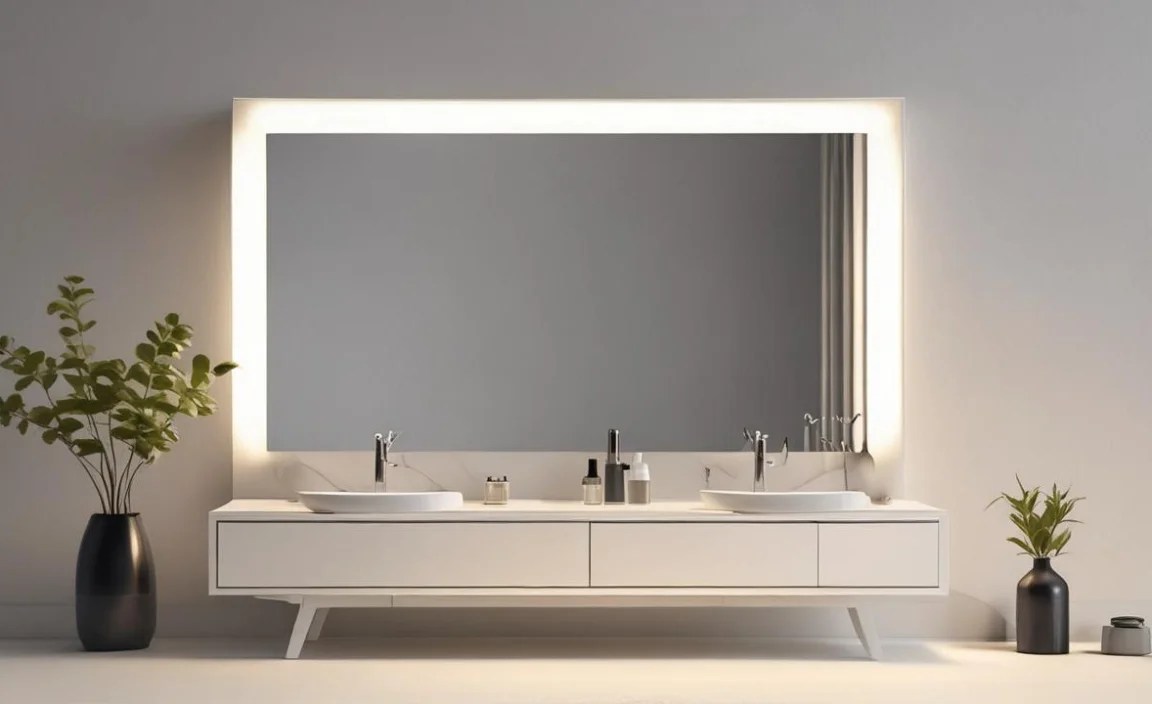
The right hardware can complete a look.
| Hardware Type | Pros | Cons |
|---|---|---|
| Knobs & Pulls |
|
|
| Drawer Slides |
|
|
If you’re looking to refresh an existing vanity without a full replacement, changing out the hardware is a fantastic DIY project. It’s relatively inexpensive and can completely transform the unit’s appearance. For drawer slides, if you’re replacing them, look for full-extension slides with a ball-bearing mechanism.
