
Understanding the essential components of a vanity—like the countertop, sink, faucet, cabinet, and hardware—is key to choosing the right one for your bathroom. This guide breaks down each part, helping you make informed decisions for a stylish and functional space.
Are you looking to upgrade your bathroom and feeling a bit overwhelmed by all the jargon? You’re not alone! A bathroom vanity is more than just a pretty piece of furniture; it’s a central hub for your daily routine. Getting to know its different parts, or components, can make choosing and even maintaining it much simpler. This guide is designed to demystify the world of vanities. We’ll walk through each essential part, explaining exactly what it is and why it matters. By the end, you’ll feel confident in your knowledge and ready to make the best choice for your home.
Understanding the Core Components of a Bathroom Vanity

Your bathroom vanity is a critical piece of your bathroom’s design and functionality. It’s where you get ready in the morning, brush your teeth, and wash your hands. Because it’s so central, knowing its different parts can help you choose the right style, ensure it fits your needs, and even help with simple repairs down the line. Let’s break down the vanity into its core components, making it easy to understand each piece.
Cabinet: The Foundation of Your Vanity

The cabinet is the main body of the vanity, providing storage and supporting the countertop. It’s the largest component and sets the style for your entire vanity unit. Vanities come in various forms, from fully assembled units to “vanity cabinets” that you can then top with a separate countertop and sink.
Types of Vanity Cabinets
- Freestanding Vanities: These usually come as a complete unit, ready to be installed. They look like a piece of furniture and often have legs, giving them a classic or transitional feel. They are generally easier to install than built-in options.
- Wall-Mounted Vanities (Floating Vanities): These cabinets are attached directly to the wall, creating a “floating” look. This design is modern and sleek, and it also makes cleaning the floor underneath much easier. However, they require secure wall mounting, which can be more complex.
- Pedestal Sinks: While not a full cabinet, a pedestal sink has a base that supports the basin and hides the plumbing. These are very space-saving but offer no storage.
- Console Vanities: These have an open design, often with a countertop supported by legs or a frame, and possibly a shelf or two. They offer a lighter aesthetic and some minimal storage.
Materials Used for Vanity Cabinets
The material of the cabinet significantly impacts its durability, water resistance, and appearance:
- Solid Wood: Popular choices include oak, maple, cherry, and birch. Solid wood is durable and can be stained or painted for a custom look. However, it’s susceptible to moisture damage if not properly sealed.
- Plywood: High-quality plywood, often used in better-made cabinets, is strong and more resistant to warping than solid wood in humid environments. It’s a stable and reliable material.
- MDF (Medium-Density Fiberboard) and Particleboard: These engineered wood products are more affordable. They are often used with veneers or laminate for a finished look. However, they can swell and degrade if exposed to excessive moisture, making them less ideal for very humid bathrooms without excellent sealing.
Countertop: The Workhorse of Your Vanity

The countertop is the flat surface on top of the cabinet. It serves as the primary surface for toiletries, is where the sink is usually mounted, and plays a huge role in the overall look of your vanity. The material you choose for your countertop will affect its durability, maintenance needs, and cost.
Popular Countertop Materials
Here’s a look at some common materials for vanity countertops:
| Material | Pros | Cons | Typical Price Range (per sq ft) |
|---|---|---|---|
| Granite | Durable, heat-resistant, stain-resistant (when sealed), wide variety of colors and patterns. | Can be porous if not sealed properly, heavy, can be expensive. | $50 – $100 |
| Marble | Luxurious appearance, unique veining, timeless beauty. | Porous, prone to staining and etching from acids (like toothpaste), requires regular sealing, can be very expensive. | $70 – $150+ |
| Quartz (Engineered Stone) | Non-porous, highly stain and scratch-resistant, consistent patterns, low maintenance, durable. | Can be damaged by extreme heat, some patterns can look less natural than stone, can be pricey. | $50 – $120 |
| Solid Surface (e.g., Corian) | Non-porous, seamless look (sink can be integrated), easy to repair, wide color options. | Can scratch or scorch, less luxurious feel than natural stone. | $30 – $75 |
| Laminate | Most affordable, wide range of patterns and colors, lightweight. | Least durable, prone to scratches, chips, and heat damage, not water-resistant at seams, can look less premium. | $15 – $40 |
| Butcher Block (Wood) | Warm, natural look, can be sanded and refinished. | Requires regular sealing and maintenance to prevent water damage and staining, can be prone to warping. | $40 – $80 |
When choosing a countertop, consider how you use your bathroom. If it’s a high-traffic family bathroom, a durable, low-maintenance material like quartz or granite might be best. For a guest powder room with light use, marble or a beautiful wood could be an option.
Sink: The Functional Basin
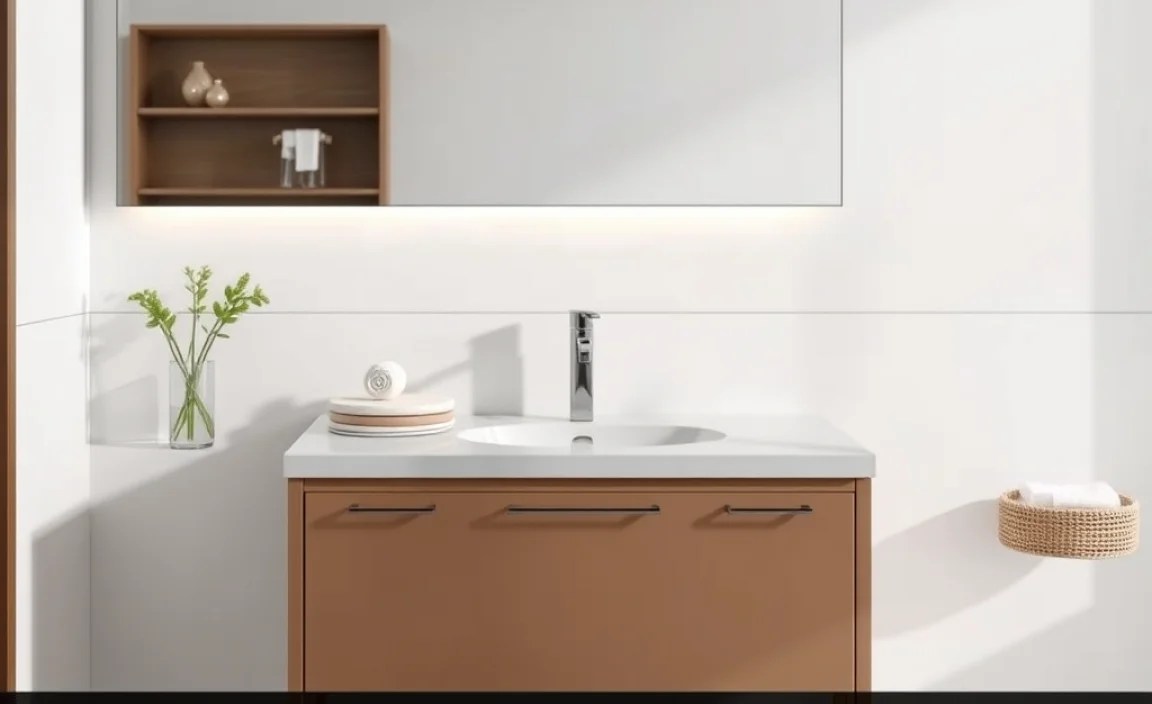
The sink, or basin, is what you use for washing. It’s integrated into or mounted onto the countertop. The type of sink you choose impacts both the look and the functionality of your vanity area.
Types of Sinks
- Undermount Sinks: These are installed beneath the countertop. This creates a seamless look with the countertop, making it very easy to wipe water and crumbs directly into the basin. They are often paired with natural stone or quartz countertops.
- Drop-in (Top-Mount) Sinks: The rim of a drop-in sink sits on top of the countertop, with the basin hanging below. These are generally easier and less expensive to install and can be a good option for DIYers. They are common with laminate and solid surface countertops.
- Vessel Sinks: These are bowls that sit entirely on top of the countertop. They make a strong decorative statement and are available in many materials like ceramic, glass, stone, and metal. They require a specific faucet that is taller or wall-mounted.
- Integrated Sinks: These are sinks made from the same material as the countertop, creating a completely smooth and seamless look. Solid surface materials like Corian are commonly used for integrated sinks. This is a very easy-to-clean option.
Sink Materials
Most bathroom sinks are made from durable, water-resistant materials:
- Vitreous China/Porcelain: This is by far the most common material. It’s ceramic coated with a heavy enamel, making it durable, non-porous, and easy to clean. It offers a bright white, classic look.
- Glass: Vessel sinks are often made of glass, which can be clear, colored, or textured. They offer a unique, modern aesthetic.
- Stainless Steel: Less common for bathrooms but can be found in minimalist or modern designs. It’s durable and easy to clean.
- Stone: Natural stone sinks (like marble or granite) can be carved to match the countertop, offering a luxurious, cohesive look.
Faucet: The Control Center

The faucet is where the water comes out and is controlled. It’s a crucial functional component that also significantly contributes to the style of your vanity. Faucets come in many finishes, handle types, and styles.
Faucet Configurations (Number of Holes)
This refers to how many holes are drilled in the countertop or sink for installation:
- Single-Hole Faucet: Has one handle and spout combined through a single hole. This is common for modern or minimalist designs.
- Centerset (One-Piece) Faucet: Features the spout and handles joined together as a single unit, requiring a 4-inch spread of holes in the countertop or sink.
- Widespread Faucet: Consists of separate handles and a spout, requiring three holes spaced 8 inches or more apart. This offers a more classic and often more luxurious look.
Common Faucet Finishes
The finish of your faucet can tie the whole bathroom together:
- Chrome: Shiny, highly reflective, durable, and affordable. It’s resistant to corrosion and tarnish.
- Brushed Nickel: Has a matte, slightly textured look that hides water spots and fingerprints well. It’s a very popular choice for its balance of style and practicality.
- Polished Nickel: Similar to chrome but with a warmer, softer tone.
- Bronze (Oil-Rubbed or Venetian): Offers a darker, more traditional or rustic look. Finishes vary from deep brown to reddish tones.
- Matte Black: A modern and bold choice that offers a dramatic contrast.
- Stainless Steel: Durable and resistant to corrosion, with a slightly muted sheen.
When selecting a faucet, ensure it’s compatible with the number of holes in your sink or countertop and considers the overall style of your bathroom. You can find more details on faucet types and installation at resources like BuildingGreen, which discusses water-efficient plumbing.
Hardware: The Finishing Touches
Hardware refers to the handles, knobs, and pulls on your vanity cabinet doors and drawers. While seemingly small, these components can have a big impact on the vanity’s overall style and how easy it is to use.
Types of Hardware
- Knobs: These are typically single pieces that are turned to open a drawer or door. They come in countless shapes, sizes, and materials.
- Pulls: These are usually bar-shaped or curved and require two screws for attachment. They can be easier to grip than knobs, especially for larger drawers.
- Handles: Similar to pulls but often a bit more substantial in design, sometimes with an integrated backplate.
Hardware Materials and Finishes
Hardware is available in a vast array of materials and finishes, often matching faucet finishes for a cohesive look:
- Metal: Most commonly made from materials like zinc, brass, or stainless steel, then plated with finishes like brushed nickel, polished chrome, matte black, or oil-rubbed bronze.
- Glass: Clear or colored glass knobs can add a decorative touch.
- Ceramic/Porcelain: Often feature decorative patterns and can complement traditional or farmhouse styles.
- Wood: Can provide a natural, warm accent, especially on wood cabinets.
Choosing hardware that complements the cabinet finish and the rest of your bathroom’s decor is key. For example, brushed nickel pulls might look great on a white vanity with brushed nickel faucets.
Mirror: Essential for Function and Reflection
While not strictly part of the “vanity unit” itself, a mirror is an indispensable companion to any vanity. It’s essential for grooming and also plays a significant role in how the space feels and looks.
Types of Bathroom Mirrors
- Framed Mirrors: These can have frames made from wood, metal, or other materials, and they add a decorative element. The frame style can significantly influence the room’s aesthetic.
- Frameless Mirrors: Offer a clean, modern, and minimalist look. They can make a small bathroom feel more open.
- Medicine Cabinets: These are mirrors with built-in storage behind them, offering a practical dual solution for hiding toiletries. They can be recessed into the wall or surface-mounted.
- Vanity Mirror Kits: Some vanity sets come with a matching mirror, ensuring a cohesive design.
Consider the size and height of the mirror in relation to the vanity and your own height. A good rule of thumb is for the mirror to be roughly two-thirds the width of the vanity, and its bottom edge should be about 8-12 inches above the countertop.
Drain Assembly and P-Trap: The Hidden Heroes
These are crucial plumbing components that are often overlooked but are essential for the proper functioning of your sink. They are usually located beneath the sink basin and are hidden by the vanity cabinet.
- Drain Assembly: This includes the stopper and the pipe that connects the sink basin to the P-trap. It’s what allows water to drain from the sink and prevents sewer gases from escaping.
- P-Trap: This is a U-shaped pipe that holds a small amount of water. This water creates a seal that prevents unpleasant sewer odors from entering your bathroom.
When installing or replacing a faucet and sink, you’ll often need to deal with these parts. If you ever notice slow draining or peculiar smells, these components might be the culprit, and checking them is a common DIY maintenance task. For more on household plumbing, the EPA’s WaterSense program offers great insights into water-efficient fixtures and practices.
Putting It All Together: Choosing Your Vanity Components
Selecting the right components for your vanity involves balancing style, budget, and practicality. Think about your daily routine and what features are most important to you. Do you need a lot of storage? Is water resistance a top priority for a busy family bathroom? Or are you looking for a sleek, minimalist design for a powder room?
Consideration Checklist:
- Functionality vs. Style: Decide which is more important. A vessel sink is stylish but can splash more than an undermount sink.
- Durability: For high-use areas, opt for durable materials like quartz countertops and porcelain sinks.
- Maintenance: Some materials, like marble, require more upkeep than others, like quartz or solid surface.
- Budget: Vanities can range from a few hundred to several thousand dollars. Set a budget and stick to it, but don’t compromise too much on quality for core components if you can avoid it.
- Space: Measure your bathroom carefully to ensure the vanity cabinet will fit and allow for comfortable movement. Wall-mounted vanities can make smaller spaces feel larger.
- Plumbing: Ensure your chosen sink and faucet are compatible with your existing plumbing rough-ins, or budget for any necessary adjustments.
Frequently Asked Questions (FAQs)
Q1: What is the most important component of a bathroom vanity?
While all components are important, the cabinet and countertop often form the core of the vanity’s structure and aesthetic appeal. The countertop, in particular, is a major surface that needs to be durable and water-resistant.
Q2: How do I choose the right sink type for my vanity?
Consider your usage and desired style. Undermount sinks offer a clean look and easy cleanup, ideal for most bathrooms. Vessel sinks are decorative statement pieces but can be less practical for high-use areas. Integrated sinks provide a seamless, easy-to-clean surface.
Q3: Are there any components I can easily replace to update my vanity?
Yes! Replacing the hardware (knobs and pulls) and the faucet are two of the easiest and most impactful ways to update the look of an existing vanity without a complete overhaul.
Q4: What is the best material for a bathroom vanity countertop?
For durability and low maintenance, quartz and granite are excellent choices. Quartz is non-porous and highly resistant to stains and scratches. Granite is very durable and heat-resistant but requires regular sealing. For budget-friendly options, laminate is common but less durable.
Q5: What is a P-trap and why is it important?
A P-trap is a U-shaped pipe under your sink that holds water. This water creates a seal, preventing sewer gases from coming up through your drain and into your bathroom, thus eliminating unpleasant odors. It’s a vital part of your plumbing system.
Q6: Can I install a faucet that doesn’t match my sink’s hole configuration?
Generally, no. Faucets are designed for specific hole configurations (single-hole, centerset, widespread). If you have a sink with a certain number of holes, you need a faucet designed for that configuration.
