
A diagram of a cistern helps you understand its components and how it works, highlighting the significant pros and cons of using one for water storage. This guide makes choosing and managing your cistern simple.
Ever wonder about where rainwater goes after it’s collected, or how some homes have a backup water supply? That’s often thanks to a cistern! These large tanks are a fantastic way to store water, whether it’s rainwater, well water, or even treated municipal water for emergencies. But like any system, they have their good points and their not-so-good points. Understanding these can help you decide if a cistern is right for your home and how to use it effectively. We’ll break down what a cistern is, show you a simple diagram, and explore all the pros and cons, so you can feel confident about your water storage choices.
What Exactly is a Cistern?
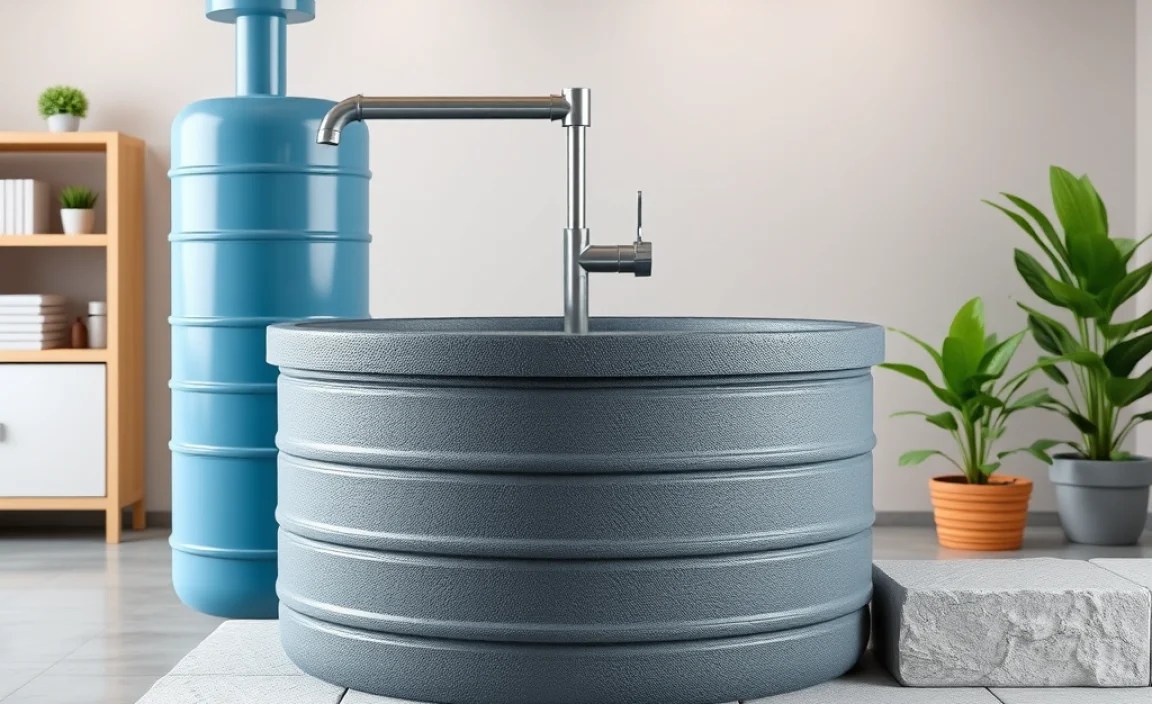
Think of a cistern as a big, safe container for holding water. It’s essentially a water storage tank. Unlike a simple rain barrel that might collect just a few gallons, cisterns are usually much larger and can hold hundreds or even thousands of gallons. They are often used to collect and store rainwater that falls on your roof, but they can also be used to store water from other sources like wells or even treated municipal water for backup.
The primary goal of a cistern is to provide a reliable water supply, especially in areas where water might be scarce, expensive, or unreliable. They can be installed above ground or buried underground, depending on your space and needs. They play a crucial role in water conservation and ensuring water availability.
Diagram of a Cistern: Understanding the Parts

Let’s look at a typical setup for an above-ground rainwater harvesting cistern. Understanding these basic parts will make the pros and cons much clearer.
Imagine a large tank. Water comes into it, gets stored, and then can be taken out when needed. Here’s a breakdown of the key components you’d find:
- Inlet/Overflow Pipe: This is where water enters the cistern. For rainwater harvesting, this pipe is usually connected to your roof’s gutters and downspouts. It also serves as an overflow, directing excess water away when the cistern is full to prevent damage or flooding.
- Water Storage Tank (Cistern): This is the main body of the cistern, designed to hold a large volume of water. They are made from durable materials like polyethylene, fiberglass, concrete, or metal.
- Inlet Screen/Filter: Placed at the inlet, this filter catches leaves, debris, and other large contaminants before they enter the tank, helping to keep the stored water cleaner.
- First Flush Diverter (Optional but Recommended): This device diverts the initial flow of rainwater from the roof. The first rain washes dust, pollen, bird droppings, and other pollutants off the roof and gutters. The first flush diverter sends this initial, dirtier water away, so only cleaner water fills the cistern.
- Outlet/Draw-off Valve: This is where you access the stored water. It’s usually located near the bottom of the tank.
- Pump: To use the stored water for your home (like for toilets, washing machines, or garden hoses), you’ll typically need a pump. This pump draws water from the cistern and pushes it through your pipes.
- Float Switch: Connected to the pump, this controls when the pump turns on and off based on the water level. When the water is low, it turns the pump off; when the water level rises, it turns it back on.
- Vent: This allows air to enter and exit the cistern as water levels change, preventing a vacuum or pressure buildup. It often has a screen to keep insects out.
- Access Hatch/Lid: This provides a way to get inside the cistern for cleaning and maintenance. It should be secure to prevent contamination and unauthorized access.
- Sediment Layer: Over time, small particles that get past filters can settle at the bottom of the cistern, forming a layer of sediment.
This simple diagram illustrates how water flows in, is stored, and then can be distributed. Understanding these parts is key to appreciating the benefits and potential drawbacks of using a cistern.
Pros of Using a Cistern
Cisterns offer a range of compelling advantages, making them a popular choice for many homeowners and property managers focused on sustainability and water security.
1. Significant Water Savings and Reduced Utility Bills
One of the biggest draws of a cistern, especially a rainwater harvesting system, is the potential for substantial water savings. By collecting and using rainwater for non-potable uses like flushing toilets, washing clothes, and irrigating gardens, you significantly reduce your reliance on municipal water or well water. This direct reduction in your water consumption translates into lower monthly water bills. For areas with high water costs or seasonal droughts, this can lead to considerable financial savings over time.
2. Water Independence and Security
A cistern provides a degree of water independence. In regions prone to drought, water restrictions, or disruptions in municipal supply (due to natural disasters or infrastructure issues), having a stored water reserve is invaluable. It ensures you have a supply for essential needs, offering peace of mind and greater resilience. This backup supply is critical for continuity, especially for businesses or homes that rely heavily on a consistent water source.
3. Environmental Benefits and Sustainability
Rainwater harvesting through a cistern is an eco-friendly practice. It reduces the demand on treated municipal water sources, which require energy-intensive purification processes and extensive infrastructure for distribution. By using rainwater, you’re utilizing a free, renewable resource. Furthermore, it can help reduce stormwater runoff, which can otherwise contribute to erosion and water pollution by carrying sediment and contaminants into local waterways.
According to the U.S. Environmental Protection Agency (EPA), rainwater harvesting is an effective strategy for water conservation and can be a valuable component of a sustainable water management plan.
4. Reduced Stormwater Runoff
When rain falls on impermeable surfaces like roofs and pavement, it can quickly gather speed and volume, leading to increased stormwater runoff. This runoff can overwhelm drainage systems, cause erosion, and carry pollutants into rivers and lakes. A properly functioning cistern system intercepts this runoff, temporarily storing the water. This reduces the peak flow of stormwater, mitigating its negative impacts on the environment and local infrastructure.
5. Versatile Water Source
While often associated with rainwater, cisterns can store water from various sources. They can be used to store water from a well, especially if the well flow rate is inconsistent or if you want to create a buffer for high demand periods. They can also be used to store treated municipal water as a backup supply during emergencies or when water quality from the primary source is questionable. This versatility makes them adaptable to different needs and local water conditions.
6. Potential for Gravity Feed Systems
If your cistern is installed at a higher elevation than the point of use (e.g., on a hill or with a raised tank), you might be able to use gravity to supply water. This eliminates the need for a pump and its associated energy costs and maintenance. This is particularly feasible for landscape irrigation or when supplying lower-level fixtures, though it requires careful site planning.
Cons of Using a Cistern
While the benefits are substantial, it’s important to be aware of the potential downsides and challenges associated with cisterns.
1. Initial Cost and Installation Complexity
The upfront investment for a cistern system can be significant. This includes the cost of the tank itself, which varies based on size, material, and type (above-ground vs. underground). You’ll also need to factor in the cost of necessary accessories like pumps, filters, piping, first flush diverters, and professional installation. Underground cisterns are particularly expensive due to excavation and specialized construction needs. The complexity of the installation also often requires professional expertise, adding to the overall expense.
2. Water Quality Concerns and Treatment Needs
While rainwater is a natural resource, it’s not inherently pure. It can pick up contaminants from the atmosphere, roof surfaces, and collection systems (dust, pollen, bird droppings, chemicals). If you plan to use cistern water for anything other than basic irrigation, thorough filtration and treatment are essential. This might involve multi-stage filters, UV sterilizers, or even chlorination, which adds to the cost and maintenance. Even stored well water or treated municipal water can become contaminated if the cistern isn’t properly sealed, maintained, or if plumbing issues arise.
The CDC (Centers for Disease Control and Prevention) recommends careful consideration of water quality and treatment when using rainwater for drinking or household purposes.
3. Maintenance Requirements
Cisterns are not a “set it and forget it” solution. They require regular maintenance to ensure water quality and system functionality. This includes visually inspecting the tank and inlet screens, cleaning filters, checking the pump and float switch, and periodically cleaning out sediment from the bottom of the tank. Neglecting maintenance can lead to water quality issues, system failures, and reduced efficiency.
4. Space Requirements
Cisterns, by nature, are large. Depending on the capacity you need, they can take up a considerable amount of space. Above-ground tanks can be unsightly if not integrated into the landscaping or concealed. Underground cisterns require significant excavation, which can impact landscaping, driveways, or the structural integrity of nearby foundations if not installed correctly. Planning for the physical space needed is a crucial step.
5. Potential for Algae and Odors
If a cistern is exposed to sunlight, algae can grow inside, turning the water green and potentially affecting its taste and quality. Even if light is excluded, stagnant water can develop unpleasant odors over time. Proper tank opacity, regular cleaning, and potentially aeration can help mitigate these issues, but they require attention.
6. Regulatory and Permitting Hurdles
In some areas, there may be local regulations, codes, or permit requirements for installing cisterns, especially for potable water systems or large-capacity tanks. These regulations are often in place to ensure public health and safety standards are met, and to manage water rights or stormwater impacts. Homeowners need to research and comply with these rules, which can add to the complexity and cost of installation.
7. Pests and Contamination Risks
While screens on vents and overflows help, there’s always a risk of pests like insects or rodents entering the system if seals are not perfectly maintained. They can contaminate the water or even damage components. More critically, if the cistern is not properly sealed or if there are breaches in the tank or piping, groundwater or other external contaminants can enter the stored water, posing a significant health risk, especially if the water is used for drinking.
Cistern Types and Their Suitability
The type of cistern you choose impacts its pros and cons. Here’s a quick look:
| Cistern Type | Material Examples | Key Advantages | Key Disadvantages | Typical Uses |
|---|---|---|---|---|
| Above-Ground Tanks | Polyethylene, Fiberglass, Steel | Easier installation, lower initial cost, visible for inspection | Require significant space, can be aesthetically unappealing, potential for sun exposure (algae) | Rainwater harvesting for irrigation, backup water storage (non-potable or treated) |
| Underground Tanks | Concrete, Fiberglass, Polyethylene | Space-saving, aesthetically pleasing (hidden), maintains cooler water temperature | Higher installation cost (excavation), more complex installation, harder to inspect/clean, risk of ground pressure damage | Residential water storage, whole-house water supply, rainwater harvesting where space is limited |
Calculating Your Cistern Needs
Before you even think about buying, it’s smart to estimate how much water you’ll need. For a rainwater harvesting system, consider:
- Roof Area: The larger the roof, the more rain you can collect.
- Average Rainfall: How much rain does your area typically get?
- Recyclable Surfaces: Primarily roofs for rainwater.
- Water Usage: How much water do you use for non-potable purposes (toilets, laundry, garden)?
For backup water supply, estimate your daily essential water usage and then multiply by the number of days you’d want to have a reserve. A common guideline for emergency preparedness is 1 gallon per person per day, but this can vary greatly.
Key Components for a Functional System
Beyond the tank, a few essential components make a cistern system work:
- Collection Method: Gutters and downspouts for rainwater.
- Pre-filtration: Leaf guards, first flush diverters, and inlet screens to remove debris.
- Storage Tank: Your chosen cistern type.
- Distribution: A reliable pump (submersible or external) and appropriate piping.
- Post-filtration/Treatment: Sediment filters, carbon filters, UV sterilizers if potable use is desired.
- Overflow Management: A safe way to discharge excess water.
Conclusion
A cistern is a powerful tool for water management, offering significant benefits like cost savings, water independence, and environmental stewardship. By taking the time to understand the diagram of its components, you can better appreciate its functionality. However, it’s equally important to weigh these advantages against the potential drawbacks, such as initial costs, maintenance requirements, and the necessity of maintaining water quality.
Whether you’re looking to harvest rainwater for your garden, create a reliable backup water supply, or simply reduce your environmental footprint, a well-chosen and properly maintained cistern can be an excellent investment. Remember to research your local regulations, accurately assess your water needs, and invest in quality components and installation. With careful planning and ongoing attention, your cistern can provide a secure and sustainable water solution for years to come.
Frequently Asked Questions about Cisterns
How do I ensure my cistern water is safe to drink?
For drinking water, comprehensive treatment is crucial. This typically involves a multi-stage filtration process to remove sediment and particles, followed by disinfection, often using a UV (ultraviolet) sterilizer. Regular testing of the water quality is also highly recommended. Always consult local health guidelines and professionals for safe potable water systems.
What is a typical cistern maintenance schedule?
A good maintenance schedule includes weekly visual checks of filters and screens, monthly checks of the pump and float switch, and a more thorough inspection and cleaning of sediment once every 1-3 years, depending on usage and debris. The frequency of filter replacement will depend on the type of filters used and the quality of the incoming water.
Are underground cisterns better than above-ground ones?
Underground cisterns offer aesthetic benefits and keep water cooler, which can reduce algae growth. They are space-saving. However, they are significantly more expensive to install due to excavation, harder to access for maintenance and repairs, and can be susceptible to ground pressure if not properly constructed. Above-ground cisterns are generally more affordable and easier to maintain but take up space and can be visually intrusive.
How much does a cistern system typically cost?
Costs vary widely. A small above-ground rainwater harvesting tank might cost a few hundred dollars, while a large, underground potable-water-ready system with all the necessary treatment equipment and professional installation can range from several thousand to tens of thousands of dollars.
Do I need a building permit for a cistern?
It depends on your local municipality. Many areas require permits for cisterns, especially for larger capacities or when intended for potable water use. It’s best to check with your local building department or planning office before purchasing or installing a cistern to understand any regulations or permit requirements.
Can I use a cistern with both rainwater and well water?
Yes, you can. Some systems are designed to consolidate water from multiple sources, or you might have separate cisterns. A common practice is to use rainwater for non-potable uses and well water (or municipal water) for potable needs. If combining sources, ensure proper management to avoid cross-contamination and to meet your specific water quality requirements for each use.
How can I prevent algae growth in my cistern?
The best way to prevent algae is to keep sunlight out of the water. Use opaque or dark-colored tanks, ensure underground tanks are well-covered, and seal any light leaks. Regular cleaning to remove organic matter that algae feed on also helps. For rainwater systems, a first flush diverter and good filtration also reduce nutrients that can promote growth.
