
The toilet flange is a crucial part of your plumbing, creating a watertight seal between the toilet and the drainpipe. Understanding its pros and cons helps you identify issues and know when to repair or replace it for a leak-free bathroom. This guide breaks it down simply.
Ever notice a little water around your toilet base? Or perhaps a faint sewer smell that just won’t go away? These can be frustrating signs that something isn’t quite right with your toilet flange. This often-overlooked part plays a huge role in keeping your bathroom dry and odor-free. Don’t worry if it sounds technical; we’re here to make understanding your toilet flange simple and straightforward. This guide will walk you through exactly what a toilet flange is, why it matters, and its advantages and disadvantages, so you can tackle any issues with confidence. Let’s get your toilet working perfectly again!
What is a Toilet Flange?
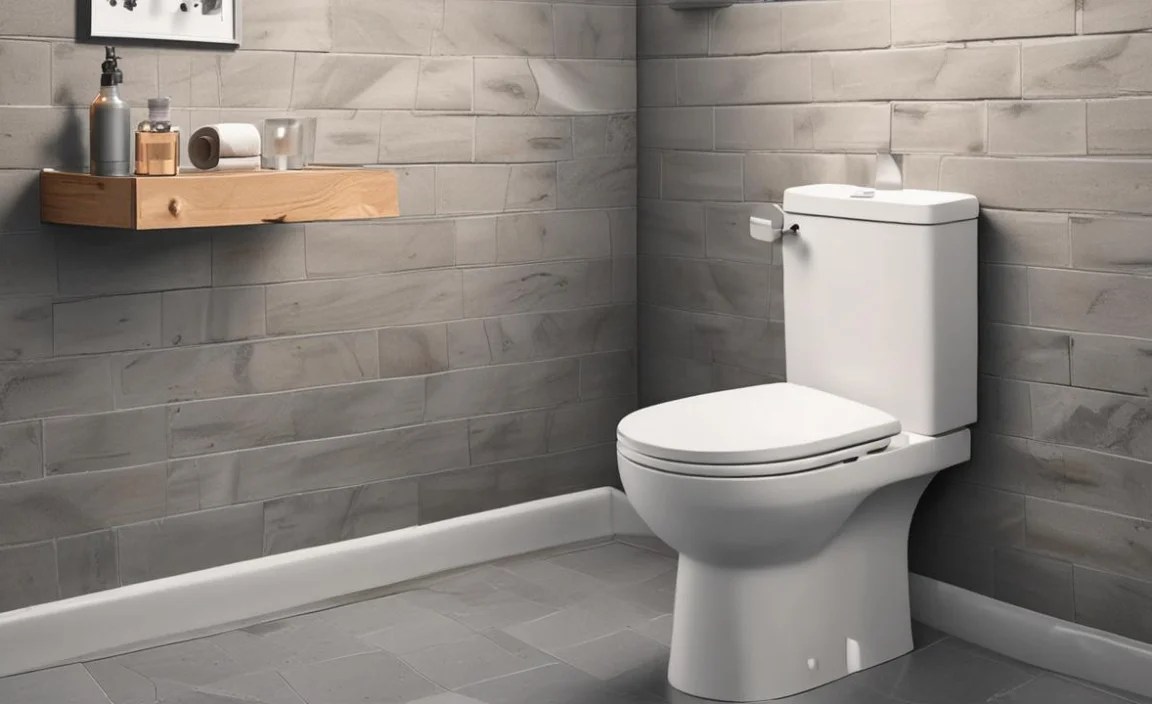
Think of the toilet flange as the unsung hero of your bathroom’s plumbing. It’s the sturdy ring, usually made of PVC, cast iron, or brass, that connects your toilet to the sewer pipe in the floor. It’s mounted to the floor and has a horn-shaped opening that directly lines up with the toilet’s waste outlet. Its main job is to provide a stable base for the toilet and, most importantly, to create a watertight and airtight seal. This seal prevents water from leaking out during flushes and stops sewer gases from wafting up into your bathroom.
A proper seal is vital. Without it, you can face everything from unsightly water damage and mold growth to unpleasant odors and even structural issues in your subfloor over time. While you rarely see it unless you’re doing maintenance, the toilet flange is constantly at work, ensuring your toilet functions as it should.
Why Does the Toilet Flange Matter So Much?
The toilet flange is the critical link between your toilet and your home’s drainage system. Its importance can’t be overstated for several key reasons:
- Water Seal: The most obvious function. It holds wax (or a wax-free seal) that creates an impenetrable barrier against water escaping the toilet bowl and going onto your floor.
- Sewer Gas Barrier: It also seals against unpleasant and potentially harmful sewer gases. These gases can be smelly and can even be flammable.
- Toilet Stability: It provides a secure mounting point for the toilet. Bolts pass through the flange and into the toilet base, keeping the heavy fixture firmly in place.
- Drainage Alignment: It ensures the toilet’s outlet is perfectly aligned with the drainpipe below, allowing waste to flow freely without obstruction.
When a toilet flange is damaged, worn out, or improperly installed, these functions are compromised. This leads to leaks, smells, and a wobbly toilet, all of which are uncomfortable and can cause further damage if left unaddressed.
Pros of a Properly Functioning Toilet Flange

When your toilet flange is in good condition and installed correctly, it offers a host of benefits that contribute to a healthy and functional bathroom. These advantages are all about preventing problems and ensuring smooth operation.
- Watertight Seal: This is the primary benefit. A good flange, combined with a proper seal (like wax or a wax-free alternative), prevents any water from escaping the toilet bowl onto your floor during flushes. This protects your subfloor, ceiling below (if applicable), and prevents mold and mildew growth.
- Airtight/Odor Prevention: It effectively blocks sewer gases from entering your home. This keeps your bathroom smelling fresh and eliminates the risk of exposure to these often-unpleasant and sometimes hazardous gases.
- Toilet Stability and Security: A properly installed flange provides a solid and level mounting surface for your toilet. This ensures the toilet is stable, safe, and won’t rock or move when in use.
- Proper Drainage Alignment: It ensures a direct and unobstructed path for waste to flow from the toilet into the drainpipe, minimizing the chances of clogs related to the connection point.
- Durability and Longevity: When made from appropriate materials (like PVC or cast iron) and installed correctly, toilet flanges are designed to last for many years, often outliving the toilet itself.
- Easy Toilet Installation and Removal: The flange’s design, with its mounting holes and horn, makes it relatively straightforward to attach and detach a toilet for maintenance or replacement, provided it’s in good condition.
Cons of a Toilet Flange (Potential Problems)

While a toilet flange is essential, it’s not without its potential downsides, particularly when it’s damaged, worn out, or incorrectly installed. Understanding these issues will help you spot problems early.
- Prone to Damage: Flanges can crack, break, or become dislodged, especially if a toilet is dropped, if extreme force is applied, or due to age and wear. Plastic flanges can become brittle over time and are susceptible to impact.
- Corrosion (Metal Flanges): Older cast iron or metal flanges can rust and corrode, leading to weakened points and potential leaks.
- Improper Sealing: If the flange is not perfectly level or the surface is uneven, it can prevent the wax ring or seal from creating a proper watertight and airtight barrier, leading to leaks and odors.
- Offset Issues: Flanges come in different sizes and can have offsets to correctly position the toilet. If the wrong type or size is used, it can lead to plumbing problems and difficulty installing the toilet correctly.
- Elevation Problems: A flange that sits too low, below the finished floor level, can make it difficult to achieve a good seal with the toilet and increase the risk of leaks. If it’s too high, it can cause the toilet to rock.
- Difficult Repair/Replacement: While not overly complex, replacing a toilet flange often involves removing the toilet, which can be heavy, messy, and requires turning off the water supply. If the flange is embedded in concrete or has rusted bolts, the job can become significantly more challenging.
- Subfloor Rot: Chronic leaks from a faulty flange can saturate the subfloor, leading to rot, mold, and even structural damage, which can be a costly repair.
Common Toilet Flange Materials
Toilet flanges are typically made from a few different materials, each with its own characteristics, pros, and cons. The material can affect durability, cost, and ease of installation.
PVC (Polyvinyl Chloride)
PVC flanges are the most common type found in modern installations. They are lightweight, cost-effective, and relatively easy to work with.
- Pros: Inexpensive, lightweight, corrosion-resistant, easy to cut and join, widely available.
- Cons: Can become brittle with age or extreme cold, susceptible to damage from heavy impacts, may not be as strong as metal for certain applications.
Cast Iron
Cast iron was the standard for many years and is known for its strength and durability. It’s still used in some renovations and high-end installations.
- Pros: Very strong, durable, resistant to deformation, generally long-lasting.
- Cons: Heavy, prone to rust and corrosion (especially in damp environments), more expensive than PVC, can be difficult to cut or modify.
Brass
Brass flanges are less common for a full flange body but are often used for slip-joint connections in specialty or older plumbing systems.
- Pros: Corrosion-resistant, strong, good for specific connection types.
- Cons: More expensive than PVC or cast iron, less common for general-purpose flanges.
Lead (Historical)
Lead was used in very old plumbing systems. If you encounter a lead flange, it’s a serious health and safety concern and should be replaced by a professional plumber immediately.
- Pros: None relevant for modern DIYers.
- Cons: Toxic, health hazard, obsolete, requires professional removal and replacement.
Types of Toilet Flanges

Beyond just material, toilet flanges also come in different designs to suit various installation scenarios and plumbing setups.
Standard Flange
This is your basic flange, designed to sit flush with the finished floor. It has a flat base and typically uses a wax ring to seal against the toilet horn.
Offset Flange
Offset flanges are used when the drainpipe isn’t perfectly centered behind the toilet. They have an off-center horn that allows you to slide the toilet slightly forward or backward to align with the drain opening.
- Pros: Essential for correcting toilet placement when the drain isn’t ideal, very useful for precise alignment.
- Cons: Can sometimes be slightly less structurally sound than a perfectly centered flange, can be more expensive.
Offset Flange with Internal Threads
These are a type of standard flange that includes internal threads. This allows you to screw in a closet bolt for a more secure connection, rather than relying solely on screws through the flange base.
Extended Flange / Flange Extender
These are used when the existing flange sits too low (below the finished floor). They are mounted on top of the old flange to raise the seating surface of the wax ring, helping to create a better seal.
- Pros: Solves issues with low flanges without needing to remove the old one or cut into the subfloor.
- Cons: Adds height, so you need to ensure the toilet still sits level. Can sometimes be a source of leaks if not sealed correctly to the old flange.
Surface Mount Flange
These are designed to be mounted directly on top of the finished floor. They are often used in situations where cutting into the floor is not possible or desirable.
- Pros: Easy installation without needing to access the subfloor or drainpipe.
- Cons: Can be more visible, might not offer as robust a seal as a recessed flange, requires precise alignment.
Sanitary Tee Flange / Closet Elbow
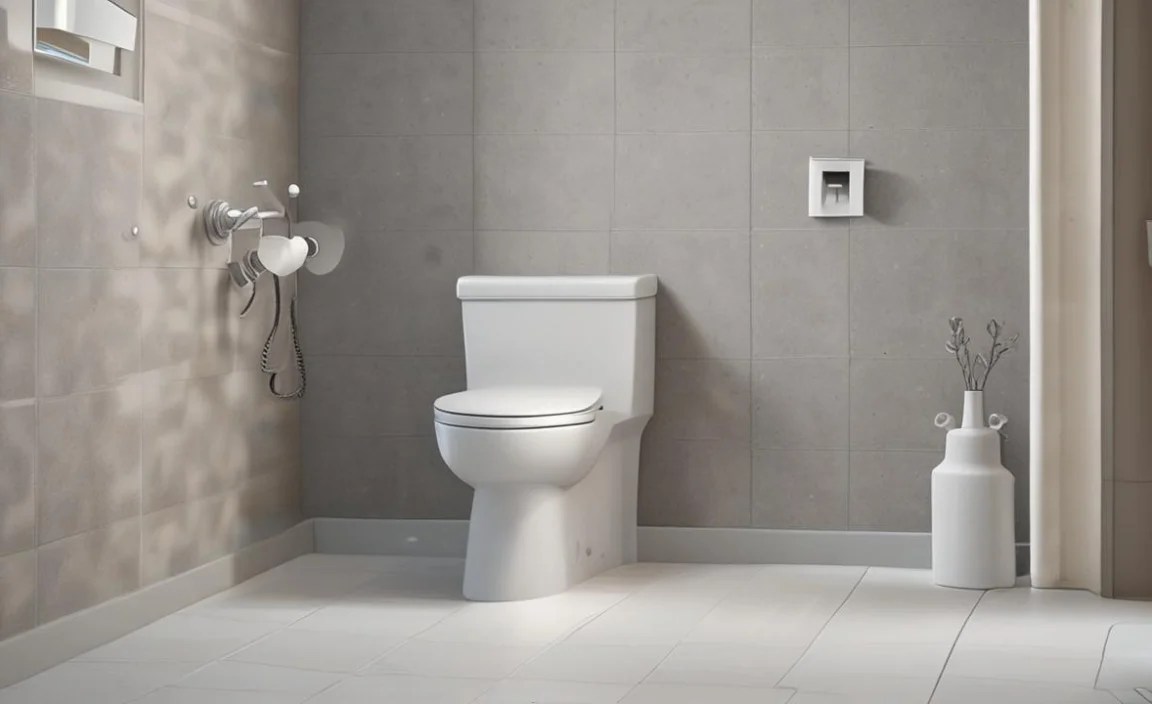
This type of flange is often used in older homes or during new construction where the drainpipe is coming up through the floor and needs to connect to the flange, often with a vertical or horizontal pipe connection. It essentially acts as a connector and flange in one.
Toilet Flange Installation & Replacement: A Simplified Look

Replacing a toilet flange might seem daunting, but it’s a manageable DIY project. The general process involves removing the toilet, then the old flange, installing the new one, and re-seating the toilet. Always prioritize safety and follow these general steps.
Tools and Materials You’ll Likely Need:
- New toilet flange (correct type and size for your situation)
- Closet bolts and nuts
- Wax ring or wax-free seal
- Plumber’s putty (for some seal types)
- Screwdriver (flathead and Phillips)
- Adjustable wrench or pipe wrench
- Putty knife or scraper
- Pry bar or chisel (for removing old flange)
- Hacksaw or PVC cutter (if cutting pipe)
- Gloves and eye protection
- Old rags or towels
- Bucket
- Toilet flange removal tool (optional but very helpful)
- Level
- Measuring tape
General Steps (Always check local codes and manufacturer instructions):

- Turn off the water supply: Locate the shut-off valve on the wall behind the toilet and turn it clockwise until it stops.
- Flush the toilet: Hold down the flush lever to empty the tank and bowl as much as possible. Use a sponge to soak up any remaining water in the bowl.
- Disconnect the water line: Use a wrench to unscrew the water supply line from the tank. Place a rag or bucket underneath to catch drips.
- Remove the toilet: Remove the plastic caps covering the closet bolt nuts at the base of the toilet. Use a wrench to unscrew these nuts. Gently rock the toilet back and forth to break the wax seal. Lift the toilet straight up and out, placing it on a drop cloth or old towels to protect the floor and prevent damage to the wax ring (if you plan to reuse it temporarily).
- Remove the old wax ring: Use a putty knife or scraper to carefully remove the old wax ring from the flange and the toilet outlet.
- Remove the old flange:
- If screwed: Unscrew the old flange from the subfloor.
- If cemented/glued (PVC): You may need to cut the flange off the drainpipe using a hacksaw or PVC cutter.
- If bolted into a metal carrier: You may need a specialized pry bar or flange removal tool to twist and lift it.
Dispose of the old flange safely.
- Prepare the subfloor and pipe: Clean the area around the drainpipe. Ensure the subfloor is clean and dry. If the drainpipe needs shortening or cleaning, do so now.
- Install the new flange:
- PVC: Apply primer and cement according to manufacturer instructions, then push the new flange onto the drainpipe with a slight twist. Ensure it’s level and oriented correctly. Screw it into the subfloor if it has screw holes.
- Cast Iron: May use threaded connections or rubber gaskets and clamps depending on the type.
- Universal Flanges: Often slide over the pipe and are secured by screws or clamps.
Check that the flange is flush with or slightly above the finished floor surface. Use a level to ensure it’s perfectly flat. Secure it to the subfloor using appropriate screws.
- Install new closet bolts: Insert the new closet bolts into the slots on the flange, ensuring they are parallel and positioned correctly for the toilet base.
- Install the new wax ring: Place the new wax ring (or wax-free seal) onto the flange or the toilet outlet, ensuring it’s centered.
- Re-seat the toilet: Carefully lower the toilet onto the flange and closet bolts, pressing down firmly to create a good seal.
- Secure the toilet: Place washers and nuts onto the closet bolts and tighten them evenly, alternating between sides until snug. Do not overtighten, as this can crack the toilet base.
- Reconnect the water supply: Reconnect the water supply line to the tank and turn the water on slowly at the shut-off valve.
- Test for leaks: Flush the toilet several times. Check for any water around the base, leaks from the tank, or unusual noises.
For a more detailed visual guide, resources like Family Handyman offer excellent visual explanations that can be very helpful.
Diagram of Toilet Flange Pros and Cons

While a direct “diagram of pros and cons” is a bit abstract, we can visualize the function and common issues of a toilet flange through its placement and common failure points.
Imagine a cutaway view of your bathroom floor. You see the drainpipe coming up from below. Attached securely to this pipe, and ideally flush with or slightly above your finished tile or vinyl floor, is the toilet flange. This ring has a central opening (the horn) that leads to the drainpipe and mounting holes around its perimeter that secure it to the subfloor.
Pros in this context:
- Sealed Junction: A properly installed flange creates a clean, watertight seal between the toilet’s base and the drainpipe opening.
- Stable Base: It provides a firm, level surface for the toilet to rest on, anchored by closet bolts.
- Odor Barrier: The seal at the flange prevents foul-smelling sewer gases from migrating into the room.
Cons (Common Failure Points):
- Low Flange: If the flange sits below the finished floor level, the wax seal won’t compress properly, leading to leaks. Visual: The flange opening is clearly lower than the surrounding floor.
- Cracked Flange: Stress from an uneven floor, aggressive tightening of bolts, or impact can cause the flange material (especially PVC) to crack. Visual: A visible crack in the ring of the flange.
- Warped or Damaged Horn: The “horn” inside the flange can get damaged, preventing a good seal with the toilet. Visual: The inner rim of the horn is chipped, bent, or broken.
- Loose Bolts: If the flange is not properly secured to the subfloor, the entire flange can shift, compromising the seal over time. Visual: The flange is not flush with the subfloor, or screws are pulling out.
- Corrosion: For metal flanges, rust can weaken the material and create tiny holes for leaks. Visual: Visible signs of rust or pitting on a metal flange.
A properly functioning flange is a critical component that, when working well, is unseen and unheard. When it fails, the visual and olfactory evidence speaks for itself.
When to Consider a Toilet Flange Replacement
Knowing when it’s time to replace
