
A drain breakdown occurs when your pipes are clogged or damaged, preventing proper water flow. Understanding the pros and cons of different drain breakdown causes and solutions helps you tackle this common issue effectively and confidently. This guide breaks down what you need to know to maintain clear, functioning drains.
We’ve all been there: the sink fills up with murky water, or the toilet refuses to flush. A blocked or broken drain can be a real headache, disrupting your daily routine and potentially causing water damage.
But don’t worry! Understanding what causes drain breakdowns and the best ways to fix them is simpler than you might think. This guide will walk you through the common culprits, the pros and cons of various solutions, and how to prevent future issues.
By the end, you’ll feel empowered to handle minor drain problems yourself or know exactly when to call in the pros. Let’s dive in and get your drains flowing smoothly again!
Understanding Drain Breakdowns: The Basics
A drain breakdown isn’t just a clogged pipe; it’s a signal that something is seriously wrong with your plumbing system’s ability to carry wastewater away. This can range from a simple blockage near the drain opening to a more complex issue deep within your pipes.
Several factors can lead to a drain breakdown. The most common is, of course, clogs. But sometimes, it’s not just about what goes down the drain; it can also be about the condition of the pipes themselves.
Knowing the difference between a temporary clog and a more serious structural issue is key. This knowledge helps you choose the right solution, saving you time, money, and unnecessary stress. We’ll explore the common causes and then weigh the pros and cons of how to address them.
Common Causes of Drain Breakdowns
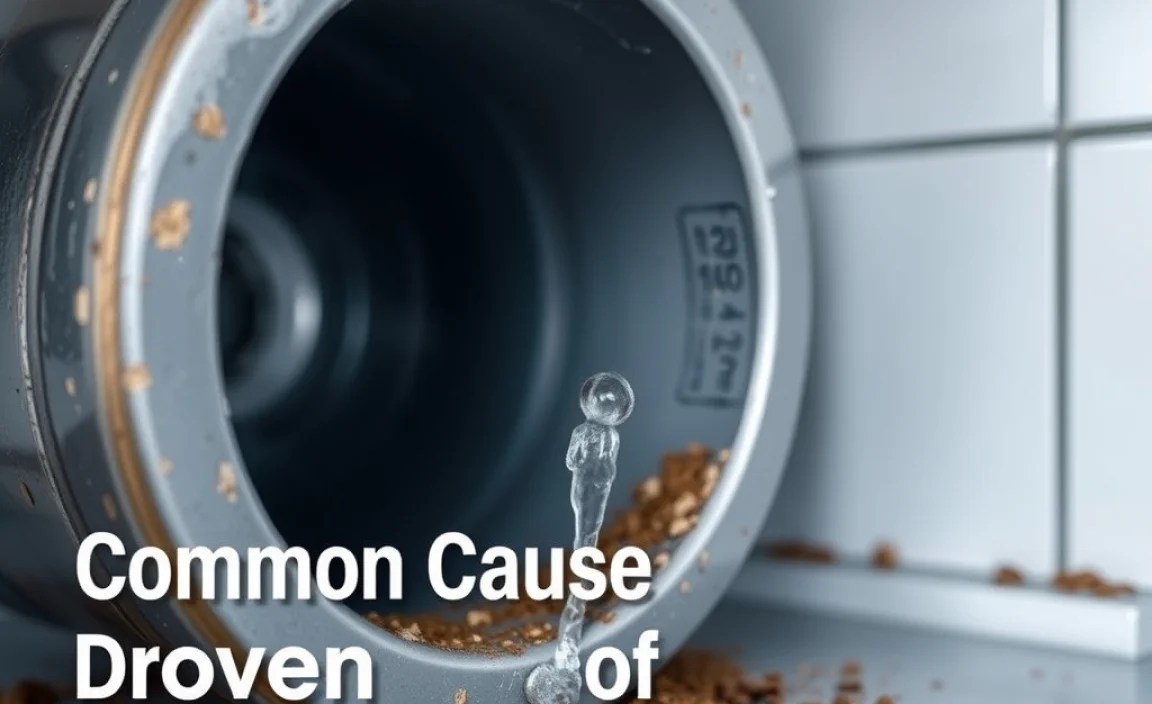
Drain problems often stem from specific items or conditions that interfere with water flow. Identifying the cause is the first step toward a successful fix.
1. Food Scraps and Grease (Kitchen Drains)
Our kitchen sinks are notorious for collecting an array of debris. Coffee grounds, eggshells, pasta, rice, and especially grease and oil are major culprits. When grease cools, it solidifies and coats the inside of pipes, trapping other debris and creating stubborn clogs.
2. Hair and Soap Scum (Bathroom Drains)
Bathroom drains, particularly in showers and sinks, often suffer from a buildup of hair, soap slivers, and toiletries like cotton swabs or dental floss. Over time, these combine with soap scum to form dense blockages.
3. Foreign Objects
Accidentally flushing things like paper towels, feminine hygiene products, or even small toys can quickly lead to a blockage. Toilets are not trash cans, and flushing these items can cause significant backups.
4. Tree Roots
For homes with underground pipes, tree roots are a silent, destructive force. Roots seek out water and can infiltrate small cracks in pipes, growing larger and eventually crushing or breaking the pipe, leading to widespread blockage and potential sewage leaks.
According to the U.S. Environmental Protection Agency (EPA), aging infrastructure and root intrusion are significant contributors to sewer system failures, highlighting the impact these natural elements can have on our plumbing.
5. Pipe Damage or Age
Older homes often have pipes made of materials that can corrode, break, or become brittle over time (like cast iron). Collapsed pipes, cracked joints, or significant corrosion can cause partial or complete drain blockages and leaks.
6. Mineral Buildup (Hard Water)
In areas with hard water, mineral deposits (calcium and magnesium) can accumulate inside pipes over years. This buildup narrows the pipe’s diameter, restricting water flow and making it easier for other debris to catch and cause a blockage.
Drain Breakdown: Pros & Cons of Common Causes

Let’s look at the advantages (pros) and disadvantages (cons) related to the common causes of drain breakdowns. While most causes are purely negative, understanding them helps us appreciate the problem and the solutions.
| Cause | Pros (of understanding/identifying) | Cons (the problem itself) |
|---|---|---|
| Food Scraps & Grease | Identifying this cause is easy, often visible. Allows for simple preventative measures like using drain strainers or avoiding pouring grease down the sink. | Leads to slow drains, foul odors, and potentially complete blockages. Grease buildup is difficult to remove completely without professional equipment or harsh chemicals. |
| Hair & Soap Scum | Bathroom clogs are usually localized. Easy to address with simple tools like a drain snake or by removing the stopper for cleaning. | Can create very dense, difficult-to-clear blockages in shower and sink drains. Soap scum can contribute to pipe wear over time. |
| Foreign Objects | Identifying foreign objects (if visible) can lead to immediate removal with tools like pliers or tongs. Alerts to potential issues with toilet habits. | Can cause sudden, severe blockages that require immediate attention. May damage the toilet or drain mechanism if forced. |
| Tree Roots | Diagnosing root intrusion helps pinpoint underground pipe damage. Offers opportunities for preventative landscaping or pipe relining solutions. | Extremely disruptive and costly. Can cause major pipe collapse, extensive water damage, and sewage backup into the home. Often requires trenching or pipe replacement. |
| Pipe Damage/Age | Understanding pipe age can prompt proactive inspections and upgrades before a crisis. Identifying a specific damaged section can sometimes allow for localized repair. | Leads to persistent clogs, leaks, and potential structural integrity issues. Replacing old pipes is a significant, costly undertaking. |
| Mineral Buildup | Can be addressed proactively with water softeners. Identifying hard water issues can lead to improved water quality throughout the home. | Gradually reduces pipe capacity, increasing the likelihood of clogs. Can contribute to appliance malfunctions and reduce water pressure. |
DIY Solutions & Their Pros & Cons

When you encounter a drain problem, many solutions can be attempted at home. Here’s a look at the most common DIY methods and their advantages and disadvantages.
1. The Plunger
A classic for a reason, a plunger uses suction and pressure to dislodge clogs. It’s best for sink and toilet blockages.
- Pros:
- Inexpensive and readily available.
- Chemical-free and safe for most pipes.
- Effective for softer, more recent clogs.
- Easy to use once you get the technique right.
- Cons:
- Can be messy.
- Not effective for solid obstructions or deep, hardened clogs.
- Requires a proper seal, which can be tricky with some sinks or tubs.
- May push a clog further into the pipe if not used correctly.
2. Boiling Water
For kitchen sinks clogged with grease or soap, pouring boiling water down the drain can help melt and flush away the blockage.
- Pros:
- Extremely cheap and easy.
- Completely natural and chemical-free.
- Environmentally friendly.
- Cons:
- Not effective for hair or solid obstructions.
- May not work on severe grease buildup.
- Can potentially damage PVC pipes or seals if done too frequently or with extremely hot water. Always check your pipe material.
3. Baking Soda & Vinegar
This common kitchen duo creates a fizzy reaction that can help break down minor clogs and deodorize drains.
- Pros:
- Natural, non-toxic, and inexpensive.
- Safe for most plumbing systems, including PVC pipes.
- Helps eliminate odors.
- Cons:
- Often only effective for minor grease or soap scum clogs.
- The fizzing action is a bit of a placebo for tougher clogs; it doesn’t have strong chemical power.
- May require multiple applications.
How to use: Pour 1/2 cup of baking soda down the drain, followed by 1/2 cup of white vinegar. Let it fizz for 15–30 minutes, then rinse with hot water.
4. Drain Snake (Auger)
A drain snake is a flexible metal cable that you feed into the drain to physically break up or pull out a clog.
- Pros:
- Effectively removes hair and other physical obstructions.
- Chemical-free and safe for pipes.
- Relatively inexpensive for a manual “hand auger.”
- Cons:
- Requires some physical effort and dexterity.
- Can be messy, as you’re pulling out the clog material.
- Risk of scratching sink basins or pipes if not used carefully.
- May not reach very deep clogs in main sewer lines.
For a more in-depth look at plumbing tools, you can check out resources from organizations like the Consumer Product Safety Commission (CPSC), which often provides safety tips for home D.I.Y. projects.
5. Chemical Drain Cleaners
These products contain harsh chemicals designed to dissolve clogs. They are widely available in stores but should be used with extreme caution.
- Pros:
- Can be very effective on tough organic clogs (grease, hair) when other methods fail.
- Easy to use – just pour and wait.
- Cons:
- Extremely hazardous – corrosive to skin, eyes, and lungs. Requires proper ventilation and protective gear.
- Can damage pipes, especially older ones or PVC, leading to leaks or bursts.
- Harmful to the environment and septic systems.
- If they don’t work, you’re left with a pipe full of caustic chemicals, making it dangerous for plumbers to work on.
- Often ineffective against solid obstructions or deep clogs.
Because of the significant risks, chemical drain cleaners are generally not recommended by plumbing professionals.
When to Call a Professional Plumber

While DIY is great for many issues, some drain problems require expert attention. Knowing when to call a plumber can save you from making a situation worse.
Signs You Need a Professional:
- Multiple Fixtures are Backing Up: If your toilet overflows when you run the washing machine, or your sinks back up simultaneously, it indicates a problem in the main sewer line.
- Recurring Clogs: If a drain clogs frequently, even after you’ve cleared it, there’s likely an underlying issue like pipe damage, root intrusion, or improper slope.
- Sewage Smells: Persistent foul odors, especially from drains, can signal a serious blockage or a venting problem that needs immediate professional assessment.
- No Water Flow/Complete Blockage: If boiling water, plunging, or snaking has no effect, the clog is likely too dense or too deep to handle with DIY tools.
- Suspected Pipe Damage: If you have an older home or suspect physical damage to your pipes (e.g., from construction or tree roots), a plumber has the tools (like cameras) to diagnose and fix it.
- Water Leaks Around Drains: Any visible leaks around your fixtures or pipes should be addressed by a professional to prevent water damage and mold growth.
Professional Solutions & Their Pros & Cons
Plumbers have access to advanced tools and expertise that go beyond typical DIY capabilities.
1. Professional Drain Snaking/Augering
Plumbers use powerful, motorized augers that can clear much deeper and tougher clogs than manual hand snakes.
- Pros:
- Highly effective for deep and stubborn clogs.
- Can break up dense blockages of grease, roots, or debris.
- Generally safe for pipes when used by trained professionals.
- Cons:
- Can be more expensive than DIY methods.
- Still carries a slight risk of pipe damage if done improperly or on already compromised pipes.
- May not permanently fix issues like root intrusion or pipe collapse.
2. Hydro-Jetting
This method uses high-pressure water to blast away clogs and clean the inside of pipe walls. It’s incredibly effective for grease buildup and thoroughly cleaning pipes.
- Pros:
- Extremely effective at clearing grease, sludge, and scale.
- Cleans pipe walls, preventing future buildup and clogs.
- Environmentally friendly (uses only water).
- Safe for most types of pipes.
- Cons:
- More expensive than snaking.
- Not suitable for pipes that are already significantly damaged or have holes, as the pressure could worsen the damage.
- Requires specialized equipment and trained operators.
3. Pipe Inspection (Video Camera)
Plumbers use small, waterproof cameras to inspect the inside of your pipes, identifying the exact location and cause of blockages or damage.
- Pros:
- Provides a definitive diagnosis of pipe problems (cracks, breaks, roots, collapses).
- Allows for the most precise and efficient repair.
- Helps avoid unnecessary digging or pipe replacement.
- Cons:
- An added cost for diagnosis.
- Results depend on the skill of the operator.
4. Pipe Repair or Replacement
For structural damage, a plumber will either repair the damaged section or, in severe cases, replace the affected pipes entirely.
- Pros:
- Provides a permanent solution for damaged pipes.
- Restores full integrity and function of the plumbing system.
- Cons:
- Can be very expensive, especially if trenching is required for underground pipes.
- Disruptive to property (digging, access).
- Requires skilled labor and proper materials.
Pipe relining is a modern trenchless alternative that creates a new pipe within the old one, offering a less disruptive and often more affordable repair for certain types of damage. Learn more about trenchless pipe repair options from industry resources.
Preventing Drain Breakdowns
The best way to deal with drain breakdowns is to prevent them from happening in the first place. A little bit of care goes a long way:
Kitchen Sink Tips:
- Use Drain Strainers: Place strainers in all drains to catch food particles. Empty them regularly into the trash.
- Never Pour Grease Down the Drain: Let grease and oil cool, then scrape them into the trash or a dedicated container.
- Scrape Plates: Scrape all food scraps into the trash before rinsing plates.
- Run Hot Water: After washing dishes, run hot water for a minute to help flush away any residual grease.
- Avoid Coffee Grounds and Eggshells: These can be particularly notorious for building up in pipes.
Bathroom Sink & Shower Tips:
- Use Hair Catchers: Install mesh hair catchers over shower and tub drains. Clean them after every use.
- Don’t Flush Cotton Swabs or Dental Floss: These items don’t break down and can easily snag on pipe imperfections.
- Clear the Stopper: Periodically remove the sink stopper and clean off any accumulated hair and soap scum.
Toilet Tips:
- Only Flush Toilet Paper and Human Waste: Never flush anything else, including wipes (even “flushable” ones), paper towels, or feminine hygiene products.
- Educate Household Members: Make sure everyone in the home knows what can and cannot be flushed.
General Maintenance:
- Regular Flushing with Hot Water: Once a month, pour boiling water or very hot tap water down all drains to help clear minor buildup.
