
Exhaust fans are essential for ventilating bathrooms and kitchens, removing moisture, odors, and pollutants. Understanding their pros, cons, and key features helps you choose the right one for fresh, healthy air in your home.
Are you tired of steamy bathrooms after a shower or lingering cooking smells? An exhaust fan might be the simple solution you’re looking for! These hardworking gadgets quietly pull moist, stale air out of rooms, replacing it with fresh air. It’s a fantastic way to keep your home comfortable and healthy. We’ll break down everything you need to know about exhaust fans, making it easy to understand their benefits, drawbacks, and what to look for. Get ready to say goodbye to unwanted air issues!
What Exactly is an Exhaust Fan?

Simply put, an exhaust fan is a small appliance designed to remove air from a specific area. Think of it like a mini-wind machine, but instead of blowing air around, it sucks it out. Most commonly, you’ll find them in bathrooms to get rid of steam and in kitchens to clear out cooking smoke and odors. They work by pulling the air through a duct and venting it outside your home. This process is crucial for preventing problems like mold growth, lingering smells, and poor indoor air quality.
Why Are They So Important? The “Why” Behind the Whirr

You might be wondering, “Can’t I just open a window?” Well, while opening a window helps, it’s not always enough, especially in humid spaces like bathrooms or in enclosed kitchens. Here’s why exhaust fans are a big deal:
- Moisture Control: Bathrooms are damp places. Showers and baths create a lot of steam. If this moisture isn’t removed, it can settle on walls, ceilings, and even in your ventilation systems. Over time, this leads to mold and mildew, which are bad for your health and can damage your home. An exhaust fan efficiently pulls this damp air out.
- Odor Removal: Cooking smells or bathroom odors can linger. An exhaust fan acts as your home’s personal air freshener, whisking away unpleasant smells before they become a problem.
- Air Quality Improvement: Beyond moisture and odors, exhaust fans help remove tiny particles, airborne chemicals from cleaning products, and other pollutants. Better air quality means a healthier living space for you and your family.
- Preventing Damage: Constant high humidity can damage paint, wallpaper, and even wood fixtures over time. By managing moisture levels, exhaust fans help preserve the look and integrity of your home.
According to the Environmental Protection Agency (EPA), maintaining good indoor air quality is important for health, and ventilation plays a key role in this. Exhaust fans are a primary way to achieve that ventilation.
Exhaust Fan Details: Pros and Cons
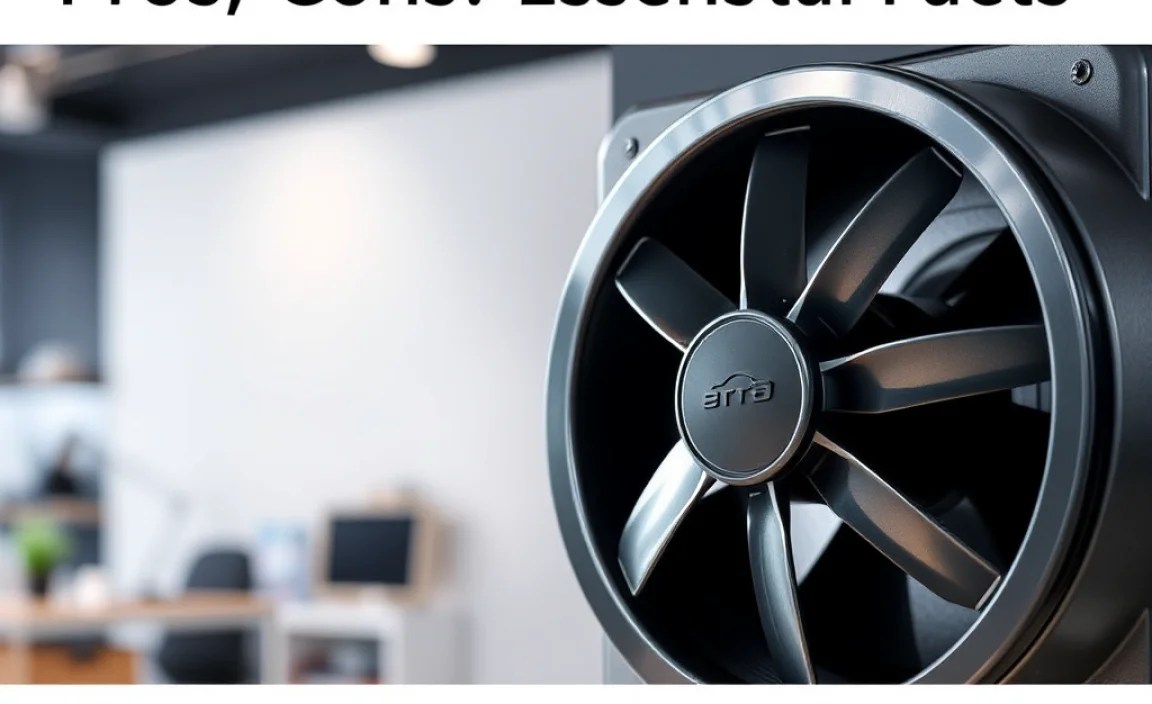
Like any home appliance, exhaust fans have their good points and their not-so-good points. Knowing these will help you decide if one is right for you and what to expect.
| Pros (The Good Stuff) | Cons (Things to Consider) |
|---|---|
| Effective Moisture Removal: Greatly reduces humidity in bathrooms and kitchens, preventing mold and mildew. | Noise Level: Some older or cheaper models can be quite loud, which can be disruptive. Look for quieter models. |
| Odor Elimination: Quickly clears out cooking smells, pet odors, and bathroom smells. | Energy Consumption: While generally low, they do use electricity. Newer, energy-efficient models are available. |
| Improved Indoor Air Quality: Helps remove airborne pollutants and allergens, creating a healthier environment. | Installation Complexity: Installing a new fan or ductwork can be a DIY project, but it might require professional help for some homeowners. |
| Prevent Home Damage: Protects walls, ceilings, and fixtures from moisture damage. | Maintenance Needs: Blades and grilles can collect dust and need occasional cleaning to maintain efficiency. |
| Relatively Inexpensive: Basic exhaust fans are affordable, and even more feature-rich models are budget-friendly. | Ductwork Requirements: Most efficient fans need proper ductwork to vent outside. Improper venting can reduce effectiveness. |
| Long Lifespan: With proper care, most exhaust fans can last for many years. | Aesthetics: Some grille designs can be plain or feel outdated, though decorative options are increasingly common. |
Essential Facts: What You Need to Know

Before you buy or install an exhaust fan, let’s cover some key details that will make your choice easier and ensure you get the best performance.
Types of Exhaust Fans
Exhaust fans aren’t one-size-fits-all. They come in a few main types, each suited for different needs:
- Ceiling-Mounted Fans: These are the most common type. They’re installed in the ceiling, typically above the shower or stove, and vent through the roof or wall. They’re effective for whole-room ventilation.
- Wall-Mounted Fans: Usually found in kitchens, these fans are built directly into the wall above a stovetop. They often have filters and are designed to capture grease and fumes close to the source.
- Window Fans: Less common for continuous ventilation, these fans are designed to fit into a window frame. They’re often portable and can be set to either exhaust or intake air.
- Inline Fans: These fans are hidden away, often in an attic or crawl space, and connected to ductwork. They can be more powerful and quieter at the fan opening itself, as the motor is not directly in the room.
Key Specifications to Look For
When you’re looking at fan models, you’ll see a few numbers and terms. Don’t let them confuse you! Here’s what they mean:
- CFM (Cubic Feet per Minute): This measures how much air the fan can move. A higher CFM means more air circulation. For a bathroom, you generally want at least 1 CFM per square foot of room area. For kitchens, it’s often higher due to grease and cooking fumes. The International Residential Code (IRC) suggests requirements, and many range hoods have specific CFM ratings based on the cooktop size.
- Sones: This is a measure of how loud the fan is. Lower sones mean a quieter fan. A sone rating of 1.0 is considered quiet, while 3.0 or higher can be noticeable. Many modern bathroom fans aim for 1.0 sone or less.
- ENERGY STAR® Certification: Fans with this label are more energy-efficient, meaning they use less electricity. This saves you money on your utility bills and is better for the environment.
- Duct Size: Make sure the fan’s duct connector size matches the ductwork you plan to use (e.g., 4-inch or 6-inch diameter).
- Features: Some fans come with built-in lights, heaters, humidity sensors, or timers. These can add convenience and functionality.
Installation Basics and Considerations
Installing an exhaust fan can be a rewarding DIY project, but it’s important to do it right. If you’re uncomfortable with electrical work or working in attics/crawl spaces, it’s best to hire a professional. Here are some general points:
- Location is Key: For bathrooms, the fan should be placed in the ceiling, away from the shower head. For kitchens, it should be directly above the cooking surface (range hood).
- Proper Venting: The fan must vent outdoors. Venting into an attic or wall cavity can cause serious moisture problems. Use rigid or flexible ductwork designed for ventilation and ensure it’s sealed properly. The National Kitchen & Bath Association (NKBA) often provides guidance on best practices for kitchen ventilation.
- Electrical Connections: Ensure the power supply is turned off at the breaker before making any electrical connections. If you’re unsure, consult an electrician.
- Airflow Obstructions: Make sure the duct run is as short and straight as possible for maximum efficiency.
Maintenance for Longevity
Keeping your exhaust fan running smoothly is simple. Regular, light maintenance can extend its life and keep it working effectively:
- Clean the Grille: Dust and lint can build up on the grille. Periodically (every 3-6 months), remove the grille (usually it snaps off or has screws) and wash it with warm, soapy water. Let it dry completely before reattaching.
- Clean the Fan Blades: While the grille is off, you might be able to reach the fan blades with a damp cloth or a vacuum cleaner attachment. Be gentle!
- Check Ductwork: Once a year, if accessible, check the ductwork for any blockages or kinks. Ensure the exterior vent flap opens and closes freely.
- Listen for Unusual Noises: If your fan starts making loud grinding or rattling sounds, it might indicate a bearing issue or something caught in the fan. It might be time for a closer inspection or replacement.
Choosing the Right Exhaust Fan for Your Space
Now that you know the details, let’s talk about picking the perfect fan.
For Your Bathroom
The main goal here is moisture and odor control. For most standard bathrooms (around 50-100 sq ft), a fan with a CFM rating between 50 and 80 is usually sufficient. Prioritize low sones (1.0 or less) for a peaceful experience. Some bathrooms benefit from fans with built-in humidity sensors that automatically turn on when moisture levels rise and off when they drop.
For Your Kitchen
Kitchen exhaust fans, often called range hoods, have a tougher job. They need to combat smoke, grease, and strong cooking smells. The CFM requirement depends heavily on your cooktop. For electric stoves, you might need 100 CFM per linear foot of stove width. For gas stoves, which produce more heat and combustion byproducts, you might need 150 CFM per linear foot. It’s also important to consider if the fan has good filters to catch grease. Many modern range hoods are designed to be ducted outside for maximum effectiveness.
Energy Efficiency and Smart Features
If you’re looking to save on energy bills, always check for the ENERGY STAR® label. These fans are designed to do their job effectively while consuming less power. Smart features like humidity sensors, motion sensors, or integration with home automation systems can add convenience and ensure your fan runs only when needed.
Conclusion
Exhaust fans are unsung heroes in maintaining a comfortable, healthy, and damage-free home. By understanding their pros and cons, paying attention to essential details like CFM and sones, and ensuring proper installation and maintenance, you can confidently choose and use the right ventilation for your needs. Whether it’s banishing bathroom steam or clearing kitchen fumes, an appropriately selected exhaust fan will make a noticeable positive difference. So, take charge of your home’s air quality – it’s a simple upgrade that brings big benefits!
FAQ Section
Q1: How often should I run my exhaust fan?
For bathrooms, run the fan during and for about 15-20 minutes after every shower or bath to ensure all moisture is removed. In kitchens, run it while cooking and for a few minutes afterward to clear any lingering smells.
Q2: Can I vent my bathroom exhaust fan into the attic?
No. This is a critical point. Venting moist air into an attic creates a perfect breeding ground for mold and mildew, which can lead to structural damage and health problems. Always vent exhaust fans directly outdoors.
Q3: How do I know if my exhaust fan is working effectively?
You can test effectiveness by holding a piece of toilet paper or a paper towel up to the grille while the fan is on. If the fan is strong enough to pull and hold the paper against the grille, it’s likely working well. You should also see a noticeable reduction in steam or odors.
Q4: What’s the difference between an exhaust fan and a range hood?
While both vent air, a range hood is specifically designed for kitchens and is usually installed above the stove. They are typically more powerful and often include grease filters and lights. An exhaust fan is a more general term, commonly used for bathrooms but can also refer to simpler ventilation fans in other areas.
Q5: How much noise is too much for an exhaust fan?
A quiet exhaust fan typically registers around 1.0 to 2.0 sones. If your fan is significantly louder than a normal conversation (which is about 60 decibels, or roughly 1 sone), it might be considered too noisy. Look for fans with low sone ratings if quiet operation is important to you.
Q6: Do I need a special duct for exhaust fans?
Yes, it’s best to use smooth or semi-rigid ductwork designed for ventilation. Avoid flexible ductwork with deep corrugations, as these can trap moisture and debris, reducing airflow and becoming potential fire hazards. Ensure the duct is properly sealed to prevent air leaks.
Q7: How do I choose the right CFM for my bathroom?
A good rule of thumb is to have at least 1 CFM for every square foot of bathroom space. For example, a 50 sq ft bathroom would need at least a 50 CFM fan. If your bathroom is particularly humid or small, you might opt for a slightly higher CFM. Always check the manufacturer’s recommendations if available.
