
Quick Summary: A bidet in construction refers to the plumbing, fixtures, and installation process for bidet toilets or bidet seats within a building project. It ensures proper water supply, drainage, and secure mounting for enhanced personal hygiene. We’ll guide you through understanding and implementing it.
Ever found yourself wondering about the ins and outs of bathroom upgrades during a home build or renovation? Installing a bidet might seem a little technical, but it’s simpler than you think! Many people shy away from modern bathroom fixtures because they just aren’t sure where to start. The good news is, with a little guidance, adding a bidet can be a straightforward and rewarding project. This guide breaks down exactly what “bidet in construction” means and how it all comes together, making it easy for anyone to understand and confidently manage.
We’ll explore what makes a bidet installation unique during the construction phase, the key components involved, and why it’s becoming a popular choice for many homeowners. Get ready to feel more informed and empowered about your bathroom projects!
Understanding Bidet: What It Is and Why It’s Gaining Popularity

So, what exactly is a bidet? At its core, a bidet is a plumbing fixture or an attachment designed to wash yourself with water after using the toilet. Think of it as a hygienic way to clean up, offering a more thorough and refreshing experience than toilet paper alone. The popularity of bidets has surged in recent years, moving from a niche item to a mainstream bathroom upgrade.
Why the sudden boom? Several factors are at play:
- Hygiene: Water cleaning is generally considered more effective and hygienic than dry wiping.
- Environmental Benefits: Reduced toilet paper usage means less waste and a smaller environmental footprint.
- Comfort and Accessibility: Bidets offer a more comfortable experience, especially for those with certain medical conditions or mobility issues.
- Modern Aesthetics: Many modern bidets are sleek and integrated into toilet designs, enhancing the bathroom’s overall look.
During the construction or renovation phase, incorporating a bidet means planning for its specific plumbing and spatial needs from the outset. This proactive approach ensures a seamless integration rather than a complicated retrofitting job later on.
Bidet in Construction: The Essential Elements
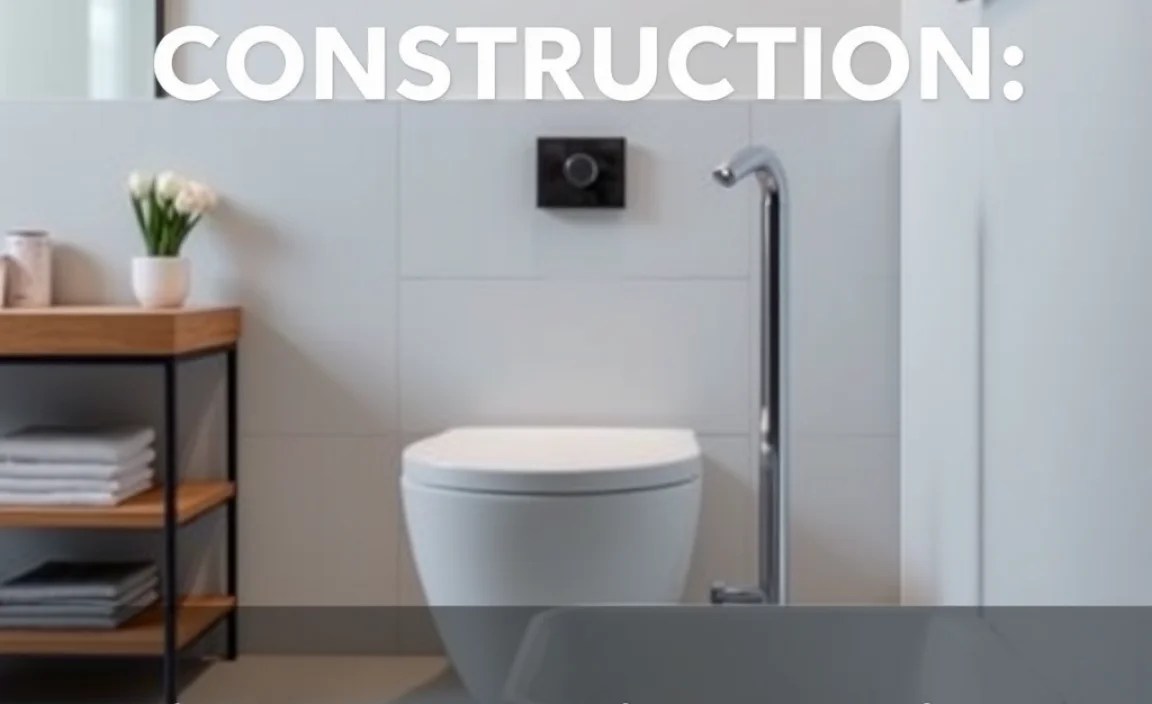
When we talk about “bidet in construction,” we’re referring to considering and implementing the necessary plumbing, electrical, and structural elements to support a bidet installation. This isn’t just about buying a bidet fixture; it’s about building the infrastructure for it.
Here are the key considerations during the construction process:
1. Plumbing Requirements
Bidets, whether they are standalone units, integrated into a toilet, or a seat attachment, all require water. The construction phase needs to ensure:
- Water Supply Line: A dedicated cold water line is essential. For bidets with heating features (like warm water wash or heated seats), a hot water line will also be needed. The connection point should be easily accessible behind the toilet.
- Shut-off Valve: A shut-off valve should be installed on the water supply line to allow for maintenance or repairs without shutting off water to the entire home.
- Drainage: While bidets don’t typically have their own dedicated drain, the flushing mechanism of the toilet they are attached to or integrated within will use the existing toilet drain. Ensuring the toilet’s drainage is up to code is paramount.
2. Electrical Needs (for Electronic Bidets)
Many modern bidets are electronic, offering features like heated seats, warm water washes, air dryers, and remote controls. If you’re installing one of these, the construction plan must include:
- GFCI Outlet: A Ground Fault Circuit Interrupter (GFCI) protected electrical outlet needs to be installed near the toilet. This is a safety requirement for areas with water. A standard outlet is not sufficient.
- Wiring: The outlet should be wired according to local electrical codes, ensuring it can handle the power demand of the bidet’s features.
3. Spatial Planning
While most bidets attach to a standard toilet or are integrated into one, standalone bidets require more space. During the construction layout phase, it’s important to:
- Clearance: Ensure sufficient space around the toilet for comfortable use and potential bidet attachments. Manufacturers often provide specific dimension requirements.
- Accessibility: Make sure the necessary water and electrical connections are within reach of the intended bidet installation location.
4. Type of Bidet and Its Impact on Construction
The specific type of bidet you plan to install will influence the construction details. Here’s a look at common types:
Standalone Bidets
These are separate fixtures from the toilet, requiring their own water supply and drainage. They are less common in new residential construction today, often found in older homes or European-style bathrooms. If a standalone bidet is part of the design, it’s treated much like a sink or a regular toilet in terms of plumbing rough-in.
Bidet Toilet Seats (Attachment / Retrofit)
These are the most popular type for renovations and new builds. They replace your existing toilet seat and connect to the toilet’s water supply line. Advanced models require an electrical outlet. The construction planning here focuses on having the correct water line T-fitting and, if needed, the GFCI outlet.
A typical connection for a bidet seat involves a T-valve that diverts water from the toilet tank’s supply line to both the toilet and the bidet seat. Some might prefer a direct line from the wall for a cleaner look, which is easier to plan for during construction.
Integrated Bidet Toilets
These are all-in-one units where the bidet functionality is built directly into the toilet design. They offer a seamless, high-end look. Installation often requires both water and electrical connections. Planning for these involves ensuring the toilet’s placement allows for both water and power hookups at the rear or side, as specified by the manufacturer.
The process of selecting and installing the right bidet is crucial, and understanding these construction elements helps make informed decisions early on.
Bidet Installation During Construction: Step-by-Step Overview

Integrating a bidet during the construction phase significantly simplifies the installation process. The plumbing and electrical work can be done before the walls are closed up, making it much cleaner and more efficient. Here’s a general overview of how it typically happens:
Phase 1: Planning and Rough-In
1. Design and Specification
This is the crucial first step. You’ll decide on the type of bidet and its placement. For new builds, this happens during the blueprint phase. For renovations, it’s part of the detailed project plan.
- Consult the chosen bidet’s installation manual for specific requirements regarding water supply, drainage (if applicable), and electrical needs.
- Mark the exact location for the toilet.
2. Plumbing Rough-In
Before drywall goes up, the plumber will run the necessary pipes. This includes:
- Connecting the water supply line to the designated spot for the toilet. This should be equipped with a shut-off valve.
- Ensuring the toilet flange and waste line are correctly installed.
- If a hot water wash is desired for a bidet seat, planning and running a hot water line to the toilet area. This might involve tapping into the existing hot water line or running a new one.
A well-designed plumbing system is vital for the longevity and functionality of any bathroom fixture.
3. Electrical Rough-In (if applicable)
If an electronic bidet is planned, the electrician will install the wiring for the GFCI outlet near the toilet location. This involves running a cable from the electrical panel to the outlet box. The outlet box should be positioned according to the bidet’s specifications, usually on the side or behind the toilet.
Phase 2: Fixture Installation (Later Stages)
Once the main construction is complete, and the basic bathroom structure is in place, the bidet fixture itself can be installed:
1. Toilet Installation
The toilet (or the base for a bidet seat) is installed according to standard plumbing practices. This involves securing it to the flange and connecting it to the waste pipe.
2. Bidet Seat/Attachment Installation
- Position the bidet seat onto the toilet bowl and secure it.
- Connect the water supply hose from the T-valve (which is usually installed on the toilet’s fill valve connection, or directly from the wall supply, depending on the setup) to the bidet seat.
- Install the bidet’s control panel or remote.
3. Integrated Bidet Toilet Installation
These units are typically installed like a standard toilet but require connections for both the water supply and the electrical outlet used by the unit’s internal functions.
4. Final Electrical Connection (if applicable)
Plug the bidet into the GFCI outlet or have an electrician make the final hardwired connection if required by the model.
5. Testing
Turn on the water supply and test all bidet functions, including water spray, pressure adjustments, heating (if applicable), and drying. Check for any leaks.
This staged approach, from rough-in to final fixture installation, ensures a professional and robust bidet setup.
Key Components of Bidet Construction

When you’re looking at building or remodeling a bathroom with a bidet, understanding the specific parts involved in its construction and installation is key. These components work together fluidly to provide the bidet’s function.
1. Water Supply Valves and Hoses
- Shut-off Valve: A crucial component that controls water flow to the bidet. It should be easy to access for maintenance.
- T-Adapter/Diverter Valve: This valve splits the water supply line, sending water to both the toilet tank and the bidet.
- Flexible Hoses: Used to connect the supply lines to the toilet and the bidet. High-quality hoses are recommended to prevent leaks.
2. Bidet Fixtures
- Standalone Bidet: A basin-like fixture with water inlets and an overflow drain, similar to a sink. Its installation requires direct water supply and drainage connections.
- Bidet Toilet Seat: Replaces a standard toilet seat. It contains the spray nozzle, water jet mechanism, and potentially heating elements and dryers.
- Integrated Bidet Toilet: A single unit that combines a toilet and bidet. These often have advanced features controlled electronically.
3. Electrical Components (for Electronic Bidets)
- GFCI Outlet: Essential for safety in a wet environment.
- Power Cord: Connects the bidet to the outlet.
- Internal Heating/Drying Elements: These are part of the bidet unit itself but draw power.
4. Mounting Hardware
This includes bolts, brackets, and screws used to securely attach the bidet seat or integrated toilet to the floor and connect it to the plumbing and electrical systems.
5. Control Mechanisms
- Side Panel Controls: Buttons or dials integrated into the side of the bidet seat or toilet.
- Remote Controls: Wireless remotes for adjusting settings from a distance, popular with higher-end models.
Understanding these components helps in planning the installation and ensuring all required parts are considered during the construction phase.
Pros and Cons of Installing a Bidet During Construction
Like any home improvement project, installing a bidet during the construction phase has its advantages and disadvantages. Weighing these can help you make the best decision for your project.
Pros
- Seamless Integration: Plumbing and electrical rough-ins are done before finishes like tile and drywall are installed, leading to a cleaner look and easier installation.
- Cost-Effectiveness: It’s generally more economical to install plumbing and electrical connections during the initial build than to retrofit them later.
- Easier Access for Repairs: Having connections readily accessible behind walls or under floors can simplify future maintenance.
- Future-Proofing: Installing the proper infrastructure accommodates the bidet even if you decide to upgrade to a more advanced model later.
- Enhanced Hygiene and Comfort: You immediately benefit from a more hygienic and comfortable bathroom experience.
- Environmental Benefits: Reduced reliance on toilet paper contributes to sustainability.
Cons
- Higher Upfront Cost: While often more cost-effective in the long run, there’s an added material and labor cost during the initial build.
- Decision Fatigue: Choosing and planning for a bidet adds another decision point to an already complex construction process.
- Potential for Over-Specification: You might install infrastructure for features (like hot water or specific electrical needs) that you later decide not to use with your initial bidet choice.
- Renovation Complexity: If you are renovating and the toilet location is fixed, you might need to work around existing structures, especially for electrical outlets.
The benefits of installing a bidet during construction typically outweigh the cons, especially when planned thoughtfully. The ease of integration and long-term convenience are significant advantages.
Bidet Types and Toilet Compatibility in Residential Construction
When planning “bidet in construction,” knowing which bidet types are best suited for residential builds and how they interact with standard toilets is crucial. Most modern residential plumbing is designed to accommodate these options effectively.
1. Bidet Toilet Seats (Most Common for Retrofitting/Residential)
These are the most popular choice for residential bathrooms, whether during new construction or renovation. They are designed to fit on standard round or elongated toilet bowls.
- Compatibility: You simply need to ensure your toilet bowl shape (round or elongated) matches the seat you choose. The seat attaches using the existing bolt holes for the toilet seat.
- Construction Needs: Requires a standard toilet water supply line and, for electronic models, a nearby GFCI outlet.
2. Integrated Bidet Toilets (High-End New Construction)
These are all-in-one units offering a sleek, modern look. They are often specified during the design phase of new homes or high-end renovations.
- Compatibility: These are toilets designed from the ground up to include bidet functions. They replace the entire toilet fixture.
- Construction Needs: Require standard toilet waste and water connections, plus an electrical outlet for their features. The design of the toilet itself dictates the precise location of these connections.
3. Standalone Bidets (Less Common in Modern Residential)
These are separate fixtures. While common in some regions and older homes, they require more space and dedicated plumbing.
- Compatibility: Not compatible with a toilet; it’s a separate fixture.
- Construction Needs: Requires its own hot and cold water supply lines and a drain connection, similar to a sink. This is more intensive plumbing work that needs to be factored into the bathroom layout plan from the very beginning.
4. Handheld Bidet Sprayers (Simple Attachment)
These are a simple spray nozzle attached to the toilet’s water supply line, often mounted on the side of the toilet. They are the most basic form of bidet functionality.
- Compatibility: Attaches to the water supply line of virtually any standard toilet.
- Construction Needs: Only requires access to the toilet’s water supply line. No electrical needs.
Toilet Bowl Shape Matters
For bidet seats, especially, take note of your toilet bowl shape. Most residential toilets are either:
| Shape | Description | Bidet Seat Fit |
|---|---|---|
| Round | Shorter, more circular bowl. | Requires a round bidet seat. |
| Elongated | Longer, more oval-shaped bowl. | Requires an elongated bidet seat. |
During construction planning, specifying the correct tank-to-bowl connection type and distance might also be relevant for integrated units, although most modern toilets adhere to standard rough-in dimensions.
Understanding these distinctions helps ensure you specify the correct infrastructure and choose a bidet that perfectly complements your home’s construction and design.
Safety and Code Compliance for Bidet Installations
When working with plumbing and electrical components during construction, safety and adherence to building codes are non-negotiable. This is especially true for bathrooms, areas prone to moisture.
Electrical Safety: GFCI Protection
For any electronic bidet (heated seats, warm water, dryers), a GFCI outlet is mandatory.
