
Did you ever wonder how water gets to your faucet? It’s a fascinating journey. In your home, plumbing is like a hidden highway for water. The faucet structure in plumbing is a key part of this system. Faucets give us water for washing, cooking, and cleaning. Let’s dive into the world of plumbing and find out more!
Key Takeaways
- The faucet structure is vital in plumbing systems.
- Faucets control the flow of water easily.
- Plumbing ensures clean water reaches our homes.
- Understanding faucets helps us fix small leaks.
- Faucet structure in plumbing includes handles and spout.
Understanding Basic Faucet Structure
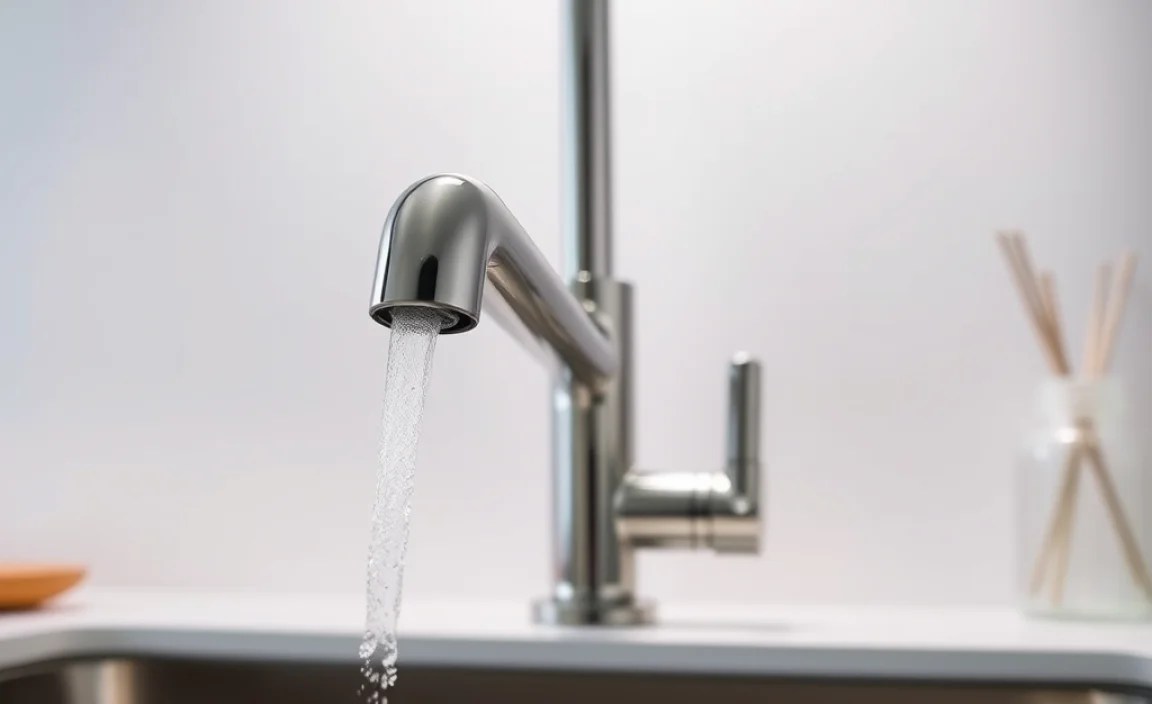
Faucets are everywhere in our homes. They are in kitchens, bathrooms, and gardens. A faucet structure is simple yet crucial. It has parts like handles, spout, and sometimes a sprayer. The handles help control water flow. The spout is where water comes out. Inside, faucets have valves. Valves open and close to let water through or stop it. This structure ensures we get water anytime we need it.
- Handles control water flow and temperature.
- The spout directs water where needed.
- Valves prevent leaks by sealing tightly.
- Cartridges mix hot and cold water.
- Sprayers offer more flexibility in kitchens.
Each part of the faucet structure plays a role. When one fails, it can cause problems. Knowing these parts helps us fix small issues. It also helps us choose the best faucet for our needs. Faucets can be made of many materials, like metal or plastic. Each type has its own strengths and weaknesses.
Fun Fact or Stats : The first mechanical faucet was invented in the 19th century!
How Handles Work
Have you ever turned a faucet handle and felt it move smoothly? This is because of the design. Handles connect to valves inside the faucet. When you turn the handle, it moves the valve. This action lets water flow or stops it. Some faucets have one handle. These are called single-lever faucets. Others have two handles, one for hot and one for cold water. Both types are common in homes.
Types of Faucet Spouts
Faucet spouts come in different shapes and sizes. Some spouts are straight and simple. Others have a curved design. The shape affects how water flows out. Curved spouts often provide a wider stream of water. There are also pull-out and pull-down spouts. These are useful in kitchens. They help wash dishes or fill pots easily. Choosing a spout depends on your needs and preferences.
Importance of Valves
Valves are like tiny doors inside faucets. They open and close to control water flow. Without valves, we couldn’t stop water from flowing. This would lead to floods or high water bills. Most faucets use ceramic disk valves. These are durable and last long. Other types include ball valves and compression valves. Each has its own way of controlling water. Knowing the type helps in repairs and replacements.
How Plumbing Connects Faucets

Plumbing connects faucets to water sources. Pipes carry water from a main supply to faucets. These pipes are hidden in walls and floors. They are made from materials like copper, plastic, or steel. Faucets connect to pipes through fittings. Fittings ensure a tight seal. This prevents leaks. Plumbing also includes traps. Traps hold some water to stop sewer gases from entering homes.
- Pipes transport water to different rooms.
- Fittings secure pipes and faucets.
- Traps keep homes safe from odors.
- Shut-off valves control water supply locally.
- Water pressure affects faucet performance.
Proper plumbing ensures faucets work well. It keeps water flowing smoothly. If pipes or fittings fail, it can cause leaks or low pressure. Regular maintenance helps avoid these issues. Plumbers are experts in checking and fixing plumbing problems. They know how to keep everything in top shape.
Fun Fact or Stats : Copper pipes are the most common in plumbing today!
The Role of Pipes
Pipes are the highways for water in your home. They connect the main water supply to faucets. Have you ever noticed pipes under sinks? That’s where they work their magic. Pipes can be made of copper, PVC, or PEX. Each type has its benefits. Copper is strong and long-lasting. PVC is plastic and easy to install. PEX is flexible, making it great for tight spaces.
Why Fittings Matter
Fittings are small but mighty in plumbing. They connect pipes and faucets. Fittings come in many shapes, like elbows, tees, and couplings. They ensure pipes connect at the right angles. This helps water flow smoothly. Have you ever seen a plumber use a wrench? They’re probably tightening a fitting. A good seal prevents leaks and keeps your water clean.
Understanding Traps
Traps are special U-shaped pipes. They are found under sinks and tubs. They hold water to block sewer gases. This keeps our homes fresh and safe. Every time you use a faucet, the trap refills. Have you ever noticed a bad smell near a sink? It might be a dried-out trap. Running water through it usually solves the problem. Traps are small but essential in plumbing.
Exploring Faucet Materials
Faucets come in various materials. Each material offers different benefits. Common materials include stainless steel, brass, plastic, and chrome. Stainless steel is strong and rust-resistant. Brass is also durable and has a classic look. Plastic is lightweight and affordable. Chrome offers a shiny finish that many people love. Choosing the right material depends on your needs and style.
- Stainless steel is durable and rust-free.
- Brass provides a classic and robust look.
- Plastic is lightweight and cost-effective.
- Chrome offers a shiny, modern finish.
- Ceramic parts add to durability and performance.
Each material has its own pros and cons. For example, stainless steel is great for resisting corrosion. But it can be more expensive. Plastic is cheap, but not as strong. Considering these factors will help you pick the best faucet for your home. It’s not just about looks; it’s also about function and durability.
Fun Fact or Stats : Chrome faucets are the most popular choice among homeowners!
Benefits of Stainless Steel
Stainless steel is a top choice for many faucets. It is strong and resists rust. This makes it perfect for kitchens and bathrooms. Have you ever seen a shiny faucet that looks new for years? It’s probably stainless steel. It can be a bit pricey, but the benefits are worth it. This material stands the test of time.
Why People Choose Brass
Brass is a classic choice for faucets. It offers a timeless and elegant look. Brass faucets are durable and resist corrosion. They require a bit more care but last long. Have you ever seen an old-style faucet in a vintage home? It was likely brass. This material adds charm and character to any room.
Plastic Faucets for Budget-Friendly Options
Plastic faucets are affordable and lightweight. They might not be as durable as metal ones. But they do the job well. Plastic is easy to mold into various shapes. This allows for creative designs. Have you ever seen colorful faucets in a kid’s bathroom? They’re probably made of plastic. While they save money, they might need replacing sooner.
Common Faucet Problems and Solutions
Faucets can have problems. Luckily, many are easy to fix. A common issue is dripping. This wastes water and raises bills. Dripping often happens because of worn-out washers or seals. Another problem is low water pressure. This can be caused by clogged aerators. Aerators mix air with water to prevent splashing. Regular cleaning keeps them clear.
- Dripping faucets waste water.
- Low pressure may mean clogged aerators.
- Leaking can damage cabinets or floors.
- Rust affects metal parts over time.
- Loose handles need tightening.
Some faucet issues need a plumber’s help. But others can be fixed with basic tools. A wrench and some plumber’s tape can solve many problems. Learning how to maintain faucets saves money and prevents bigger issues. It’s all about keeping parts clean and tight.
Fun Fact or Stats : A dripping tap wastes over 3,000 gallons of water a year!
Dealing with Drips
Dripping faucets are annoying and wasteful. The sound of a constant drip can be bothersome. This happens because of worn-out washers or seals. Changing these parts can stop the drip. Have you ever seen a puddle under a sink? It might be a sign of a leak. Fixing it quickly saves water and prevents damage.
Fixing Low Water Pressure
Low water pressure can be frustrating. It makes washing and rinsing difficult. The problem often lies in the aerator. Aerators get clogged with dirt and minerals. Unscrewing and cleaning them usually helps. Have you ever seen a weak stream from a faucet? Cleaning the aerator can restore full pressure.
Preventing Rust and Corrosion
Rust can make faucets look old and worn. It affects metal parts over time. Regular cleaning and drying help prevent rust. Have you ever touched a rough, rusty faucet? It’s not pleasant. Applying a protective wax can keep rust away. Choosing rust-resistant materials, like stainless steel, also helps. Keeping faucets dry prolongs their life.
Comparing Bathroom and Kitchen Faucets
Bathroom and kitchen faucets look similar but have differences. Kitchen faucets are often larger. They have features like pull-out sprayers. Bathroom faucets focus more on design. They come in various styles and finishes. Both types have unique needs. Kitchen faucets handle more wear and tear. Bathroom faucets are more about aesthetics.
- Kitchen faucets are usually larger.
- Bathrooms focus on style and design.
- Kitchen faucets have sprayers for dishes.
- Bathroom faucets come in many finishes.
- Both require regular cleaning.
Choosing the right faucet depends on the room’s function. In the kitchen, a durable and practical faucet is best. In bathrooms, style and elegance might be the priority. Understanding these differences helps in making smart choices for your home. Faucets are both functional and decorative elements.
| Feature | Kitchen Faucets | Bathroom Faucets |
|---|---|---|
| Size | Larger | Smaller |
| Sprayers | Common | Rare |
| Style Focus | Durability | Aesthetics |
| Finishes | Fewer options | More options |
Fun Fact or Stats : The average kitchen faucet is used over 40 times a day!
Unique Features of Kitchen Faucets
Kitchen faucets are designed for heavy use. They often have pull-out or pull-down sprayers. These sprayers make washing dishes and vegetables easier. Some have high-arc designs to fill large pots. Have you ever struggled to fit a big pot under a faucet? A high-arc faucet solves this problem. Kitchen faucets need to be sturdy and long-lasting.
Bathroom Faucets Focus on Style
Bathroom faucets come in many styles. They add beauty to your bathroom. Some are sleek and modern. Others have a vintage look. Have you ever seen a fancy faucet that looks like a waterfall? That’s a special design for a bathroom. Choosing a stylish faucet can make your bathroom look elegant.
Maintaining Kitchen and Bathroom Faucets
Both kitchen and bathroom faucets need care. Regular cleaning keeps them shiny. Have you ever noticed water spots on faucets? They happen if not wiped dry. Using a soft cloth helps maintain the finish. Faucets with moving parts, like sprayers, need extra attention. Keeping them clean ensures smooth operation.
Conclusion
Understanding the faucet structure in plumbing is important. Faucets connect us to clean water daily. They come in various styles and materials. Knowing how they work helps us choose the right ones. It also helps in fixing small problems. Proper care keeps faucets working well and looking great. Next time you use a faucet, think of the journey water takes!
FAQs
Question: What is the main purpose of a faucet in plumbing?
Answer: The main purpose of a faucet is to control the flow of water. It allows us to use water for various activities like washing and cooking. The faucet structure in plumbing ensures water reaches us cleanly and efficiently.
Question: How does a faucet stop water from flowing?
Answer: A faucet stops water using valves inside it. When you turn the handle, it moves a valve to block the water’s path. This action stops the flow. The faucet structure in plumbing relies on these valves to control water efficiently.
Question: What materials are faucets made from?
Answer: Faucets come in materials like stainless steel, brass, plastic, and chrome. Each material has different benefits. Stainless steel resists rust, while brass offers a classic look. The faucet structure in plumbing uses these materials for durability and style.
Question: Why does my faucet drip?
Answer: A dripping faucet often means a worn-out washer or seal. These parts prevent water from leaking out. Replacing them usually stops the drip. Regular maintenance of the faucet structure in plumbing prevents such issues.
Question: Can I fix a leaky faucet myself?
Answer: Yes, you can fix a leaky faucet with basic tools. A wrench and some replacement parts like washers or seals might be needed. Understanding the faucet structure in plumbing helps in identifying and solving the problem efficiently.
Question: What’s the difference between kitchen and bathroom faucets?
Answer: Kitchen faucets are larger and often have sprayers. They focus on durability. Bathroom faucets focus on style and come in many finishes. Both types serve different purposes within the faucet structure in plumbing.
