
Fix cabinet tools are simple to repair with basic tools and clear steps. Learn how to fix wobbly handles, loose hinges, sticky drawers, and worn-out slides. This guide provides easy-to-follow solutions for common cabinet problems, saving you money and frustration.
Cabinets get a lot of use, and sometimes their parts can get a little… loose. It’s totally normal for handles to wiggle, doors to sag, or drawers to stick. These aren’t big, scary problems! With just a few simple fixes, you can get your cabinets working smoothly and looking great again.
You don’t need to be a master carpenter or have a fancy toolbox for these jobs. We’ll walk through the most common cabinet tool issues and show you exactly how to tackle them. It’s satisfying work that makes a big difference! Let’s dive into how to make your cabinets happy again.
Common Cabinet Tool Problems and How to Fix Them
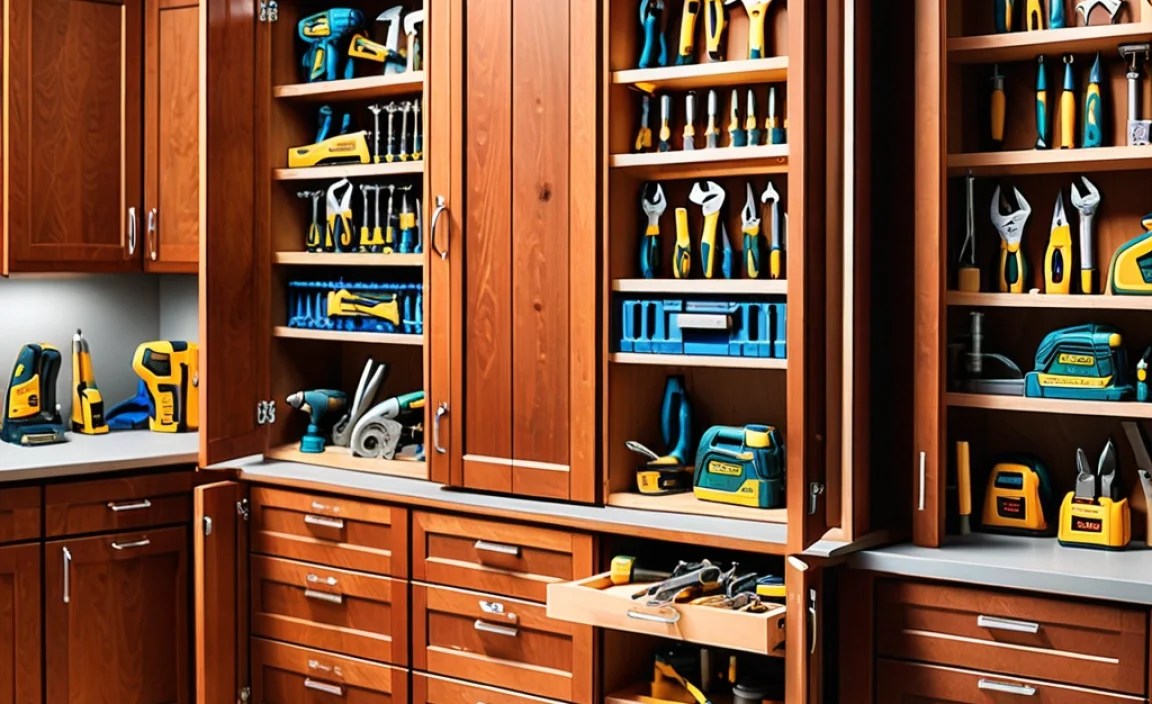

Cabinet hardware, like any moving part, can experience wear and tear. Understanding these common issues is the first step to a quick and easy fix. We’ll cover everything from a wobbly handle to a stubborn drawer, providing clear, actionable steps for each.
1. Wobbly Cabinet Handles or Knobs
A loose handle is probably the most frequent cabinet annoyance. Thankfully, it’s also one of the easiest to fix. This usually happens because the screws holding the hardware have loosened over time due to vibration and use.
Tools You’ll Need:
- Screwdriver (Phillips head or flat head, depending on your screws)
- Optional: Pliers (if you need to grip a nut)
- Optional: Wood glue or wood filler (for stripped holes)
Step-by-Step Fix:
- Identify the Screw Type: Look at the back of your cabinet door or drawer. You’ll usually see a screw or a bolt coming through. Note whether it’s a Phillips head (cross-shaped) or a flat head (single slot).
- Tighten the Screw: Using the correct screwdriver, simply tighten the screw. Turn it clockwise until it feels snug. Don’t overtighten, as this can strip the screw or damage the wood.
- For Knobs with Bolts: Some knobs have a bolt that goes through the cabinet. You might need to hold a small nut on the inside with pliers or your fingers while you tighten the knob from the outside.
- What if the Screw Won’t Tighten (Stripped Hole)? If the screw just keeps turning without tightening, the hole in the cabinet might be stripped. This is a common issue. Here’s how to fix it:
- Toothpick or Golf Tee Method: Dip a few wooden toothpicks or a small piece of a golf tee in wood glue. Insert them into the stripped hole. Break them off so they are flush with the surface. Once the glue is dry (check the glue instructions, usually a few hours), the screw will have something to grip. Try screwing it in again.
- Wood Filler Method: For a more permanent fix, you can pack the stripped hole with wood filler. Let it dry completely (this can take 24 hours). Once dry, you can drill a small pilot hole into the filler and then re-insert the screw.
2. Sagging or Misaligned Cabinet Doors
Doors that don’t close flush or seem to droop can make cabinets look untidy and prevent them from closing properly. This is often caused by loose hinge screws or worn-out hinges themselves.
Tools You’ll Need:
- Screwdriver (appropriate type for your hinge screws)
- Level (to check alignment)
- Shims or cardboard (if you need to adjust hinge placement slightly)
- New hinges (if yours are bent or broken)
Step-by-Step Fix:
- Check the Hinges: Open the cabinet door and examine the hinges. Are they bent, rusted, or showing signs of excessive wear? If so, replacement might be the best option.
- Tighten Hinge Screws: This is the most common fix. Check all the screws attaching the hinges to both the cabinet door and the cabinet frame. Tighten any that are loose. Use a screwdriver and turn clockwise.
- Adjusting Hinge Screws for Alignment: Many cabinet hinges have adjustment screws that allow you to fine-tune the door’s position.
- In-and-Out Adjustment: One screw usually controls how far the door sits from the cabinet frame.
- Up-and-Down Adjustment: Another screw might allow for slight vertical movement.
- Forward-and-Backward Adjustment: Some hinges have a third screw for depth.
As you tighten or loosen these screws, observe how the door moves. Use a level to ensure the door is hanging straight and is aligned with its neighboring doors. Small adjustments make a big difference! You might need to close the door to see the effect of your adjustments.
- Dealing with Stripped Hinge Screw Holes: If hinge screws won’t tighten, use the toothpick/wood glue or wood filler method described in the “Loose Handles” section.
- When to Replace Hinges: If your hinges are significantly bent, rusted, or the adjustment screws don’t do anything, it’s time for new ones. You can often find exact replacements at hardware stores. Take a picture or the old hinge with you to match it. Replacing hinges can be a bit more involved, but it’s still a manageable DIY task. Consult the manufacturer’s instructions for the new hinges.
3. Sticking or Stubborn Drawers
Drawers that squeak, stick, or refuse to slide open and shut smoothly can be incredibly frustrating. The cause is usually friction between the drawer and the cabinet frame, often due to misaligned tracks, worn glides, or debris.
Tools You’ll Need:
- Screwdriver
- Vacuum cleaner or brush
- Candle wax, soap, or silicone spray lubricant
- Wood shims (if drawer box is warped)
- Wood glue (for loose drawer joint repairs)
Step-by-Step Fix:
- Empty the Drawer: The first step is to remove everything from the drawer so you can get to the tracks and sides easily.
- Inspect the Drawer Tracks/Glides:
- Look at the sides of the drawer and the inside of the cabinet where the drawer slides. Are there any obstructions? Small stones, food crumbs, or dried spills can cause sticking.
- Clean out any debris with a vacuum cleaner or a brush.
- Check the wooden runners or metal glides. Are they damaged, bent, or warped? If the wood is rough, a little sanding might help.
- Lubricate the Tracks: This is often the easiest and most effective fix.
- Wax Method: Rub a block of old candle wax or a bar of soap along the wooden runners of the drawer and the corresponding tracks inside the cabinet. Slide the drawer in and out a few times to distribute the wax.
- Silicone Spray Lubricant: For metal drawer slides or wooden ones that need a bit more glide, use a silicone spray lubricant. Spray it lightly onto the tracks and runners. Avoid using oil-based lubricants as they can attract dust and make the problem worse over time.
- Check for Drawer Box Warping: Sometimes, the drawer box itself can become slightly warped, causing it to catch. Gently try to push the sides to see if you can ease the sticking point. If the wood is deeply warped, you might need to consult a professional, but minor adjustments or sanding can sometimes help.
- Tighten Drawer Box Joints: If the drawer feels wobbly or its corners are separating, the joints might be loose. You can try gently tapping the joints back together with a rubber mallet. If they are significantly separated, wood glue and clamps can often re-secure them.
- For Metal Drawer Slides: If you have metal drawer slides, check that they are securely screwed into the cabinet and the drawer. Tighten any loose screws. Sometimes, these glides can become slightly bent. You can sometimes gently bend them back into place with pliers, but be careful not to overdo it. Information on specific types of slides can be found on manufacturer websites, such as Rockler’s guide to drawer slides, which can offer more detailed help.
4. Cabinet Door Binders (When Doors Don’t Close All the Way or Stay Open)
Some cabinets have “binders” or “catches” that help doors stay shut or open to a certain point. These can be magnetic, roller, or touch-latch mechanisms.
Tools You’ll Need:
- Screwdriver
- Pliers
- New binder/catch (if the old one is broken)
Step-by-Step Fix:
- Identify the Binder Type: Determine what kind of mechanism your cabinet uses. Is it a small magnet, a roller that fits into a metal tab, or a spring-loaded plunger?
- Check for Obstructions: Ensure nothing is physically blocking the binder or its mating part on the door from engaging.
- Tighten Screws: Most binders are attached with small screws. Tighten them if they’re loose.
- Adjust Position: Sometimes, the binder or its plate needs to be slightly repositioned. Small adjustments to height or depth can fix issues where a door doesn’t quite catch or is hard to open.
- Replace Worn Binders: If a magnet has lost its strength, a roller is worn down, or a spring mechanism has failed, you’ll need to replace it. Take the old one to a hardware store to find a suitable match. Installation is usually as simple as unscrewing the old and screwing in the new.
5. Loose Hinges on Cabinet Doors (Surface Mount vs. Inset)
Cabinet hinges can be either surface-mounted (attached to the outside frame) or inset (fitting into a recess). While the troubleshooting is similar (tightening screws), the types can vary significantly, affecting how they are adjusted or replaced.
Common Hinge Types:
Understanding your hinge type is crucial for fixing it. Here are a few common ones:
| Hinge Type | Description | Common Issues | Fixing Tip |
|---|---|---|---|
| Standard Butt Hinge | Two leaves joined by a pin; often used on utility cabinets. | Loose screws, sagging door. | Tighten screws. If worn, replace with identical type. |
| Overlay Hinge | Allows doors to sit “over” the cabinet frame. Common in kitchens. | Misalignment, door sag, stiff operation. | Use adjustment screws for depth, height, and side-to-side. |
| Inset Hinge | Hinges that mount inside the cabinet frame, so the door sits flush within the opening. | Door binding, misalignment. | Careful adjustment of screws; replacement if bent. |
| Euro/Concealed Hinge | Hidden hinges with a cup that sits in a drilled hole in the door. | Door not closing parallel, gaps, stiff movement. | Numerous adjustment screws on the mounting plate and the hinge arm. |
Basic Principles for Loose Hinges:
- Assess Screw Tightness: Always start by ensuring all screws are snug.
- Look for Adjustments: Many modern hinges (especially Euro hinges) have several screws for fine-tuning. Consult the manufacturer’s guide if possible or experiment carefully. A resource like Popular Mechanics’ guide on adjusting cabinet hinges can be very helpful.
- Consider Worn Parts: If hinges are bent, rusted, or screws just won’t hold, replacement is your best bet.
6. Updating Cabinet Hardware
Sometimes, “fixing” cabinet tools is about updating them for better function or aesthetics. Old hardware might be worn out, or you might simply want a new look.
Tools You’ll Need:
- New cabinet handles and knobs
- New screws (often come with hardware)
- Screwdriver
- Drill with appropriate drill bits (if you need to create new holes)
- Measuring tape
- Pencil
Step-by-Step Update Process:
- Decide on New Hardware: Choose knobs and pulls that fit your style and are comfortable to use. Consider the existing hole spacing. Many pulls require two screws, so measure the distance between them (often called “center-to-center” or C-C).
- Remove Old Hardware: Use a screwdriver to remove the screws from your existing handles and knobs.
- Clean the Area: Wipe down the cabinet door or drawer where the old hardware was located.
- Install New Hardware:
- If Hole Spacing Matches: Simply align the new hardware with the existing holes and insert screws from the back. Tighten with a screwdriver.
- If You Need New Holes: This is where a bit more care is needed.
- Measure Carefully: Use a measuring tape to mark the exact spot for your new holes. For pulls with two screws, measure the center-to-center distance accurately.
- Use a Template or Jig: For consistent placement on multiple doors/drawers, consider using a cabinet hardware jig (available at hardware stores). Alternatively, you can create a simple template from cardboard.
- Drill Pilot Holes: Use a drill with a bit slightly smaller than your screw diameter. Drill pilot holes from the outside of the cabinet door or drawer front. This helps prevent splitting the wood.
- Install Hardware: Insert screws from the back and tighten snugly.
Updating hardware can dramatically change the look of your cabinets and is a rewarding DIY project. For more insights on cabinet hardware choices, check out resources like This Old House’s guide to cabinet hardware.
Troubleshooting Cabinet Hardware: At a Glance

Here’s a quick reference guide to common problems and their solutions:
| Problem | Likely Cause | Quick Fix |
|---|---|---|
| Wobbly Handle/Knob | Loose screw | Tighten screw. If stripped, use toothpicks/glue or filler. |
| Sagging Door | Loose hinge screws, bent hinges, worn hinges | Tighten screws. Use adjustment screws to level. Replace if bent or worn. |
| Sticking Drawer | Debris, worn tracks, warped drawer box | Clean tracks. Lubricate with wax or silicone spray. Check for warps. |
| Door Doesn’t Latch | Loose or misaligned binder/catch, magnet weak | Tighten screws. Adjust position. Replace binder if broken. |
| Drawer Slide Grinds | Dirt, bent slide, lack of lubrication | Clean and lubricate. Gently straighten bent metal slides. Tighten screws. |
Frequently Asked Questions (FAQ)
Q1: How often should I check my cabinet hardware?
A1: It’s a good idea to give your cabinet hardware a quick check every 6-12 months. Look for any signs of loosening, sticking, or sagging. Early detection makes fixes much easier!
Q2: What’s the difference between a knob and a pull?
A2: A knob is a single point piece of hardware. A pull typically has two mounting screws and is long enough to get a grip with multiple fingers.
Q3: My cabinet hinge screws are stripped. What’s the best way to fix this?
A3: For stripped screw holes in wood, filling them with wooden toothpicks and wood glue is a common and effective DIY method. Let it dry, then re-drill a pilot hole. Wood filler is another robust option.
