
Fixing your exhaust fan is straightforward with the right tools and simple steps. This guide provides essential fixes and the tools you’ll need to tackle common issues, ensuring your fan runs efficiently and quietly again. Get ready to restore your ventilation with expert advice made easy.
The hum of a quiet bathroom after a shower or a fresh kitchen after cooking is often thanks to a hardworking exhaust fan. But what happens when that helpful appliance starts making strange noises, not spinning, or just doesn’t seem to be doing its job? It’s a common problem, and one that can be frustrating. Don’t worry! Many exhaust fan issues are simple to fix with a few basic tools and a little know-how. This guide is designed to help you identify the common culprits and provide clear, step-by-step solutions. We’ll walk you through exactly what tools you’ll need and how to use them safely to get your exhaust fan back in tip-top shape.
Why Isn’t My Exhaust Fan Working? Common Issues Explained

Exhaust fans, while generally reliable, can develop a few common problems over time. Understanding these issues is the first step to fixing them. Usually, it’s not a major electrical fault, but rather something simple that needs attention.
The most frequent culprits include:
- Dust and Debris Buildup: Over months and years, dust, lint, and even small insects can accumulate in the fan housing, on the blades, and within the motor. This buildup can cause the fan to slow down, make noise, or stop altogether.
- Loose Components: Vibrations from the fan can sometimes loosen screws, mounting brackets, or even the fan blade itself.
- Motor Issues: The motor might be failing, overheating, or its bearings could be worn out, leading to noise or a complete stop.
- Electrical Problems: While less common for DIYers to fix on their own, a faulty switch, wiring issue, or a tripped breaker can prevent the fan from starting.
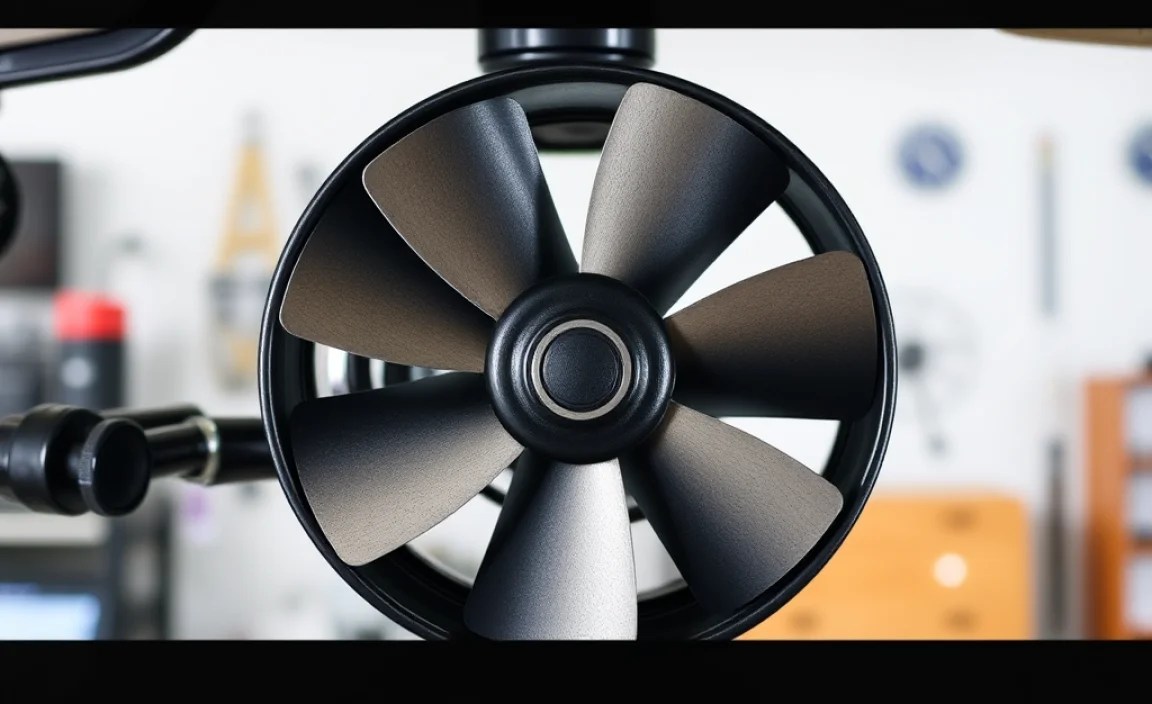
- Impeller or Blade Problems: The fan blade (or impeller) might be damaged, bent, or obstructed.
Before you start, always remember that electricity can be dangerous. Your safety is the top priority. We’ll cover safety precautions throughout this guide.
Essential Tools for Fixing Your Exhaust Fan

You don’t need a professional toolkit to fix most exhaust fan problems. A few basic, common household tools will likely suffice. Having the right tools makes the job much easier, faster, and safer.
Here’s a rundown of the tools you should have on hand:
Must-Have Tools:
- Screwdrivers: A set of Phillips head and flathead screwdrivers in various sizes is crucial. Many fan covers and components are secured with screws.
- Pliers: Needle-nose pliers are excellent for gripping small parts or wires, while standard pliers can help with slightly larger components.
- Adjustable Wrench: Useful if any nuts or bolts need tightening.
- Duster or Compressed Air: For blowing away dust and debris from the fan blades and motor housing without damaging components. A soft brush can also be helpful.
- Vacuum Cleaner with Hose Attachment: To suck up loosened dust and debris after the initial blow-out.
- Ladder or Step Stool: To safely reach the fan, especially if it’s mounted on the ceiling. Ensure it’s stable and placed on a level surface.
- Safety Glasses: To protect your eyes from falling dust and debris.
- Work Gloves: To protect your hands.
- Putty Knife or Flat-Edged Tool: Can sometimes be used to gently pry off fan covers if they are snug.
Potentially Helpful Tools (Depending on the Issue):
- Multimeter: If you suspect an electrical issue, a multimeter can help test for voltage and continuity. (Note: Use with caution and only if you are comfortable with electrical testing.)
- Lubricant (e.g., WD-40 or Silicone Spray): For squeaky motors, a light application might help, but be sure it’s appropriate for motor bearings and won’t attract more dust.
- Duct Tape or Electrical Tape: In rare cases, for securing loose wires temporarily (but proper repair is always recommended).
Step-by-Step Guide: Troubleshooting and Fixing Common Exhaust Fan Problems

Let’s get down to business! We’ll tackle the most common exhaust fan issues one by one. Remember to always prioritize safety.
Step 1: Safety First – Turn Off the Power!
- Locate the Circuit Breaker: Go to your home’s electrical panel (usually in the basement, garage, or a utility closet). Find the breaker that controls the exhaust fan. It might be labeled “Bathroom Fan,” “Kitchen Fan,” “Ventilation,” or a specific room name.
- Flip the Breaker: Move the switch to the “OFF” position.
- Test It: Go back to the fan and try to turn it on. If it doesn’t operate, the power is off. If your fan has a separate switch on the wall, flip that one off too, just to be extra sure.
Why this is important: Mixing tools and electricity can lead to serious injury. Always ensure the power is cut off before touching any part of the fan.
Step 2: Accessing the Fan Components
- Remove the Grille/Cover: Most exhaust fans have a cover or grille that’s held in place by clips, springs, or screws. Gently twist and pull downwards, or if there are screws, carefully remove them. Be prepared for dust to fall.
- Support the Cover: If it has springs, they can sometimes pop out. Consider holding the cover gently as you release it.
- Inspect the Fan Body: Once the cover is off, you’ll see the fan housing, motor, and blades.
Step 3: Troubleshooting and Fixing Specific Problems
Now, let’s address the common issues:
Problem 1: The Fan is Noisy (Squealing, Grinding, or Humming)
This is often due to dust buildup or a dry motor bearing.
- Clean Thoroughly: Use your duster, compressed air, or a soft brush to carefully remove all dust from the fan blades, motor housing, and any other accessible parts. Aim the air away from you and into a trash can or a vacuum.
- Check for Obstructions: Ensure nothing is physically rubbing against the fan blades.
- Lubricate (Cafefully): If cleaning doesn’t stop the noise, the motor bearing might need lubrication. Look for a small hole or port on the motor. If you find one, apply a tiny amount of appropriate motor lubricant (not WD-40, which can attract dust, but a silicone-based spray or specific motor oil is better if recommended by the manufacturer). Only do this if you are comfortable and can identify the correct lubrication point. Many modern motors are sealed and don’t require lubrication. Over-lubrication can cause more problems.
- Tighten Components: Gently check if the fan blade is securely attached to the motor shaft. If it’s loose, tighten it according to the manufacturer’s instructions. Also, check if the motor is securely mounted.
Problem 2: The Fan Isn’t Spinning
Could be a power issue, jammed fan, or motor failure.
- Double-Check Power: Ensure the breaker is on and the wall switch is working. If you have a multimeter and know how to use it, you could test the wall switch and the power coming to the fan unit.
- Check for Obstructions: With the power OFF, carefully try to spin the fan blade by hand. Does it move freely, or is it stiff and jammed? If it feels stuck, carefully inspect for any debris (like a loose wire, a bit of insulation, or an insect) that’s preventing movement. Remove it gently.
- Inspect the Motor: If the fan blade spins freely but the fan still doesn’t turn on, the motor itself might have failed, or there’s an electrical connection issue within the unit. This often requires replacing the motor or the entire fan unit, which might be beyond a beginner’s scope.
Problem 3: The Fan is Weak or Not Venting Effectively
This is almost always due to dust, a partially blocked duct, or an incorrectly sized fan.
- Thorough Cleaning: This is critical. A heavily dust-laden fan can’t move air efficiently. Clean the blades, housing, and grille thoroughly as described in Problem 1.
- Check the Ductwork (if accessible): If you can safely access the duct that carries air outside, check for blockages. Squirrels, birds, or accumulated lint can sometimes clog ducts. Ensure the exterior vent flap isn’t stuck shut.
- Verify Fan Size: For kitchens, an exhaust fan needs to move a considerable amount of air (measured in Cubic Feet per Minute, or CFM). Bathroom fans also have CFM ratings. If you have a very small fan in a large space, or if the duct run is very long and has many bends, the fan might struggle. Refer to your fan’s manual or manufacturer’s website for its CFM rating. You can find helpful information on ventilation needs from the Environmental Protection Agency (EPA) regarding indoor air quality.
Problem 4: Fan Makes a Clicking Noise
This often indicates a loose component, most commonly the fan blade hitting something or a loose mounting.
- Examine Fan Blade: With the power OFF, carefully look at the fan blade. Is it bent? Is it too close to the housing? Could it be hitting a wire or a piece of debris?
- Tighten Fan Blade: Ensure the nut or screw holding the fan blade to the motor shaft is tight.
- Check Mounting: Make sure the motor itself is securely fastened within its housing, and that the housing is securely attached.
Step 4: Reassembly and Testing
- Reattach the Grille: Carefully put the cover or grille back into place. Ensure it’s securely fastened with screws or clips.
- Restore Power: Go back to the circuit breaker and flip the breaker to the “ON” position.
- Test the Fan: Turn on the wall switch. Listen for noise and check if the fan is spinning and seems to be effectively moving air.
- Observe: Let the fan run for a few minutes to ensure the problem is resolved.
When to Call a Professional
While many exhaust fan issues are DIY-friendly, there are times when it’s best to bring in an expert.
Consider calling a professional if:
- You are uncomfortable working with electricity.
- You suspect a serious electrical fault (e.g., burning smell, tripping breaker repeatedly).
- The fan motor needs replacement and you’re not comfortable with motor disassembly.
- The ductwork is severely blocked, inaccessible, or damaged.
- You’ve tried the basic fixes, and the problem persists.
- Your fan is part of a complex ventilation system.
A qualified electrician or HVAC technician can quickly diagnose and repair more complex issues to ensure your system is safe and working correctly.
Maintenance Tips for a Long-Lasting Exhaust Fan

Preventing problems is always easier than fixing them. Regular, simple maintenance can vastly extend the life of your exhaust fan and keep it running efficiently.
Here are some easy maintenance tips:
- Regular Cleaning: Aim to clean the fan grille and accessible blades at least every 3-6 months. A quick dusting with a vacuum attachment or a damp cloth can make a big difference.
- Check for Obstructions: Occasionally, look at the exterior vent flap to ensure it’s not blocked by debris, leaves, or nests.
- Listen for Changes: Pay attention to new noises or changes in fan performance. Addressing small issues early often prevents bigger problems.
- Professional Check-ups: If your fan is very old or you notice persistent minor issues, consider having it inspected by a professional during other home maintenance visits.
Simple, consistent care ensures your exhaust fan continues to do its job of improving your home’s air quality and reducing moisture and odors.
Exhaust Fan Tools: A Comparison Table
To help you prepare, here’s a quick look at common tools and their primary uses for exhaust fan fixes.
| Tool | Primary Use in Fan Repair | Beginner-Friendly |
|---|---|---|
| Phillips Head Screwdriver | Removing/Reattaching fan covers, motor mounts, and grilles. | Yes |
| Flathead Screwdriver | Prying gently, removing specific types of screws, or as a lever. | Yes |
| Needle-Nose Pliers | Gripping small wires, holding tiny screws, manipulating small parts. | Yes |
| Duster/Compressed Air | Removing dust and debris from blades and motor housing. | Yes |
| Vacuum Cleaner (Hose Attachment) | Sucking up loosened debris after dusting. | Yes |
| Ladder/Step Stool | Safely reaching ceiling-mounted fans. | Yes (ensure stability) |
| Multimeter | Testing electrical continuity and voltage (for advanced users). | No (requires electrical knowledge) |
Lubricant (Silicone Sp

Chad Leader |