
A leaky showerhead or a running toilet can be fixed with simple DIY steps. This guide provides essential quick fixes for common shower problems, empowering you to tackle minor repairs confidently and cost-effectively. Learn to identify issues and apply easy solutions to keep your shower in top shape.
A drip, drip, drip from your showerhead or a toilet that won’t stop running can be more than just annoying – they can waste water and increase your utility bills. Don’t let these common shower woes disrupt your day or your budget. With a few basic tools and some simple instructions, you can become your own go-to shower fixer!
This guide is designed for anyone, whether you’re a seasoned DIYer or just starting out, to confidently tackle essential shower repairs. We’ll walk through the most frequent issues and give you the know-how to get them sorted quickly and efficiently, turning frustration into a sense of accomplishment. Get ready to empower yourself with some easy fixes that will keep your bathroom running smoothly.
Common Shower Problems and How to Fix Them

Showers are a vital part of our daily routine, and when they don’t work quite right, it can throw things off balance. Many shower issues stem from simple wear and tear, and thankfully, many of these can be addressed with straightforward repairs. Understanding the basics of your shower system will not only save you money on plumbing calls but also give you a great sense of satisfaction. We’ll break down the most common culprits – from dripping showerheads to low water pressure – and provide clear, actionable steps to resolve them.
1. The Dripping Showerhead: A Silent Water Waster
A showerhead that continues to drip after you’ve turned off the water is a classic sign of a worn-out washer or a problem with the cartridge inside the valve. This seemingly small issue can waste gallons of water each day. Fortunately, it’s one of the most approachable DIY fixes.
Why It Drips:
- Worn-out Washer: The rubber washer inside the showerhead or valve stem can become stiff and cracked over time, preventing a proper seal.
- Faulty Cartridge: In many modern shower systems, a cartridge controls the flow and temperature of water. If this cartridge is damaged or clogged, it can lead to leaks.
- Loose Connections: Sometimes, the showerhead itself might not be screwed on tightly enough, or the connection to the shower arm could be loose.
Tools You’ll Need:
- Adjustable wrench
- Plumber’s tape (Teflon tape)
- Screwdriver (if needed for handle removal)
- Replacement washer, O-ring, or shower cartridge (depending on the issue)
- Rag or towel
Step-by-Step Fix for a Dripping Showerhead:
- Turn Off the Water: Locate the main water shut-off valve for your house or, ideally, the specific shut-off valve for your bathroom. If you can’t find individual valves, you’ll need to turn off the main water supply to your home.
- Remove the Showerhead: Use an adjustable wrench to carefully unscrew the showerhead from the shower arm. Turn it counter-clockwise. Be gentle to avoid damaging the pipe. Wrap a rag around the connection point if you’re concerned about scratching the finish. Some showerheads may have a decorative cover plate that needs to be removed first, often accessed by a small set screw on the handle.
- Inspect and Replace the Washer/O-Ring: Look inside the connection point of the showerhead or on the shower arm. You might see a rubber washer or O-ring that needs replacing. If it looks worn, cracked, or flat, remove it carefully with a small screwdriver or pick and replace it with an identical new one.
- Check the Cartridge (If necessary): If replacing the washer doesn’t work, the issue might be with the valve cartridge. This is a bit more involved. You’ll likely need to remove the shower handle and trim plate to access the cartridge. This process varies by faucet manufacturer, so it’s helpful to know the brand of your shower valve. Once exposed, the cartridge can usually be pulled out and replaced. Consult your fixture’s manual or the manufacturer’s website for specific instructions. You can often find detailed guides on plumbing fixture websites such as Kohler’s Maintenance and Repair section.
- Clean and Reassemble: Before reattaching, clean any mineral deposits from the shower arm threads. Wrap new plumber’s tape clockwise around the threads of the shower arm.
- Reattach the Showerhead: Screw the showerhead back onto the shower arm clockwise until snug. Avoid overtightening.
- Test the Repair: Turn the water back on slowly and check for leaks. Let the shower run for a minute, then turn it off and listen and watch for drips.
If the drip persists, double-check your work or consider if the shower valve body itself has an issue, which might require a professional plumber.
2. Low Water Pressure: A Less Than Invigorating Shower
Feeling like your shower’s pressure has dwindled over time? This is a common problem often caused by mineral buildup or a clogged fixture. Restoring good water pressure can make a world of difference to your shower experience.
Common Causes:
- Clogged Showerhead: Mineral deposits (limescale) from hard water can clog the small nozzles of the showerhead.
- Partially Closed Shut-off Valve: Less common, but check if the valve supplying water to the shower is fully open.
- Kinked or Blocked Supply Lines: For systems with flexible hoses, a kink or buildup inside can restrict flow.
- Issues with the Pressure-Balancing Valve: In the main shower valve, this component can sometimes become obstructed.
Tools You’ll Need:
- Adjustable wrench
- Old toothbrush or small stiff brush
- Vinegar (white distilled)
- Plastic bag and rubber band (or zip tie)
- Rag
Step-by-Step Fix for Low Water Pressure:
- Check the Showerhead: This is the most frequent fix. Unscrew the showerhead as described in the dripping showerhead section.
- Clean the Showerhead:
- Soaking Method: Place the showerhead in a bowl or sink and fill it with enough white distilled vinegar to submerge the main body and nozzles. Let it soak for at least 4-6 hours, or preferably overnight.
- Brush and Rinse: After soaking, use an old toothbrush or a small stiff brush to scrub away any loosened mineral deposits, especially around the nozzles. Rinse the showerhead thoroughly with water.
- Bagging Method (if you can’t easily remove the showerhead): If your showerhead is difficult to remove, fill a sturdy plastic bag with white vinegar and secure it tightly around the showerhead with a rubber band or zip tie, ensuring the nozzles are submerged. Leave it overnight. Remove the bag and rinse by running hot water through the shower.
- Inspect Faucet Aerator (if applicable): Some shower systems have an aerator at the point where the shower arm enters the wall. If so, unscrew this part carefully and clean it in the same way as the showerhead.
- Reassemble and Test: Screw the clean showerhead back onto the shower arm, using plumber’s tape on the threads if necessary. Turn on the water and test the flow and pressure.
- Check Shut-off Valves: Ensure the water shut-off valves for the shower are fully open.
If cleaning the showerhead doesn’t solve the problem, you may have a clog further back in the system, such as in the supply lines or the shower valve itself. These issues can be more complex and might require a plumber’s expertise. For more in-depth understanding of water pressure issues, resources like the EPA’s WaterSense program offer tips on water conservation and leak detection.
3. The Running Toilet: A Constant Drain on Resources
While not strictly part of the shower system, a running toilet is a frequent companion to a leaky shower in terms of water waste and annoyance. The sound of a constantly refilling toilet tank is unmistakable and a clear sign something needs adjustment.
Why Your Toilet Keeps Running:
- Flapper Seal Issues: The rubber flapper at the bottom of the tank may not be sealing properly, allowing water to seep into the bowl. This can be due to the flapper being warped, worn out, or the chain attached to it being too tight or too loose.
- Float Ball or Cup Problems: The float mechanism (whether a ball on an arm or a cup that rises vertically) tells the fill valve when to shut off. If it’s set too high or malfunctions, the tank may overfill.
- Faulty Fill Valve: The fill valve itself, which replenishes the tank, can also fail, allowing water to constantly flow into the tank and then out through the overflow tube.
Tools You’ll Need:
- Adjustable wrench
- Screwdriver (often a Phillips head)
- Gloves (optional, but recommended)
- Replacement flapper, fill valve, or float assembly (if needed)
Step-by-Step Fix for a Running Toilet:
- Turn Off Water Supply: Locate the small valve on the wall behind the toilet (usually to the left). Turn the handle clockwise to shut off the water supply to the toilet. Also, lift the toilet lid and place it aside carefully.
- Check the Flapper: Look at the rubber flapper at the bottom of the tank. Is it warped, cracked, or otherwise damaged? Does it appear to be sealing the hole properly? Try pressing down on the flapper to see if the running stops. If the flapper is the issue, you can buy a universal replacement at most hardware stores – they are inexpensive and easy to swap out. Just unhook the old one and hook up the new one, ensuring the chain has the right amount of slack.
- Adjust the Flapper Chain: The chain connecting the flush handle mechanism to the flapper should have just a little bit of slack when the flapper is closed. If it’s too tight, it will hold the flapper slightly open. If it’s too loose, it might get caught under the flapper. Adjust the links on the chain to achieve about 1/2 inch of slack.
- Inspect the Float:
- Float Ball Type: If you have an older toilet with a ball float on an arm, check if the ball is cracked and filling with water, making it heavy and unable to rise fully. You can often adjust the height of the float by gently bending the arm downwards using your hand or a screwdriver.
- Cup Type: Newer toilets have a cup-style float that moves up and down on a central shaft. There’s usually a clip or screw mechanism to adjust how high the water level reaches before it shuts off the fill valve. Adjust this to a slightly lower level if the water is consistently overflowing into the tube.
- Identify Fill Valve Problems: If the flapper and float adjustments don’t help, the fill valve itself might be faulty. You’ll see water constantly flowing from the fill tube into the overflow pipe in the center of the tank. In this case, the entire fill valve assembly needs to be replaced. Replacement kits are readily available and come with instructions.
- Reassemble and Refill: Once you’ve made adjustments or replaced parts, turn the water supply back on by turning the valve counter-clockwise. Let the tank fill. Check for leaks and listen for any running sounds.
If the toilet continues to run, the issue might be with the seal between the tank and the bowl (the tank-to-bowl gasket), which is a more advanced repair. For detailed instructions on toilet repair, including illustrations, the Toiletology website offers comprehensive diagnostics and repair guides.
Shower Valve and Handle Issues
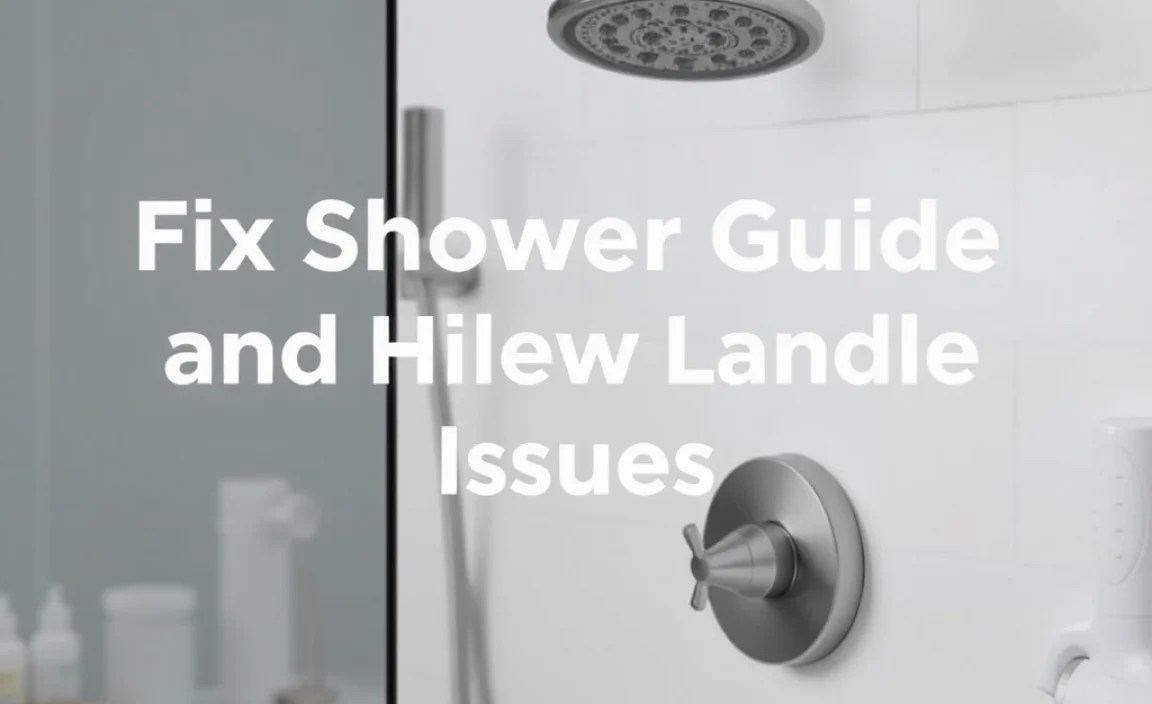
The shower handle and the valve it controls are the command center for your shower. Problems here can range from stiff handles to leaks around the handle itself.
1. Stiff or Hard-to-Turn Handle
Over time, mineral buildup can make your shower handle difficult to move. Sometimes, internal components can become worn or corroded.
Causes:
- Mineral Deposits: Limescale and other mineral deposits can build up on the valve stem and cartridge, making it stiff.
- Worn Cartridge: The internal cartridge that mixes hot and cold water can become worn or clogged.
- Lack of Lubrication: Internal parts may need regular lubrication.
Fix:
- Turn off Water: Always turn off the water supply to the shower.
- Remove Handle and Trim: This varies greatly by faucet model. Typically, you’ll need to remove a decorative cap or cover plate to access a screw holding the handle in place.
- Inspect and Clean: Once the handle and trim are off, you can access the cartridge. Gently pull it out. Soak it in vinegar or a commercial descaler. Use an old toothbrush to clean any visible mineral buildup on the cartridge and inside the valve body.
- Lubricate: Apply a small amount of plumber’s grease (silicone-based) to the O-rings and moving parts of the cartridge before reinsertion.
- Reassemble: Put everything back together in reverse order.
- Test: Turn water back on and check the handle operation.
2. Leaks Around the Shower Handle
A leak that appears only when the shower is on, coming from behind the handle, usually points to a problem with the O-rings or seals within the valve stem or cartridge.
Causes:
- Worn O-rings: The small rubber rings that seal the valve stem can degrade.
- Faulty Cartridge: The cartridge itself may have internal leaks.
Fix:
- Turn off Water: Crucial for safety and to prevent flooding.
- Access the Valve: Remove the handle and trim plate to get to the cartridge.
- Replace O-rings/Cartridge: Carefully inspect the O-rings on the valve stem or cartridge. If they look old, flattened, or cracked, replace them with new ones. If the cartridge shows signs of damage, it’s best to replace the entire cartridge. Make sure to get the correct replacement part for your faucet brand and model.
- Reassemble and Test: Put all parts back together and turn the water on to check for leaks.
Troubleshooting Slow Draining Showers

A shower that doesn’t drain well can be a messy and unpleasant experience. The most common cause is hair and soap scum buildup in the drain.
Causes of Slow Drainage:
- Hair Clogs: Long hair, combined with soap and product residue, forms a thick mat that can block the drain pipe.
- Soap Scum Buildup: Repeated use of soaps and shampoos can leave a sticky residue that traps debris.
- Foreign Objects: Small items can accidentally fall into the drain and obstruct flow.
Tools You’ll Need:
- Gloves
- Bucket
- Screwdriver (if needed to remove drain cover)
- Plunger
- Drain snake (also called a auger) or a wire coat hanger
- Enzyme-based drain cleaner (optional)
Step-by-Step Fix for a Slow Draining Shower:
- Protect Yourself and the Area: Put on gloves. Place a bucket underneath the drain to catch any debris.
- Remove the Drain Cover: Most shower drains have a screw-on or pop-off cover. Use a screwdriver if necessary to remove it.
- Manual Removal of Debris: Reach into the drain (wearing gloves!) and pull out any visible hair or gunk. You might be surprised at what you find. A pair of pliers can sometimes help grip stubborn clogs.
- Use a Plunger: If manual removal doesn’t clear it, try a plunger. Ensure there’s enough water in the shower to cover the bottom of the plunger. Create a good seal over the drain and give several vigorous plunges.
- Use a Drain Snake or Wire Hanger: For deeper clogs, a drain snake is ideal. Feed the snake into the drain and rotate the handle to break up or hook onto the clog. If you don’t have a snake, you can straighten a wire coat hanger, bend a small hook at one end, and use it to fish out debris.
- Try an Enzyme Cleaner: If the clog is persistent and you suspect SOAP scum or grease, an enzyme-based drain cleaner can be effective. These cleaners use biological enzymes to break down organic matter. Follow the product instructions.
