
Fixing your shower step by step is straightforward! This guide breaks down common shower problems, from leaks to low pressure, into simple, actionable steps. You’ll learn what tools you need and how to tackle repairs safely and effectively, saving you time and money. Get your shower working perfectly again with this effortless approach!
Is your shower acting up? A dripping faucet, a weak spray, or a stubborn leak can turn your relaxing shower into a frustrating experience. Many homeowners automatically call a plumber for even minor issues, but what if you could handle some of these common shower problems yourself? You absolutely can!
This guide is designed for you – the homeowner ready to take on a DIY project. We’ll walk through common shower repairs step by step, using simple language and clear instructions. No confusing jargon, just practical advice to boost your confidence and get your shower back in top shape. Let’s discover how to fix your shower without the stress!
Understanding Your Shower: A Quick Look
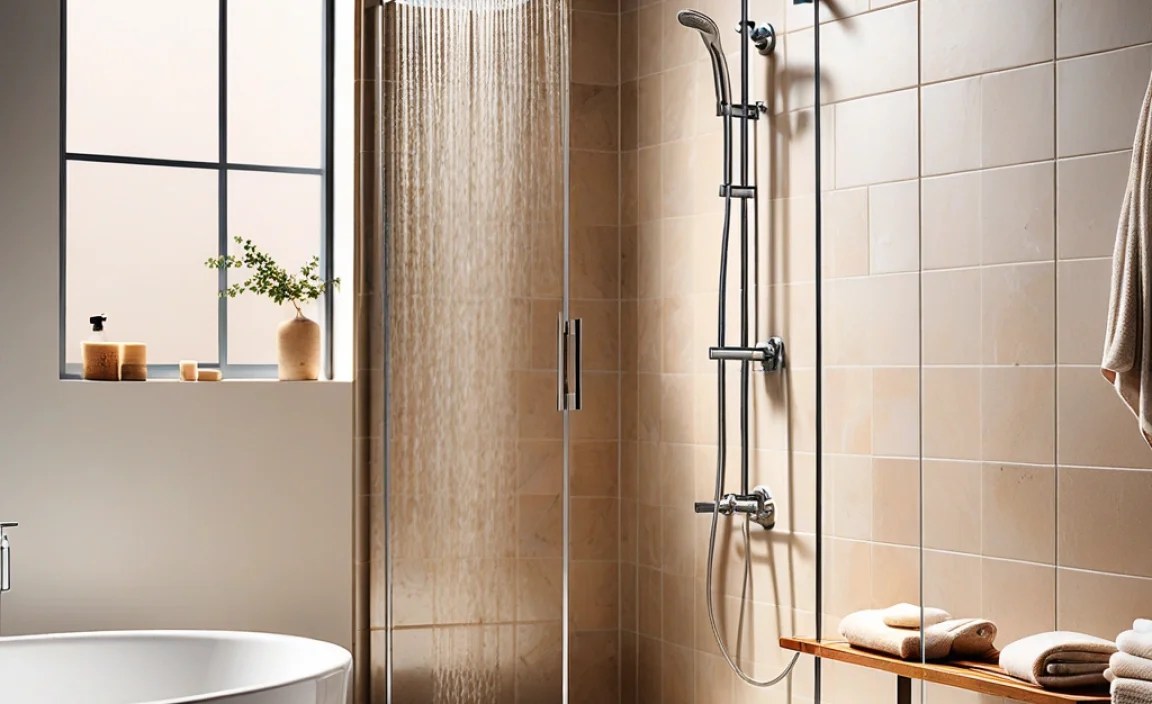
Before we dive into fixing things, it’s helpful to know the basic parts of your shower. Most showers, whether they’re bathtubs with shower heads or standalone shower stalls, share similar components:
- Shower Head: This is where the water comes out. It can be fixed or adjustable (handheld).
- Shower Faucet/Valve: This controls the water flow and temperature. It’s usually behind the wall.
- Handle(s): You use these to turn the water on/off and adjust temperature.
- Cartridge/Stem: This is a crucial internal part of the valve that mixes hot and cold water and controls flow.
- Shower Arm: The pipe that connects the shower head to the valve behind the wall.
- Drain: Where the water goes after you’re done showering.
Knowing these parts can help you pinpoint the source of a problem. For example, if you have a leak coming from the handle, the issue is likely with the cartridge or valve. If the shower head itself is dripping, the problem might be with the head or the valve seat.
Common Shower Problems and How to Fix Them Step-by-Step


Let’s tackle the most common shower issues. We’ll break down each problem with clear steps, what you’ll need, and how to do it safely.
Problem 1: Leaky Shower Head
A shower head that drips even when turned off is annoying and wastes water. Often, this is due to a worn-out washer or sediment buildup.
When to Call a Pro:
- If the leak persists after trying these steps.
- If you suspect a more significant issue with your plumbing.
Tools and Materials You’ll Need:
- Adjustable wrench
- Teflon tape (plumber’s tape)
- Old cloth or rag
- Vinegar (for cleaning mineral buildup)
- Small wire brush or old toothbrush
- Replacement shower head or washer (if needed)
Step-by-Step Guide:
- Turn off the water supply: This is the most important safety step! Find the main water shut-off valve for your home, usually in the basement, garage, or near your water meter. Turn it off completely. If you have shut-off valves specific to your bathroom, use those.
- Remove the shower head: Use an adjustable wrench to gently unscrew the shower head from the shower arm. Turn it counter-clockwise. If it’s stuck, wrap a cloth around it to protect the finish and try again. Don’t force it.
- Inspect and clean the shower arm threads: Look for any debris or old Teflon tape on the shower arm threads. Clean them with your cloth. If there’s a lot of mineral buildup, you can soak a rag in vinegar and wrap it around the threads for a few minutes, then scrub gently with a wire brush or toothbrush.
- Clean the shower head (optional, but recommended): If your shower head spray is uneven, it likely has mineral deposits. Unscrew the shower head from its arm (if you haven’t already cleared it). Submerge the shower head (or just the nozzle part) in a bowl filled with white vinegar for a few hours or overnight. Afterward, use a small brush to scrub away any loosened deposits. Rinse thoroughly.
- Apply new Teflon tape: Wrap new Teflon tape around the threads of the shower arm. Wrap it clockwise (the same direction you’ll screw the shower head back on) about 3-5 times. This creates a watertight seal.
- Reattach the shower head: Screw the shower head back onto the shower arm, turning clockwise by hand. Tighten it gently with the wrench, but avoid overtightening, which can crack the fitting.
- Turn the water back on: Slowly turn the main water supply back on. Check for leaks around the connection. Test the shower head by turning on the water.
If the drip continues from the shower head itself after cleaning and re-taping, the internal washer or the valve seat within the shower arm might be worn. In that case, replacing the shower head might be the easiest solution for a beginner.
Problem 2: Low Water Pressure
Are you getting a weak trickle instead of a satisfying shower spray? There are several reasons this might happen, and fixing it is often quite manageable.
When to Call a Pro:
- If the low pressure affects your entire home, not just the shower.
- If you’ve checked the shower head and faucet and still have issues.
Tools and Materials You’ll Need:
- Adjustable wrench
- Teflon tape
- Old cloth or rag
- Soft-bristled brush or old toothbrush
- Vinegar
- Bucket
- Possibly a screwdriver (depending on faucet type)
Step-by-Step Guide:
- Check the shower head: This is the most common culprit. Mineral deposits can clog the small holes. Follow steps 1-6 from the “Leaky Shower Head” section above, focusing on cleaning out any debris from the holes.
- Inspect the shower arm: While the shower head is off, check inside the shower arm. Sometimes, debris can get lodged in the arm itself. Use a flashlight to look inside and clean out anything you see.
- Check the faucet valve (cartridge): This is often where mineral buildup can significantly restrict flow. This step is a bit more involved and requires turning off the water supply completely.
- Turn off water: Shut off the main water supply to your home.
- Remove the handle: You’ll typically need to pries off a decorative cap or a small screw cover on the faucet handle. Then, remove the screw holding the handle in place and pull the handle off.
- Remove the escutcheon plate: This is the decorative plate behind the handle. It might be held by screws or simply screw off.
- Access the cartridge: You’ll see the valve stem or cartridge. There might be a retaining clip or nut holding it in place. Carefully remove it. Consult your faucet manufacturer’s manual if you’re unsure about your specific model. You can often find these online by searching for your faucet’s brand and model number.
- Clean or replace the cartridge: Inspect the cartridge for mineral deposits. You can try soaking it in vinegar and cleaning it with a soft brush. If it looks damaged or cleaning doesn’t help, you’ll need to replace it. Take the old cartridge to a hardware store to find an exact match.
- Reassemble: Put everything back in reverse order. Make sure to tighten the retaining nut/clip securely.
- Turn on water: Slowly turn the water back on and test the pressure.
- Check for kinked supply lines (less common for showers): If you have a handheld shower head, check the hose for any kinks that might be restricting water flow. Straighten it out.
- Check water pressure regulators (advanced): If you suspect a home-wide pressure issue, your home might have a pressure regulator. This is usually a specialized part and might be best left to a professional if you’re not comfortable with plumbing systems.
For a more in-depth look at understanding water pressure, the U.S. Environmental Protection Agency (EPA) provides excellent resources for water efficiency and conservation, which often touch on pressure management: EPA WaterSense Resources.
Problem 3: Water Temperature Issues (Too Hot or Too Cold)
Getting the right water temperature is key to a comfortable shower. If it fluctuates wildly or won’t reach a comfortable temperature, here’s what to look for.
When to Call a Pro:
- If the temperature issue is extreme and you can’t find the cause.
- If you suspect a problem with your home’s water heater.
Tools and Materials You’ll Need:
- Screwdriver
- Adjustable wrench
- Teflon tape
- Old cloth
- Plumber’s grease (optional)
- Replacement cartridge (if needed)
Step-by-Step Guide:
- Check your home’s water heater settings: Before touching the shower, ensure your water heater is set to a safe and appropriate temperature. The recommended temperature is typically between 120°F (49°C) and 125°F (52°C) to prevent scalding and conserve energy. For guidance, refer to your water heater’s manual or consult resources like Consumer Reports for Water Heater Safety.
- Inspect the shower handle and cartridge: Like low pressure, temperature control is managed by the cartridge in your faucet valve.
- Turn off water: Shut off the main water supply to your home.
- Remove handle and escutcheon: Follow steps from Problem 2 regarding removing the handle and escutcheon plate.
- Inspect/Replace Cartridge: The cartridge is responsible for mixing hot and cold water. If it’s damaged, worn out, or has mineral buildup, it won’t be able to regulate temperature correctly. Remove the cartridge (as described in Problem 2). Clean it thoroughly with vinegar and a soft brush. If it appears damaged or cleaning doesn’t resolve the issue, replace it with an identical model.
- Lubricate (Optional): When reinserting a new cartridge, a small amount of plumber’s grease on the O-rings can help it slide in smoothly and create a better seal.
- Reassemble and test: Put everything back together and slowly turn the water supply on. Test for proper temperature regulation.
- Check for balancing spool issues (older faucets): Some older shower valves have a temperature balancing spool designed to prevent scalding. If this component is clogged or malfunctioning, it can cause temperature swings. This part is often integrated into or near the cartridge and requires similar disassembly.
- Ensure hot and cold lines are correctly connected: While rare, if plumbing has been recently worked on, ensure the hot and cold water lines are connected to the correct inlets on the shower valve. This is a more advanced check and might require professional attention if you’re not comfortable inspecting behind the wall.
Problem 4: Leaky Shower Valve (Behind the Wall)
A leak from the shower handle or trim plate, especially when the water is running, often indicates a problem with the shower valve or its cartridge. This is a common issue that can lead to water damage if not addressed.
When to Call a Pro:
- If you are uncomfortable working with valves behind the wall.
- If you suspect a leak within the wall itself (e.g., water stains, mold).
- If you cannot identify the specific make/model of your valve.
Tools and Materials You’ll Need:
- Screwdriver (Phillips and flathead)
- Adjustable wrench
- Pliers
- Plumber’s grease
- Replacement cartridge (specific to your valve model)
- Teflon tape
- Utility knife (for putty or caulk removal, if needed)
- Safety glasses
- Bucket
Step-by-Step Guide:
- Turn off the water supply: This is non-negotiable. Turn off the main water shut-off valve for your home. Confirm it’s off by opening a faucet on the lowest level of your home.
- Remove the shower handle and trim plate:
- Locate the screw holding the handle in place. This is often hidden under a decorative cap. Gently pry off the cap using a small flathead screwdriver or a putty knife if needed.
- Unscrew the handle screw and pull off the handle.
- Remove the escutcheon plate (trim plate). This may be held by screws. If it’s sealed with caulk, carefully score the caulk line with a utility knife before attempting to remove it.
- Identify your valve type: This is crucial for purchasing the correct replacement cartridge. Look for a brand name on the faucet handle, trim plate, or even the valve body if visible. Common brands include Moen, Delta, Kohler, and Price Pfister. If you can’t find a brand, take photos of the valve and surrounding parts to your local hardware store or consult online plumbing forums.
- Remove the old cartridge: Mine cartridges are held in by a retainer clip or nut.
- Retainer Clip: If you see a small metal clip, use pliers or a screwdriver to carefully pull it straight out.
- Retaining Nut: Some cartridges are held in with a large nut. Use an adjustable wrench to unscrew it.
- Once the clip or nut is removed, you should be able to pull the cartridge straight out. It might be stuck due to mineral deposits. You may need to gently wiggle it or use a cartridge puller tool (available at most hardware stores). Some manufacturers (like Moen) have specific cartridge puller tools.
- Clean the valve body: Once the cartridge is out, clean the inside of the valve body with a cloth and vinegar where the cartridge sits. Ensure no debris remains.
- Install the new cartridge:
- Apply a bit of plumber’s grease to the O-rings on the new cartridge.
- Align the new cartridge correctly. There are usually specific notches or guides that must match the valve body.
- Slide the cartridge into place.
- Secure it with the retainer clip or nut you removed earlier. Make sure it’s seated firmly.
- Reassemble: Reinstall the escutcheon plate and the shower handle. Tighten the handle screw and replace the decorative cap.
- Turn on water and test: Slowly turn the main water supply back on. Turn on the shower to check for leaks and proper operation.
For detailed instructions specific to brands, you can often find helpful videos and diagrams on manufacturer websites or through reputable plumbing supply retailers. For instance, Delta Faucet provides helpful installation guides on their YouTube channel.
Problem 5: Clogged Shower Drain
A slow-draining shower is not only inconvenient but can also lead to unpleasant odors and standing water, creating a breeding ground for mildew.
When to Call a Pro:
- If you’ve tried multiple methods and the drain is still clogged.
- If you suspect the clog is deep in the main sewer line.
Tools and Materials You’ll Need:
- Rubber gloves
- Old cloth or paper towels
- Pliers (needle-nose are often useful)
- Coat hanger (bent into a hook)
- Plunger
- Baking soda and vinegar
- Bucket
- Drain snake (auger) – optional, but very effective for tougher clogs
Step-by-Step Guide:
- Remove the drain cover: Many shower drains have a cover that can be unscrewed or simply lifted off. For some snap-in drains, you might need to gently pry them up with a flathead screwdriver.
- Clear visible debris: Look into the drain opening. Use pliers or your gloved fingers to pull out any hair, soap scum, or other debris you can see and reach. This is often the main culprit.
