
Fix your toilet with these essential, proven DIY fixes! From a leaky tank to a weak flush, this beginner-friendly guide covers common toilet troubles. Learn to identify problems, gather simple tools, and follow step-by-step instructions to restore your toilet to perfect working order, saving you time and money.
Don’t let a malfunctioning toilet ruin your day! It’s a common household issue that can cause frustration and water waste. Many people hesitate to tackle these repairs, thinking they’re too complicated. But with a little guidance and a few basic tools, you can easily fix most common toilet problems yourself.
This guide is designed to empower you. We’ll break down the most frequent toilet woes into simple, manageable steps. You’ll learn to understand what’s happening inside your toilet tank and how to address leaks, flushing issues, and more. Get ready to gain confidence and master your bathroom’s essential fixture!
Let’s dive into some of the most common toilet problems and how you can fix them with confidence.
Common Toilet Problems & Their Solutions

Toilets are relatively simple machines, but like any mechanical device, they can develop issues. The good news is that most problems are caused by a few key components that are easy to identify and replace or adjust. Understanding these parts is the first step to becoming a toilet-fixing pro.
Here are some of the most common headaches homeowners face with their toilets:
- The toilet runs constantly.
- The toilet won’t flush properly or at all.
- The toilet is leaking from the base.
- The toilet tank isn’t refilling.
- The toilet is making strange noises.
We’ll cover the most frequent causes and provide step-by-step solutions for each.
Essential Tools for Toilet Repair

You don’t need a specialized toolkit for most toilet repairs. The following items are usually sufficient to tackle common issues. Having these on hand will make your DIY repair process much smoother.
- Adjustable Wrench: For loosening or tightening bolts, especially those connecting the tank to the bowl.
- Screwdriver Set: Both Phillips head and flathead screwdrivers are useful for various adjustments and disassemblies.
- Plumber’s Putty or Silicone Caulk: For sealing around the base of the toilet or to create a watertight seal for parts like the flush valve.
- Bucket: Essential for catching water when you disconnect parts of the toilet.
- Sponge: For soaking up residual water in the tank or bowl.
- Rags or Towels: To clean up spills and dry components.
- Gloves: For hygiene and to protect your hands.
- Toilet Repair Kit: Many common issues (like running toilets) can be fixed by replacing a few internal tank parts. Buying a universal kit often contains the most common replacement pieces.
- Safety Glasses: Always a good idea when working with plumbing to protect your eyes from splashes or debris.
Troubleshooting: The Running Toilet

A toilet that runs continuously after flushing is not only annoying but also a major water waster. The culprit is usually found inside the toilet tank and often involves the flapper or the fill valve. Let’s break down how to diagnose and fix this common problem.
Why Does My Toilet Keep Running?
The most common reasons for a running toilet are:
- Worn-out Flapper: The rubber flapper at the bottom of the tank might be old, warped, or brittle, preventing it from creating a proper seal with the flush valve opening. This allows water to constantly leak from the tank into the bowl.
- Improper Flapper Chain Adjustment: The chain connecting the flush handle to the flapper might be too tight, holding the flapper slightly open. Conversely, if it’s too loose, it might not lift the flapper high enough for a full flush.
- Faulty Fill Valve (Ballcock): If the fill valve isn’t shutting off properly when the tank is full, it will continue to let water in and also cause the overflow tube to drain water into the bowl.
- High Water Level: If the water level in the tank is set too high, it will continuously spill into the overflow tube, causing the toilet to run.
How to Fix a Running Toilet
This is often one of the easiest toilet fixes you can perform.
- Turn off the Water Supply: Locate the shut-off valve on the wall behind the toilet. Turn it clockwise until it stops.
- Flush the Toilet: Flush the toilet to drain most of the water from the tank.
- Inspect the Flapper: Lift the tank lid and examine the flapper. Check for wear, cracks, or a hardened rubber seal. If it looks damaged, it’s time to replace it. They are inexpensive and widely available at hardware stores.
- Check the Flapper Chain: Ensure the chain has a little slack – about half an inch. If it’s too taut, adjust it by moving the clip to connect to a different link on the chain. If it’s too loose and got tangled, try to straighten it out.
- Test the Flapper Seal: After flushing and when the tank is mostly empty, try to manually press the flapper down firmly for about 30 seconds. If the water level in the tank remains unchanged (or drops very slowly), the flapper is likely sealing well. If the water level drops, the flapper is the problem.
- Address the Fill Valve (if necessary): If inspecting the flapper doesn’t solve the problem, the fill valve could be the issue. Many modern fill valves have an adjustment screw to set the water level. If yours does, try adjusting it so the water level sits just below the top of the overflow tube (about 1/2 inch below the overflow pipe rim).
- Replace the Fill Valve (if needed): If the fill valve is old or doesn’t have an adjustment, or if it’s the source of the constant running, you may need to replace it. Newer, more efficient fill valves are readily available. You can find excellent resources on how to replace one, like this guide from ToolReviews.net, which offers clear instructions on the process.
- Turn the Water Back On: Once you’ve made your adjustments or replaced parts, slowly turn the water supply valve counter-clockwise.
- Test the Flush: Flush the toilet several times to ensure the running has stopped and the tank fills to the correct level.
Troubleshooting: Weak or Incomplete Flush
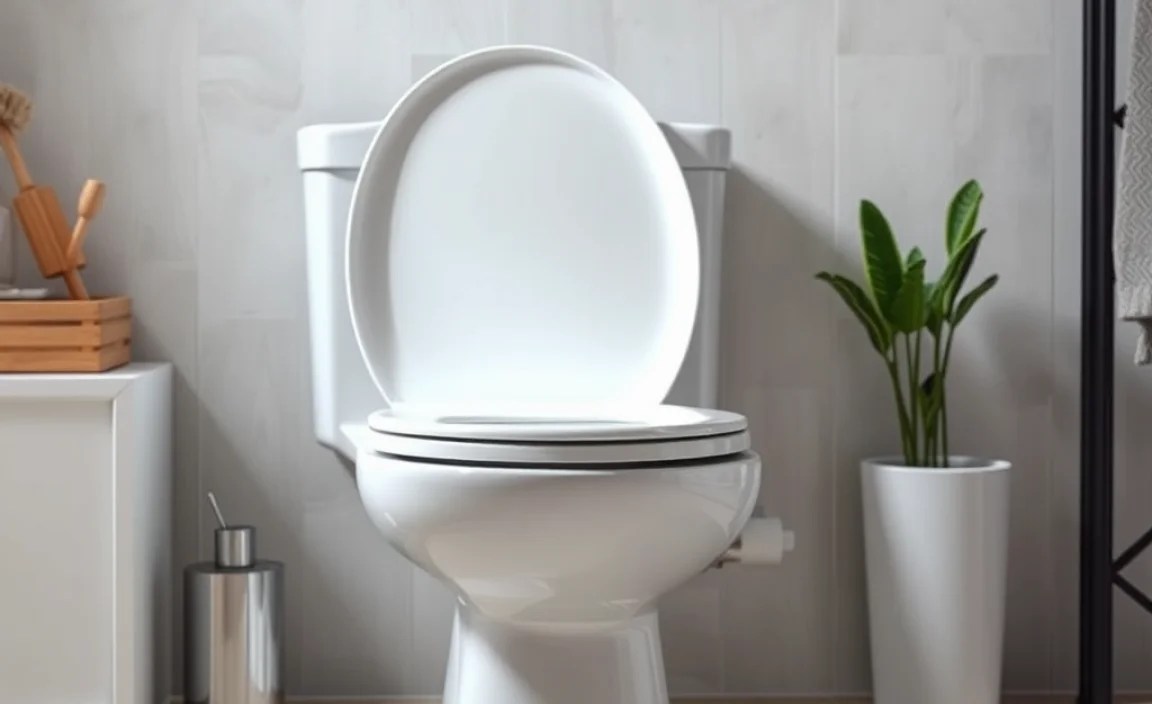
Is your toilet struggling to clear the bowl with each flush? This can be due to several factors, most of which can be fixed without much fuss. A weak flush can lead to clogs and unsanitary conditions, so it’s best to address it promptly.
Common Causes of Weak Flushes
- Low Water Level in the Tank: If the tank isn’t filling to its optimal level, there won’t be enough water volume to create a strong flush.
- Blocked Rim Jets or Siphon Jet Hole: Small holes under the rim of the bowl and at the bottom of the bowl (siphon jet) can become clogged with mineral deposits or debris, restricting water flow.
- Improperly Adjusted Float: The float controls the water level in the tank. If it’s set too low, the tank won’t fill sufficiently.
- Damaged Flapper: A flapper that seals too quickly might not allow enough water to pass through for a powerful flush.
- Clogged or Partially Blocked Trap: While this usually results in a complete clog, a partial blockage can also reduce flushing power.
How to Fix a Weak Flush
- Check and Adjust Water Level: First, ensure the water level in the tank is correct. It should be about 1/2 inch to 1 inch below the top of the overflow tube. If it’s too low, adjust the float. Most float balls have an adjustment screw or a clip that can be moved on a metal arm to raise the water level.
- Clean Rim Jets and Siphon Jet: Turn off the water supply and flush to empty the tank. Then, use a small mirror to inspect the rim jets (small holes under the rim). Use a stiff wire, thin screwdriver, or a piece of coat hanger to poke out any debris. Do the same for the siphon jet hole at the bottom of the bowl. Use a vinegar soak for stubborn mineral deposits by pouring a cup of white vinegar into the tank and letting it sit overnight, or by filling a plastic bag with vinegar and securing it around the rim to let the jets soak.
- Inspect and Adjust the Flapper: Ensure the flapper is the correct type and size for your toilet. If it’s a quick-closing flapper, you might need to replace it with a longer-lasting one. Also, check the flapper chain. It should have just enough slack to allow the flapper to lift fully but not so much that it gets caught.
- Clear a Partial Trap Clog: If you suspect a partial clog in the trap, try using a toilet plunger with a good seal. Plunge vigorously for about 15-20 seconds. If that doesn’t work, a toilet auger (snake) can be more effective for clearing partial blockages further down the line. This tool is specifically designed for toilets and can reach deeper into the trap. The U.S. Environmental Protection Agency (EPA) provides great information on water-saving plumbing fixtures, including tips on maintaining their efficiency, which hints at the importance of proper flushing.
- Check the Flush Valve Seal: Ensure the flapper is creating a good seal. If the tank doesn’t hold water, or if it empties slowly when the flapper is down, the flapper might be faulty or the flush valve seat it rests on may be damaged.
Troubleshooting: Leaking Toilet Base

A pool of water around the base of your toilet is a clear sign of a leak. This is a more serious issue that needs prompt attention to prevent water damage to your bathroom floor and subfloor. The most common causes involve the wax ring seal or loose anchor bolts.
Common Causes of Base Leaks
- Worn-Out Wax Ring: The wax ring is a crucial seal between the toilet bowl and the drainpipe on the floor. Over time, this seal can degrade, crack, or become dislodged, allowing water to escape.
- Loose Tank-to-Bowl Bolts: The bolts that secure the tank to the bowl can loosen over time, causing a leak between the tank and bowl, which can appear to be leaking from the base.
- Cracked Porcelain: Though rare, the toilet bowl itself could have a hairline crack that allows water to seep out.
- Loose or Damaged Supply Line: The water supply line connecting the wall valve to the tank can develop leaks, especially at the connection points.
How to Fix a Toilet Base Leak
- Turn Off Water and Drain: Locate the shut-off valve behind the toilet and turn it clockwise to shut off the water supply. Flush the toilet to empty the tank.
- Inspect for Obvious Loose Connections: Check the water supply line connections at both the wall valve and the tank. Tighten them gently with an adjustable wrench if they feel loose. If the leak is here, you might need to replace the supply line.
- Check Tank-to-Bowl Bolts: Carefully examine the large bolts at the bottom of the tank that secure it to the bowl. If they are loose, gently tighten them with an adjustable wrench. Be careful not to overtighten, as this can crack the porcelain.
- Diagnose the Wax Ring: If the above steps don’t reveal the leak source, it’s likely the wax ring. You can test this by pouring a small amount of food coloring into the tank and letting it sit. If the colored water appears around the base of the toilet after a few minutes, the wax ring is almost certainly the culprit. Another sign is if the toilet rocks back and forth, indicating loose mounting bolts or a compromised seal.
- Replace the Wax Ring: This is the most involved toilet repair for beginners but is entirely doable.
- Carefully remove the nuts from the tank-to-bowl bolts and disconnect the water supply line.
- Lift the tank off the bowl.
- Remove the nuts from the bolts securing the bowl to the floor flange.
- Lift the toilet bowl straight up and off the flange. You may need to gently rock it. If it’s stuck, a utility knife can help cut around the base to break the seal.
- Scrape away the old wax ring from the flange and the bottom of the bowl. Clean the area thoroughly.
- Place a new wax ring onto the flange (or the bottom of the bowl, per the wax ring’s instructions). Ensure it’s centered.
- Carefully place the toilet bowl back down onto the flange, pressing firmly to seat the wax ring.
- Reinstall the floor bolts and tighten them alternately and evenly. Reattach the tank to the bowl, then reconnect the water supply line.
- Turn the water back on slowly and check for leaks.
For a visual guide and detailed steps, resources like those found on This Old House can be incredibly helpful.
- Address Cracked Porcelain: If you find a crack in the porcelain, replacement of the toilet is usually the only reliable solution. A crack can compromise the structural integrity and safety of the toilet.
Troubleshooting: Toilet Won’t Flush (Or Flushes Weakly)
This is probably the most inconvenient toilet problem. When you press the handle and nothing happens, or it only results in a pathetic trickle, it’s time for some detective work. Fortunately, most non-flushing issues can be resolved with simple actions.
Common Reasons for No Flush
- Disconnected or Broken Flush Handle Mechanism: The chain might have detached from the handle inside the tank, or the handle itself might be faulty.
- Blocked Overflow Tube: If the overflow tube is blocked, water bypasses the bowl entirely, and the flush mechanism won’t work.
- Complete Clog: A blockage in the toilet trap or drainpipe prevents water from draining and thus prevents a proper flush cycle.
- Faulty Flush Valve: The flush valve (the large rubber seal at the bottom of the tank that the flapper sits on) might be stuck closed.
- Low Water Level: As mentioned before, insufficient water in the tank means an insufficient flush.
How to Fix a Toilet That Won’t Flush
- Check the Flush Handle and Chain: Remove the tank lid. Look to see if the chain connecting the flush handle to the flapper has detached or is caught. Reattach it if it has come loose. Ensure there’s a little play in the chain. If the handle itself seems loose or broken, it may need to be replaced. This is usually a straightforward task involving unscrewing the nut on the inside of the tank.
- Inspect the Overflow Tube: Make sure the water level in the tank is below the top of the overflow tube. If the water level is too high and spilling into the tube, adjust the fill valve float as described in the “Running Toilet” section.
- Clear a Complete Clog:
- Plunger Method: The first and most important tool for a clog is a good toilet plunger. Ensure there’s enough water in the bowl to cover the plunger cup. Create a tight seal and plunge vigorously up and down for about 20 seconds.
- Toilet Auger (Snake): If the plunger doesn’t work, use a toilet auger. Insert the end into the drain hole and crank the handle to feed the cable into the trap. Rotate it to break up or hook the clog, then pull it out.
- Hot Water and Dish Soap: For minor clogs, pouring a generous amount of dish soap into the bowl, followed by a bucket of hot (not boiling) water, can help break down the blockage. Let it sit for 15-30 minutes.
Never use chemical drain cleaners for toilet clogs, as they can damage pipes and are harmful. The Plastic Piping System Design Guide from PlasticsMakePerfect.com touches on drainage system design, highlighting the importance of smooth flow and avoiding obstructions.
