
Fix Toilet Rocking Base: Effortless Fix for a stable and secure bathroom fixture. A wobbling toilet can be more than just an annoyance; it can signal underlying issues that, if ignored, could lead to more significant problems. From water leaks and potential subfloor damage to simply an unpleasant user experience, a rocking toilet base is a clear indicator that something needs attention. Fortunately, addressing this common problem is often a straightforward DIY task, requiring minimal tools and basic plumbing knowledge.
The primary culprits behind a toilet that rocks on its base are almost always related to the connection between the toilet and the floor. This connection is established by the toilet flange, also known as a closet flange, which is a pipe fitting that attaches the toilet to the drain line and anchors it to the floor. The toilet itself is then secured to this flange with mounting bolts, often referred to as closet bolts or flange bolts. The seal between the toilet and the flange is created by a wax ring, which ensures a watertight connection and prevents sewer gases from escaping into the bathroom. When one or more of these components fail or become loose, the toilet can begin to wobble.
Identifying the Cause of Your Toilet Rocking Base

Before you can effectively fix toilet rocking base, you need to understand why it’s happening. The first step is to gently wiggle the toilet. Does it rock in a specific direction, or does it feel loose all around? Observe carefully.
Loose Mounting Bolts: This is the most common and easiest-to-fix reason. Over time, the nuts that secure the toilet to the flange can loosen due to vibrations or improper tightening during installation. If this is the case, you might see a little movement when you push on the toilet bowl.
Worn or Damaged Wax Ring: The wax ring acts as a seal. If it’s old, compromised, or wasn’t installed correctly, it might not be forming a complete seal. While this primarily causes leaks, a very uneven seal can also contribute to instability. However, a rocking motion usually points more towards mechanical loosening.
Warped or Broken Flange: The toilet flange itself can become damaged. This might happen if the toilet was aggressively rocked or hit in the past, or if the flange material (often plastic or cast iron) deteriorates over time, especially in older homes. A cracked or warped flange will not provide a stable platform for the toilet.
Uneven Flooring: In some instances, particularly with tile or linoleum that has been replaced, the subfloor beneath the toilet might not be perfectly level, or the flange might be set too high or too low. This can create a rocking motion even if all the bolts are tight.
The Effortless Fix for a Rocking Toilet Base

Once you’ve identified the likely cause, you can move towards the solution. For the most frequent issue, loose mounting bolts, the fix is indeed effortless.
Tightening the Toilet Mounting Bolts
This is your first and most likely successful step. Beneath the toilet bowl, you’ll find plastic or metal caps covering the mounting bolts.
1. Locate the Bolts: Gently lift or pry open these caps. You should see a threaded bolt protruding upwards, with a nut on top.
2. Assess Tightness: Try to turn the nuts by hand. If they move easily, they are loose.
3. Tighten Carefully: You’ll need a wrench or a nut driver to tighten these nuts. Start by tightening them a little at a time, alternating between the two bolts. This ensures even pressure is applied.
4. Avoid Overtightening: This is crucial. Overtightening the nuts can crack the porcelain of the toilet bowl, leading to a much more expensive repair. Tighten until the toilet feels secure and no longer rocks, but don’t force it. A good indicator is when you can no longer easily wiggle the toilet.
If tightening the bolts doesn’t resolve the rocking, further investigation is needed.
When the Toilet Mounting Bolts Aren’t the Problem

If the bolts are snug and the toilet still rocks, it’s time to consider other causes.
Adding Shims: If you suspect uneven flooring or a slightly low flange, plastic toilet shims can be used. These are wedge-shaped pieces that you can slide under the base of the toilet to fill the gap and stabilize it. You’ll need to remove the toilet to do this effectively, which is a more involved process than simply tightening bolts. After carefully removing the toilet and cleaning the old wax ring, slide the shims into place, then re-seat the toilet with a new wax ring and re-tighten the bolts.
Replacing the Flange: If you discover that the toilet flange itself is cracked, warped, or broken, it needs to be replaced. This is a more advanced DIY repair. It involves removing the toilet, unscrewing or cutting the old flange from the drainpipe (depending on its material), installing a new flange, and then re-installing the toilet. This requires careful attention to ensure a proper seal with the drainpipe.
Preventing Future Rocking
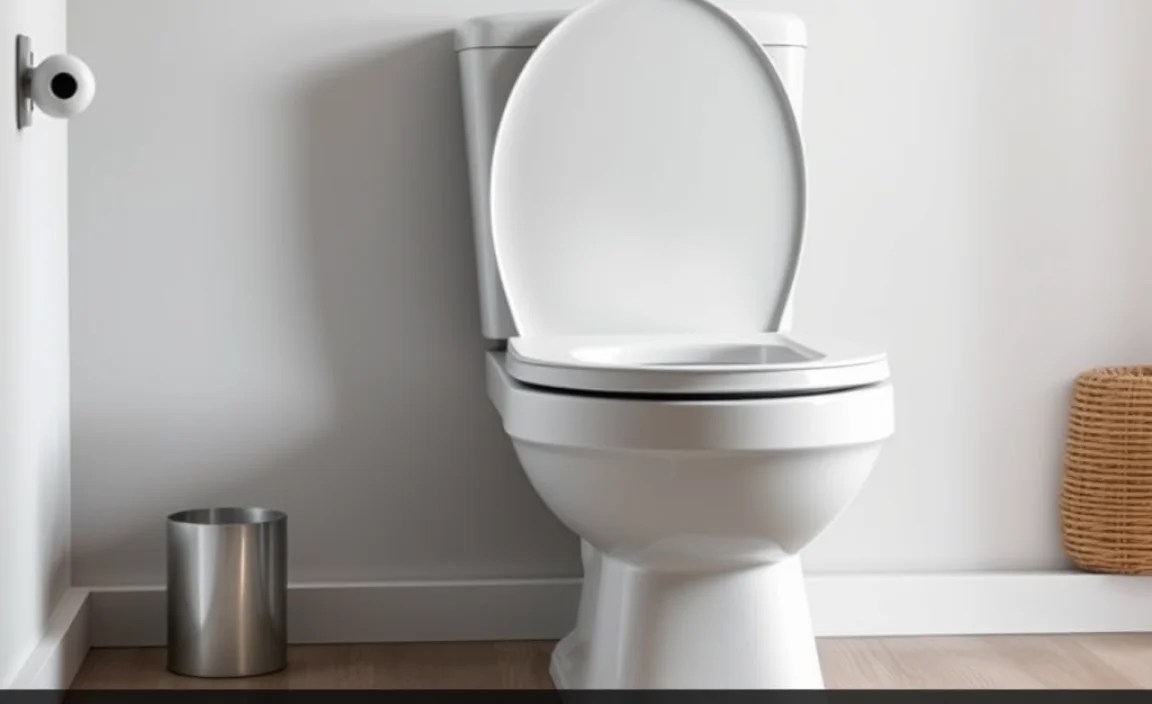
To fix toilet rocking base permanently and prevent recurrence, consider these proactive steps:
Regular Checks: Periodically check the toilet mounting bolts for looseness. A quick wiggle test every few months can catch issues before they become significant.
Proper Installation: If you or a plumber are installing a new toilet, ensure it’s properly seated and the bolts are tightened correctly and evenly. Using a new wax ring of adequate thickness is also vital.
* Gentle Use: While toilets are designed for regular use, avoid excessive leaning or forceful rocking against the fixture.
A rocking toilet base is a common plumbing issue that, in most cases, has an effortless fix. By understanding the potential causes and systematically addressing them, you can restore stability to your bathroom fixture, prevent potential water damage, and ensure a comfortable and secure experience for everyone.
