
Quick Summary: Confused by floor waste terms? This beginner’s glossary breaks down essential plumbing parts like traps, grates, and drains in simple language. Understand your floor drains to keep them working smoothly and prevent blockages, making home maintenance easier and safer.
The world of home maintenance can feel like learning a new language, especially when it comes to plumbing. Terms like “P-trap” or “drain grate” might sound intimidating, but understanding them is key to keeping your home’s drainage system running perfectly. Don’t worry, we’ve all been there! This guide is designed to demystify floor waste terminology, turning confusing jargon into clear, actionable knowledge. We’ll walk through the essential components of your floor drains, explaining what they are and why they matter. Get ready to feel more confident about your home’s plumbing!
Understanding Floor Waste: Why It Matters for Your Home

Floor waste, also known as floor drains, are often out of sight and out of mind until something goes wrong. These humble fixtures are crucial for preventing water damage in areas like bathrooms, basements, garages, and laundry rooms. They safely channel away excess water that could otherwise pool, leading to mold, mildew, or even structural issues. Knowing the parts of your floor waste system and how they work ensures you can spot potential problems early and perform basic maintenance like cleaning. This keeps your home healthy, dry, and protected.
Your Essential Floor Waste Glossary

Let’s break down the key terms you’ll encounter when dealing with floor drains. Think of this as your handy cheat sheet!
Drain Grate / Strainer
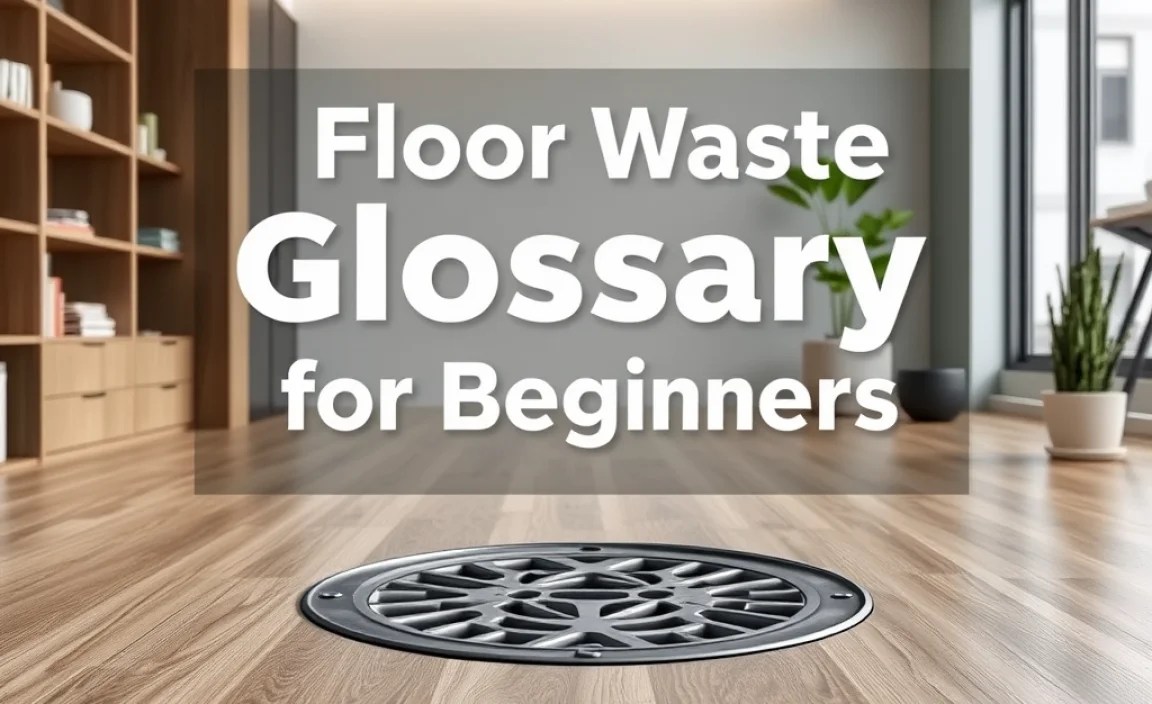
This is the visible part of the floor drain, usually a metal cover with holes or slots. Its primary job is to prevent larger debris – like hair, soap scum, or small objects – from entering the drainage pipe and causing a blockage. Grates come in various materials, such as stainless steel, brass, or plastic, and different designs to match your décor or functional needs.
Drain Body / Flange
This is the main housing for the drain assembly, typically installed directly into the concrete or subfloor. It connects the grate to the trap and the rest of the drainage system. The flange ensures a watertight seal between the drain and the floor, preventing leaks into the structure below.
Trap (P-Trap, S-Trap, or Drum Trap)
This is perhaps the most critical component for preventing sewer gases from entering your home. The ‘trap’ is a U-shaped section of pipe (or a more complex configuration in some older systems) designed to hold a small amount of water. This water acts as a seal, blocking unpleasant and potentially harmful odors from rising up through the drain. Most modern floor drains use a P-trap configuration.
Why the Water Seal is Crucial
The water held in the trap is your first line of defense against sewer smells. If the drain isn’t used for a long time, this water can evaporate, allowing gases to escape. This is why it’s recommended to run water down seldom-used drains periodically. For more information on preventing sewer gas, the U.S. Environmental Protection Agency (EPA) offers helpful tips on water conservation and plumbing.
Outlet / Connection
This is where the drain body connects to the main drainpipe leading away from the fixture. It’s a crucial junction point that ensures water flows effectively into your home’s sewer or septic system.
Cleanout Plug
Some floor drain systems have a threaded opening near the trap, often covered by a plug. This ‘cleanout’ allows access for snaking or clearing deeper blockages in the drain line. If you encounter persistent clogs, a plumber might use this point for easier access.
Trap Seal Primer (Optional but Important!)
In some commercial or specialized plumbing setups, a trap seal primer is installed. This device automatically discharges a small amount of water into the drain trap whenever it detects that the trap is about to dry out. This ensures the water seal is always maintained, even if the drain is rarely used, preventing sewer gas intrusion.
Floor Drain Strainer Types
While the function is the same, strainers come in various styles:
- Perforated Strainers: Small holes, good for general use.
- Slotted Strainers: Narrow slots, can be better for hair.
- Arch Strainers: Curved design, might offer a decorative touch and allow good flow.
- Bubble-Top Strainers: Slightly domed, can help direct flow and prevent standing water.
- Heavy-Duty Strainers: Made from robust materials for high-traffic areas.
Common Floor Waste Terms in Context

Let’s see how these terms fit together in practical scenarios. Imagine you’re troubleshooting a slow-draining shower:
Scenario 1: Slow Drain in Shower
- You notice water pooling in the shower. The first thing to check is the drain grate for visible debris like hair.
- After lifting the drain grate, you might see the drain body.
- If removing debris from the grate doesn’t help, the blockage might be further down, possibly in or after the P-trap.
- If you’ve tried basic clearing and the issue persists, a plumber might need to access the system via the cleanout plug.
Scenario 2: Unpleasant Odors from Basement Drain
- The most likely culprit is a dry trap. If the basement drain hasn’t been used in a while, the water seal in the P-trap may have evaporated.
- The solution is simple for beginners: pour a gallon of water directly into the drain to refill the trap and restore the water seal.
- If the odor returns quickly, there might be a crack in the trap or an issue with venting (which is more complex but ensures proper air pressure in the pipes so traps don’t siphon dry).
Floor Waste Components & Their Functions Table

Here’s a quick recap of the main parts and what they do:
| Component | Primary Function | Beginner Checkpoints |
|---|---|---|
| Drain Grate/Strainer | Prevents large debris from entering drains. | Easily removed for cleaning. Check for clogs of hair, soap, etc. |
| Drain Body/Flange | Housing and watertight seal for the drain. | Usually fixed; leaks around the edges can indicate a seal issue. |
| Trap (P-Trap) | Holds water to block sewer gases. | Must have a water seal. May need refilling if unused. |
| Outlet/Connection | Connects drain to main sewer line. | Issues here usually require professional help. |
| Cleanout Plug | Provides access for clearing clogs. | Can be a DIY access point for drain snakes. |
Basic Floor Drain Maintenance for Beginners
You don’t need to be a plumber to keep your floor drains in good working order. Here are some simple steps:
Regular Cleaning of the Grate
- Safety First: Wear gloves.
- Remove the Grate: Most grates can be lifted by hand or with a flathead screwdriver to gently pry them up. Some might be screwed in.
- Clean Debris: Remove any visible hair, soap scum, dirt, or other gunk. A small brush or old toothbrush is handy for this.
- Rinse: Rinse the grate thoroughly with water.
- Replace: Put the grate back in place securely.
Refilling the Trap
If you notice sewer odors, especially from drains in unused areas:
- Locate the Drain: Find the floor drain in question.
- Pour Water: Slowly pour about a gallon of water directly into the drain opening. This will refill the P-trap and restore the water seal.
- Test: Check if the odor dissipates. If it returns, investigate further or call a professional.
Dealing with Minor Clogs
For slow drains that aren’t completely blocked:
- Manual Removal: First, try removing any debris visible from the grate.
- Hot Water Flush: Slowly pour a kettle of hot (not boiling) water down the drain to melt away grease and soap buildup.
- Baking Soda and Vinegar: Create a natural cleaner. Pour about 1/2 cup of baking soda down the drain, followed by 1/2 cup of white vinegar. Let it fizz for 30 minutes, then flush with hot water.
- Plunger Power: If the above doesn’t work, a cup plunger can sometimes help dislodge minor clogs if you can create a good seal over the drain opening.
For more stubborn clogs, a drain snake (auger) might be needed. You can rent these or purchase a beginner-friendly manual version. Always follow the tool’s instructions carefully.
When to Call a Professional
While basic maintenance is manageable for DIYers, some issues are best left to the experts:
- Persistent clogs that won’t clear with basic methods.
- Signs of leaks around the drain body or flange.
- Gurgling sounds from multiple drains, which can indicate a larger sewer line problem or venting issue.
- If you suspect a crack in the drain pipe or trap.
- Complex installations or modifications.
Plumbers have specialized tools and knowledge to diagnose and fix these problems safely and effectively. They can also advise on local plumbing codes and regulations, ensuring any work done meets required standards. Resources like the Plumbing & Building Guide offer more in-depth, though technical, information on plumbing systems.
Conclusion
Understanding the terms related to your floor waste system might seem daunting at first, but as you’ve seen, it’s quite manageable. From the visible drain grate designed to catch debris, to the hidden P-trap crucial for blocking odors, each component plays a vital role in keeping your home dry and fresh. By familiarizing yourself with this glossary, you’re equipped to perform basic maintenance like cleaning grates and refilling traps, saving you time and money. Remember, early detection and simple upkeep can prevent bigger, more costly problems down the line. So, don’t shy away from your floor drains – with this knowledge, you can confidently tackle their maintenance and ensure they serve your home effectively for years to come.
Frequently Asked Questions (FAQ) About Floor Drains
Q1: How often should I clean my floor drain grate?
Answer: For drains in high-use areas like showers or bathrooms, clean the grate monthly. For less-used drains (like in a basement that rarely floods), check every 3-6 months or whenever you notice an odor.
Q2: My floor drain smells like sewage. What should I do?
Answer: This usually means the water seal in the trap has evaporated. Pour about a gallon of water into the drain to refill the trap. Running water down it regularly (weekly) in areas prone to drying out can prevent this.
Q3: Can I pour bleach down my floor drain to clean it?
Answer: While bleach can sanitize, it’s not ideal for regular drain cleaning and can be harsh on pipes and septic systems. Stick to hot water, baking soda and vinegar, or a commercially available drain cleaner specifically designed for your pipe type. Always use drain cleaners with caution and follow instructions precisely.
Q4: What is a “trap siphon” and how does it relate to odors?
Answer: A trap siphon occurs when strong suction in the drainage system (often due to improper venting) pulls the water out of the trap. This breaks the seal and allows sewer gases to enter your home. If your traps are siphoning, it indicates a ventilation issue that a plumber needs to address.
Q5: Can I install a floor drain myself?
Answer: Installing a floor drain involves cutting into your subfloor or concrete, connecting to existing drain lines, and ensuring proper sealing and waterproofing. While some experienced DIYers can tackle it, it’s a complex task often best left to a licensed plumber to ensure it meets all building codes and functions correctly.
Q6: What’s the difference between a shower drain and a floor drain?
Answer: A shower drain is specifically designed for the bathroom shower stall, often with slimmer grates and integrated within the shower pan. A floor drain is a more general term for a drain installed in any floor surface (basement, garage, laundry room, bathroom) to handle potential water accumulation. Their basic components (grate, body, trap) are similar, but their location and design vary.
