
Have you ever wondered how a toilet works? It’s fascinating to learn about the basics of a flush! When you press the handle, the water in the tank rushes into the bowl. This creates a swirling action that cleans everything away. But what makes it all happen? Let’s dive into the world of flush basics and discover the magic behind every flush. You’ll be surprised to know how simple yet clever it is!
Key Takeaways
- Flush basics involve water rushing from the tank to the bowl.
- Toilets use gravity to help move water and waste.
- Modern toilets save water compared to older models.
- Understanding flush basics helps in fixing toilet issues.
- Different toilets use various flushing mechanisms.
How Do Toilets Work?
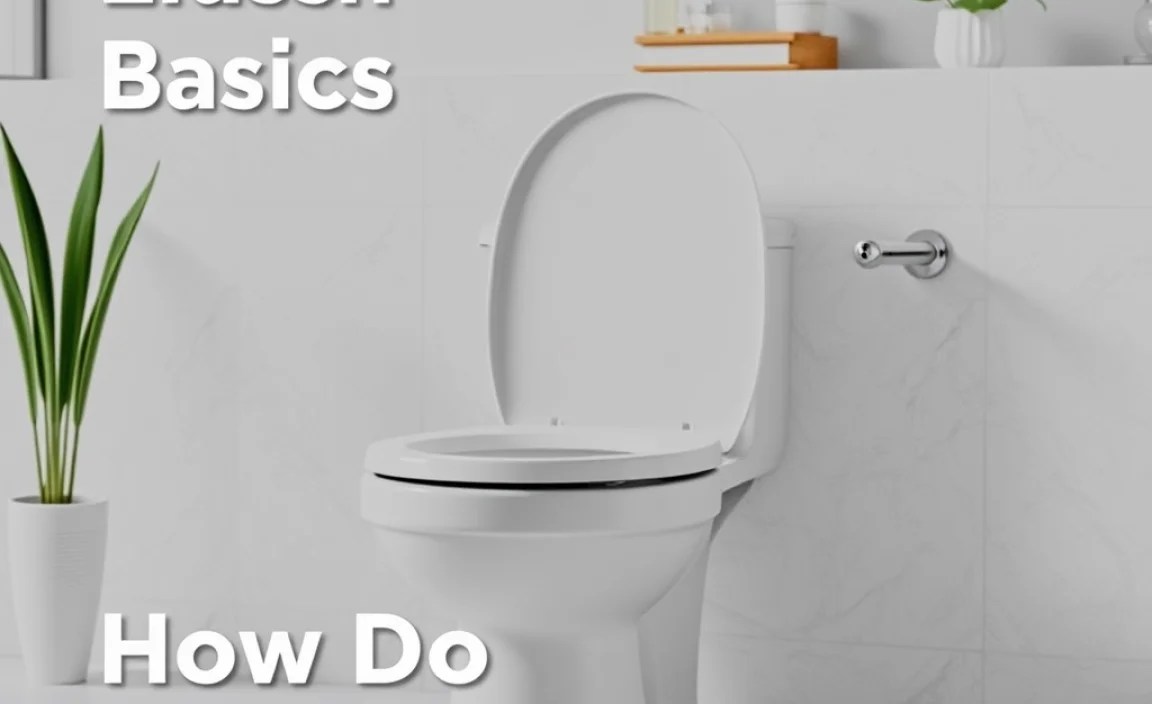
Toilets are an essential part of our homes. They are designed to flush waste away efficiently. The main parts of a toilet are the tank, bowl, and flush mechanism. When you press the handle or button, water from the tank flows into the bowl. The water pushes waste through a pipe called the trapway. Gravity helps pull the waste down into the sewer system. This process keeps our homes clean and hygienic.
- The tank holds water for flushing.
- The bowl contains water and waste.
- A handle or button starts the flush.
- The trapway carries waste away.
- Gravity aids in the flushing process.
- Sewer systems remove waste from homes.
Understanding how toilets work helps us appreciate their design. Toilets are engineered to use water efficiently. Some toilets use siphons to enhance flushing. Others may have jets for a powerful flush. Learning about these systems can also help us troubleshoot problems. Next time you flush, think about the amazing journey that water takes!
Fun Fact or Stats : The first flushing toilet was invented in 1596!
What Happens When You Flush?
When you flush a toilet, several things occur at once. The flush handle lifts a chain inside the tank. This chain is connected to a flapper valve. The valve opens and lets water rush into the bowl. As the water fills the bowl, it creates a siphon effect. This effect helps remove waste. The waste travels through the trapway and into the sewage system. Finally, the flapper closes, and the tank refills.
Why Is the Toilet Bowl Shaped That Way?
The toilet bowl’s shape is important for a good flush. The curved design helps water swirl around the bowl. This action cleans the sides and removes waste. The shape also helps create a stronger siphon. A stronger siphon means a better flush. Engineers carefully design bowls for maximum efficiency. Next time you use the toilet, notice how the water moves in a circular motion!
What If a Toilet Doesn’t Flush Properly?
Sometimes toilets don’t flush as they should. If the water doesn’t swirl or waste remains, there might be a problem. Common issues include a clogged trapway or a weak siphon. Sometimes the flapper doesn’t seal properly. These issues can usually be fixed with simple tools. Knowing flush basics helps identify and solve these problems. Remember, a little understanding can go a long way!
Types of Toilet Flush Mechanisms

Flush mechanisms vary between toilets. The most common types are gravity flush, pressure-assisted, and dual flush. Gravity flush uses the weight of water to remove waste. Pressure-assisted systems use air pressure for a stronger flush. Dual flush toilets offer two choices: a small flush for liquid waste and a large one for solid waste. These systems help conserve water.
- Gravity flush uses water weight for flushing.
- Pressure-assisted uses air to boost flush.
- Dual flush offers two flushing options.
- Each type conserves water differently.
- Choosing the right toilet can save water.
- Modern toilets are eco-friendly.
Understanding these mechanisms can help you choose the right toilet. With water conservation in mind, many people opt for dual flush systems. These systems reduce water usage. Knowing flush basics empowers you to make informed decisions. You might even encourage others to switch to water-saving toilets!
Fun Fact or Stats : Dual flush toilets can save up to 68% more water!
What Is a Gravity Flush System?
A gravity flush system relies on simple physics. Water stored in the tank is released when you flush. Gravity pulls the water down into the bowl. This action creates a swirling effect. The swirling water helps clean the bowl and remove waste. Gravity flush systems are common in many homes. They are easy to maintain and operate.
Why Are Pressure-Assisted Toilets Powerful?
Pressure-assisted toilets have a unique mechanism. They use compressed air to enhance flushing. This system creates a powerful jet of water. The strong flush helps clear stubborn waste. These toilets are often used in public places. They are ideal for high-traffic areas due to their efficiency. However, they might be noisier than other types.
How Do Dual Flush Toilets Save Water?
Dual flush toilets are designed to save water. They provide two flushing options. The smaller flush uses less water for liquids. The larger flush is for solid waste. This flexibility allows you to use just the right amount of water. Over time, dual flush toilets contribute to significant water savings. They are an eco-friendly choice for homes.
Comparing Toilet Flush Mechanisms

To understand which toilet is right for you, it’s helpful to compare different flush mechanisms. Let’s look at gravity flush, pressure-assisted, and dual flush systems. Each has its strengths and best uses. By comparing them, you can decide which suits your needs best.
| Flush Type | Strengths | Best Use |
|---|---|---|
| Gravity Flush | Simple, reliable | Home use |
| Pressure-Assisted | Powerful, efficient | Public areas |
| Dual Flush | Water-saving, eco-friendly | Environmentally conscious homes |
- Gravity flush: standard in many homes.
- Pressure-assisted: strong for busy areas.
- Dual flush: saves water efficiently.
- Each type has unique benefits.
- Choose based on your needs and preferences.
Choosing the right toilet depends on several factors. Consider your water usage needs and the environment. Dual flush toilets are great for saving water. Pressure-assisted systems are perfect for high-use areas. Gravity flush systems offer simplicity and reliability. Understanding these options provides you with the power to make the best choice!
Fun Fact or Stats : Toilets account for nearly 30% of household water use!
What Is the Best System for Home Use?
When choosing a toilet for home use, consider efficiency and ease of maintenance. Gravity flush systems are popular in homes due to their simple design. They are easy to fix and maintain. Many people prefer them for their reliability. Dual flush toilets are also a great choice for homes. They offer water savings and have become more common.
Why Choose Pressure-Assisted Toilets for Public Areas?
Pressure-assisted toilets are ideal for public areas. They handle heavy use and clear waste efficiently. With their powerful flush, they prevent clogs and keep restrooms clean. Many businesses select these toilets for their reliability. Though they can be louder, their performance is unmatched in busy environments.
Are Dual Flush Toilets Worth It?
Dual flush toilets are an excellent choice for saving water. They offer two flushing options to match the amount of waste. Over time, this saves a significant amount of water. For eco-conscious households, dual flush systems are worth the investment. They help reduce water bills and support conservation efforts.
Maintaining Your Toilet
Keeping your toilet in good shape is important. Regular maintenance can prevent issues and extend its life. Start by checking the flush handle and flapper valve. Ensure they work smoothly. Check for leaks around the base or tank. If you notice running water, adjust the float or replace the flapper. These steps can save water and prevent costly repairs.
- Inspect the handle for smooth operation.
- Ensure the flapper seals properly.
- Look for leaks around the toilet.
- Adjust the float if necessary.
- Clean mineral deposits from jets.
- Regularly clean the bowl with a brush.
Regular check-ups help avoid bigger problems. If you find any part not working, fix it quickly. Cleaning the toilet with mild cleaners prevents buildup. Keeping your toilet in good shape ensures it works well for years. Remember, a little care goes a long way in maintaining flush basics!
Fun Fact or Stats : Toilets can last over 50 years with proper care!
Why Check the Flush Handle?
The flush handle is crucial for a proper flush. If it sticks or feels loose, the toilet may not flush well. Tighten any loose connections. Make sure the handle lifts the chain smoothly. A working handle ensures the flapper opens and closes properly. Regular checks help maintain a smooth flushing experience.
What Happens If the Flapper Fails?
The flapper is key to sealing water in the tank. If it fails, the toilet might not flush or could keep running. A running toilet wastes water and raises bills. Replacing a faulty flapper is simple and cost-effective. Regularly inspect the flapper for wear and tear. This small part plays a big role in the flushing function.
How to Prevent Toilet Leaks?
Toilet leaks are common but preventable. Start by checking the base and tank seals. If you notice water on the floor, tighten or replace seals. Inspect the fill valve for proper operation. Leaks can lead to water damage and increased bills. Early detection and repair save money and resources. Regular checks are your best defense against leaks.
Conclusion
Understanding flush basics helps keep toilets working well. Knowing how they function empowers you to fix issues. Different flush mechanisms offer various benefits. Choose the right one based on your needs. Regular maintenance ensures a long-lasting toilet. Always check for leaks and keep parts in good condition. With this knowledge, you can enjoy a trouble-free bathroom experience!
FAQs
Question: What are the main parts of a toilet?
Answer: A toilet mainly consists of a tank, bowl, and flush mechanism. The tank holds water, the bowl receives waste, and the flush mechanism helps move waste away. Understanding these parts is part of flush basics.
Question: Why does my toilet run constantly?
Answer: A constantly running toilet usually means the flapper isn’t sealing properly. This can waste a lot of water. Check the flapper for wear and replace if needed. Checking these basics can save water and money.
Question: How does a dual flush toilet work?
Answer: Dual flush toilets have two buttons or handles. One uses less water for liquids, and the other uses more for solids. This system saves water compared to traditional toilets. Understanding flush basics like this can help in choosing eco-friendly options.
Question: How do I stop my toilet from leaking?
Answer: To stop a leak, first inspect the seals around the base and tank. Tighten any loose connections. If the seal is broken, replace it. Checking for leaks regularly prevents water waste and damage.
Question: What is the best type of toilet for home use?
Answer: Gravity flush toilets are popular for home use due to their simplicity and reliability. Dual flush toilets are also a good choice if you want to save water and reduce your water bill.
Question: Why is my toilet not flushing properly?
Answer: If your toilet isn’t flushing well, check for clogs in the trapway or jets. Ensure the flapper seals and that the water level in the tank is correct. Understanding these basics can help restore a proper flush.
