
Have you ever noticed the lines between tiles? That’s grout! Grout holds tiles together. But did you know there are different grout types? Each type has its own special use. Some are better for kitchens, while others suit bathrooms. Understanding grout is like discovering a secret to a happy home. Let’s dive into the world of grout and see what it’s all about!
Key Takeaways
- Grout keeps tiles in place and fills gaps.
- There are various grout types for different needs.
- Choosing the right grout is essential for durability.
- Some grout is waterproof, perfect for wet areas.
- Grout can be sanded or unsanded, each serving a purpose.
Understanding Grout Types

Grout is a material used between tiles. It helps keep them in place and fills gaps. There are different types of grout for different jobs. For example, kitchen grout is often different from bathroom grout. This is because each area has unique conditions. Some are wet, and others need to be extra strong. Knowing the right grout type to use can save you time and money. Each grout has features that make it suitable for specific areas. Picking the right one ensures your tiles stay put for a long time.
- Sanded grout is for bigger gaps.
- Unsanded grout works for thin lines.
- Epoxy grout is waterproof and stain-resistant.
- Cement grout is affordable and versatile.
- Furan grout is chemical-resistant.
- Acrylic grout is flexible.
Choosing the right grout is crucial for your project. If you use the wrong type, your tiles might not last. For example, using unsanded grout in a bathroom might cause problems. Water could seep in and damage the tiles. Always read the label and ask an expert if you’re unsure. This ensures your project stays sturdy and looks great.
Fun Fact or Stats : Grout has been used since Roman times to hold tiles together!
Why Use Sanded Grout?
Sanded grout is perfect for tiles with wide gaps. It has sand, which makes it strong and coarse. This type of grout is great for floors because it can handle heavy foot traffic. Have you ever walked on a tiled floor that felt solid and firm? It probably had sanded grout. The sand helps the grout stay put and not crack. If you’re working with tiles that have spaces wider than 1/8 inch, sanded grout is your friend. It’s like using the right tool for the right job. Always remember to clean the tiles before grouting.
When to Choose Unsanded Grout?
Unsanded grout is best for thin lines. It feels smooth because it doesn’t have sand. This makes it perfect for delicate tiles. Imagine holding a precious vase. You’d want something gentle to keep it safe, right? Unsanded grout is gentle on tiles like that. Use it for tiles with gaps less than 1/8 inch. It’s great for walls and delicate surfaces. Just remember, it can shrink if the gaps are too wide. So, always check the gap size first. Unsanded grout also works well on polished tiles.
Is Epoxy Grout Worth It?
Epoxy grout is strong and waterproof. It’s perfect for areas that get wet, like bathrooms or kitchens. Have you ever spilled juice on the floor? Epoxy grout doesn’t stain easily. It’s like having a superhero protecting your tiles. This grout is made from two different materials mixed together. This makes it sturdy and long-lasting. It’s a bit harder to use, but the results are worth it. If you want grout that lasts for years, epoxy is a great choice. Always follow the instructions when using epoxy grout.
Sanded Grout: The Tough Choice

Sanded grout contains sand, making it rough. This helps it fill larger spaces between tiles. It is usually used for floor tiles. The sand makes it strong enough to handle heavy use. Sanded grout works best for spaces over 1/8 inch wide. Without it, tiles might shift or crack. Imagine a busy kitchen with lots of foot traffic. Sanded grout keeps everything in place and durable.
- Great for wide spaces between tiles.
- Handles heavy foot traffic well.
- Prevents tiles from shifting.
- Offers a strong bond between tiles.
- Not for polished tiles, as it can scratch.
When working on a project, check the tile gap width. Use sanded grout for wider spaces to ensure stability. Using the right grout type prolongs the life of your tiles. Sanded grout is a practical choice for floors. It’s important to mix it well and follow instructions. This ensures the grout sets properly and holds the tiles securely.
Fun Fact or Stats : Sanded grout is often used in shopping malls for its durability.
How to Use Sanded Grout?
Using sanded grout is simple, but you need to follow the steps carefully. First, clean the tile gaps. Dirt can stop the grout from sticking. Next, mix the grout with water until it’s like frosting. Spread it over the tiles with a rubber float. Press it into the gaps firmly. Wait for it to dry a bit, then wipe off the extra with a damp sponge. Let it set for 24 hours. Sanded grout is like a puzzle piece. It fits perfectly and holds everything together. Remember, always use gloves to protect your hands.
Where to Use Sanded Grout?
Sanded grout works best on floors. It’s strong and can withstand weight. If you have tiles with wide gaps, sanded grout is ideal. Think of a busy kitchen or a lively living room. Lots of people walk there daily. Sanded grout ensures tiles stay where they should. Avoid using it on walls or polished tiles, as it might scratch. Always measure the gaps before starting. This helps you choose the right grout for your project. Sanded grout ensures tiles stay put and last longer.
Can Sanded Grout Be Colored?
Yes! Sanded grout comes in many colors. You can pick a color that matches your tiles. Or choose a contrasting color for a bold look. Have you seen a bathroom with bright blue grout? It stands out and looks unique. Colored grout helps personalize your space. But remember, it can fade in sunlight. Always seal the grout after it dries. This keeps the color strong and vibrant for years. Sanded grout offers both strength and style in one package.
Unsanded Grout: For Delicate Tiles
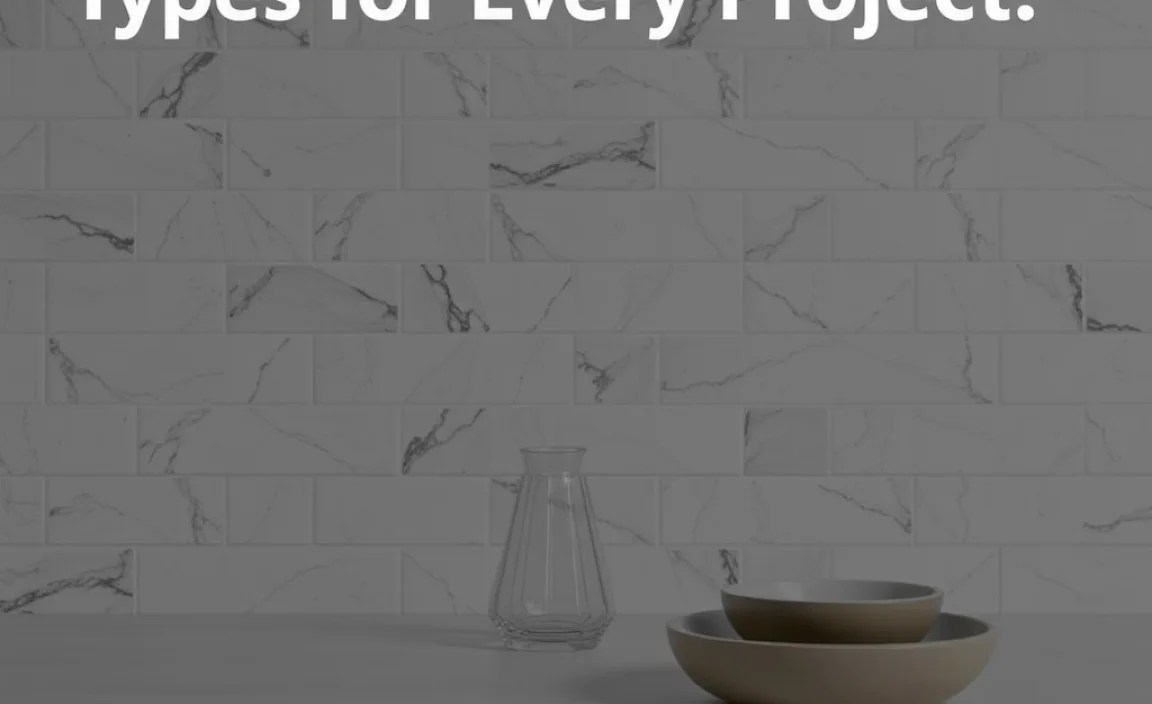
Unsanded grout is smooth and does not scratch tiles. It lacks sand, making it gentle on surfaces. This grout is perfect for small gaps, usually less than 1/8 inch. It is often used on walls or delicate tiles. Imagine a beautiful shower with intricate tile patterns. Unsanded grout is ideal for such projects. It helps tiles stay in place without causing damage. The smooth texture makes it easy to apply and clean off.
- Perfect for small gaps between tiles.
- Gentle on delicate surfaces.
- Ideal for walls and vertical spaces.
- Does not scratch polished tiles.
- May shrink if gaps are too wide.
When working with delicate tiles, choose unsanded grout. It’s gentle and ensures a neat finish. Use it for spaces less than 1/8 inch. Avoid using it for floors or high-traffic areas. The smooth texture makes it easy to apply. Always seal the grout to protect it from stains. This ensures your tiles look fresh and beautiful for years.
Fun Fact or Stats : Unsanded grout is commonly used in historic building restorations.
Why Choose Unsanded Grout?
Unsanded grout is gentle, making it perfect for delicate tiles. It doesn’t have sand, so it’s smooth. Imagine holding a soft piece of cloth. That’s how unsanded grout feels on tiles. It’s best for wall tiles and small gaps. If you use sanded grout, it might scratch the tiles. Unsanded grout ensures your tiles stay pretty and intact. It’s like using a soft brush on a painting—careful and gentle. Always check the gap size before choosing your grout. Unsanded grout is the gentle hero of tiling projects.
When to Avoid Unsanded Grout?
Unsanded grout isn’t for every project. If your tile gaps are wide, avoid it. It could crack or shrink, leaving gaps. Imagine a big puzzle with pieces that don’t fit. Unsanded grout can’t fill those gaps. Also, it isn’t suitable for floors or high-traffic areas. Heavy use can make it wear out quickly. Always check the tile gap size. If it’s larger than 1/8 inch, choose sanded grout instead. Unsanded grout is best for light-use and delicate surfaces.
Can Unsanded Grout Be Sealed?
Yes, sealing unsanded grout is important. It protects it from stains and moisture. Imagine an invisible shield covering the grout. This helps it last longer and stay clean. After applying the grout, wait for it to dry. Then, apply a sealer with a small brush. Let it dry completely before using the space. Sealing makes cleaning easier and maintains the grout’s appearance. It’s like putting a raincoat on your grout, keeping it safe and dry.
Epoxy Grout: The Waterproof Solution

Epoxy grout is a strong and waterproof choice. It’s perfect for areas that get wet often. This grout comes in two parts: resin and hardener. When mixed, it creates a durable bond. Imagine a superhero shield protecting your tiles. Epoxy grout is that shield. It’s often used in bathrooms or kitchens. The waterproof nature prevents water damage. It also resists stains, making it easy to clean. Epoxy grout is a top choice for wet areas.
- Super strong and durable.
- Resists stains and dirt.
- Perfect for wet areas like showers.
- Doesn’t crack or shrink easily.
- Harder to apply than other grouts.
Epoxy grout is a reliable choice for bathrooms and kitchens. Its waterproof nature keeps tiles safe from water damage. Though harder to apply, it offers long-lasting protection. If you want grout that stands the test of time, choose epoxy. Always follow the instructions when mixing and applying. This ensures a strong and lasting bond between tiles.
Fun Fact or Stats : Epoxy grout was first used in industrial settings due to its strength.
How to Apply Epoxy Grout?
Applying epoxy grout takes patience and care. First, mix the resin and hardener. Follow the instructions closely. The mix should be creamy and smooth. Use a rubber float to spread it over the tiles. Work in small sections, as epoxy sets fast. Press it firmly into the gaps. Wipe off excess with a damp sponge before it dries. Let it cure completely before using the area. Epoxy grout is like a superhero cloak for your tiles. It protects them from water and stains. Always wear gloves when applying epoxy grout.
Where to Use Epoxy Grout?
Epoxy grout is best for areas with lots of moisture. Think of a busy kitchen or a steamy bathroom. Water can damage regular grout, but not epoxy. It’s like having a waterproof jacket for your tiles. Use it in showers, on countertops, or around sinks. Avoid using it in areas that don’t need waterproofing, as it’s harder to apply. Epoxy grout is perfect for places that get wet often. It ensures your tiles stay safe and intact for a long time.
Is Epoxy Grout Expensive?
Yes, epoxy grout costs more than other types. But it’s worth it in areas that need extra protection. Imagine buying a sturdy pair of boots. They cost more but last longer. Epoxy grout offers the same benefit. It resists stains and water, making it a smart investment. If you want grout that lasts, consider spending a little more. Over time, it saves money on repairs or replacements. Epoxy grout is a wise choice for wet and busy areas.
Conclusion
Choosing the right grout types is essential for your tile projects. Each type serves a different purpose. Sanded grout is strong for floors, unsanded is gentle for walls, and epoxy is waterproof. Understand your needs before starting a tiling job. Pick the right grout, follow instructions, and ensure durability. Your projects will look great and last a long time!
FAQs
Question: What are the main types of grout?
Answer: The main grout types are sanded, unsanded, epoxy, and furan. Each has unique uses. Sanded grout is suitable for wide gaps, while unsanded is for thin spaces. Epoxy is waterproof and stain-resistant, ideal for wet areas. Furan is used in industrial settings due to its chemical resistance.
Question: Why is epoxy grout considered waterproof?
Answer: Epoxy grout is made from resin and hardener, creating a strong bond. This bond makes it waterproof, unlike other grouts. It prevents water from seeping through tile gaps. This feature makes it ideal for bathrooms and kitchens. Epoxy grout also resists stains, adding extra protection to your tiles.
Question: Can I use sanded grout on walls?
Answer: Sanded grout is not recommended for walls. It contains sand, which can scratch delicate tiles. It’s best for floors with wide gaps. For walls, use unsanded grout instead. Unsanded grout is smooth and gentle, perfect for vertical spaces.
Question: What is the best grout for kitchen tiles?
Answer: The best grout types for kitchen tiles are epoxy or sanded grout. Epoxy is waterproof and stain-resistant, ideal for areas prone to spills. Sanded grout is strong, suitable for high-traffic floors. Choose the one that fits your needs and space.
Question: Should I seal unsanded grout?
Answer: Yes, sealing unsanded grout is important. Sealing protects it from moisture and stains. It helps maintain the grout’s appearance and keeps tiles looking fresh. After applying the grout, wait for it to dry before sealing. This ensures long-lasting protection.
Question: What makes furan grout unique?
Answer: Furan grout is unique because of its chemical resistance. This makes it ideal for industrial settings. It can withstand harsh chemicals and extreme conditions. Unlike other grouts, it’s not water-based, giving it extra durability. Furan grout is used where regular grouts would fail.
