
Choosing between a full bathroom renovation and alternative solutions depends on your budget, timeline, and desired outcome. Full renovations offer maximum impact but are costly and time-consuming. Alternatives like refresh kits or fixture upgrades provide cost-effective, quicker solutions for a renewed space without extensive construction.
Navigating Your Bathroom Upgrade: Traditional vs. Alternative Paths
Is your bathroom feeling a little tired? You’re not alone! Many homeowners face the decision of whether to tackle a complete bathroom overhaul or explore simpler, alternative upgrades. It can seem daunting, with visions of dust, disruption, and big bills dancing in your head. But don’t worry! This guide will break down the options in plain English, helping you make the best choice for your home. We’ll walk through everything you need to know, from understanding your goals to picking the right path for a revitalized bathroom.
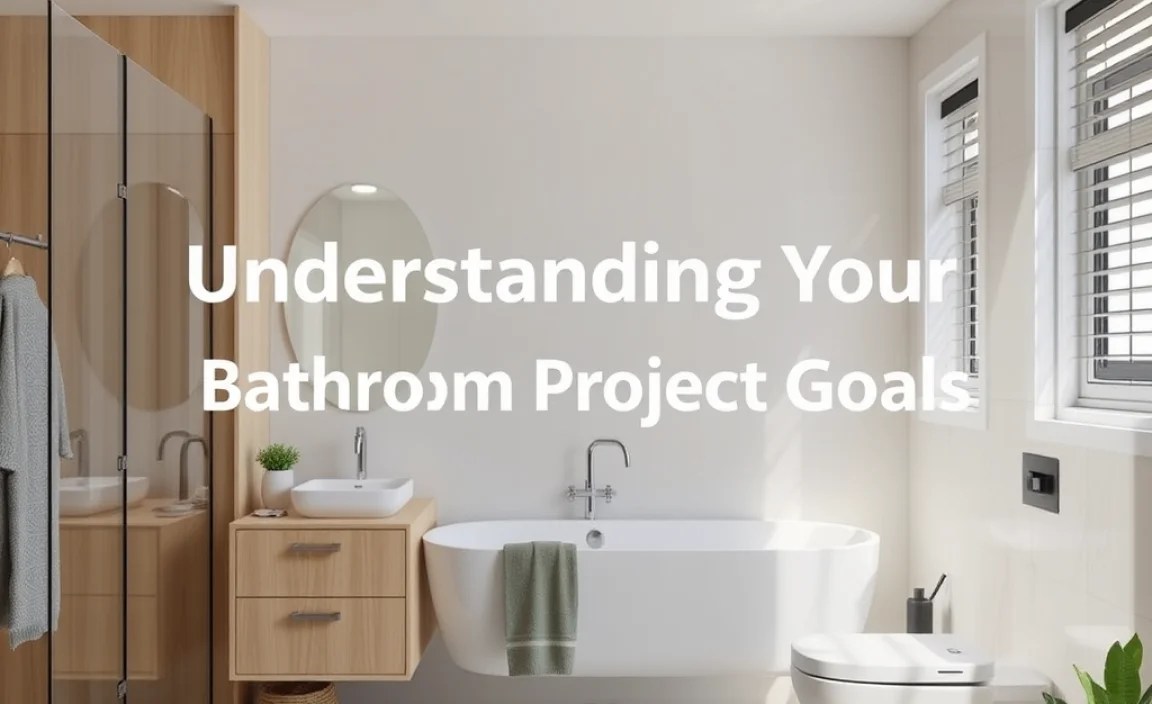
Understanding Your Bathroom Project Goals

Before diving into “bathroom vs. alternative,” let’s get clear on what you want to achieve. Are you looking for a complete transformation, or just a touch-up? Consider these key areas:
- Budget: How much can you realistically spend? This is often the biggest deciding factor.
- Timeline: How quickly do you need the changes done? Are you prepared for weeks of disruption, or do you need a weekend warrior solution?
- Scope of Work: Do you want new layouts, plumbing changes, and major structural updates, or are you happy with the current layout but want updated aesthetics?
- Desired Impact: Are you aiming to significantly increase your home’s value, or simply make the space more functional and pleasant for daily use?
- DIY vs. Professional: How much work are you comfortable doing yourself?
The Comprehensive Bathroom Renovation: The Full Overhaul

A full bathroom renovation is like giving your bathroom a complete makeover from the studs out. It’s the most impactful option and usually involves significant changes. It’s a great choice if your current bathroom is outdated, has significant functional issues, or if you’re simply ready for a dramatic change to boost your home’s appeal and value.
When a Full Renovation Makes Sense
- The existing layout is inefficient or doesn’t meet modern needs.
- You need to relocate plumbing for a new sink, shower, or toilet.
- Major repairs are needed, such as fixing water damage or outdated electrical wiring.
- You want to update the style to significantly increase your home’s resale value.
- The bathroom’s fixtures and finishes are beyond repair or very outdated.
- You have the budget and patience for a longer-term project.
What a Full Renovation Typically Involves
This is a big undertaking! Here’s a general idea of what you might be looking at:
- Planning and Design: This is where you decide on the new layout, materials, fixtures, and finishes.
- Demolition: Tearing out the old bathroom – fixtures, tiles, drywall, and sometimes even subflooring.
- Rough Plumbing and Electrical: Installing or relocating pipes, drains, vents, and electrical wiring. This is often inspected by local authorities. You can find helpful resources on plumbing basics from the EPA’s WaterSense program, which promotes water-efficient fixtures.
- Insulation and Drywall: Adding insulation for comfort and energy efficiency, then hanging and finishing drywall.
- Flooring Installation: Laying down your new bathroom floor.
- Tiling: Installing tile for the shower/tub surround, backsplash, or accent walls.
- Painting: Applying primer and paint to walls and ceiling.
- Fixture Installation: Installing the new toilet, sink, vanity, shower, bathtub, and faucets.
- Lighting and Ventilation: Installing light fixtures and exhaust fans.
- Finishing Touches: Adding trim, hardware, mirrors, and accessories.
Pros and Cons of a Full Renovation
Like any big project, there are upsides and downsides to consider.
| Pros | Cons |
|---|---|
| Significant improvement in aesthetics and functionality. | High cost, often tens of thousands of dollars. |
| Opportunity to completely customize the space. | Requires significant time and can cause disruption for weeks or months. |
| Can substantially increase home value. | Potential for unexpected issues (e.g., structural damage, mold) that add to cost and time. |
| Addresses underlying structural or system issues. | Requires careful planning and often professional contractors. |
| Modernizes the home and improves daily living. | Can be stressful and inconvenient during the renovation period. |
Alternative Bathroom Upgrades: Smart & Savvy Solutions
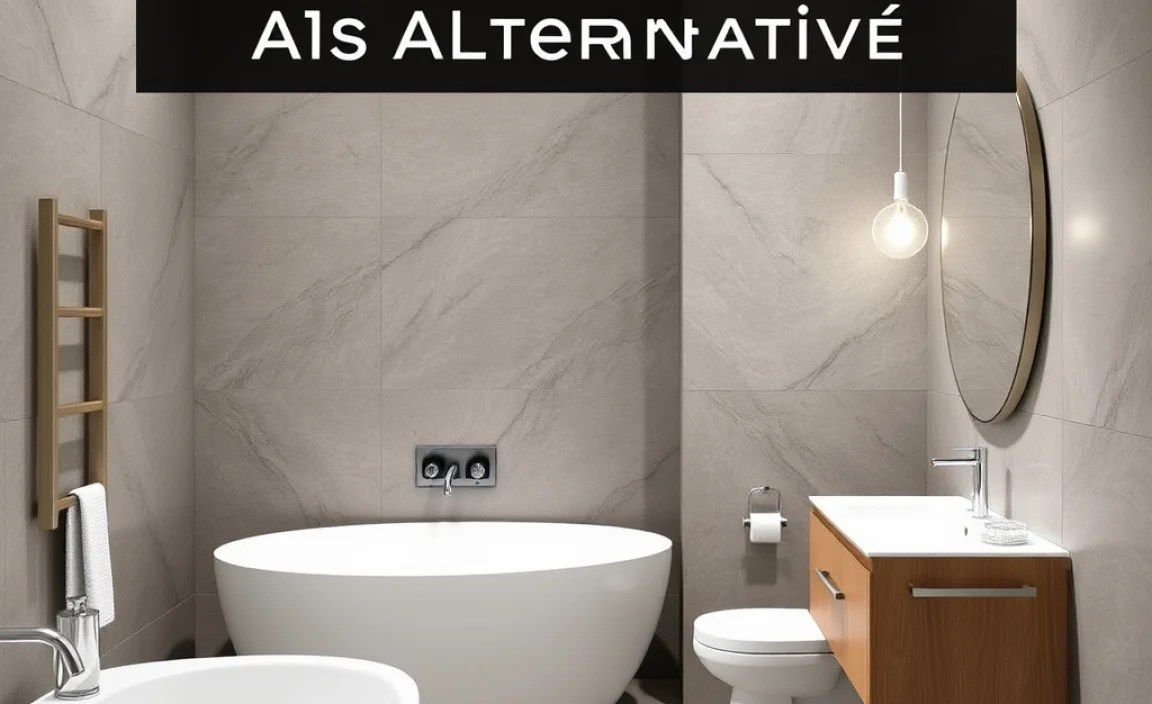
Not everyone needs or can afford a full gut job. Alternative upgrades focus on refreshing the look and function of your bathroom without the massive undertaking. These are perfect for those on a tighter budget, with less time, or who are happy with their current layout but want a fresh feel.
When Alternative Upgrades Are Your Best Bet
- Your bathroom is in good working order but looks dated.
- You want to make a noticeable difference without a huge expense.
- You have a limited timeframe for renovations.
- You’re comfortable with some DIY work to save on costs.
- The existing layout is perfectly fine, and you just want a cosmetic refresh.
- You’re looking for quick wins to improve your home’s appeal before selling or just for your own enjoyment.
Popular Alternative Upgrade Strategies
These methods can revitalize your bathroom without breaking the bank or your schedule.
1. Fixture and Hardware Refresh
Swapping out old or worn-out fixtures can make a surprisingly big impact. Think about:
- Faucets: Upgrading to a modern style can instantly update the look of your sink or shower.
- Showerheads: Consider a new showerhead for a better experience, whether it’s a rain shower, a high-pressure option, or a water-saving model.
- Toilet Seat and Lid: A simple replacement can make the toilet feel cleaner and more modern.
- Cabinet Hardware: New knobs and pulls on your vanity can give it a brand-new personality.
- Towel Bars and Rings: Matching new hardware can create a cohesive look.
2. Painting and Refinishing
A fresh coat of paint is one of the most cost-effective ways to transform a space. This applies to more than just the walls!
- Walls and Ceiling: Use moisture-resistant bathroom paint.
- Vanity Cabinets: Painting or staining your existing cabinets can dramatically change the style. Ensure proper preparation for a durable finish.
- Bathtub and Tile Refinishing: Kits are available to reglaze or refinish old bathtubs and tile surrounds. This is a more involved DIY task, but it can make worn-out surfaces look brand new. Make sure to follow product instructions carefully and use appropriate ventilation. Websites like The Home Depot’s DIY department often have guides and product information for these projects.
3. Lighting Updates
Good lighting makes a bathroom feel larger, brighter, and more inviting.
- Replace Old Fixtures: Swap out dated ceiling lights or vanities with modern, stylish options.
- Add Task Lighting: Consider sconces on either side of the mirror for better grooming light.
- Dimmers: Installing a dimmer switch can offer flexibility for ambiance and task lighting.
4. Grouting and Caulking Refresh
This is a maintenance task that can make a huge visual difference. Grimy grout or peeling caulk can make even a clean bathroom look neglected.
- Clean or Replace Grout: You can use grout cleaners or, if it’s too far gone, reapply new grout.
- Recaulk Edges: Fresh caulk around the tub, shower, and sink seals out moisture and gives a clean, finished look.
5. Accessory Additions
Small details can elevate your bathroom’s style and functionality.
- Mirror Upgrade: Replace a basic builder-grade mirror with a framed or decorative one.
- Shower Curtain or Door: A new shower curtain or a sleek glass door can transform the look of your shower/tub area.
- New Shower Curtain Rod
- Organization Solutions: Add shelving, vanity organizers, or a medicine cabinet.
- Art and Decor: Freshen up the space with new art or accent pieces.
6. Vanity or Sink Replacement (Partial vs. Full)
Sometimes, just the sink or the vanity is the culprit. You might be able to replace just the sink (for example, getting an undermount sink for a clean look) or update the entire vanity unit without altering the plumbing layout significantly.
Pros and Cons of Alternative Upgrades
These solutions offer a different set of advantages and disadvantages compared to a full renovation.
| Pros | Cons |
|---|---|
| Significantly lower cost compared to full renovations. | May not address underlying plumbing or structural issues. |
| Much shorter project timelines, often completed in a weekend or a few days. | Limited in scope; cannot fundamentally change layout or plumbing. |
| Less disruptive to your daily life. | May not add as much long-term value to the home as a full renovation. |
| DIY-friendly options available, saving on labor costs. | Results are aesthetic improvements, not foundational upgrades. |
| Immediate visual impact and improved functionality. | Choosing the wrong materials or methods can lead to premature wear or poor aesthetics. |
Choosing the Right Path for You
Deciding between a full renovation and alternative upgrades boils down to your personal circumstances and priorities. Here’s a quick way to guide your decision:
The Quick Decision Guide
- If your budget is under $5,000 and you need a quick update: Focus on alternative upgrades.
- If you plan to stay in your home for many years and want a dream bathroom: A full renovation might be worth the investment.
- If your bathroom has mold, extensive water damage, or safety concerns: Prioritize professional assessment and likely a full renovation to address root causes.
- If you’re happy with the layout but tired of the style: Start with alternative upgrades like paint, hardware, and lighting.
- If you’re considering selling your home soon: Focus on cosmetic upgrades that offer the best return on investment, often a mix of alternative fixes and potentially a more targeted remodel of key elements.
It’s also worth noting that you don’t have to go all-in on one approach. Some homeowners choose to do a partial renovation – perhaps focusing on a new shower and vanity – and then tackle smaller cosmetic updates themselves over time.
Essential Tool & Material Tips
Whether you’re going big or small, having the right tools and understanding materials is key for success and safety.
Full Renovation Essentials (Professional Help Recommended for Much of This)
- Safety Gear: Safety glasses, work gloves, dust masks, sturdy footwear.
- Demolition Tools: Pry bar, hammer, reciprocating saw, utility knife.
- Measurement Tools: Tape measure, level, stud finder.
- Plumbing Tools: Pipe wrench, pliers, basin wrench, pipe cutter, Teflon tape, flux, solder (for copper pipes).
- Drywall Tools: Utility knife, drywall saw, T-square, taping knives, mud pan.
- Tile Tools: Notched trowel, tile cutter, grout float, margin trowel, sponges.
- Painting Tools: Brushes, rollers, paint tray, painter’s tape.
- Fasteners: Screws (drywall, wood), nails.
- Materials: Lumber, drywall (including moisture-resistant types for bathrooms), insulation, subflooring, backer board (for tile), thin-set mortar, grout, caulk, paint, primer.
Alternative Upgrade DIY Toolkit
Many of these can be handled with common household tools:
- Basic Hand Tools: Screwdriver set (Phillips and flathead), adjustable wrench, pliers (various types), hammer.
- Painting Supplies: Paintbrushes (for trim and cutting in), rollers, paint tray, drop cloths, painter’s tape.
- Caulking Gun: For applying silicone or latex caulk.
- Putty Knife: For scraping, applying caulk, or mixing small amounts of filler.
- Level: To ensure new fixtures or shelves are straight.
- Drill/Driver: For installing new hardware, lights, or shelves.
- Cleaning Supplies: For thorough preparation before painting, refinishing, or replacing fixtures.
- Safety Gear: Safety glasses, gloves, especially when using chemicals or working with electricity.
Material Tips:
- Paint: Always opt for paints specifically designed for bathrooms or high-moisture areas. These have mildew resistance.
- Caulk: Use silicone or a high-quality kitchen/bath caulk that is mildew-resistant.
- Faucets & Fixtures: Look for reputable brands and check reviews. Consider finishes that are easy to clean and resistant to water spots (like brushed nickel or matte black).
- Refinishing Kits: Read reviews and understand the process before buying. Some kits require significant prep and curing time.
FAQs About Bathroom Upgrades
Q1: What is the biggest difference between a bathroom renovation and an alternative upgrade?
The biggest difference is the scope. A full renovation involves significant work like changing layouts, moving plumbing, or replacing structural elements. Alternative upgrades are more about cosmetic and superficial improvements, like painting, updating fixtures, or changing hardware, without major construction.
Q2: Can I do a bathroom renovation myself?
While some aspects of a renovation can be DIY-friendly (like painting or installing flooring), a full gut renovation often involves complex plumbing, electrical, and structural work. It’s generally recommended toHire professionals for these critical tasks to ensure safety and code compliance. Resources from organizations like the National Association of Home Builders (NAHB) can provide insights into project scope and professional hiring.
Q3: What’s the most cost-effective way to update a bathroom on a small budget?
Painting the walls and vanity, replacing old hardware (knobs, pulls) and faucets, and updating shower curtains are very budget-friendly and can make a big visual difference.
Q4: How long does a typical alternative bathroom upgrade take?
Most alternative upgrades can be completed in a weekend or a few days. Replacing a faucet, painting, or swapping out hardware are all relatively quick tasks.
Q5: Should I update my bathroom before selling my house?
Yes, a refreshed bathroom is often a selling point. If you’re selling soon, focus on cost-effective updates that offer the best visual impact and appeal to a broad range of buyers, such as fresh paint, updated lighting, and new hardware.
Q6: What are common mistakes to avoid when updating a bathroom?
Common mistakes include not sealing grout or caulk properly (leading to water damage), choosing the wrong type of paint for a humid environment, not adequately ventilating during renovations, and selecting fixtures that are too large or too small for the space.
Q7: Do I need a permit for bathroom renovations?
Permits are usually required for renovations that involve structural changes, moving plumbing, or altering electrical systems. Minor cosmetic updates like painting or replacing a faucet typically do not require a permit. It’s always best to check with your local building department to be sure.
