
Have you ever seen water dripping from a faucet? Leaky faucets waste water. But did you know you can fix it? You might wonder how plumbers stop leaks. One way is through a special process called caulking. This is a useful skill to learn. This guide of caulking in plumbing will help you understand more.
Plumbers use caulking to seal spaces. This helps keep water where it should be. Imagine a house where water is always leaking. That sounds messy, right? Thankfully, you can learn how to prevent leaks with this guide. It will show you the steps plumbers take to stop leaks.
Key Takeaways
- Caulking seals gaps and prevents water leaks.
- Good caulking keeps homes dry and safe.
- Proper tools make caulking easier and better.
- This guide of caulking in plumbing is easy to understand.
- Always check leaks to prevent water damage.
Understanding Caulking Basics
Caulking is like magic for fixing leaks. It stops water from escaping. Plumbers use a special paste called caulk. They apply it to seal gaps. Caulk comes in a tube. It can be squeezed out easily with a tool. This helps fill gaps tightly. Once dry, it becomes waterproof. This keeps water where it belongs.
- Caulk comes in different types.
- It can seal many materials, like metal and plastic.
- Always clean the area before caulking.
- Apply caulk evenly for the best seal.
- Let caulk dry completely.
- Check your work to ensure no gaps remain.
>
Caulking is an important job. It requires patience and care. Plumbers must choose the right caulk for each task. For example, they might use silicone caulk for bathrooms. This type is good against moisture. It helps keep showers and sinks dry. Knowing which caulk to use makes a big difference.
Fun Fact: Some caulks can last up to 20 years if applied properly!
What is Caulk?
Have you ever seen toothpaste? Imagine caulk as a thicker toothpaste. It fills gaps and stops water leaks. Plumbers love using caulk. It helps them do their job well. This sticky paste creates a strong seal. Once it dries, it’s like an invisible shield. Wouldn’t you love to learn how to use it too?
Types of Caulk
Did you know there are different types of caulk? Each type has its job. Some caulks are for kitchens. Others are for bathrooms. Silicone caulk is very popular. It stops water really well. Then there’s acrylic caulk. It’s good for indoor areas. Choosing the right caulk is key to doing a great job.
Tools Needed for Caulking
Plumbers use special tools for caulking. The main tool is a caulking gun. This helps squeeze caulk out smoothly. You also need a utility knife. It cuts the caulk tube open. Some people use a putty knife too. This helps spread caulk evenly. Having the right tools makes the job easier and faster.
The Importance of Caulking in Plumbing

Why do plumbers use caulking? Caulking is important for stopping leaks. Leaks cause water damage. Water damage is bad for homes. Imagine your floor always wet. That doesn’t sound fun, right? Caulking keeps water where it should be. It protects homes from costly repairs. This is why caulking is essential.
- Prevents water damage.
- Saves money on repairs.
- Makes homes more comfortable.
- Protects against mold and mildew.
- Extends the life of plumbing fixtures.
>
Good caulking helps avoid problems. It’s like putting a band-aid on a cut. It seals the gap and stops leaks. Plumbers check caulking regularly. This keeps homes safe and dry. Now you know why caulking is so valuable. It’s a simple step with big benefits.
Fun Fact: Leaky faucets can waste over 3,000 gallons of water a year!
Preventing Water Damage
Water can be sneaky. It finds its way into tiny gaps. Over time, this causes damage. Have you seen paint bubbling on walls? This happens when water seeps in. Caulking stops water from entering. It creates a tight seal. This keeps walls and floors safe from water harm.
Stopping Mold and Mildew
Mold and mildew love wet places. They grow in damp corners. This is why caulking is crucial. It keeps areas dry. Do you want mold in your bathroom? Of course not! Caulking prevents unwanted growth. It keeps homes clean and healthy. Remember, a dry home is a happy home.
Saving Money on Repairs
Repairs can be costly. Who wants to spend money fixing water damage? Caulking saves you from this expense. It stops small leaks before they become big problems. Imagine a small hole in a boat. It can sink if not fixed. Caulking patches the hole and saves the day. You’ll save money by staying ahead of leaks.
Choosing the Right Caulk
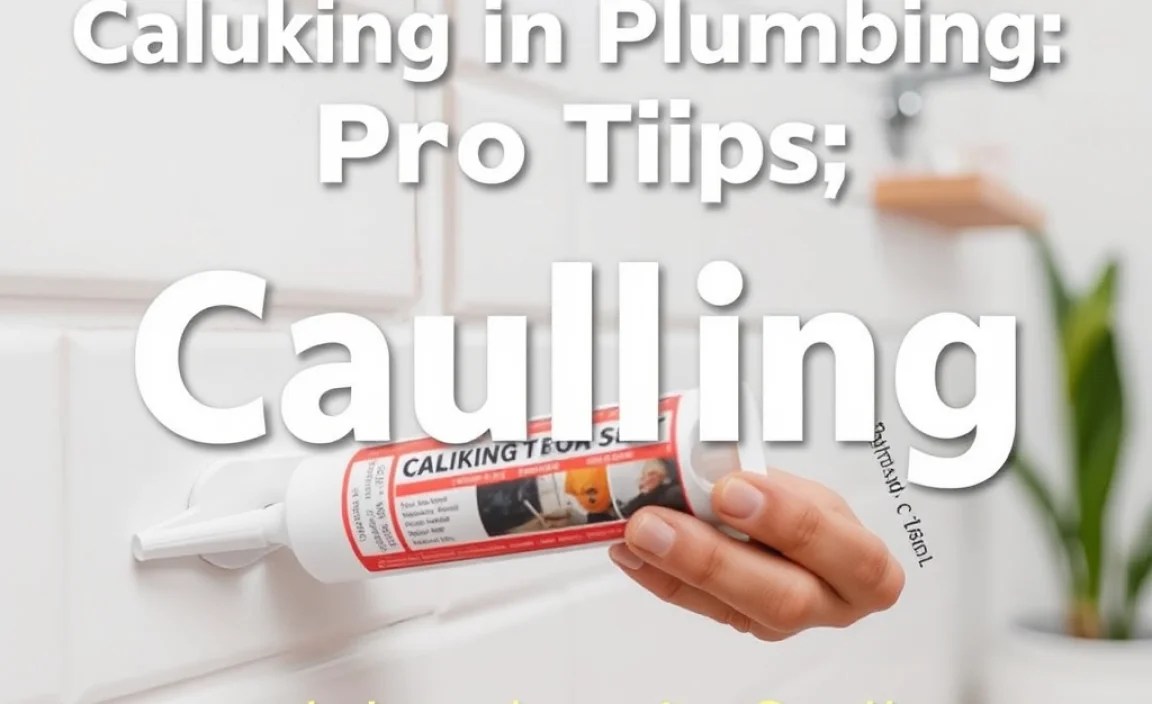
Picking the right caulk is important. It ensures the best seal. There are many types of caulk. Each one has a special use. For example, silicone caulk is great for bathrooms. It resists water very well. Acrylic caulk is good for painting. It works indoors where moisture is low.
- Silicone caulk is waterproof.
- Acrylic caulk is paintable.
- Latex caulk is easy to clean.
- Polyurethane caulk is very strong.
- Butyl rubber caulk is flexible.
>
Choosing wisely can be tricky. Think about where you’ll use the caulk. Is it a wet area or a dry one? This will help you decide. Always read the label. It tells you what the caulk is best for. This simple step makes a big difference in your results.
Fun Fact: Silicone caulk can stay flexible even after freezing temperatures!
Silicone vs. Acrylic Caulk
Silicone and acrylic caulk each have pros and cons. Silicone is waterproof. It works great in wet areas. But it can’t be painted over. Acrylic can be painted. This makes it useful indoors. Imagine a shower with no leaks. That’s silicone at work. Now picture a painted wall. Acrylic makes it look nice and neat.
Reading the Caulk Label
The caulk label has important details. It tells you what the caulk is made for. Have you ever read a recipe? A caulk label is similar. It guides you on how to use it. Always check the instructions. This ensures you pick the right one for your project. Don’t skip this step!
Using Caulk in Different Areas
Not all caulk is the same. Each type has different uses. Bathrooms need waterproof caulk. Kitchens need heat-resistant caulk. Outdoor areas need UV-resistant caulk. Imagine using the wrong caulk. It could fail quickly. Choosing the right type is like picking the right tool. It helps the job last longer.
How to Apply Caulk Correctly
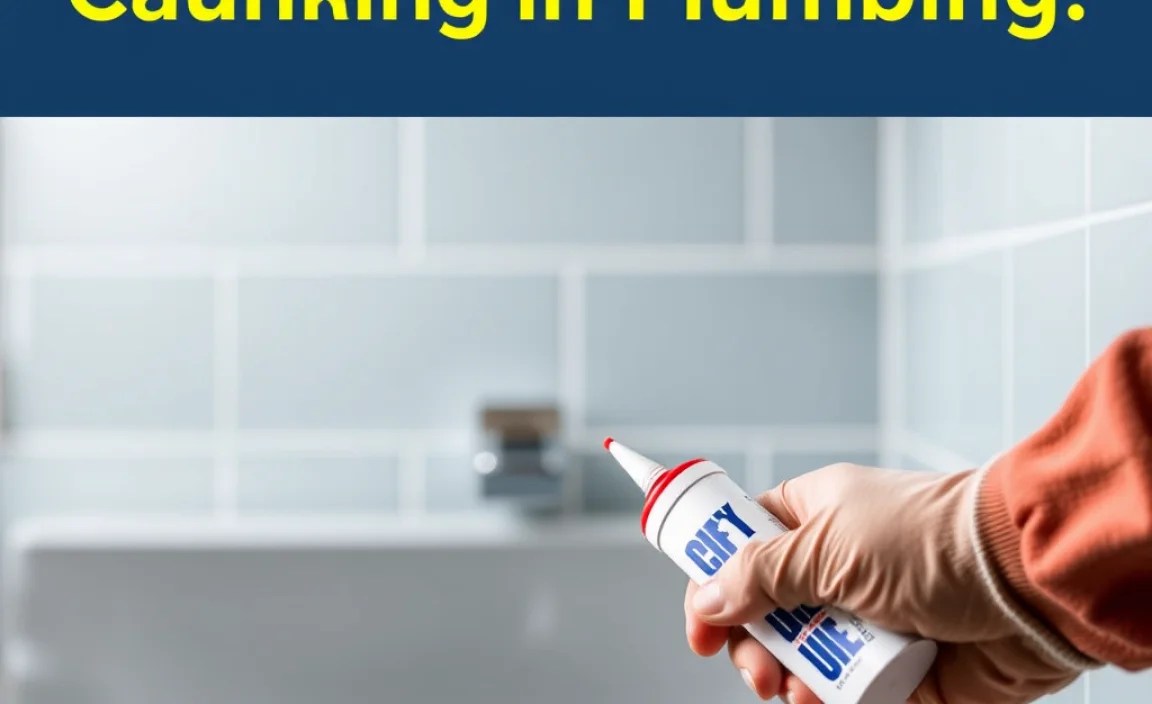
Applying caulk takes practice. But it’s not too hard. First, clean the area. Remove any old caulk. This ensures a good bond. Next, cut the caulk tube tip. Use a caulking gun to apply it evenly. Smooth it out with a finger or tool. Let it dry. Now, you’re done!
- Clean the surface first.
- Remove old caulk before applying new.
- Cut the caulk tube tip at an angle.
- Apply caulk with steady pressure.
- Use a smooth tool to finish.
>
| Caulk Type | Best For | Waterproof | Paintable |
|---|---|---|---|
| Silicone | Bathrooms | Yes | No |
| Acrylic | Indoors | No | Yes |
| Polyurethane | Outdoors | Yes | No |
| Latex | Indoors | No | Yes |
Following these steps ensures a good seal. It’s like making a sandwich. Each layer counts. You need to be careful and patient. A little practice goes a long way. Soon, you’ll be caulking like a pro. Keep at it!
Fun Fact: The first caulking compounds were made from tree sap and animal fat!
Cleaning the Surface
Have you ever tried painting a dirty wall? It doesn’t work well. Caulking is the same. Clean surfaces give better results. Use soap and water to scrub the area. Remove dust and grease. This helps the caulk stick better. A clean surface is key to success. Don’t forget this step!
Cutting the Caulk Tube
Cutting the caulk tube correctly is crucial. Have you ever used a tube of toothpaste? You squeeze it from the bottom. The same goes for caulk. Cut the tip at an angle. This ensures smooth application. A small hole gives more control. Practice makes perfect!
Smoothing the Caulk
Smoothing the caulk gives a neat finish. Use your finger or a tool. Make sure it’s even. You don’t want bumps or gaps. It’s like icing a cake. Smooth surfaces look better and last longer. Take your time to make it right. You’ll see the difference.
Maintaining Caulked Areas
Once caulk is applied, it needs care. Regular checks help keep it in shape. Look for cracks or gaps. These are signs the caulk needs fixing. You can apply new caulk if needed. This prevents bigger problems. Maintenance ensures your hard work lasts. It’s like polishing a car. Keep it looking and working well.
- Inspect caulked areas regularly.
- Check for signs of wear.
- Reapply caulk if necessary.
- Clean caulked areas to prevent mildew.
- Keep tools handy for quick fixes.
>
Maintenance is easy. It saves time and money. Regular checks prevent surprise leaks. Imagine a bike with a flat tire. You fix it before riding. Caulking is similar. Keep an eye out for problems. Fix them early for lasting protection.
Fun Fact: Regular maintenance can double the life of caulk!
Checking for Wear
Wear and tear happen over time. It’s natural. Look for signs on caulked areas. Are there cracks? Is the caulk peeling? These need attention. Fixing them is like patching a hole in your sock. It stops the problem from getting worse. Regular checks keep things in top shape.
Cleaning Caulked Areas
Clean caulked areas last longer. Use mild soap and water. This removes dirt and grime. Keep caulked areas dry. This prevents mildew formation. Imagine a windshield covered in dirt. You clean it for a better view. The same goes for caulking. Clean it for better performance.
Fixing Minor Caulk Issues
Minor issues can be fixed easily. Have you ever fixed a toy? It’s satisfying. The same goes for caulk. Cut away the damaged part. Apply new caulk. Smooth it out. This keeps the area sealed. It’s like patching a hole in your favorite shirt. Quick fixes prevent big problems.
Conclusion
Now you know how important caulking is. It keeps water where it belongs. Our guide of caulking in plumbing helps you learn the basics. You can fix leaks and prevent damage. Remember to choose the right caulk. Apply it carefully. Maintain your work. Keep homes safe and dry with good caulking.
FAQs
Question: What is caulking used for?
Answer: Caulking is used to seal gaps. It stops water leaks. Plumbers and homeowners use it. It keeps water where it should be. This prevents damage and saves money.
Question: How long does caulk last?
Answer: Caulk can last many years. With proper application, it lasts 5 to 20 years. Silicone caulk is very durable. Regular checks help it last longer. Replace it if you see cracks or gaps.
Question: Can I use any caulk for plumbing?
Answer: No, not all caulks are the same. Use waterproof caulk for plumbing. Silicone caulk is great for bathrooms and kitchens. Always check the label. Choose the right one for the job.
Question: How do I apply caulk correctly?
Answer: Clean the area first. Remove old caulk. Cut the tube tip at an angle. Use a caulking gun. Apply evenly. Smooth it with a tool. Let it dry completely.
Question: What are common caulk types?
Answer: Common types include silicone, acrylic, latex, and polyurethane. Each has its use. Silicone is waterproof. Acrylic is paintable. Choose based on the area and need.
Question: Why is maintenance important for caulk?
Answer: Maintenance prevents problems. Regular checks ensure caulk stays in good shape. Fix small issues early. This keeps water where it should be. It protects homes from damage.
