
Quick Summary: A soap holder keeps your soap dry and your sink tidy. For beginners, choosing a simple, easy-to-install holder like a suction cup or adhesive type is best. Proper placement prevents mildew and makes your bathroom look cleaner. Learn essential tips for selecting and using the right soap holder.
Tired of soggy soap bars melting away in a messy puddle? It’s a common frustration that can quickly make your sink or shower look untidy. But don’t worry, a simple solution is within reach! Choosing the right soap holder is a small step that makes a big difference in keeping your bathroom clean and your soap lasting longer. This guide is designed especially for beginners, breaking down everything you need to know. We’ll walk you through simple choices and easy installation, so you can say goodbye to soapy messes for good. Get ready to discover how easy it is to get your bathroom looking its best!
Why a Soap Holder is Your Bathroom’s Best Friend

Think of your soap holder as a tiny hero for your bathroom. Its main job is to lift your bar of soap off wet surfaces. This simple act prevents the soap from turning into a mushy mess. When soap sits in water, it dissolves faster, meaning you’ll be buying replacements more often. A good soap holder also helps keep your sink or shower ledge clean and dry, preventing unsightly soap scum buildup and potential mildew growth. For anyone starting out with home upkeep, this is one of those easy wins that brings instant satisfaction and improves the overall look and feel of your bathroom.
Types of Soap Holders for Beginners

When you’re new to home accessories, the sheer variety can seem overwhelming. But when it comes to soap holders, the options for beginners are designed for simplicity and ease. The goal is to find something that works without needing complicated tools or installation skills.
1. Suction Cup Soap Holders
These are perhaps the easiest to use. They rely on a rubber or silicone cup that creates a vacuum seal against smooth, non-porous surfaces like tiles or glass. They are very beginner-friendly because they require no drilling or permanent fixtures.
- Pros: Extremely easy to install and remove, no damage to surfaces, very affordable, portable.
- Cons: Can lose suction over time, especially in humid environments or on textured tiles. May not hold very heavy soap bars.
2. Adhesive Soap Holders
These holders come with a strong adhesive backing, often a strong waterproof tape like 3M VHB. You simply peel off the backing and press the holder firmly onto the desired surface. They offer a more secure hold than suction cups and are still very easy to install.
- Pros: Stronger hold than suction cups, no drilling required, relatively easy to install, widely available.
- Cons: Can be difficult to remove without damaging paint or wallpaper. Once attached, they are usually permanent.
3. Draining Dish Soap Holders
These are the classic soap dishes. They typically have a raised edge or a grid pattern that allows water to drain away from the soap. Some are designed to sit on the edge of the sink, while others are mounted. For beginners, look for ones that are lightweight and don’t require complex mounting.
- Pros: Effective at keeping soap dry, come in many styles and materials (plastic is often cheapest and easiest).
- Cons: Can still accumulate soap residue, requires regular cleaning, mounted versions might need drilling.
4. Magnetic Soap Holders
These are a bit more unique. They consist of a small metal disc that you press into your soap bar and a magnetic holder that attaches to the wall (often with a suction cup or adhesive). The magnet then holds the soap in place.
- Pros: Keeps soap completely suspended, allowing for maximum airflow and drying. Minimalist look.
- Cons: Requires pressing a metal piece into the soap, which some people find unusual. The magnet needs to be strong enough.
5. Corner Shelf Soap Holders
These holders are designed to fit into the corner of your shower or on the edge of your sink. They often come as a unit with multiple tiers for different toiletries. Some are adhesive, while others might require drilling into the wall. For beginners, prioritize the adhesive or no-drill options.
- Pros: Great for organizing multiple items, can save space, often sturdy.
- Cons: Larger units, adhesive versions require careful placement, drilled versions require tools.
Choosing the Right Soap Holder: What Beginners Need to Consider

As a beginner, simplifying your choices is key. You want a soap holder that’s effective, easy to install, and fits your bathroom’s style without causing headaches. Here’s a breakdown of what really matters:
1. Installation Method: Your Skill Level Matters
This is the biggest factor for beginners. Are you comfortable with a drill? Or would you prefer something that sticks on or just sits there?
- No-Drill Options: Suction cups, adhesive mounts, and freestanding dishes are your best friends. They require no tools and minimal effort.
- Minor Drilling: Some screw-in holders exist, but for ease, stick to the no-drill paths first. Many modern adhesive options are strong enough to replace screw-in types for most household needs.
2. Material: Durability Meets Aesthetics
Soap holders come in various materials. Consider where it will be placed and how likely it is to get wet or bumped.
- Plastic: Lightweight, waterproof, and very affordable. Great for showers and sinks.
- Stainless Steel: Durable, rust-resistant, and looks sleek. Often comes with stronger mounting like adhesive or screws.
- Ceramic/Porcelain: Can be beautiful but is fragile. Best for a dedicated spot on a counter rather than a busy shower.
- Silicone/Rubber: Often used for suction cups or as a flexible base for dishes. Waterproof and easy to clean.
3. Drainage: The Key to a Dry Bar
A soap holder’s primary function is to keep soap dry. Look for features that promote drainage:
- Sloped Design: The holder should angle downwards towards a drain hole.
- Drainage Holes: Small holes in the bottom allow water to escape.
- Raised Grids: These lift the soap off the base, allowing air to circulate.
- Open Sides: Holders that are mostly open allow for better airflow.
4. Size and Shape: Fit and Function
Consider the size of your soap bars and the space available. A standard bar of soap is about 3-4 inches long. Make sure the holder is at least that wide. Also, think about the aesthetics and how it will fit with your existing bathroom decor.
5. Placement: Where Will it Go?
Decide whether you need a holder for your shower, your bathtub edge, or your sink. Each location might benefit from a different type of holder.
The U.S. Environmental Protection Agency (EPA) offers great tips on consumer product safety, including how to choose products that are safe and effective for your home. While they don’t specifically discuss soap holders, their principles of choosing durable, safe, and well-designed products apply perfectly here.
Essential Tips for Installing Your Soap Holder
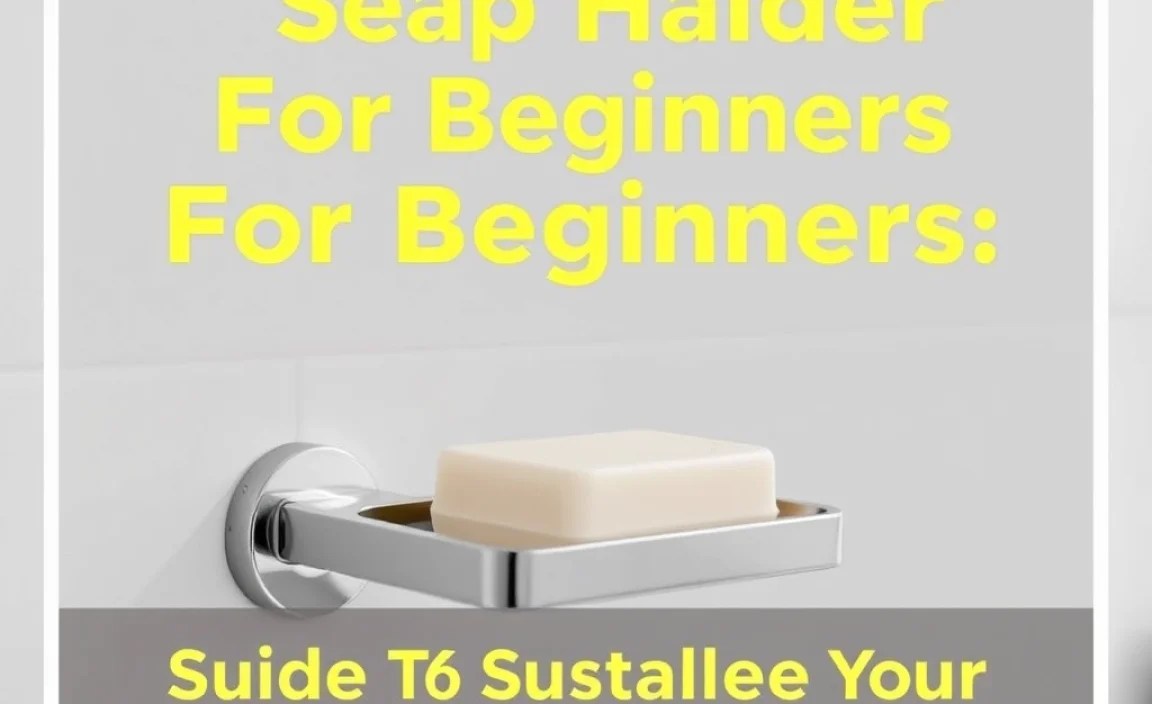
Installing a new soap holder can be a breeze if you follow these simple steps. We’ll focus on the most common types for beginners: suction cup and adhesive mounts.
Installing a Suction Cup Soap Holder
These are perfect for renters or anyone who likes to rearrange their bathroom accessories.
- Clean the Surface: Before anything else, thoroughly clean the area where you plan to place the suction cup. Use a mild cleaner and a cloth to remove all soap scum, dust, and grime. Then, dry the surface completely with a clean, lint-free cloth. A clean, dry surface is crucial for the suction to work.
- Moisten the Suction Cup: Lightly dampen the rim of the suction cup with water or saliva. This helps create a better seal. Don’t soak it, just a little moisture is needed.
- Position and Press: Press the suction cup firmly against the chosen spot on the wall. Start from the center and work your way outwards, pressing firmly to push out any trapped air. You should feel it ‘grip’ the surface.
- Test the Grip: Gently tug on the holder to ensure it’s securely attached. If it feels loose, remove it, clean the surface and cup again, and reapply. Repeat until it holds firm.
- Place Your Soap: Once you’re confident it’s secure, place your dry bar of soap in the holder.
Installing an Adhesive Soap Holder
Adhesive holders offer a more permanent and robust solution without needing tools. They are ideal for creating a neat, fixed spot for your soap.
- Choose Your Spot Wisely: Since adhesive is strong, pick the location carefully. Make sure it’s a smooth, clean, and dry surface. Avoid grout lines or uneven tiles where the adhesive might not stick well.
- Clean and Dry the Surface: Just like with suction cups, thorough cleaning is vital. Use a good degreaser or ammonia-based cleaner to remove any residue. Wipe it down with a damp cloth and then dry it completely with a microfiber cloth. Ensure there’s no moisture left.
- Prepare the Holder: Most adhesive holders have a protective film over the sticky backing. Carefully peel this off, trying not to touch the adhesive itself.
- Align and Attach: Position the holder exactly where you want it. Once you’re sure about the placement, press it firmly against the wall. Apply steady, even pressure for at least 30 seconds. This helps the adhesive bond properly.
- Wait Before Use: This is a critical step often overlooked. Most strong adhesives need time to cure and reach their full strength. Check the manufacturer’s instructions, but typically, you should wait at least 24 hours before placing any weight on the holder or exposing it to water. This waiting period ensures maximum adhesion and prevents premature failure.
- Place Your Soap: After the recommended waiting period, you can safely place your soap bar in the holder.
For more detailed information on adhesives, you can check out resources from adhesive manufacturers like 3M, which often provide detailed guides on proper application for their products. Understanding how adhesives work can help you choose the most reliable option for your home.
Maintaining Your Soap Holder and Soap

Even the best soap holder needs a little care to perform its best. Regular maintenance ensures it stays functional, hygienic, and looking good.
Cleaning Your Soap Holder
Soap residue and water can combine to create a gunky mess. Regular cleaning prevents this:
- Weekly Wipe-Down: For suction cup and adhesive holders, use a damp cloth to wipe down the holder and surrounding area weekly. This removes surface soap scum.
- Deeper Cleaning (Monthly): For a more thorough clean, especially for draining dishes or trays, remove the holder if possible. Use a soft brush (like an old toothbrush) and a gentle cleaner or a mixture of water and vinegar to scrub away any buildup. Rinse thoroughly and dry completely before reattaching or placing soap.
- Mold and Mildew Prevention: Ensure the holder has good drainage. If you notice any signs of mold, use a diluted bleach solution or a dedicated bathroom cleaner to disinfect the area. Always ensure good ventilation in your bathroom by opening a window or turning on the exhaust fan after showering.
Keeping Your Soap Bar in Good Shape
The holder helps, but you can do your part too:
- Shake Off Excess Water: Before placing your soap in the holder, give it a quick shake to remove excess water.
- Use a Loofah or Washcloth: If you lather your soap on a loofah or washcloth, try to let the lather drain off the cloth before placing the soap back in its holder.
- Consider Quick-Drying Soaps: Some artisan soaps are formulated to dry out faster than others.
Troubleshooting Common Soap Holder Issues
Even with the best intentions, sometimes things don’t go perfectly. Here are a few common issues beginners might face and how to fix them:
Issue: Suction cup won’t stick
Solution: The surface isn’t clean or smooth enough, or the cup is damaged.
Re-clean: Start by thoroughly cleaning both the surface and the suction cup. Ensure the surface is completely dry.
Check for Damage: Inspect the suction cup for any tears or warping. If it’s damaged, it might be time for a new one.
Try a Different Spot: Some tiles have a texture or coating that prohibits suction. Experiment with a different area, perhaps on glass or a smooth, painted surface if available.
Issue: Adhesive holder fell off
Solution: The surface wasn’t properly prepared, the adhesive wasn’t activated correctly, or the waiting period was too short.
Re-prep and Re-apply: Clean the surface meticulously again. Use isopropyl alcohol for a final wipe-down.
Apply Heat (Carefully): Mildly heating the adhesive backing with a hairdryer before applying can sometimes improve stickiness. Ensure the surface isn’t too hot.
Press and Wait: Press very firmly, and absolutely adhere to the 24-48 hour waiting period before use. For very humid environments, consider products specifically designed for high moisture.
Issue: Soap is still getting mushy
Solution: The current holder isn’t draining effectively, or the soap is constantly exposed to water.
Check Drainage: Ensure the drainage holes in your holder are clear. If it’s a simple dish, it might not be designed for optimal drying.
Consider Airflow: A holder that lifts the soap off the surface, like a magnetic one or one with a slatted design, might be better.
Positioning in the Shower: Make sure the holder isn’t directly under the showerhead’s main spray. Place it on a side wall or a calmer area.
Issue: Holder is leaving marks on the wall
Solution: This is more common with adhesive holders or if the suction cup material reacts with the wall finish.
For Adhesive Marks: Try gently warming the residue with a hairdryer and then peeling it off slowly. Use an adhesive remover product specifically designed for household surfaces. Always test in an inconspicuous area first.
For Suction Cup Marks: Sometimes, the material can leave a faint shadow. A gentle cleaner and a soft cloth usually remove this. For persistent marks on painted walls, you might need to touch up the paint.
Types of Soap for Soap Holders
While this guide focuses on the holder, it’s worth noting that your choice of soap can also impact how well it works with a holder. Bar soaps are generally best for these holders. Liquid soaps are typically dispensed from pumps and don’t require a separate holder.
Here’s a quick look at bar soap varieties:
- Traditional Bar Soaps: These are the most common and come in countless formulations (moisturizing, exfoliating, scented, unscented). They are the standard for bar soap holders.
- Shampoo Bars and Conditioner Bars: These solid bars for hair are increasingly popular and follow the same principles of needing to dry out between uses, making them perfect for soap holders.
- Artisan/Handmade Soaps: Many handmade soaps are beautiful and often contain natural ingredients. They can sometimes be softer or have a higher glycerin content, meaning they can melt faster if not kept dry. A good soap holder is essential for these.
Choosing a soap that doesn’t disintegrate too quickly will also help prolong the life of your soap and keep your holder cleaner. Using a soap that is specifically designed to be hard and long-lasting can be a bonus for any soap holder user.
FAQ: Your Soap Holder Questions Answered
Q1: How often should I clean my soap holder?
A: For most holders, a quick wipe down weekly is great for preventing soap scum. A deeper clean every month will keep it hygienic and looking its best. If you notice any mold, clean it immediately.
Q2: Can I use a soap holder on a textured tile wall?
A: Suction cup holders usually won’t stick well to textured tiles. Adhesive holders might work if the texture is very mild, but they are much more likely to adhere to smooth, flat surfaces like glass, metal, or smooth tiles. Always test in a small, inconspicuous area if unsure.
Q3: Will a soap holder damage my wall?
A: No-drill holders like suction cups and well-applied adhesive mounts are designed not to damage standard bathroom surfaces. However, very strong (or improperly removed) adhesives could* potentially lift paint or wallpaper. Always follow installation and removal instructions carefully and test adhesives in a hidden spot if you are concerned about your wall finish.
