
Have you ever wondered what happens to the water when you wash your hands? Or why doesn’t your bathroom smell like the sewer all the time? The magic lies in a simple but important tool called the P-trap. This handy part of plumbing is right under your sink. Let’s discover how it works to keep our homes clean and fresh!
Key Takeaways
- The P-trap stops sewer gases from entering your home.
- It holds water to block bad smells from pipes.
- Understanding how it works is crucial for home plumbing.
- Cleaning the P-trap helps prevent clogs and spills.
- The shape of the P-trap makes it effective and simple.
Understanding the P-trap Design
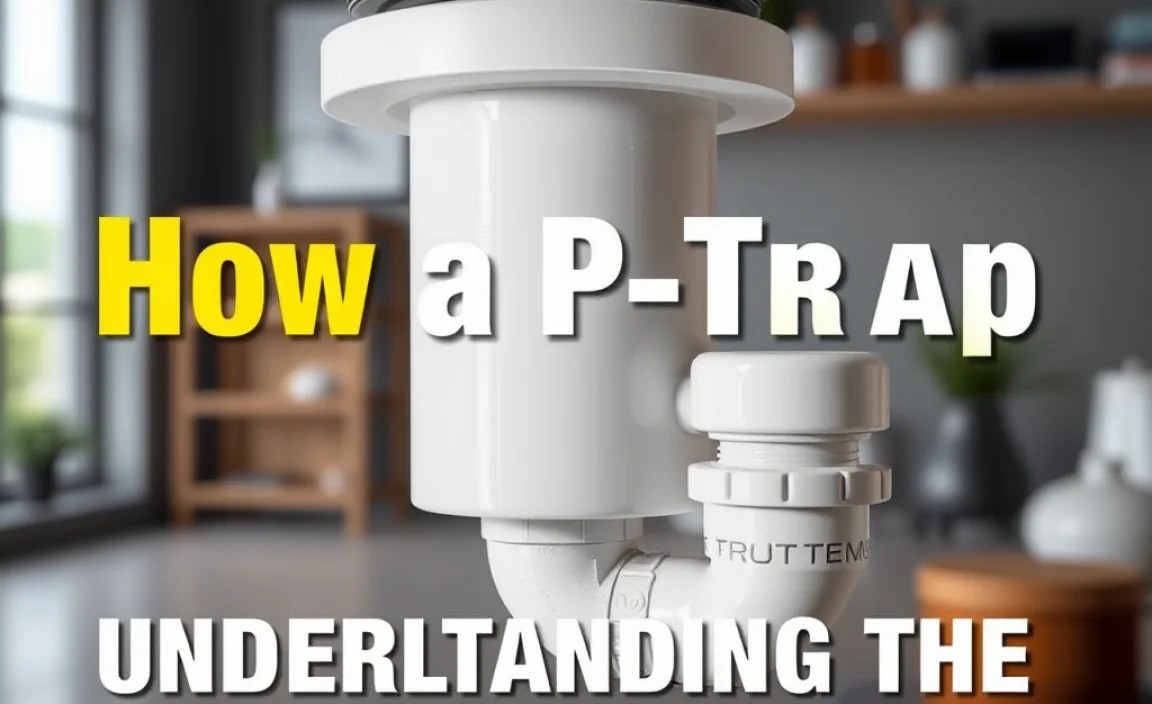
The P-trap is a special pipe under the sink. It has a U-shape which holds water. This water acts like a seal. It stops smelly sewer gases from coming into your home. The U-shape makes it look like the letter “P” when seen from the side. It might seem simple, but it’s very smart! The trap is usually made of sturdy plastic or metal. It connects your sink to the main drainage system. The water in the P-trap acts like a barrier. It allows water and debris to pass through while blocking gases. This design keeps your home smelling nice and fresh.
- P-trap holds water to block sewer gases.
- Its U-shape helps trap water effectively.
- Usually made from plastic or metal.
- Connects sink to the main drain system.
- Essential for preventing sewer odors.
- Available in various sizes for different needs.
- Simple yet effective plumbing tool.
To ensure the P-trap works well, it needs regular maintenance. Checking it once in a while can prevent blockages. A blocked trap can cause water to drain slowly or not at all. It’s easy to clean a P-trap. Just unscrew it and remove any debris. After cleaning, screw it back on tightly. This keeps everything flowing smoothly and smelling fresh.
Fun Fact: Did you know the P-trap was invented in 1775 by Alexander Cummings?
How the P-trap Prevents Sewer Gas

Have you noticed your house doesn’t smell like the sewers? That’s because of the P-trap! It’s a small pipe with a big job. The P-trap holds water at all times. This water acts like a plug or seal. It prevents sewer gases from coming up into your home. Without the P-trap, your home could have bad odors. The water in the P-trap forms a barrier. It stops foul-smelling gases from moving past the pipe. This magic occurs right under your sink. It makes the P-trap a true hero in home plumbing.
- Blocks bad odors from entering your house.
- Water acts as a seal in the trap.
- Prevents sewer gases from rising.
- Essential for a pleasant-smelling home.
- Works 24/7 to keep air clean.
- Protects your family from harmful gases.
- Simple yet very effective at its job.
It’s important to keep the P-trap in good condition. If it dries out, the seal breaks. No water means no protection from gases. So, if you notice a foul smell, check the P-trap! A dry trap may need water added. This will restore the seal and keep the odors away. Regular use of sinks usually prevents the trap from drying out. But if a sink is unused for a while, add water to the trap to maintain the barrier.
Fun Fact: Sewer gas can include hydrogen sulfide, which smells like rotten eggs!
Cleaning and Maintaining a P-trap
Do you know how to keep a P-trap clean? It’s quite simple! Regular cleaning avoids clogs and keeps everything flowing. The P-trap collects debris over time. This can block water flow and cause slow drainage. To clean it, place a bucket under the trap. Unscrew it gently to catch any water. Remove debris and rinse the trap with warm water. After cleaning, reattach it securely. This keeps your plumbing working smoothly. A well-maintained P-trap helps avoid bigger plumbing problems. Cleaning it every few months is a good practice.
- Prevents clogs and slow drainage.
- Removes trapped debris easily.
- Rinse with warm water for cleanliness.
- Keep it securely fastened after cleaning.
- Regular cleaning ensures smooth function.
- Saves money on costly repairs.
- Takes only a few minutes to clean.
Regular maintenance of the P-trap saves you from future hassles. It keeps your sinks draining properly. As a result, water flows freely without backups. You’ll also maintain a fresh-smelling kitchen or bathroom. A clean P-trap is a key part of a happy home. It ensures your plumbing system runs without any hiccups. This simple routine keeps your home free from unwanted odors and blockages.
Fun Fact: It’s best to clean the P-trap every three to six months!
Comparing P-traps with Other Plumbing Traps

Did you know there are different types of plumbing traps? The P-trap is just one kind. Compared to others, it has unique benefits. A P-trap is ideal for most home sinks. Its simple design makes it easy to clean and maintain. Unlike S-traps, P-traps are more effective in blocking sewer gases. The P-trap’s shape ensures water doesn’t evaporate quickly. This keeps the water seal intact. Other traps, like bottle traps, have different designs. But they may not be as effective as P-traps. Understanding these differences helps you choose the best trap for your needs.
- P-traps are easy to maintain.
- Block sewer gases better than S-traps.
- Water stays longer in P-traps.
- Simple design fits most home sinks.
- Other traps have unique features.
- Choice depends on specific needs.
- P-traps are widely used in homes.
| Trap Type | Best For | Pros | Cons |
|---|---|---|---|
| P-trap | Home sinks | Easy to clean, effective | Requires space |
| S-trap | Older homes | Simple design | Less effective at gas blocking |
| Bottle trap | Design needs | Compact | Can be harder to clean |
| Drum trap | Bathtubs | Large capacity | Prone to clogging |
Choosing the right trap depends on its location and use. A P-trap is best for most sinks because of its effectiveness. It’s important to consider how each trap works. This ensures your plumbing is efficient and problem-free. Picking the right trap helps maintain a fresh and clean home.
Fun Fact: P-traps are the most common traps used in modern homes!
Why P-traps Are Vital for Plumbing

Ever wondered why plumbers talk about P-traps? These traps are key to every plumbing system. They prevent sewer gases from entering homes, keeping the air fresh. Without them, your house could smell like a sewer! The P-trap’s water seal blocks harmful gases. It also traps heavy objects that accidentally fall down the drain. This makes it easy to retrieve them without hassle. The design is simple yet effective. P-traps are needed under every sink, bathtub, and shower. They ensure a healthy living environment and prevent plumbing issues.
- Stops sewer gases from entering homes.
- Traps lost objects in drains.
- Essential for every plumbing system.
- Keeps air fresh and clean.
- Prevents costly plumbing problems.
- Simple design, effective outcome.
- Needed under sinks and tubs.
Without P-traps, everyday living would be less pleasant. They keep plumbing systems running smoothly. By trapping debris, they prevent clogs and backups. Regular maintenance ensures they work effectively. P-traps are a small but vital part of plumbing. They keep our homes smelling nice and our plumbing systems in top condition. Next time you wash your hands, thank the P-trap for its hard work!
Fun Fact: A well-maintained P-trap can last over 50 years!
The Science Behind P-traps
Have you ever thought about how a P-trap works scientifically? It’s all about pressure and water! The P-trap holds water to form a barrier. This barrier stops sewer gases from rising up. The water creates a pressure difference. This difference keeps gases trapped below the water seal. The U-shape of the P-trap plays a big role. It holds enough water to create an airtight seal. This stops smelly gases from escaping. The science of pressure and water keeps our homes free from bad odors.
- Water creates a pressure barrier.
- Stops gases from rising up the pipe.
- U-shape holds enough water for a seal.
- Keeps sewer gases trapped below.
- Relies on simple physics principles.
- Effective design for home plumbing.
- Science keeps homes smelling fresh.
The P-trap relies on gravity to keep working. As water flows down the drain, it replaces old water in the trap. This maintains the water seal and keeps odors at bay. The simple design uses the laws of physics to ensure a fresh-smelling home. This blend of science and engineering makes the P-trap a vital part of any plumbing system. Understanding this science helps appreciate how this small piece of plumbing does such a big job.
Fun Fact: The principles behind P-traps are used in many engineering systems!
Conclusion
The P-trap is an essential part of home plumbing. It stops sewer gases from entering your house. Understanding how it works helps keep your home fresh and clean. Regular maintenance keeps the P-trap working well. It’s a small but mighty part of your plumbing system, ensuring a pleasant living environment for all.
FAQs
Question: What is a P-trap?
Answer: A P-trap is a U-shaped pipe under sinks. It holds water, blocking sewer gases from entering homes. This simple design keeps unpleasant odors away, ensuring your home smells fresh.
Question: How does a P-trap stop bad odors?
Answer: The P-trap holds water to form a seal. This water blocks sewer gases from rising into your home. The U-shape keeps the water in place, effectively preventing any bad smells from escaping.
Question: Why is my P-trap not working?
Answer: If your P-trap isn’t working, it might be dry or clogged. Add water if dry to restore the seal. Check for blockages by cleaning out the trap. This helps maintain the water barrier and avoid bad odors.
Question: How often should I clean my P-trap?
Answer: Clean your P-trap every three to six months. Regular cleaning prevents clogs and ensures smooth drainage. This simple routine keeps your plumbing system working effectively and your home smelling fresh.
Question: What materials are P-traps made from?
Answer: P-traps are usually made from plastic or metal. These materials are durable and suitable for plumbing needs. They ensure that the trap can hold water effectively, maintaining the seal against sewer gases.
Question: Can I install a P-trap myself?
Answer: Yes, you can install a P-trap with some basic tools. Ensure all connections are tight to prevent leaks. If unsure, it’s best to call a plumber for a professional installation to ensure everything works correctly.
