
Have you ever turned on the water in your bathroom and watched it drain slowly? It can be so frustrating! A clogged bathroom drain is a common problem. You might wonder how to snake bathroom drain to solve this issue. Well, you’re in luck! Using a drain snake is easier than you think.
Here’s a fun fact: most clogs form from hair, soap, and grime. When these things build up, water struggles to flow properly. Imagine a traffic jam in your drain! But don’t worry. Snaking your drain can clear the path and get the water moving freely again.
Have you ever felt stuck when a simple job feels daunting? Learning how to snake bathroom drain doesn’t have to be hard. With a little patience and the right tool, you’ll be a pro in no time. Ready to dive in? Let’s make that drain happy!
How To Snake Bathroom Drain: A Step-By-Step Guide

How to Snake Bathroom Drain
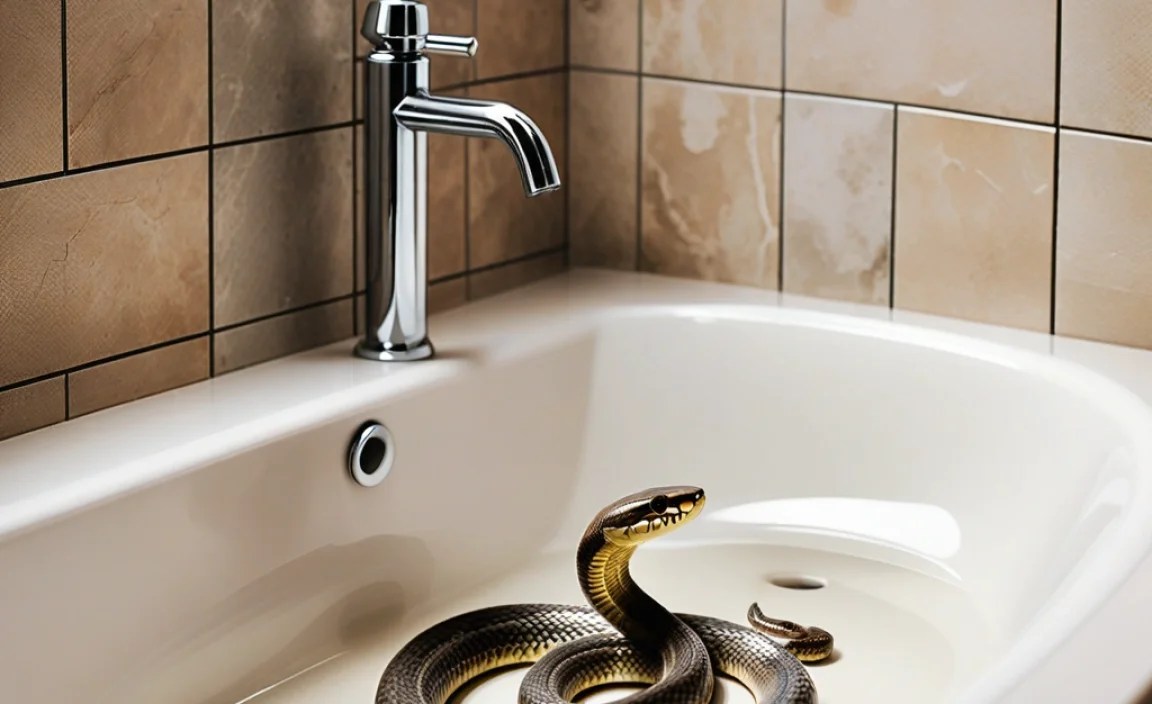
Clearing a clogged bathroom drain can feel tricky, but it’s simpler than you think. Learn how to safely use a drain snake. First, remove the stopper and insert the snake into the drain. Twist it gently to break up the blockage. Did you know that regular maintenance can help prevent future clogs? By following these steps, you can keep your drain flowing smoothly. Mastering this skill not only saves money but feels rewarding too!
Understanding Bathroom Drain Issues
Common problems that lead to clogs. Signs that indicate it’s time to snake a drain.
Bathroom drains can face many problems. Hair, soap, and toothpaste can cause serious clogs. If water doesn’t go down the drain, it’s a sign you might need to take action. Sudden gurgling sounds or slow-flowing water are also bad news. If your shower is turning into a mini pool party, you know it’s time to act. Remember, nobody wants to swim in a sea of soap suds!
| Common Problems | Signs of Clogs |
|---|---|
| Hair buildup | Water pools in the sink |
| Soap scum | Gurgling sounds |
| Foreign objects | Slow drainage |
Tools Required for Snaking a Bathroom Drain
Essential tools for the task: drain snake types and features. Safety equipment and precautions to consider.
To snake a bathroom drain, having the right tools is key. You’ll need a few essential items. These include:
- Drain Snake: A flexible tool for removing clogs.
- Plunger: Great for clearing minor blockages.
- Gloves: Protect your hands while working.
- Bucket: To catch any dirty water that may spill.
Don’t forget safety! Always wear gloves and goggles. This keeps you safe from germs and messes.
What is the best drain snake to use?
The best drain snakes are usually manual ones or power snakes. They are easier to control and work well for home needs.
With the right tools, you can clear your bathroom drains quickly and safely. Always remember to take precautions. Happy snaking!
Preparing to Snake the Drain
Steps to take before starting the snaking process. How to remove drain covers and access the clog.
Before starting to snake the drain, you should gather your tools. Use gloves to keep your hands clean. Turn off the water supply to avoid spills. Next, remove the drain cover. This may need a screwdriver or simply lifting it off. Once the cover is off, check for any visible blockages. You are now ready to tackle the clog!
What tools do I need to snake a drain?
For snaking a drain, you need:
- Gloves: To keep hands clean.
- Screwdriver: For removing the drain cover.
- Snake tool: To help clear the blockage.
- Bucket: To catch any spills.
Step-by-Step Process to Snake a Bathroom Drain
Detailed instructions for using a manual snake. Tips for using an electric snake safely and effectively.
First, grab your manual snake. It looks like a super long spring. Stick one end into the drain and twist it. Keep pushing gently until you feel a blockage. Once you hit it, crank that handle like you’re reeling in a big fish! For electric snakes, wear gloves and goggles. Turn it on while gently pushing it forward. Remember, safety first! No one wants a surprise shower from a flying snake!
| Manual Snake Tips | Electric Snake Tips |
|---|---|
| Twist the handle to break up clogs. | Wear gloves for protection. |
| Be gentle; don’t force it! | Keep a steady speed to avoid jams. |
Always clean up afterward. A dirty snake is just yucky! And remember, snaking a drain can be fun! Just think of it as your own plumbing adventure!
Post-Snaking Maintenance Tips
How to clean and maintain your drain after snaking. Best practices for preventing future clogs.
After snaking your drain, give it a good clean to keep it happy and flowing! Flush warm water down to wash away leftover gunk. You can also use vinegar and baking soda for a bubbly surprise; it’s like a party for your pipes! To prevent future clogs, watch what goes down your drain. Hair, soap, and food bits can turn your drain party into a disaster. Here are some tips:
| Tip | Description |
|---|---|
| Use a strainer | Catch hair and debris before they get in! |
| Regular maintenance | Take time for regular clean-ups to keep clogs away. |
| Hot water flush | Throw down some hot water weekly to keep it fresh! |
Remember, a clean drain is a happy drain! Treat it well and it will take care of you. Now, is your drain throwing a tantrum again? Time to show it who’s boss!
When to Call a Professional
Indicators that you need expert help. Comparing DIY snaking with professional plumbing services.
Sometimes, the drain just won’t cooperate. If you’ve tried snaking your bathroom drain and nothing has changed, it might be time to call in a professional. Here are some signs to look for:
| Indicators | DIY Attempts | Professional Help |
|---|---|---|
| Multiple clogs | Only fixes one issue | Can tackle systemic problems |
| Pungent odors | Can’t handle the stink | Can find hidden waste |
| Strange noises | No clue what’s lurking | Knows the sound of danger |
| Repeated drain issues | Stuck in an endless loop | Offers lasting solutions |
Remember, snaking can be fun, like fishing with no water! But if your drain seems more like a toxic swamp, it’s best to let a pro handle it. They have the tools and skills to make sure your pipe problems go *flush* down the drain.
Frequently Asked Questions about Snaking Bathroom Drains
Answers to common queries related to snaking techniques. Myths and misconceptions about drain maintenance.
Many people wonder about snaking bathroom drains. Some think it’s too hard, but it’s not rocket science! Usually, it takes less than an hour. If your sink is slow, don’t fret. Snaking can help. Some believe that snaking will break your pipes, but that’s a myth! Pipes are sturdy, and snaking is safe if done right. Here are some common questions:
| Question | Answer |
|---|---|
| How often should I snake my drain? | Snaking is good whenever water flows slowly. |
| Can I use a chemical cleaner first? | It’s better to snake before using chemicals; it works faster! |
So grab that snake and let your drain dance again!
Conclusion
In summary, snaking your bathroom drain is a straightforward process. You gather your materials, insert the snake, and twist to dislodge clogs. Remember to wear gloves to stay clean. If you follow these steps, you can tackle many common blockages. For tougher clogs, consider calling a plumber. Keep learning to handle more home tasks confidently!
FAQs
What Tools Do I Need To Effectively Snake A Bathroom Drain?
To snake a bathroom drain, you need a few tools. First, get a drain snake, which is a long, thin tool to help remove clogs. You also need a pair of gloves to keep your hands clean. A bucket can catch any water that spills out. Lastly, a flashlight helps you see inside the drain better.
How Do I Identify The Cause Of A Blockage In My Bathroom Drain Before Using A Snake?
To find the cause of a blockage in your bathroom drain, first, look for signs. Check if water is slowly draining or not at all. Next, notice if there are any bad smells or gurgling sounds. You can also look in the drain for hair or soap build-up. If you see anything stuck, you might fix it without using a snake.
Are There Specific Techniques For Snaking Different Types Of Bathroom Drains, Like Sinks, Tubs, Or Toilets?
Yes, different drains need different techniques when you snake them. For sinks, you should remove the stopper first. For tubs, you can often use a longer snake to reach the blockage. Toilets need a special snake that can go deep without breaking anything. Make sure you follow the right steps for each type!
What Safety Precautions Should I Take When Snaking A Bathroom Drain?
When you snake a bathroom drain, wear gloves to keep your hands clean. Safety goggles help protect your eyes from splashes. Make sure to unplug any nearby electrical appliances to avoid shocks. Always work in a well-lit area so you can see what you’re doing. Lastly, keep children and pets away while you work.
How Can I Tell If I’Ve Successfully Cleared The Blockage After Snaking The Drain?
You can tell if you’ve cleared the blockage by running water down the drain. If the water flows easily, the blockage is gone. Watch for any slow spots or backups. If everything flows smoothly, you did a great job!
