
Quick Summary: Install caulking DIY with confidence! This guide breaks down sealing gaps and cracks effortlessly. Learn essential tools, prep steps, and professional techniques to achieve a watertight, beautiful finish on your own. Get ready for a perfect, DIY caulk job—easy!
Got gaps? Drafts? Leaky corners? Unwanted moisture creeping in? These are common frustrations that can lead to bigger problems if left unchecked. But don’t worry! Sealing these spaces with caulk is a surprisingly straightforward DIY project that can dramatically improve your home’s comfort, efficiency, and appearance. You don’t need to be a pro to get a neat, professional-looking finish. This guide will walk you through every step, from picking the right caulk to making those edges look factory-perfect. Let’s tackle those gaps together and bring some peace of mind to your home!
Why is Caulking So Important for Your Home?
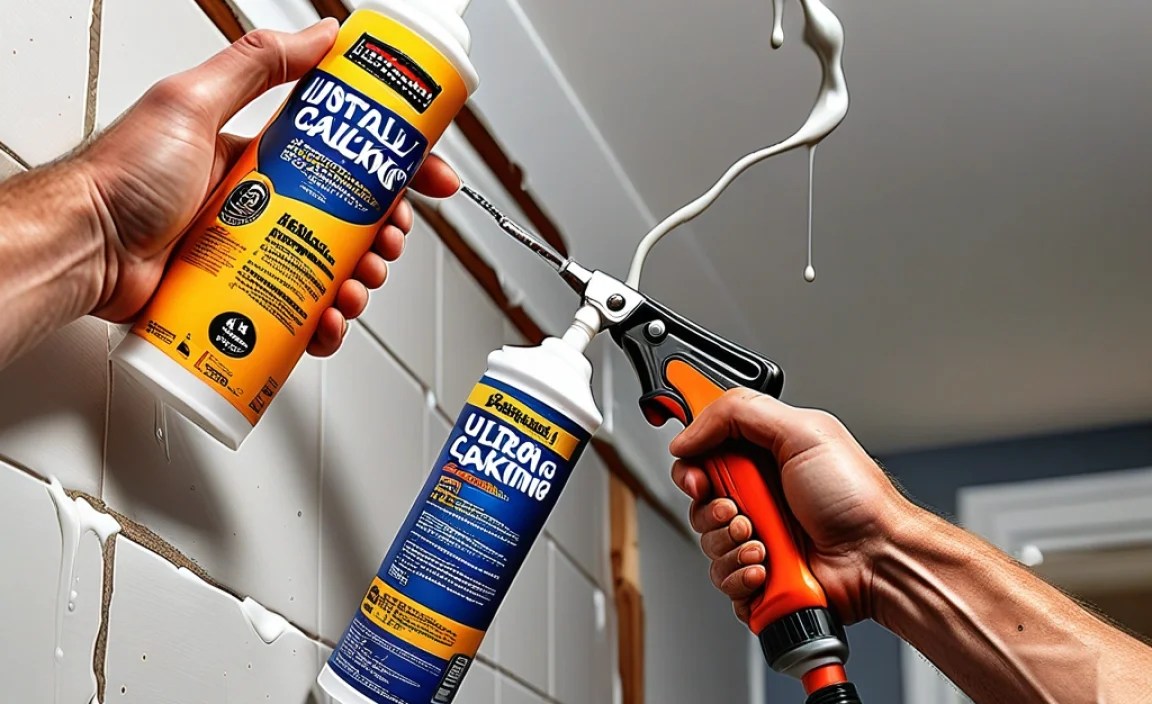

Caulk isn’t just for making things look tidy; it’s a crucial barrier. Think of it as a flexible sealant that fills tiny voids, preventing water, air, and even pests from entering where they shouldn’t. Properly installed caulk can:
- Prevent Water Damage: It stops moisture from seeping into walls, floors, and under sinks, which helps avoid mold, mildew, and structural rot.
- Improve Energy Efficiency: Sealing air leaks around windows, doors, and baseboards keeps conditioned air inside and outside air out, lowering your energy bills.
- Enhance Aesthetics: A clean caulk bead smooths out unsightly gaps, giving built-in cabinets, countertops, and fixtures a polished, finished look.
- Reduce Pests: Small openings are entry points for insects and rodents. Caulk seals these pathways.
Understanding the “why” makes the “how” much more rewarding. You’re not just applying a sealant; you’re actively protecting and improving your home. For more on preventing common home issues, the Federal Trade Commission (FTC) offers a wealth of practical advice.
Gathering Your Caulking Toolkit


Before you start, having the right tools makes all the difference. You don’t need much, and most items are inexpensive and reusable. Here’s what you’ll want to have on hand:
| Tool/Material | Purpose | Why it’s Important |
|---|---|---|
| Caulk Gun | To dispense the caulk evenly. | Essential for control and smooth application. Look for a smooth-rod or dripless model for beginners. |
| Caulk Cartridge | The sealant itself. | Choose the right type for your project (see details below). |
| Utility Knife or Caulk Removal Tool | To cut off old caulk and open new cartridges. | A sharp blade is key for clean removal and preparation. |
| Putty Knife or Scraper | To scrape away loose caulk and debris. | Helps achieve a clean surface for new caulk adhesion. |
| Rubbing Alcohol (Isopropyl Alcohol) or Denatured Alcohol | To clean the surface and for smoothing. | Ensures the caulk adheres properly and helps create a smooth finish. |
| Clean Rags or Paper Towels | For cleanup and smoothing. | You’ll be doing a lot of wiping! |
| Painter’s Tape (Optional, but Recommended) | To create neat, straight lines. | A beginner’s best friend for perfectly straight caulk beads. |
| Caulking Tool Kit (Optional) | Various plastic tools with different shapes for smoothing. | Provides precise finishing options, especially if tape isn’t used everywhere. |
| Bucket of Water | For rinsing tools and smoothing. | Especially useful for latex/acrylic caulks. |
| Gloves (Latex or Nitrile) | To protect your hands. | Keeps your hands clean from caulk and cleaning agents. |
Choosing the Right Caulk: Not All Caulks Are Created Equal
This is a vital step! Using the wrong caulk can lead to premature cracking, separation, or poor adhesion. Here’s a breakdown of common types:
- 100% Silicone Caulk:
- Pros: Extremely durable, waterproof, flexible, and resistant to mold and mildew. Excellent for high-moisture areas like bathrooms and kitchens.
- Cons: Can be difficult to work with, messy to clean up (requires mineral spirits), and cannot be painted over.
- Best For: Bathtubs, showers, sinks, tile grout, windows (exterior).
- Acrylic Latex Caulk (often called “Paintable Caulk”):
- Pros: Easy to apply, easy to clean up with water, and can be painted over once dry. Good for general gaps.
- Cons: Less flexible and durable than silicone; may not hold up as well in constantly wet environments and can shrink slightly over time.
- Best For: Baseboards, trim, around non-wetting areas, and anywhere you plan to paint.
- Siliconized Acrylic Latex Caulk:
- Pros: A good compromise. Offers some of the flexibility and water resistance of silicone, is paintable, and easier to clean up than pure silicone.
- Cons: Not as durable or waterproof as 100% silicone.
- Best For: Kitchens, bathrooms, windows, and trim where some moisture is expected and paintability is desired. This is often a great all-around choice for DIYers.
- Polyurethane Caulk:
- Pros: Very durable, flexible, waterproof, and adheres well to a variety of surfaces. Can be painted. Excellent for exterior use in harsh weather.
- Cons: Can be more difficult to apply and requires mineral spirits for cleanup.
- Best For: Exterior gaps around windows, doors, siding, and anywhere a tough, long-lasting seal is needed.
For most beginner DIY projects around the house, especially indoors, a siliconized acrylic latex caulk is a fantastic starting point. It balances ease of use with good performance and the ability to paint afterward.
Step-by-Step Guide to Installing Caulk Like a Pro

Now that you have your tools and caulk, let’s get to work. This process can be broken down into three main phases: preparation, application, and finishing.
Phase 1: Preparation is Key!
This is arguably the most important phase for a long-lasting, clean caulk job. Don’t rush it!
-
Remove Old Caulk:
If there’s existing caulk, you must remove it. New caulk won’t stick well to old caulk, leading to peeling and failure. Use a utility knife, putty knife, or a dedicated caulk removal tool to carefully cut along the edges of the old caulk. Then, gently pull or scrape it away. For stubborn bits, a scraper can be a lifesaver. The goal is to get down to the bare surface.
-
Clean the Area Thoroughly:
Once the old caulk is gone, the area needs to be spotless. Dust, dirt, soap residue, grease, and old caulk fragments will all prevent new caulk from adhering properly. Wipe down the area with a damp cloth, then follow up with rubbing alcohol or denatured alcohol on a clean rag. The alcohol evaporates quickly and leaves no residue, ensuring a clean surface for the caulk to grip.
-
Ensure Surfaces Are Dry:
Caulk needs a dry surface to adhere to and cure properly. After cleaning, let the area air dry completely. If you’re caulking a bathroom or kitchen area, this might take an hour or more depending on humidity. You can speed it up with a fan or a hairdryer on a cool setting.
-
Apply Painter’s Tape (Optional but Recommended for Beginners):
For perfectly straight lines, masking tape is your best friend. Decide how wide you want your caulk bead to be. Apply painter’s tape along both edges of the gap, creating parallel lines. Ensure the tape is pressed down firmly to prevent caulk from seeping underneath. The gap between the two tape lines is where your caulk will go. This method is very forgiving and makes achieving a professional look much easier for beginners.
Tip: Apply painter’s tape with even spacing to create a guide for a clean caulk line.
Phase 2: Applying the Caulk
This is where you’ll actually use the caulk gun. Take your time and aim for an even, consistent bead.
-
Prepare the Caulk Cartridge:
Using a utility knife, carefully cut the tip of the caulk cartridge at a 45-degree angle. Start with a small opening—about 1/8 inch. You can always cut it larger if needed, but you can’t make it smaller! Most caulk guns have a nozzle-cutting tool, or you can use your utility knife. You’ll then puncture the inner seal of the cartridge by inserting a long nail or wire through the nozzle tip; many caulk guns have a built-in rod for this. This is crucial to allow the caulk to flow.
-
Load the Caulk Gun:
Pull back the plunger on the caulk gun. Insert the cartridge, nozzle-first. Push the plunger back until it grips the cartridge’s back end. Release any pressure on the trigger mechanism to prevent caulk from oozing out when you’re not actively squeezing.
-
Test Your Caulk Bead:
Before applying to your project, squeeze the trigger gently while holding the gun over a piece of scrap cardboard or newspaper. Get a feel for the pressure needed to dispense the caulk. Adjust your angle and speed to achieve a consistent bead. If the caulk is too thick, you can cut the nozzle tip a bit larger.
-
Apply the Caulk Bead:
Place the tip of the caulk cartridge at the beginning of the gap you want to fill. Hold the caulk gun at roughly a 45-degree angle to the surface. Apply steady, even pressure to the trigger. Move the gun smoothly and consistently along the gap, keeping the tip in contact with the surface. Aim to lay down a continuous bead. Don’t apply too much caulk; it’s better to fill a little and then add more if needed than to have a huge mess.
- For Vertical Lines: Start at the top and move downwards.
- For Horizontal Lines: Start at one end and move to the other.
- For Corners: Work around the corner, then come back to fill the corner seam if needed.
If you need to stop, release the trigger and press the small lever on the caulk gun to release pressure from the plunger, which prevents oozing.
Phase 3: Finishing and Cleanup
This is where you turn a good caulk bead into a great one!
-
Smooth the Caulk Bead:
Immediately after applying a section of caulk (don’t do too long a section at once, as latex-based caulks start to skin over quickly), you need to smooth it. This pushes the caulk into the gap and creates a clean, finished look.
- Using Your Finger (with a wet glove or damp finger): Dip your gloved finger (or bare finger if you’re comfortable) in a bucket of water. Gently run your finger along the caulk bead, applying light pressure. Wipe off excess caulk from your finger onto a damp rag periodically. This works best for latex/acrylic caulks. For silicone, you’ll need a damp rag with a bit of alcohol or a dedicated smoothing tool.
- Using a Caulking Tool: If you have a caulking tool kit, select the profile that matches your desired bead. Press it firmly into the caulk bead and drag it along the entire length. Wipe the tool clean on a rag after each pass. This method offers excellent control.
- Using a Wet Rag: A damp (not dripping wet) rag can also be used by gently folding it and running it along the bead.
The goal is to create a slight concave or flat surface that is flush with the surrounding surfaces. Don’t press too hard, or you’ll pull caulk out from the gap.
-
Remove Painter’s Tape (If Used):
If you used painter’s tape, remove it immediately after smoothing the caulk, while the caulk is still wet. Pull the tape away slowly and at an angle away from the fresh caulk bead. If you wait until the caulk dries, it can pull the caulk bead with it, ruining your clean line. This step, done correctly, leaves you with super-sharp edges.
-
Clean Up Excess Caulk:
Wipe away any smudges or excess caulk from the surrounding surfaces immediately with a damp rag. For latex caulks, water is usually sufficient. For silicone caulks, you’ll need mineral spirits or rubbing alcohol on a rag. Be careful not to smudge your fresh caulk bead.
-
Allow Caulk to Cure:
This is non-negotiable! Check the caulk’s packaging for specific curing times. Latex-based caulks typically cure in a few hours, while silicone and polyurethane caulks can take 24 hours or longer, especially in thicker beads or humid conditions. Avoid getting the caulked area wet or painting over it until it’s fully cured. For safety guidance on handling materials and ventilation, sites like the Occupational Safety and Health Administration (OSHA) offer valuable resources.
Table: Caulk Curing and Painting Times (General Guidelines)

Always check the specific product packaging as times can vary significantly!
| Caulk Type | Tack-Free Time (Approx.) | Paintable Time (Approx.) | Full Cure Time (Approx.) | Cleanup Method |
|---|---|---|---|---|
| Acrylic Latex | 15-30 minutes | 1-2 hours | 12-24 hours | Water & Soap |
| Siliconized Acrylic Latex | 20-40 minutes | 2-4 hours | 12-24 hours | Water & Soap (while wet), Mineral Spirits (once dried) |
| 100% Silicone | 30-60 minutes | Never (Not Paintable) | 24-48 hours | Mineral Spirits or Rubbing Alcohol |
| Polyurethane | 30-60 minutes | 4-8 hours | 24-72 hours | Mineral Spirits |
Common Caulking Challenges and How to Solve Them
Even with careful application, you might encounter a few snags. Here’s how to handle them:
-
Gaps are Too Large:
Caulk is designed for small gaps (typically up to 1/2 inch). If a gap is wider, caulk might sag or crack. For larger gaps, you might need to use a backer rod (a foam rope inserted into the gap to limit caulk depth) before applying caulk, or consider a different repair material. <a href=”https://www.thisoldhouse.com/tools/21033277/how-to-use-backer-rod”
