
Quick Summary: Installing an exhaust fan is a smart and essential DIY project. It greatly improves air quality by removing moisture and odors, preventing mold and damage in bathrooms and kitchens. This guide provides simple, step-by-step instructions for a successful installation.
Hey there, DIYers! Bryan Lee here. Ever notice that lingering dampness in your bathroom after a shower, or the persistent smell of cooking after a meal? That’s where a properly installed exhaust fan swoops in to save the day! It’s a genius little gadget that plays a huge role in keeping your home healthy and fresh. Many people find the idea of installing one a bit daunting, thinking it’s a job for the pros.
But guess what? With the right know-how and a bit of patience, you can absolutely tackle this yourself. We’re going to break down the installation of an exhaust fan into easy-to-follow steps that will make you feel like a seasoned pro. Get ready to breathe easier and protect your home – let’s get started!
Why is Installing an Exhaust Fan So Genius and Essential?

An exhaust fan is more than just a whirring contraption in your ceiling; it’s a silent guardian of your home’s interior environment. Its primary job is to pull out stale, moist, or odor-filled air and vent it outside. This simple act has profound benefits:
- Moisture Control: Bathrooms and kitchens are prime spots for humidity. Showers, baths, and cooking all release a significant amount of water vapor into the air. Without proper ventilation, this moisture can condense on walls, ceilings, and in hidden spaces. Over time, this leads to the dreaded trio: mold, mildew, and peeling paint. An exhaust fan actively combats this, keeping moisture levels in check.
- Odor Elimination: From lingering cooking smells to… well, other less pleasant bathroom aromas, exhaust fans are fantastic at whisking away unwanted odors, leaving your living spaces smelling fresh and clean.
- Improved Air Quality: Beyond just moisture and smells, exhaust fans can help remove airborne pollutants like dust, grease particles from cooking, and even volatile organic compounds (VOCs) released from cleaning products. This contributes to a healthier indoor environment.
- Preventing Structural Damage: Persistent moisture is a silent enemy of your home’s structure. It can weaken wood, damage drywall, and contribute to rot. By efficiently removing this moisture, an exhaust fan helps protect the integrity of your home.
- Energy Efficiency: While it might seem counterintuitive, a well-functioning exhaust fan can contribute to overall energy efficiency. By removing humid air, it reduces the load on your air conditioning system in warmer months, as humid air feels warmer and makes ACs work harder.
The National Fire Protection Association (NFPA) even recommends proper ventilation in kitchens and bathrooms as part of home safety. A simple exhaust fan installation is a surprisingly effective way to ensure these critical areas remain safe, healthy, and comfortable. It’s a DIY project that offers a big return on investment for your home’s well-being.
Choosing the Right Exhaust Fan for Your Needs

Before you start unscrewing and wiring, let’s talk about picking the right fan. It’s not a one-size-fits-all situation! Consider these factors:
1. Airflow (CFM)
This is measured in Cubic Feet per Minute (CFM). It tells you how much air the fan can move. For bathrooms, a good rule of thumb is to have at least 1 CFM for every square foot of bathroom space. For kitchens, you’ll typically need a higher CFM due to more potential airborne grease and cooking odors. Check the U.S. Department of Energy’s guidelines for more detailed information on home ventilation systems.
2. Sound Level (Sones)
Fans produce noise, measured in “sones.” Lower sone ratings mean quieter operation. A rating of 1-2 sones is very quiet, while 3-4 sones might be noticeable. If your fan is going in a bedroom adjacent bathroom or you just prefer peace, aim for a lower sone rating.
3. Features
Modern exhaust fans come with all sorts of bells and whistles:
- Built-in Lights: Combines ventilation with lighting.
- Heaters: Great for chilly bathrooms.
- Humidity Sensors: Automatically turns on when humidity rises.
- Motion Sensors: Activates when someone enters the room.
- Ductless Options: These recirculate air through filters instead of venting outside, suitable for situations where external venting is impossible (though not as effective as ducted fans for moisture removal).
4. Ducting Requirements
Most effective exhaust fans are ducted, meaning they push air through a duct to the outside. Ensure the fan you choose is compatible with the duct size you have or can install (usually 4-inch or 6-inch diameter). You’ll also need to consider where the duct will run.
Pro Tip: Always check the fan’s packaging or manual for its specific CFM rating and recommended room size. It’s better to have a slightly more powerful fan than one that’s too weak.
Tools and Materials You’ll Need

Gathering your tools before you start makes the job go much smoother. Don’t worry if you don’t have everything; many can be borrowed or are relatively inexpensive to pick up.
Essential Tools:
- Safety Glasses
- Work Gloves
- Measuring Tape
- Pencil
- Utility Knife
- Drywall Saw or Reciprocating Saw
- Screwdrivers (Phillips and Flathead)
- Wire Strippers/Cutters
- Voltage Tester (Non-Contact)
- Drill with Assorted Drill Bits
- Stud Finder
- Ladder
- Caulking Gun
- Duct Tape (HVAC-grade)
- Optional: Fish Tape (for pulling wires through walls/attics)
Materials:
- Exhaust Fan Unit (including motor, housing, grille)
- Ducting Material (flexible or rigid aluminum ducting)
- Duct Clamps or Straps
- Roof or Wall Vent Cap (if not already present)
- Electrical Wire (appropriate gauge for your circuit, typically 14-2 NM-B wire)
- Wire Nuts
- Electrical Box (if replacing an old fixture or installing a new one)
- Screws and Fasteners
- Caulk or Sealant
- Optional: Framing lumber (if needed to create a support for the fan housing)
A quick visit to a local hardware store or a reputable online supplier like Home Depot or Lowe’s website will help you find these items. Remember to consult your local building codes for any specific requirements on electrical work and venting.
Step-by-Step Installation Guide
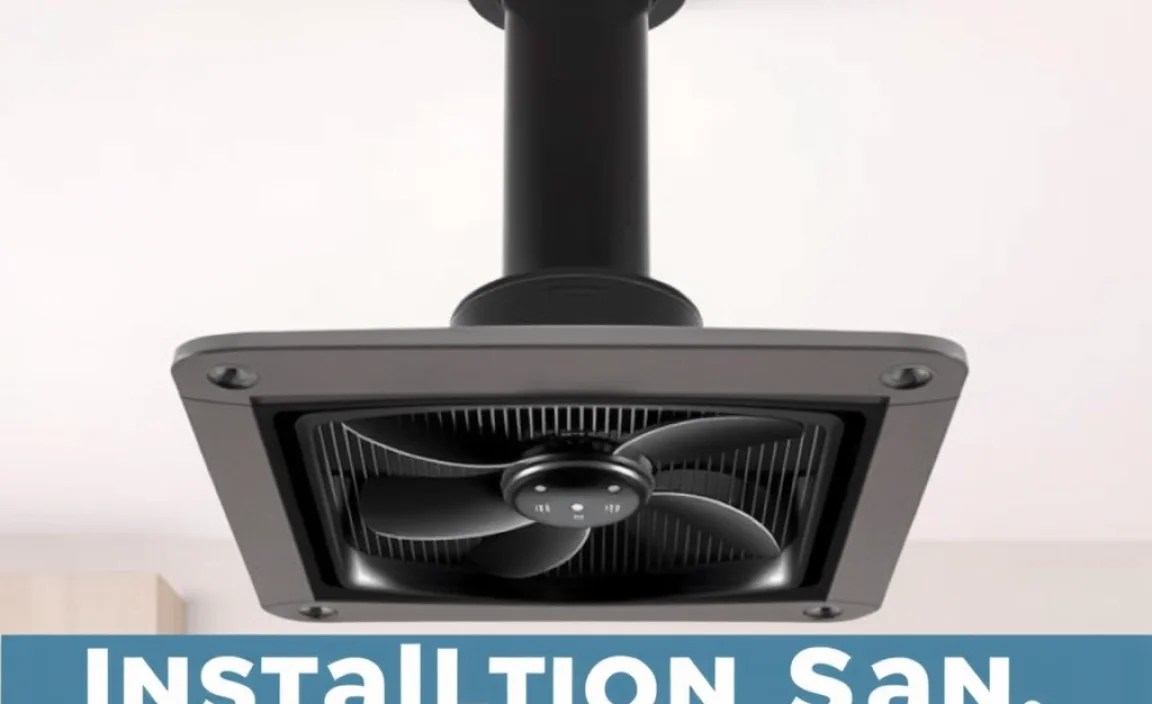
This guide assumes you are replacing an existing fan or installing one where basic electrical wiring and attic/ceiling access are available. If you’re starting from scratch or have no attic access, the process will be more involved, and you might consider professional help.
Step 1: Safety First – Turn Off Power!
This is the most critical step. Locate the circuit breaker that controls the bathroom or kitchen where you’ll be working. Flip it to the “OFF” position. To be absolutely sure, use your non-contact voltage tester on the existing fan wires (if applicable) or in the junction box where the new fan will connect to confirm there is no power. If you’re unsure about your home’s electrical system, it’s always best to consult a qualified electrician.
Step 2: Remove the Old Fan (If Applicable)
Carefully remove the grille from the old fan. It’s usually held by clips or screws. Then, remove the fan housing screws. Gently pull the fan housing down. If it’s wired, you’ll see electrical connections. Unscrew the wire nuts and disconnect the wires. Make a note of how it was connected. Once disconnected, detach the fan housing from the ceiling joists or mounting bracket.
Step 3: Prepare the Ceiling Opening
If you’re installing a new fan or the old opening is too small, you’ll need to cut a new hole. Your new fan housing will likely come with a template for the cutout. Position the template at the desired location (often between ceiling joists, identified using a stud finder). Trace the outline. Use a drywall saw to carefully cut along the traced line. Be mindful of any wires, pipes, or insulation within the ceiling cavity.
Step 4: Install the New Fan Housing
Most new exhaust fans come with a housing that needs to be secured in the ceiling joists. Slide the housing into the prepared opening. Many housings have adjustable brackets or tabs that allow you to secure them firmly to the joists from below or above (if you have attic access). Ensure it’s level and snug against the ceiling.
Step 5: Run the Ducting
Connect your ducting material to the exhaust port on the fan housing. Use HVAC-grade duct tape to create a secure seal. Next, run the ducting from the fan housing to the exterior vent location (your roof or an exterior wall). If you have attic access, this is much easier. Secure the ducting in place, ensuring there are no sharp kinks or bends that could impede airflow. Use duct straps or clamps to support the ducting.
For exterior venting, carefully cut a hole through the exterior wall or roof where your vent cap will be installed. Make sure this location will effectively vent moisture and odors away from windows, doors, and air intakes. Seal the connection between the duct and the vent cap with duct tape and caulk from the exterior to prevent leaks.
You can find excellent resources on proper ducting techniques from organizations like the U.S. Environmental Protection Agency (EPA) regarding indoor air quality, which emphasizes the importance of good ventilation.
Step 6: Electrical Wiring
This is where carefulness is paramount. Run the electrical cable from your power source (usually a switch or junction box) to the fan housing, following safe wiring practices. Consult your local electrical codes; often, you’ll need to connect to the lighting circuit or a dedicated circuit.
Using your wire strippers, strip about 1/2 inch of insulation from the ends of the black (hot), white (neutral), and green or bare (ground) wires from both the power source and the fan.
Connect the wires using wire nuts:
- Black wire from power source to black wire on fan.
- White wire from power source to white wire on fan.
- Ground wire (green or bare) from power source to ground wire on fan.
Ensure all connections are tight and secure. Tuck all wires neatly into the electrical box or the fan housing’s designated wiring compartment.
Step 7: Attach the Grille and Finish
Once everything is wired up and secured, it’s time for the finishing touches. Screw the fan grille into place – it’s usually very straightforward. Make sure it’s centered and flush with the ceiling. Turn the power back on at the breaker and test the fan. Ensure it’s running smoothly and venting air effectively. You might hear the initial startup hum, but it should quickly stabilize.
Maintaining Your Exhaust Fan

An exhaust fan is a low-maintenance appliance, but a little care goes a long way to ensure it runs efficiently for years.
Cleaning the Grille
The grille can accumulate dust and lint. Periodically (every 3-6 months, or more often if you notice dust buildup), detach the grille and wash it with warm, soapy water. Let it dry completely before reattaching.
Checking the Ductwork
Ensure the ducting is still securely attached and hasn’t become dislodged. Check for any signs of tears or leaks. If you can safely access your exterior vent cap, ensure it’s not blocked by debris or animal nests.
Motor Lubrication (Rarely Needed)
Most modern exhaust fans have sealed motors that do not require lubrication. If your fan is older and makes a squeaking noise, consult the manufacturer’s manual. If it specifies lubrication, use only the recommended lubricant and method.
Regular maintenance ensures your fan operates at peak performance, quietly and efficiently. It’s a small effort for a significant benefit to your home’s health.
Troubleshooting Common Issues
Even with careful installation, you might encounter a hiccup. Here are a few common issues and how to address them:
| Problem | Possible Cause | Solution |
|---|---|---|
| Fan runs, but no air movement | Ducting is kinked, crushed, or disconnected. | Check ducting for obstructions or disconnections. Straighten kinks. |
| Exterior vent cap is blocked. | Clear any obstructions from the exterior vent. | |
| Fan is making unusual noise | Loose grille or fan housing. | Tighten screws for grille and housing. |
| Debris in the fan blades or motor. | Turn off power and carefully clean fan blades and motor area. | |
| Fan not turning on | No power to the fan. | Check circuit breaker and verify power at the connection point with a voltage tester. |
| Faulty switch or wiring connection. | Inspect switch and wire nuts for looseness or damage. | |
| Fan is vibrating excessively | Improperly secured housing or unbalanced fan blades. | Ensure housing is securely mounted. Clean blades; if vibration persists, the fan motor might be failing. |
| Moisture still present or smells linger | Fan is undersized for the room (low CFM). | Consider upgrading to a higher CFM fan. |
| Ducting is too long or has too many bends. | Optimize duct run for better airflow. |
Remember, if you’re ever uncomfortable or unsure about troubleshooting electrical issues, don’t hesitate to call a qualified electrician.
Conclusion
So there you have it! Installing an exhaust fan is a highly achievable DIY project that truly earns its title as “genius and essential.” By thoughtfully selecting your fan, safely preparing your workspace, and following these step-by-step instructions, you’ll significantly improve your home’s air quality, protect it from moisture damage, and create a fresher, more comfortable living environment. Remember, safety is paramount, so always turn off the power before starting any electrical work, and don’t hesitate to consult professional resources or experts if you encounter any doubts. You’ve got this!
Frequently Asked Questions (FAQ)
Q1: How long does it take to install an exhaust fan?
A: For a beginner, with all tools and materials ready, it can take anywhere from 2 to 4 hours. If replacing an existing fan with a very similar model, it might take as little as an hour or two. Running new ducting and electrical wiring can add significant time.
Q2: Can I install an exhaust fan without attic access?
A: Yes, it’s possible, but more challenging. You’ll typically need to cut a hole for the fan housing and then navigate the ducting through wall cavities to an exterior vent. This often requires more precision and can be trickier than working from above.
Q3: Do exhaust fans need to vent outside?
A: For optimal performance, especially in removing moisture and preventing mold, exhaust fans absolutely should vent outside. Ductless fans recirculate air through filters and are less effective for significant moisture removal.
Q4: What gauge wire should I use for an exhaust fan?
A: For most standard exhaust fans on a 15-amp circuit, 14-gauge wire (often labeled 14-2 NM-B) is appropriate. Always check the fan’s manual and local electrical codes for specific requirements.
Q5: Can I connect an exhaust fan to my light switch?
A: Yes, you can. Many people connect them so the fan and light operate on the same switch. However, for greater control, you might want to install a separate switch for the fan, allowing you to ventilate the room even when the light is off.
Q6: How do I determine the correct CFM for my bathroom?
A: A general guideline is 1 CFM per square foot of bathroom area. For bathrooms larger than 100 square feet or with high ceilings, you may need a higher CFM. You can also calculate it based on the room’s volume (Length x Width x Height) and a recommended air change per hour (ACH) rate, often found in fan specifications or building codes.
