
Quick Summary: Installing tiles in plumbing areas is about more than just looks; it’s crucial for protecting surfaces from moisture and wear. This guide breaks down the essential steps, from surface preparation to grout sealing, ensuring a durable and waterproof tile installation for your plumbing needs, even for beginners.
Dealing with bathrooms, kitchens, or laundry rooms means facing surfaces that get constantly wet or splashed. This is where tiles step in, acting as a strong, waterproof shield for your walls and floors around plumbing fixtures. But placing these tiles correctly is key to preventing water damage and ensuring they look great for years. If you thought tiling was too tricky, think again! This guide is designed to make the installation of tiles in plumbing areas simple and stress-free for anyone. We’ll walk you through everything you need to know, step-by-step, so you can tackle this project with confidence.
Let’s get started on transforming those splash-prone areas into something beautiful and protected!
Why Tiling Around Plumbing is So Important

Plumbing areas, like your shower walls, sink backsplashes, or floors around toilets, are constantly exposed to water and moisture. Without proper protection, these surfaces can quickly develop problems. Water can seep into drywall, causing mold, mildew, and structural damage. That’s where tile installation becomes not just a design choice, but an essential protective measure.
Tiles are inherently water-resistant, creating a barrier that keeps moisture away from the underlying structures. This not only helps maintain the integrity of your home but also contributes to a healthier environment by preventing the growth of mold and mildew. A well-tiled plumbing area is a durable, hygienic, and visually appealing space.
Understanding the Basics: What You’ll Need

Before you even think about laying tile, it’s important to gather the right tools and materials. Having everything ready beforehand makes the process much smoother. Think of it like prepping your ingredients before cooking – it saves a lot of hassle later!
Essential Tools for Tile Installation
Tiling requires a specific set of tools to ensure a clean, accurate, and durable finish. Here’s a list of what you’ll likely need for your project:
- Tape Measure: For accurate measurements of your space and tiles.
- Pencil: To mark cutting lines and layout.
- Level (2ft or 4ft): To ensure your tiles are straight and even.
- Trowel (Notched): To spread the adhesive evenly onto the surface. The notch size depends on your tile size.
- Tile Nippers or Wet Saw: For cutting tiles to fit around pipes and edges. A wet saw provides cleaner cuts for intricate shapes.
- Grout Float: To apply grout into the spaces between tiles.
- Sponge: For cleaning excess grout and adhesive.
- Buckets: For mixing adhesive and grout, and for water.
- Utility Knife: For opening bags of materials and trimming excess.
- Safety Glasses: Always protect your eyes, especially when cutting tiles.
- Gloves: To protect your hands from adhesive and grout.
- Drop Cloths or Plastic Sheeting: To protect your floors and surrounding areas from dust and spills.
Key Materials for Your Project
The materials you choose will significantly impact the durability and look of your tiled area. Selecting the right ones is as important as using the right tools.
- Tiles: This is the star of the show! Ceramic and porcelain tiles are excellent choices for plumbing areas due to their water resistance and durability.
- Tile Adhesive (Mortar or Thin-set): This is what sticks the tiles to the wall or floor. The type you need depends on the tile and surface. Thin-set mortar is generally recommended for wet areas like bathrooms.
- Grout: This fills the gaps between tiles after they are set. Choose grout that is suitable for wet areas (e.g., sanded grout for wider joints, unsanded for narrow ones, or epoxy grout for maximum water resistance).
- Waterproofing Membrane (Recommended for wet areas): Especially for shower floors and walls, a waterproofing membrane applied underneath the tile is crucial for long-term protection. Look for products from reputable brands like Schluter-Systems or RedGard, which offer excellent solutions for waterproofing. Learn more about waterproofing membranes from Schluter-Systems.
- Sealer (for Grout and some tiles): Many grouts and some natural stone tiles need sealing to make them more resistant to stains and moisture.
- Spacers: These little tools ensure consistent gaps between your tiles for even grout lines.
Step-by-Step: Installation of Tiles in Plumbing Areas

Now that you have your tools and materials, let’s get down to the actual installation. This process requires patience and attention to detail, but by following these steps, you’ll achieve a professional-looking result.
Step 1: Prepare the Surface
This is arguably the most critical step. A well-prepared surface ensures your tiles adhere properly and last longer. Any imperfections can lead to loose tiles or water seeping underneath.
- Clean the Surface: Ensure the wall or floor is free from dust, grease, old adhesive, or paint. Use a stiff brush and a mild detergent, then rinse thoroughly and let it dry completely.
- Repair Imperfections: Fill any holes or cracks in the drywall or subfloor with spackling paste or appropriate patching compound. Sand smooth once dry.
- Check for Flatness: The surface should be as flat as possible. A level should show no significant gaps when placed against it. High spots can be sanded down, and low spots can be filled with leveling compound.
- Install Backer Board (if necessary): For areas that will be consistently wet, like shower stalls, it’s highly recommended to install cement backer board or a suitable tile backer system over the existing drywall. This provides a stable, water-resistant substrate for your tiles. Follow the manufacturer’s instructions for installation, typically involving screws.
- Apply Waterproofing Membrane (Crucial for wet areas): After the backer board is securely in place, apply a liquid waterproofing membrane (like those from Custom Building Products’ RedGard) according to the manufacturer’s instructions. This creates an essential barrier against moisture. Pay extra attention to seams, corners, and areas around pipes. Allow it to cure fully.
Step 2: Plan Your Layout
A good layout prevents awkward cuts at visible edges and ensures a balanced look.
- Find Your Starting Point: For walls, often starting at a prominent corner or a central point (like behind a sink) works best. For floors, it’s usually best to start from the center of the room or the most visible edge.
- Dry Lay Tiles: Lay out a few rows of tiles on the floor or a large section of the wall without adhesive. This helps you visualize the pattern, spacing, and estimate how many cuts you’ll need.
- Account for Grout Lines: Remember to include the width of your grout lines when planning your layout.
- Mark Your Lines: Use your level and pencil to draw horizontal and vertical reference lines on the wall or floor. These lines will guide your tile placement.
Step 3: Mix and Apply Adhesive
The adhesive is what holds everything together. Proper mixing and application are key to a strong bond.
- Mix Your Adhesive: Follow the manufacturer’s instructions precisely for mixing your thin-set mortar or tile adhesive. Add powder to water, not the other way around, and mix to a smooth, peanut-butter-like consistency. Let it slake (rest) if the instructions require it.
- Apply Adhesive to the Surface: Using the flat side of your trowel, spread a thin, even layer of adhesive onto a small section of the wall or floor. Then, using the notched side of the trowel held at a 45-degree angle, comb the adhesive to create uniform ridges. This ensures good coverage and helps air escape from under the tiles. Work in small areas so the adhesive doesn’t dry out before you set the tiles.
Step 4: Set the Tiles
This is where the visual transformation really begins!
- Place the First Tile: Firmly press the first tile into the adhesive, giving it a slight twist to help it bed in.
- Use Spacers: Place tile spacers at the corners of each tile to maintain consistent grout lines.
- Continue Laying Tiles: Work your way out from your starting point, pressing each tile into the adhesive and ensuring it’s level with its neighbors. Periodically step back to check your lines and overall pattern.
- Cut Tiles for Edges and Fixtures: When you reach edges, corners, or plumbing fixtures (like pipes for a faucet or a toilet flange), you’ll need to cut your tiles. Measure carefully, transfer the measurements to the tile, and use your tile nippers or wet saw. For cuts around pipes, you might need to make a curved cut or a series of straight cuts to create a hole. Make sure these cut edges will be covered by escutcheon plates or trim if possible.
- Clean Excess Adhesive: As you go, use a damp sponge or a utility knife to wipe away any adhesive that squeezes out onto the tile surface or into the grout joints.
Step 5: Let the Adhesive Cure
Patience is essential here. Allowing the adhesive to cure properly ensures a solid foundation for your grout.
- Follow Manufacturer’s Guidelines: Refer to the adhesive manufacturer’s instructions for the recommended curing time, which is typically 24 to 48 hours. Avoid walking on floors or disturbing wall tiles during this period.
- Remove Spacers: Once the adhesive has cured, remove all tile spacers.
Step 6: Grout the Tiles
Grouting fills the gaps, adds strength, and gives your tile installation a finished look.
- Mix the Grout: Mix your grout according to the manufacturer’s instructions. It should have a thick, paste-like consistency, similar to toothpaste.
- Apply Grout: Using a grout float, spread the grout over the tiles, holding the float at an angle to press the grout firmly into the joints. Work in a diagonal motion across the tiles to avoid pulling grout out of the joints.
- Remove Excess Grout: Glide the float across the tiles at a steeper angle (almost perpendicular) to scrape off as much excess grout as possible.
Step 7: Clean Off Grout Haze
This step involves carefully removing the grout residue from the tile faces.
- Initial Cleaning: After about 15-30 minutes, or once the grout has started to set (check manufacturer’s guidelines), use a damp (not wet) sponge to gently wipe the tile surface. Rinse the sponge frequently in a clean bucket of water. Make sure to wipe diagonally across the grout lines to avoid dislodging the grout.
- Second Cleaning: After another 1-2 hours, use a clean, dry cloth or a grout haze remover product if needed to buff away any remaining haze.
Step 8: Seal the Grout and Tiles
Sealing protects your grout and some types of tiles from stains and moisture penetration.
- Allow Grout to Cure: Let the grout cure for the time recommended by the manufacturer (often 48-72 hours, but can be longer).
- Apply Grout Sealer: Use a small brush or applicator to apply a quality grout sealer to all grout lines. Wipe away any excess sealer that gets on the tile surface immediately.
- Seal Tiles (if necessary): If you used natural stone tiles or porous ceramic tiles, they may also need sealing. Follow the tile manufacturer’s recommendations for sealing.
- Cure Sealer: Allow the sealer to dry and cure according to the product instructions.
Choosing the Right Tiles for Plumbing Areas

Not all tiles are created equal, especially when it comes to areas exposed to water. Here’s a look at popular choices:
| Tile Type | Pros for Plumbing Areas | Cons for Plumbing Areas |
|---|---|---|
| Ceramic Tiles | Very affordable, wide variety of styles, easy to cut, water-resistant (especially glazed). | Can chip if impacted, some natural finishes may require sealing. |
| Porcelain Tiles | Extremely durable, very dense and impermeable (great for wet areas), resistant to stains and scratches, suitable for high-traffic areas. | Can be harder to cut than ceramic, generally more expensive. |
| Natural Stone (e.g., Marble, Granite, Travertine) | Luxurious appearance, adds significant value, unique patterns. | Porous and requires regular sealing, can be expensive, some are easily stained or etched by acidic cleaners. |
| Glass Tiles | Stunning aesthetic, reflects light beautifully, very water-resistant. | Can be expensive, requires a perfectly flat surface, can show water spots easily, may be slippery if not textured. |
For most DIYers installing tiles in plumbing areas like bathrooms or kitchens, porcelain and glazed ceramic tiles are excellent, reliable choices. They offer a great balance of performance, durability, and affordability.
Important Considerations for Wet Areas
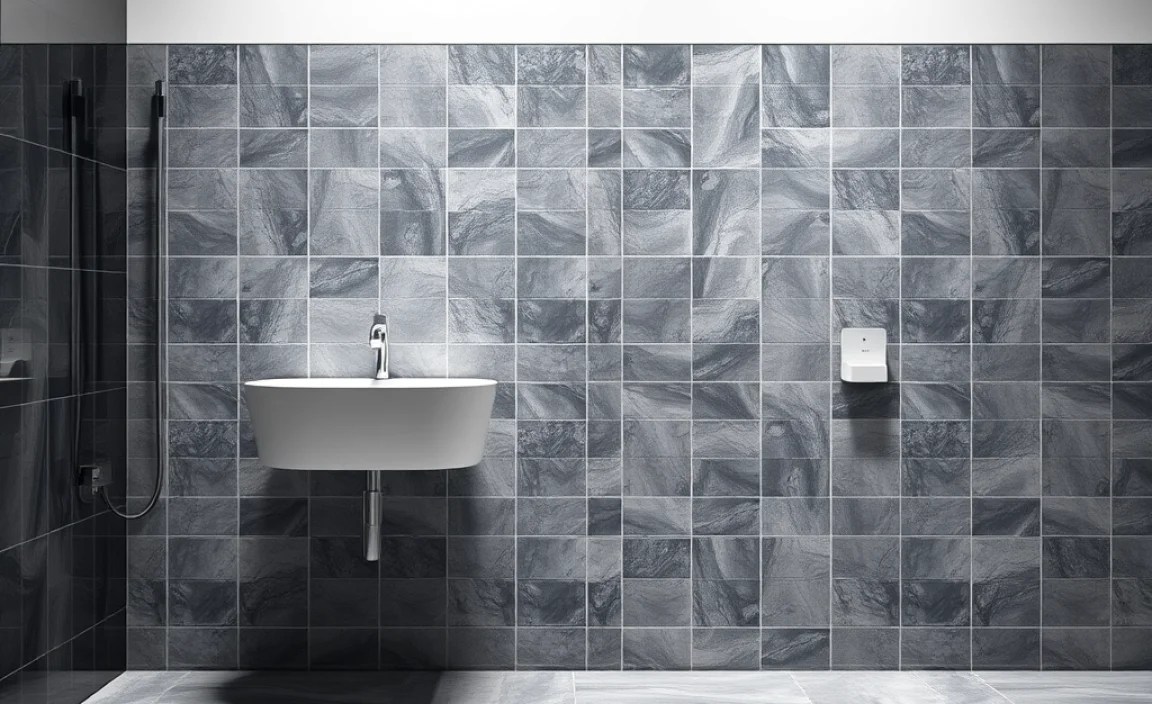
Areas like showers or behind sinks are considered “wet areas” and require special attention during tile and plumbing installation to prevent water damage.
- Waterproofing is Non-Negotiable: As mentioned, a robust waterproofing system is essential. This includes proper backer board installation and the application of a reliable liquid or sheet membrane. This is a key component for the longevity of your bathroom or kitchen. The National Kitchen & Bath Association (NKBA) emphasizes proper waterproofing as a critical step in bathroom construction. Learn best practices for bathroom waterproofing from the NKBA.
- Grout Choice Matters: While standard cementitious grouts can work, consider epoxy grout for extremely wet or high-traffic areas if your budget allows. Epoxy grout is virtually waterproof, stain-proof, and highly durable, making it an excellent choice for shower floors.
- Tile Slip Resistance: For floors, especially in shower areas, choose tiles with a good slip-resistant rating (a higher Coefficient of Friction – COF). Textured tiles or those with a matte finish are generally safer than highly polished ones.
- Edge Protection: Where tiles meet a surface that isn’t tiled (like a countertop edge or an exposed wall edge), use a metal or plastic tile trim profile. This protects the edges of the tiles from chipping and provides a clean, finished look.
Troubleshooting Common Tiling Issues
Even with careful planning, you might encounter a few hiccups. Here’s how to handle them:
- Loose Tiles: If a tile comes loose after curing, you might have had insufficient adhesive, or the adhesive might have dried too quickly. Try to carefully remove the tile, clean off old adhesive from both the tile and the surface, reapply fresh adhesive, and re-set the tile.
- Uneven Grout Lines: This usually happens due to inconsistent tile spacing or an uneven adhesive bed. Using spacers carefully and ensuring a level surface is crucial. Fixing it after the fact can be difficult, but sometimes you can carefully deepen or widen a shallow joint with a utility knife before grouting.
- Grout Cracking: Grout can crack if the joints are too wide for the grout type, if it dried too quickly, or if there was excessive movement in the substrate. Ensure you use the correct grout for the joint size and keep the area moist while it cures.
- Water Seepage: If you notice water getting behind tiles, it’s a sign of a failure in your waterproofing or sealing. This is a serious issue that may require removing tiles in the affected area to inspect and repair the substrate and waterproofing membrane.
Frequently Asked Questions (FAQ)
Q1: How do I cut tiles around pipes and drains?
A1: For pipes, you’ll typically use a wet saw or tile nippers to cut a circle or square hole slightly larger than the pipe diameter. For drains, you might make straight cuts from the edges to the drain opening. Always measure carefully, mark your tile, and make test cuts on scrap pieces first. Ensure cut edges will be covered by escutcheon plates or other fittings.
Q2: What’s the difference between thin-set mortar and mastic?
A2: Thin-set mortar is a cement-based adhesive mixed with water. It’s recommended for wet areas like bathrooms and kitchens because it.
