
Quick Summary: The essential design for the layout of a sink in plumbing prioritizes functionality, accessibility, and proper drainage. This involves considering sink type, cabinet space, faucet placement, drain connections, and local building codes for a safe and efficient setup.
Ever stared at your kitchen or bathroom and wondered if the sink is in just the right spot? You’re not alone! The layout of your sink in plumbing might seem like a small detail, but it plays a huge role in how good your kitchen or bathroom feels and works. When it’s not quite right, things can feel awkward to use, or worse, lead to plumbing headaches down the road. But don’t worry! Understanding the basics of sink layout is simpler than you think. We’ll walk through it step-by-step, so you can feel confident about your home’s plumbing.
Understanding the Basics of Sink Placement

When we talk about the “layout of sink in plumbing,” we’re really talking about how the sink fits into the overall design of your kitchen or bathroom, and how it connects to the water supply and drainage systems. It’s about making sure it’s not just functional, but also comfortable and safe to use. This involves looking at several key factors:
Key Factors in Sink Layout
- Sink Type and Size: What kind of sink are you using? A large double-basin sink needs more space than a small bar sink.
- Cabinet and Countertop Space: The sink needs to fit within the existing or planned cabinets and countertops.
- Faucet and Fixture Placement: Where will the faucets and other fixtures go? This must be convenient and allow for easy use.
- Drainage and Venting: This is crucial plumbing! The sink needs to drain properly and connect to the home’s vent system to prevent clogs and sewer gas issues.
- Clearances: You need enough room in front of the sink to stand comfortably, and enough space around it for easy access and cleaning.
- Accessibility: For some, especially those with mobility issues, sink height and reach are important design considerations.
- Local Building Codes: Compliance with local regulations ensures the plumbing is installed safely and correctly.
Types of Sinks and Their Layout Implications

The type of sink you choose significantly impacts its plumbing layout. Each type has unique installation requirements and considerations for how it integrates with your countertops and cabinets.
Under-mount Sinks
Under-mount sinks are installed beneath the countertop. This provides a sleek, seamless look, as there’s no lip to clean around. However, this type requires a solid countertop material like granite, quartz, or marble for proper support. The plumbing requires careful alignment of the sink’s drain to connect to the P-trap below. The depth of the sink and the cabinet space beneath are critical for the drain assembly and disposal unit (if applicable).
Drop-in or Top-mount Sinks
These are the most common type. The sink rim sits on top of the countertop, making them easy to install and often more budget-friendly. The layout consideration here is ensuring a waterproof seal between the sink rim and the countertop. Plumbing connections are standard, but the bulkier rim might slightly reduce usable cabinet space below.
Farmhouse or Apron-front Sinks
These distinctive sinks have a large, exposed front panel. They are typically installed with custom cabinetry that accommodates their depth and weight. The plumbing layout needs to account for the sink’s projection into the room and ensure adequate clearance for the faucet and handles. Drainage is standard, but the overall footprint is generally larger, requiring more under-counter space.
Wall-mounted Sinks
These sinks are attached directly to the wall, with no cabinet underneath. This offers a minimalist look and makes cleaning the floor beneath easy. The plumbing is typically exposed or hidden behind a decorative shroud. The key layout challenge is ensuring the wall is strong enough to support the sink and its contents, and that the water supply and drain pipes are routed and secured appropriately within the wall. You can learn more about various plumbing fixture types and their rough-in requirements from resources like the International Plumbing Code (IPC), which provides the foundational standards for safe installation.
| Sink Type | Installation Style | Layout Considerations | Ideal For |
|---|---|---|---|
| Under-mount | Beneath countertop | Solid countertop, cabinet space for drain assembly, precise drain alignment. | Modern kitchens, seamless look. |
| Drop-in/Top-mount | On top of countertop | Waterproof seal, standard plumbing, may reduce cabinet space slightly. | Most kitchens and bathrooms, budget-friendly, easy installation. |
| Farmhouse/Apron-front | Exposed front panel (often integrated with cabinet) | Custom cabinetry, sink projection, faucet clearance, larger footprint. | Traditional kitchens, statement pieces. |
| Wall-mounted | Attached directly to wall | Wall support, exposed or hidden plumbing, minimal floor obstacle. | Small bathrooms, modern minimalist designs, easy floor cleaning. |
Strategic Placement for Functionality
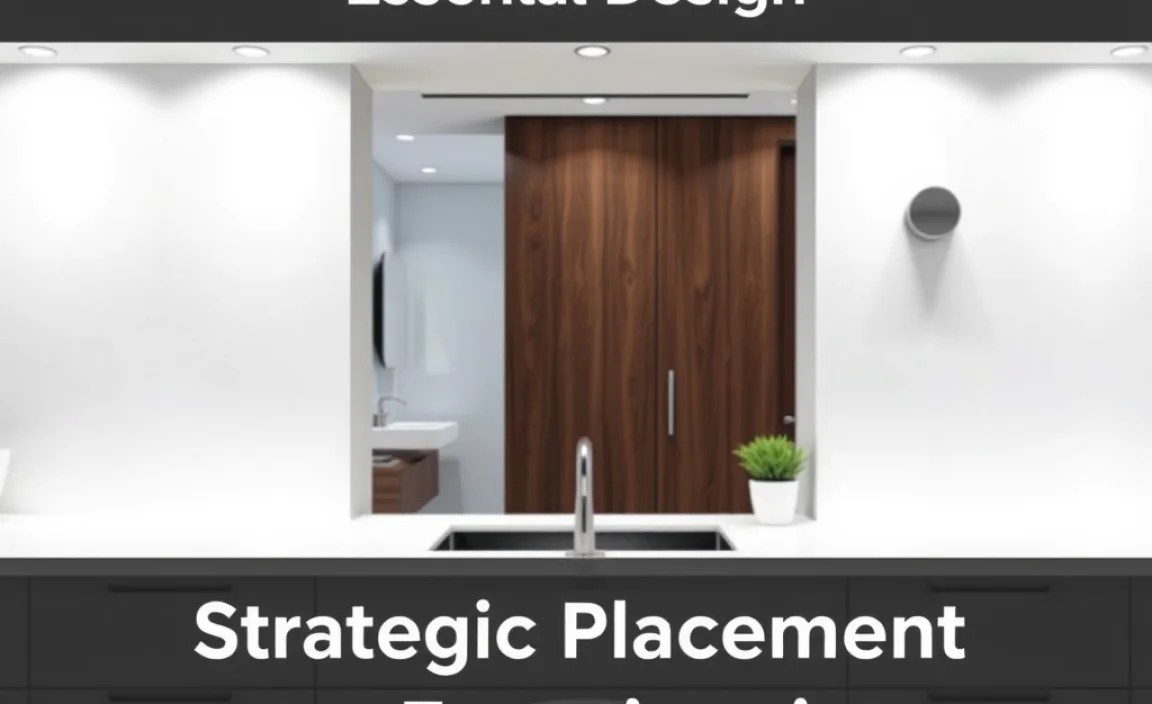
The actual position of your sink within the room is just as important as how it’s installed. Good placement makes daily tasks easier and prevents awkwardness.
Kitchen Sink Placement
In a kitchen, the sink is a centerpiece of activity. Common placements include:
- The Work Triangle: Traditionally, the sink is part of the kitchen’s work triangle, connecting the refrigerator, stove, and sink. This layout optimizes workflow.
- Near the Dishwasher: Locating the sink adjacent to the dishwasher significantly simplifies loading and unloading dirty dishes. Aim for minimal distance to avoid water dripping.
- Prep Space: Ensure there’s adequate counter space on at least one side of the sink for food preparation and washing produce. A minimum of 18–24 inches on one side is often recommended.
- Island Sinks: Sinks placed on kitchen islands require careful consideration for plumbing lines, potential countertop cutouts, and ensuring they don’t obstruct traffic flow. Venting is especially important for island sinks.
- Window View: Many people prefer their kitchen sink to be under a window, offering a pleasant view while washing up. This requires aligning the sink and faucet plumbing with window placement.
Bathroom Sink Placement
In bathrooms, placement focuses on usability and convenience:
- Vanity Units: Most bathroom sinks are integrated into vanities. The layout here involves pairing the sink with appropriate counter space, storage, and faucet configuration.
- Clearances: Ensure enough space for users to stand comfortably in front of the sink. Aim for at least 30 inches of clear space in front of the sink. Houzz provides helpful general guidance on standard clearances for bathroom fixtures.
- Around Toilets: While not directly related to sink layout, ensure sinks aren’t placed too close to toilets, respecting privacy and comfort. Local codes usually specify minimum distances.
- Accessibility: For a more accessible bathroom, a wall-mounted sink or a sink with open space underneath can allow wheelchair users to get closer.
The Plumbing Connections You Need to Know

This is where the magic (and sometimes the mess!) happens. Understanding the basic plumbing connections for your sink is key to a successful DIY project or ensuring your plumber is doing it right.
Water Supply Lines
These are the lines that bring hot and cold water to your faucet. For most sinks, these will connect to shut-off valves located in the cabinet beneath the sink. The supply lines themselves are typically flexible braided metal hoses. Proper connection here requires tightening without overtightening, which can damage the fittings.
Drain and Waste Pipe (The P-Trap)
This is probably the most recognizable part of sink plumbing. The P-trap is the U-shaped section of pipe directly below the sink drain. Its purpose is crucial:
- It holds water: This water creates a seal that prevents sewer gases from coming up through your drain and into your home.
- It catches debris: The trap can also catch small, heavy objects (like rings!) that might otherwise go down the drain and cause a clog further down the line.
The P-trap connects to the tailpiece, which is the pipe coming directly down from the sink strainer. The other end of the trap connects to the main drainpipe, which carries wastewater away from your home.
Venting
Every plumbing fixture, including your sink, needs a vent pipe. This is a critical, often overlooked, part of the plumbing system. Vent pipes allow air into the drainage system. Without proper venting, water can be siphoned out of the P-trap when you flush a toilet or run another fixture, breaking the water seal and allowing sewer gases in. Vents also help wastewater flow smoothly down the pipes. The vent typically connects to the drainpipe above the P-trap at a specific angle to ensure proper air flow.
You can find detailed information on plumbing codes regarding venting and drainage from organizations like the Department of Housing and Urban Dev elopment (HUD), which often references building code standards relevant to residential plumbing.
Overflow Drain
Most sinks have an overflow hole near the top rim. This is a safety feature to prevent the sink from overflowing if the faucet is left on. This hole is usually connected to the main drainpipe, often just below the P-trap, to allow any excess water to escape.
Essential Tools and Materials for Sink Installation
Whether you’re installing a new sink or replacing an old one, having the right tools and materials makes the job smoother and safer. Here’s a checklist to get you started:
Tools You’ll Need
- Adjustable wrenches (various sizes)
- Pipe wrench
- Plumber’s putty or silicone sealant
- Screwdrivers (Phillips and flathead)
- Bucket (to catch water)
- Towels and rags
- Safety glasses
- Gloves
- Tape measure
- Utility knife
- Caulking gun (if using silicone sealant tubes)
- Basin wrench (helpful for tight spaces behind sinks)
Materials You’ll Need
- New sink
- Faucet and handles
- Drain assembly (strainer and tailpiece)
- P-trap kit
- Water supply lines
- Shut-off valves (if existing ones are old or missing)
- Mounting clips (often come with the sink)
- Plumbing code book (for proper reference, especially for venting requirements)
Step-by-Step Guide to Sink Layout and Installation
This guide provides a general overview. Always consult your sink manufacturer’s specific instructions and local building codes. If you’re unsure, it’s best to call a licensed plumber.
Step 1: Prepare the Workspace
- Turn off the water: Locate the main water shut-off valve for your home or the specific shut-off valves under the sink. Turn them off completely.
- Drain the pipes: Open the faucet to release any residual water in the lines and to check that the water is indeed off.
- Clear the area: Remove everything from the cabinet beneath the sink. Place a bucket and towels to catch any spills.
- Disconnect old plumbing (if replacing): Carefully loosen the connections to the old faucet, P-trap, and supply lines. Have your bucket ready for any water that drains out.
Step 2: Install Sink and Faucet
- Prepare countertop: If it’s a new installation, the countertop will need to be cut to match the sink template. Ensure the cutout is smooth.
- Install faucet: Assemble the faucet onto the sink (or countertop, depending on type) according to the manufacturer’s instructions. Hand-tighten fittings first, then use a wrench for a snug fit.
- Apply sealant: For drop-in sinks, apply a bead of plumber’s putty or silicone sealant around the underside of the sink rim contact surface. For under-mount sinks, apply sealant to the underside of the countertop edge where the sink will attach.
- Set the sink: Carefully place the sink into the countertop opening or position it for under-mount installation. Press down firmly to create a seal.
- Secure the sink: For drop-in sinks, attach the mounting clips from underneath. For under-mount sinks, use the provided clips and adhesive or epoxy as recommended by the manufacturer.
Step 3: Connect Drainage
- Install sink strainer: Apply plumber’s putty or silicone around the underside of the strainer body. Insert it into the sink drain hole from above. From below, attach the rubber gasket, washer, and locknut. Tighten the locknut to secure the strainer.
- Assemble the tailpiece and P-trap: Connect the tailpiece (the pipe coming directly from the strainer) to the P-trap. Then, connect the P-trap to the drainpipe in the wall. Ensure all connections are snug but not overly tight. Use plastic nuts and washers provided with the kits.
- Connect overflow (if applicable): If your sink has an overflow, connect its outlet to the drainage system as per the sink manufacturer’s instructions, usually just below.
