
Maintaining your home’s vents DIY is straightforward with this guide. Learn how to clean, inspect, and ensure they function optimally, saving energy and improving air quality. We’ll cover everything from basic dusting to practical tips for keeping your ventilation system running smoothly, empowering you to handle common vent maintenance tasks with confidence and ease.
Are your home’s vents looking a little dusty or forgotten? It’s easy to overlook these crucial components of your home’s air system. But keeping your vents clean and in good working order is super important! It helps your heating and cooling work better, makes your home’s air cleaner, and can even save you money on energy bills. If you’ve ever wondered how to give them some much-needed TLC without calling a pro, you’ve come to the right place. We’re going to walk through how to maintain your vents, step by step. Get ready to breathe easier and feel more confident about your home’s upkeep!
Why Vent Maintenance Matters for Your Home

Think of your vents as the lungs of your home. They are the entry and exit points for the air that keeps you comfortable and healthy. Without regular attention, these pathways can get clogged with dust, debris, and even pests. This can lead to a host of problems, from reduced airflow and uneven temperatures to increased energy consumption and poor indoor air quality. Ignoring them is like holding your breath – eventually, something’s got to give!
Proper vent maintenance isn’t just about aesthetics; it’s about efficiency and health. A well-maintained ventilation system works harder for you. It means your furnace or air conditioner doesn’t have to strain as much to circulate air, leading to lower energy bills. More importantly, it helps filter out dust, allergens, and other particles, creating a healthier living environment for you and your family. For beginners, this is where DIY maintenance shines – simple tasks can make a big difference!
Understanding Your Home’s Vent System

Before we grab our tools, let’s get a basic understanding of what we’re dealing with. Your home likely has several types of vents:
- Supply Vents: These are where the conditioned air (warm or cool) enters your rooms. They typically have adjustable louvers to direct airflow.
- Return Vents: These are larger vents that pull air from your rooms back into your HVAC system to be reconditioned. They often have grilles but no adjustable louvers.
- Exhaust Vents: These are found in areas like bathrooms, kitchens, or laundry rooms to expel moisture, odors, and pollutants directly outside.
- Dryer Vents: Specifically designed to vent hot, moist air and lint from your clothes dryer to the exterior of your home.
Each type plays a vital role in your home’s overall air management. For example, a blocked bathroom exhaust vent can lead to mold growth, while a dirty dryer vent is a significant fire hazard. Understanding these differences helps you know what to look for and how to address each one. The good news is that most common maintenance tasks for these vents are well within the reach of a DIYer.
Essential Tools for Vent Maintenance
You don’t need a whole workshop to maintain your vents. Most of what you’ll need are common household items. Here’s a rundown of helpful tools:
- Vacuum Cleaner with Attachments: A crevice tool and a brush attachment are invaluable for reaching into grilles and ducts.
- Damp Cloths or Sponges: For wiping down surfaces.
- Screwdriver Set: Some vent covers might require a screwdriver for removal.
- Gloves: To keep your hands clean, especially when dealing with dust.
- Mask or Respirator: Highly recommended to avoid inhaling dust and allergens.
- Lint Brush or Dryer Vent Cleaning Brush Kit: Specifically for tackling dryer vent blockages.
- Extension Pole or Long Handle: To reach higher vents.
- Stiff Brush: For scrubbing away stubborn grime.
- Step Ladder: For safely reaching ceiling vents.
Having these tools ready will make the process much smoother and more efficient. Safety first, so consider a mask and gloves as essential for this job.
DIY Vent Cleaning: Step-by-Step Guide
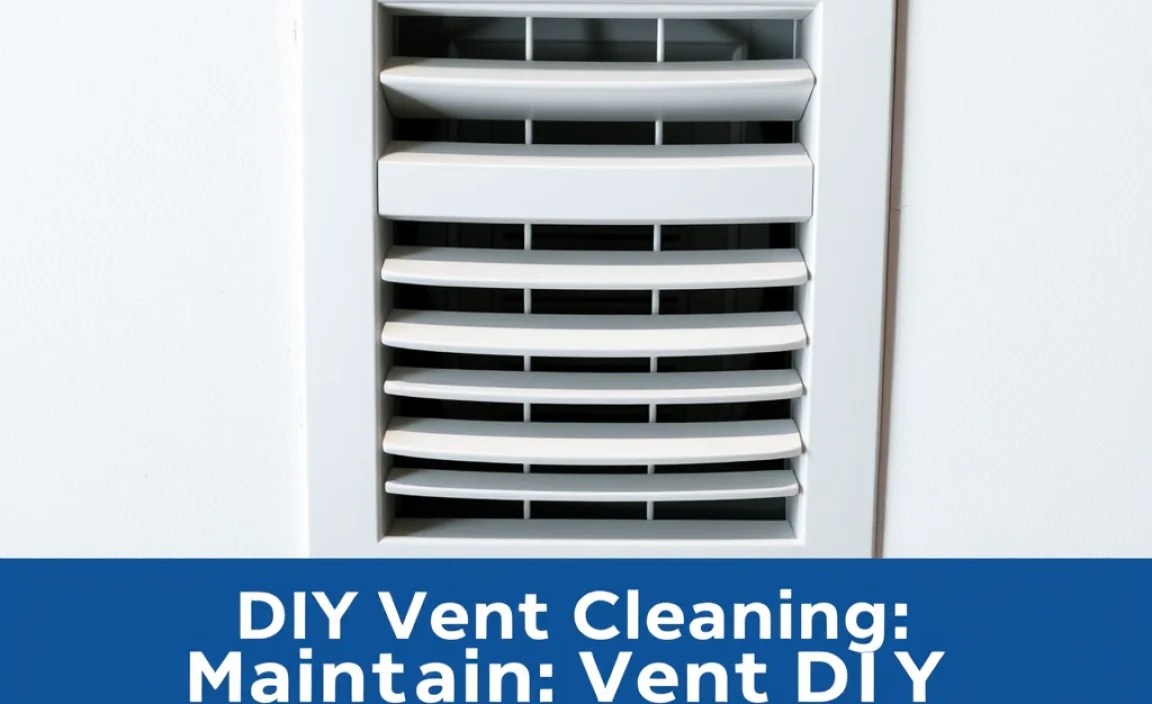
Let’s get down to business! Here’s how to tackle the most common vent maintenance tasks yourself.
Step 1: Safety First and Preparation
Before you start cleaning any vent, it’s crucial to take a moment for safety. Ensure your HVAC system is turned OFF at the thermostat and, if possible, at the breaker box. This prevents the system from suddenly kicking on while you’re working near moving parts or open vents. Put on your dust mask and gloves. Gather all your tools. If you’re working on ceiling vents, make sure your step ladder is stable.
Step 2: Cleaning Supply and Return Vents (Grilles)
These are the vents you see most often in your rooms. They can accumulate a surprising amount of dust that affects airflow.
- Remove the Grille: Most grilles are held in place by screws or clips. Carefully remove them. If they are secured with screws, use the appropriate screwdriver. For clip-style grilles, gently pry them open. Some may simply pull off after releasing tension.
- Vacuum the Grille: Use your vacuum cleaner with the brush attachment to thoroughly clean the front and back of the grille. Get into all the nooks and crannies.
- Clean the Opening: Once the grille is off, you can see into the vent opening. Use the crevice tool of your vacuum to reach as far as you can into the vent box and duct opening to pull out loose dust and debris.
- Wipe Down: Use a damp cloth or sponge to wipe down the grille surfaces and the surrounding wall or floor area. For stubborn dirt, a mild all-purpose cleaner can be used on the grille, but ensure it’s completely dry before reattaching.
- Reattach the Grille: Carefully put the grille back in place and secure it with screws or clips.
Step 3: Cleaning Exhaust Vents
Exhaust vents in bathrooms, kitchens, and laundry rooms are vital for removing moisture and odors. Blockages here can cause serious issues.
- Access the Vent: Many exhaust vents have a cover or fan unit. Gently remove the cover, which is usually held by clips or screws. Be careful not to damage the fan blades if visible.
- Clean the Fan and Cover: Vacuum any dust from the fan blades and motor housing (if accessible and safe). Wipe down the cover thoroughly with a damp cloth.
- Check for Blockages: Look into the vent opening. If you can see lint or debris obstructing the airflow, carefully remove what you can with your fingers or the crevice tool of your vacuum. For deeper blockages, a stiff brush on an extension pole or a specialized vent brush might be necessary to dislodge debris towards the exterior.
- Exterior Vent Check: Walk outside and locate your exhaust vents (they look like flaps or grilles on the exterior wall). Check if the flaps are working freely. Clear away any leaves, nests, or debris that might be blocking them. Many dryer and bathroom vents have a flap that should open when air is pushed through. Ensure these are not stuck shut. A guide from the U.S. Department of Energy offers excellent tips on home energy efficiency, which includes HVAC maintenance.
- Reassemble: Once clean and clear, reattach the vent cover.
Step 4: Cleaning Dryer Vents (Crucial for Fire Safety!)
This is one of the most important DIY maintenance tasks you can perform for safety. Lint buildup in dryer vents is a major cause of house fires.
- Disconnect Power: Unplug your dryer or shut off the gas supply and the electrical breaker.
- Pull Dryer Away: Carefully pull your dryer away from the wall to access the vent connection.
- Detach the Vent Hose: Loosen the clamp holding the flexible vent hose to the dryer and the wall. Gently pull the hose off each connection point.
- Clean the Hose: Take the flexible hose outside or to a trash can. Use a vacuum with a crevice tool to clean out as much lint as possible. If the hose is heavily clogged, a specialized dryer vent cleaning brush kit can be very effective for reaching deeper into the hose.
- Clean Behind the Dryer: Use your vacuum to clean the area behind the dryer where the vent connects to the wall.
- Clean the Wall Outlet: Reach into the wall opening with your vacuum’s crevice tool and a brush to remove lint.
- Clean the Exterior Vent: Go outside and locate the dryer vent exit. Remove and clean the exterior vent cover, clearing out any lint buildup. Ensure the damper or flaps are working freely.
- Reconnect and Secure: Reattach the vent hose to the wall outlet and the dryer. Secure both with the clamps. Ensure the hose isn’t kinked or crushed.
- Restore Power: Plug the dryer back in or turn the power/gas back on.
- Run the Dryer: Run the dryer on an air-only cycle for about 10-15 minutes to help dislodge any remaining lint and check for proper airflow out of the exterior vent.
According to the National Fire Protection Association (NFPA), clothes dryers were involved in an average of 13,820 reported home structure fires per year between 2015-2019, with the leading cause being failure to clean clothes dryers. Regular cleaning is a life-saving measure!
Inspecting Your Vents for Bigger Issues
Beyond simple cleaning, a regular inspection can help you catch potential problems before they become expensive repairs. Here’s what to look for:
What to Inspect:
- Damage: Check for cracks, holes, rust, or loose parts in vent covers, ductwork, and exterior vents. Damaged vents can allow pests in, leak conditioned air, or pose a safety risk.
- Blockages: Ensure no furniture, curtains, or rugs are obstructing supply or return vents. Outside, check that exterior vents aren’t covered by plants, snow, or debris.
- Pest Infestations: Look for signs of nests, droppings, or actual pests within or around your vents.
- Mold or Mildew: Damp areas around vents, especially exhaust vents or in crawl spaces/basements near ducts, could indicate moisture problems that need addressing.
- Airflow: Notice if there’s a significant difference in airflow between vents. Weak airflow from a supply vent after cleaning could indicate a blockage further in the ductwork.
- Strange Noises: Listen for rattling, banging, or whistling sounds when your HVAC system is running. These can point to loose parts or leaks.
When to Call a Professional:
While DIY is great, some issues are best left to the pros:
- Major Ductwork Issues: If you find large holes, collapsed sections, or extensive damage to your main ductwork.
- Persistent Blockages: If you can’t dislodge a blockage with simple tools.
- Suspected Mold Growth: If you see signs of significant mold, especially within the ductwork.
- Pest Infestation: If you have a serious pest problem in your vents.
- Signs of Fire Damage: If you suspect any damage related to past heat or fire within the dryer vent system.
A quick visual check once a season is usually sufficient for most homes.
Vent Cleaning Schedule and Tips
Consistency is key to maintaining your vents. Here’s a suggested schedule:
| Vent Type | Frequency | DIY Task |
|---|---|---|
| Return Vents (Grilles) | Monthly | Vacuuming, dusting |
| Supply Vents (Grilles) | Every 3-6 months | Vacuuming, dusting, wiping covers |
| Bathroom/Kitchen Exhaust Vents | Every 6 months | Cleaning fan and cover, checking exterior vent, clearing light debris |
| Dryer Vents | Every 3-6 months (more often for heavy use or vent length) | Cleaning hose, interior connection, exterior vent, checking for damage |
Extra Tips for Success:
- Use a System: Make vent cleaning part of your regular home cleaning routine, like dusting or vacuuming.
- Check Your Manual: If you have a specific type of vent (e.g., a specialized range hood filter), consult your appliance manual for cleaning instructions.
- Preventative Measures: For return vents, consider using higher-quality air filters in your HVAC system. This can significantly reduce the amount of dust that reaches the vents and circulates through your home. A guide on selecting the right air filter can be found at resources like EPA’s Consumer’s Guide to Particle Filters, which discusses how filters impact IAQ.
- Keep Records: Jot down when you last cleaned certain vents, especially the dryer vent, so you stay on track.
Troubleshooting Common Vent Problems
Even with regular maintenance, you might encounter specific issues. Here are a few common problems and how to approach them:
Weak Airflow from Supply Vents
Possible Causes: Obstructed vent cover, dirty air filter, blocked ductwork, issue with the blower motor, or leaks in the duct system.
DIY Solution:
- Ensure the vent cover isn’t blocked by furniture or drapes.
- Check and replace your HVAC air filter if it’s dirty. This is the most common culprit for reduced airflow.
- Vacuum the vent grille thoroughly. If the problem persists, the blockage might be further inside the ductwork, potentially requiring professional cleaning.
Musty or Unpleasant Odors from Vents
Possible Causes: Dust and mold in ductwork, dead pests, dirty air filter, issues with the HVAC system itself (e.g., condensation drain).
DIY Solution:
- Replace the air filter.
- Clean all accessible vent grilles and ensure exhaust vents are clear and functioning correctly.
- If the smell is persistent and you suspect mold or pests within the ducts, it’s time to call a HVAC professional or a duct cleaning service.
Noisy Vents
Possible Causes: Loose grilles, debris hitting fan blades (exhaust vents), loose ductwork, air leaks causing whistling.
DIY Solution:
- Tighten screws on vent grilles.
- For exhaust fans, carefully check and clean fan blades.
- Listen to identify the source of the noise. If it’s a rattling or banging sound from within walls, it might be loose ductwork that could require professional repair.
- Whistling sounds can sometimes be caused by air escaping through small gaps or if a damper is partially closed. Ensure all vent covers are sealed well to the wall/ceiling.
Exterior Vent Flaps Stuck
Possible Causes: Lint buildup, ice, debris, or a damaged flap mechanism.
DIY Solution:
- Manually check and clear any visible lint or debris.
- In cold weather, condensation can freeze the flap. Sometimes, just applying gentle pressure can release it. If it’s a recurring issue in winter, consider a vent cap with better insulation or a design less prone to freezing.
- If the flap itself is broken or the mechanism is jammed, it will need to be replaced. You can often find replacement vent caps at hardware stores.
Frequently Asked Questions About Maintaining Vents DIY
Q1: How often should I clean my air vents?
A: It’s a good idea to clean the visible grilles of your supply and return vents every 3-6 months. Dryer vents should be cleaned every 3-6 months, and exhaust vents in kitchens and bathrooms at least every 6 months. Keeping your HVAC system’s air filter clean (following manufacturer recommendations) also plays a huge role in keeping vents cleaner.
Q2: Do I really need to turn off the HVAC system before cleaning vents?
A: Absolutely. Turning off your HVAC system, and ideally the breaker, is a critical safety step. It prevents the system.
