
A cistern in plumbing is essentially a water storage tank. It holds a reserve of water, typically for flushing toilets or supplying other fixtures. Understanding its role is key to maintaining your home’s water system smoothly.
Ever wondered about that boxy tank behind your toilet? Or maybe you’ve heard plumbers talk about a “cistern” and felt a little lost. Don’t worry, you’re not alone! Many homeowners are curious about the different parts of their plumbing systems. Today, we’re demystifying the cistern, explaining exactly what it is and why it’s so important for your home’s daily water needs. We’ll break down its function in simple terms, explore common types, and even touch on how it works. By the end of this guide, you’ll feel confident understanding this essential plumbing component!
What Does “Cistern” Mean in Plumbing?

In the world of plumbing, the term “cistern” simply refers to a water storage tank. Think of it as a reservoir that holds a supply of water for a specific purpose. While the word itself might sound a bit technical, its function is straightforward. Cisterns are commonly found in older homes or integrated into modern toilet designs to provide a collected volume of water that can be released quickly when needed. This is most famously seen in the flushing mechanism of a toilet, where the cistern releases a controlled amount of water into the bowl to clear waste.
The primary goal of a cistern is to offer a ready supply of water, independent of immediate mains pressure. This is particularly useful for older drainage systems or for applications where a consistent, immediate surge of water is required, like a toilet flush. Understanding the concept of a cistern is the first step towards appreciating how your plumbing system works efficiently.
The Core Function of a Cistern
At its heart, a cistern’s job is to store water. In a typical household plumbing system, this usually means storing water specifically for:
- Toilet Flushing: This is by far the most common application. The cistern holds water that, when activated by flushing, is released into the toilet bowl to wash away waste.
- Rainwater Harvesting: In some systems, especially in areas with water scarcity or for eco-conscious homes, cisterns are used to collect and store rainwater. This harvested water can then be used for non-potable purposes like watering gardens or flushing toilets.
- Emergency Water Supply: In some larger buildings or specific setups, cisterns can act as a backup water supply during periods when the main water supply might be interrupted.
The key benefit of having a cistern is having a buffer. Instead of directly relying on the continuous flow and pressure from the main water supply (which can vary), the cistern provides a pre-set amount of water that can be rapidly discharged. This creates a more powerful and effective flush for toilets and ensures a consistent water delivery for its intended purpose.
Types of Cisterns You Might Encounter

When we talk about cisterns, they aren’t all one-size-fits-all. Depending on the age of your home, the type of toilet, or the specific plumbing setup, you might see a few different styles. Knowing these can help you identify what you have and understand its workings better.
High-Level Cisterns
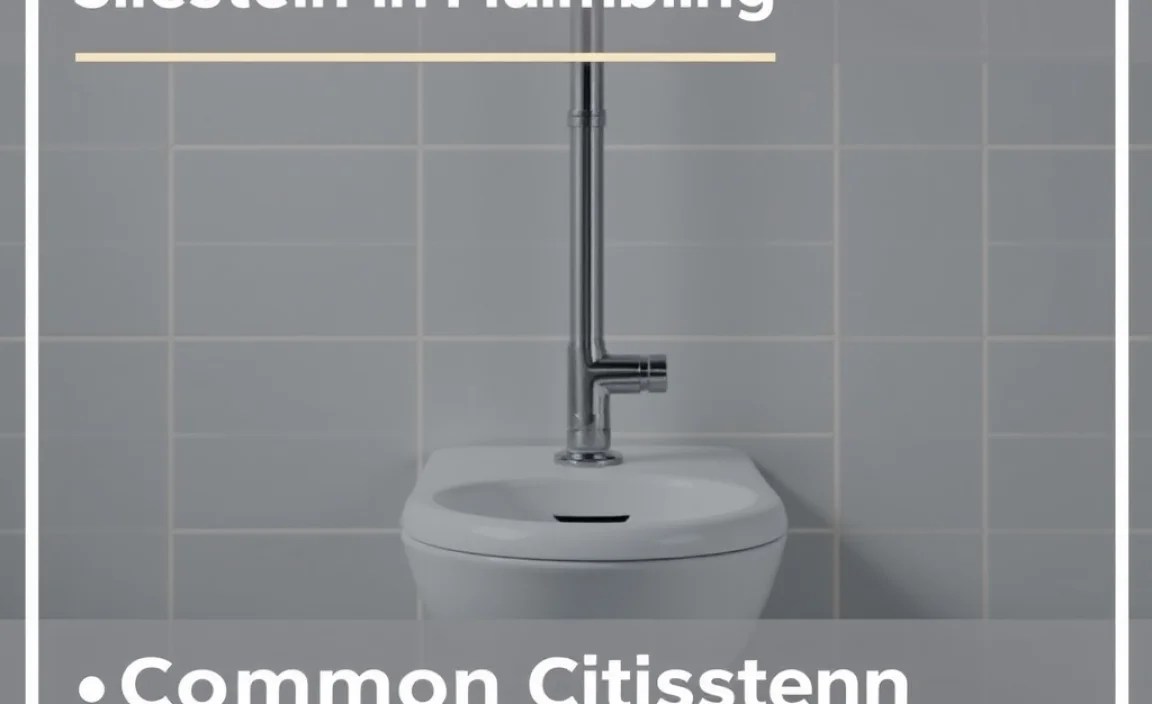
These are perhaps the most traditional type of cistern. You’ll recognize a high-level cistern by its placement: mounted high on the wall, often above head height. A visible pipe runs from the cistern down to the toilet bowl. These systems rely on gravity to create a strong flushing action. The higher the cistern, the more potential energy the water has, resulting in a powerful flush.
Pros:
- Very powerful flush due to height and gravity.
- Visually distinctive and part of historical plumbing systems.
- Easier to access for repairs and maintenance due to its elevated position.
Cons:
- Can be noisy during refilling.
- Requires significant wall space.
- The pull-chain mechanism can be cumbersome for some users.
- Aesthetically may not fit with modern bathroom designs.
Low-Level Cisterns
Low-level cisterns are more commonly seen in modern homes and are usually situated directly behind or very close to the toilet bowl, integrated into the toilet unit itself. They incorporate a flush pipe and usually operate with a lever or button mechanism. Despite being lower, they are designed to provide an adequate flush through efficient internal mechanisms and a sufficient water volume.
Pros:
- Neater and more aesthetically pleasing in modern bathrooms.
- Quieter operation compared to high-level cisterns.
- Easier to operate (lever or button).
- Takes up less vertical space.
Cons:
- Flush power might be less than a well-positioned high-level cistern, though modern designs compensate well.
- Internal mechanisms can be more complex to understand for DIYers.
Concealed Cisterns
Concealed cisterns are a popular choice for minimalist and contemporary bathroom designs. As the name suggests, the cistern is hidden behind a wall or within a vanity unit. Only the flush plate or button is visible. This creates a very clean look, especially when paired with wall-hung toilets. These systems are typically low-level but are designed for easy access through removable panels or the flush plate itself for maintenance.
Pros:
- Sleek, modern, and minimalist aesthetic.
- Saves bathroom space, especially with wall-hung toilets.
- Hides unsightly plumbing components.
Cons:
- Access for repairs can be more difficult and may require removing wall panels or tiles.
- Installation can be more complex and costly.
- Potential for hidden leaks if not installed and maintained correctly.
External Cisterns (for Rainwater Harvesting)
When dealing with rainwater harvesting, you’ll often encounter external cisterns. These are standalone tanks, often large, that are installed outdoors. They collect water directly from gutters and downspouts. The water is filtered before entering the cistern to remove debris. This stored water can then be pumped or gravity-fed for garden use, car washing, or toilet flushing.
Pros:
- Promotes water conservation and reduces reliance on mains water.
- Can significantly lower water bills.
- Environmentally friendly.
Cons:
- Requires space for installation.
- Initial setup cost can be high.
- Water supply is dependent on rainfall.
- Requires regular maintenance to keep water clean and systems functioning.
- Water quality may not be suitable for drinking or bathing without further treatment.
How a Toilet Cistern Works: The Magic Inside

Let’s focus on the most common type of cistern most homeowners interact with: the toilet cistern. It’s a marvel of simple engineering, designed to hold water and release it effectively. Understanding its parts and their roles can make troubleshooting much easier.
There are two main internal components:
- The Fill Valve (or Inlet Valve): This is responsible for refilling the cistern after each flush and stopping the water flow when the tank is full. It’s connected to the main water supply.
- The Flush Valve (or Outlet Valve): When you press the flush button or pull the lever, this valve opens, allowing the water stored in the cistern to rush into the toilet bowl. It’s usually a diaphragm or a flapper that seals the outlet to the bowl.
The Flushing Sequence: Step-by-Step
Here’s what happens when you flush the toilet:
- Press the Button/Pull the Lever: This action lifts the flush valve (often a rubber flapper or seal) off its seat at the bottom of the cistern.
- Water Flows Out: With the valve open, the stored water in the cistern rapidly flows through the opening and into the toilet bowl via the flush pipe. This surge of water creates the siphoning action that clears the bowl.
- Flush Valve Closes: As the water level in the cistern drops, the flush valve typically drops back down and seals the outlet to the toilet bowl, preventing any further water from escaping.
- Fill Valve Opens: As the water level in the cistern falls, it causes the float on the fill valve to lower. This triggers the fill valve to open, allowing fresh water from the mains supply to enter the cistern.
- Cistern Refills: The fresh water enters the cistern, raising the water level. As the water level rises, the float also rises.
- Fill Valve Closes: When the water reaches a pre-set level, the float on the fill valve reaches its highest point and signals the valve to shut off the water supply. The cistern is now full and ready for the next flush.
This cycle repeats with every flush. The efficiency of your cistern depends on these components working together correctly. Issues like a constantly running toilet often stem from a faulty fill valve or a flush valve that isn’t sealing properly.
Common Cistern Problems and Troubleshooting Tips
Even the most robust plumbing components can encounter issues. Cisterns are no exception. Fortunately, most common problems are relatively simple to diagnose and fix yourself, saving you a call to the plumber.
Problem 1: Cistern Doesn’t Fill
Possible Causes:
- Water Supply Issue: Check if the isolation valve (usually a small tap on the pipe leading to the cistern) is fully open.
- Blocked Inlet Valve: Debris can sometimes block the inlet.
- Faulty Fill Valve: The mechanism itself might be worn out or jammed.
Troubleshooting:
- Ensure the isolation valve is open.
- Check for obstructions at the entry point of the fill valve.
- If the valve is old or damaged, it might need replacement. Many replacement fill valves are easily available at hardware stores.
Problem 2: Cistern Fills Continuously / Toilet Runs Constantly
Possible Causes:
- Faulty Fill Valve: The fill valve isn’t shutting off properly when the cistern is full, allowing water to continually enter and then spill into the overflow pipe.
- Leaking Flush Valve: The seal at the bottom of the cistern might be worn or obstructed, allowing water to slowly leak out into the toilet bowl, prompting the fill valve to keep topping up the cistern.
Troubleshooting:
- Check the Fill Valve: Listen for running water when the cistern should be full. If you hear it, try adjusting the float arm. If the problem persists, the fill valve likely needs replacement.
- Check the Flush Valve: Place a few drops of food coloring in the cistern and wait 15-30 minutes without flushing. If color appears in the toilet bowl, the flush valve seal is leaking. You may be able to clean debris from under the seal, or the seal and/or the entire flush valve assembly will need replacement. For a visual guide on replacing toilet parts, resources like British Gas’s plumbing guides can be very helpful.
Problem 3: Weak or Ineffective Flush
Possible Causes:
- Low Water Level: The cistern might not be filling to its optimal level.
- Blocked Siphon or Flush Pipe: Obstructions can hinder water flow.
- Worn Flush Valve Seal: A faulty seal might not allow the full volume of water to be released quickly.
Troubleshooting:
- Adjust Water Level: Check the fill valve’s float. Most are adjustable, allowing you to raise the water level slightly.
- Check for Blockages: Inspect the flush pipe for any visible obstructions.
- Inspect Flush Valve: Ensure the seal is intact and properly seated.
Problem 4: Cistern is Noisy
Possible Causes:
- Water Hammer: This can happen if the fill valve closes too suddenly. Modern fill valves often have mechanisms to prevent this.
- Whistling or Hissing: Usually an indicator of a worn fill valve or a small obstruction in the water line.
Troubleshooting:
- Replace Fill Valve: A new, modern fill valve is the most common solution for persistent noise.
- Check Isolation Valve: Ensure it’s not restricting flow in a way that causes noise.
For more complex issues or if you’re uncomfortable with DIY, always consult a qualified plumber. The U.S. Environmental Protection Agency (EPA) provides excellent resources on water-saving tips for your home, which can indirectly relate to efficient plumbing fixtures.
Maintenance for Your Cistern
Regular maintenance can prevent most cistern problems and ensure its longevity. It’s not complicated and can save you a lot of hassle.
Regular Cleaning
Over time, sediment and mineral deposits can build up inside your cistern. This can affect the function of the valves and seals.
- How to Clean: Turn off the water supply using the isolation valve. Flush the toilet to empty the cistern. You can then scrub the inside of the cistern with a soft brush or cloth and a mild, non-abrasive cleaner (avoid harsh chemicals that can damage seals). Rinse thoroughly and turn the water supply back on.
Checking Seals and Valves
Periodically inspect the flush valve seal and the fill valve.
- Flush Valve Seal: Look for signs of wear, cracking, or softening. If it looks damaged, it’s time to replace it.
- Fill Valve: Check for leaks around the valve or listen for continuous running water when the cistern is full.
Monitoring Water Level
Ensure the water level inside the cistern is correct. It should typically be about 2-3 cm below the overflow pipe. If it’s too low, the flush will be weak. If it’s too high, you’ll waste water. Adjust the float on the fill valve as needed.
Testing for Leaks
The food coloring test mentioned earlier is a simple way to check for subtle leaks from the flush valve. Doing this every few months can catch problems early.
Cisterns in Broader Plumbing Contexts
While the toilet cistern is the most common example, the concept of a cistern as a water storage tank extends to other areas of plumbing and water management.
Rainwater Harvesting Systems
As mentioned, rooftop rainwater harvesting systems rely heavily on cisterns. These are large tanks designed to capture, store, and filter rainwater. Such systems are becoming increasingly popular due to their environmental benefits and potential to reduce utility costs. The captured water is often used for non-potable purposes, such as garden irrigation, toilet flushing, and laundry, thereby reducing demand on treated municipal water supplies. Organisations like the American Rainwater Catchment Systems Association (ARCSA) offer extensive information on the design and implementation of these systems.
The cistern in a rainwater harvesting setup acts as the central reservoir, ensuring a supply of water is available even during dry spells. These cisterns can be made from various materials, including plastic, concrete, or metal, and come in different sizes depending on the volume of rainfall and water demand.
Industrial and Commercial Applications
Beyond residential use, cisterns play significant roles in industrial and commercial plumbing. For instance:
- Fire Sprinkler Systems: Large cisterns are often used as a dedicated water source for fire sprinkler systems, ensuring a reliable supply in case of emergency.
- Process Water Storage: In manufacturing or processing plants, cisterns may store treated water for specific industrial processes.
- Flushometer Toilets: In high-traffic public restrooms, some toilets use flushometer valves that directly connect to the water supply to deliver a powerful flush, but these systems often rely on large pressure tanks that function similarly to cisterns in providing a stored volume for rapid release.
These applications highlight the versatility of the cistern principle: storing water for a controlled, rapid release or as a reliable reserve. The design and requirements for these larger cisterns are significantly more complex and are typically governed by stringent building codes and engineering standards.
Cistern vs. Tank: What’s the Real Difference?
You might hear the terms “cistern” and “tank” used interchangeably, and in many everyday contexts, they are. However, in plumbing and water engineering.
