
Mirror layout in plumbing is a technique where water supply and drain pipes are arranged symmetrically on opposite sides of a central fixture or wall. This smart design simplifies installation, maintenance, and future renovations by creating identical, repeatable configurations on each side.
Ever walked into a bathroom and noticed everything on one side looks like a perfect reflection of the other? That’s often thanks to a clever plumbing trick called “mirror layout.” It’s a design that can save you headaches, money, and future plumbing woes. For a DIYer, understanding this can demystify certain setups and empower you during renovations. This guide will break down what mirror layout means in plumbing, why it’s so useful, and how it’s typically implemented. Let’s get your plumbing looking its best, functionally and aesthetically!
What is Mirror Layout in Plumbing?

In plumbing, a “mirror layout” refers to a specific arrangement of pipes, fixtures, and their associated components where the setup on one side is a symmetrical reflection of the setup on the other. Think of it like looking into a mirror; what you see on the left is replicated on the right. This principle is most commonly applied in bathrooms and kitchens where multiple fixtures are placed symmetrically along a wall or around a central element.
The core idea is to create two identical plumbing “zones” that mirror each other. This means the hot and cold water supply lines, the drain and vent pipes, and even the positioning of shut-off valves might be duplicated in reverse. This symmetrical approach isn’t just for looks; it brings a host of practical advantages that are especially beneficial for homeowners and DIY enthusiasts.
Why Use a Mirror Layout? The Advantages Explained
The decision to implement a mirror layout in plumbing isn’t arbitrary. It’s driven by several practical benefits that make a significant difference in the long run. Understanding these advantages can help you appreciate its value and perhaps even inspire you to consider it for your own projects.
- Simplified Installation: When you have two identical layouts, you essentially learn how to do one side and then repeat it. This reduces the complexity of planning and execution. Instead of designing two entirely different pipe runs, you’re replicating a proven pattern.
- Easier Maintenance and Repairs: If a problem arises in one mirrored section, the solution and the access points for repair are likely to be the same on the other side. This makes troubleshooting and fixing issues much faster and more predictable. You’re familiar with the layout on both sides, saving guesswork during repairs.
- Cost-Effectiveness: Standardization often leads to cost savings. Using identical components and pipe lengths for both sides can sometimes reduce material costs. Furthermore, if skilled labor is required, a simplified, repeatable process can potentially lower labor expenses.
- Streamlined Future Renovations: If you decide to update or change fixtures down the line, a mirrored layout provides a clear, consistent framework. It’s often easier to modify or expand upon a symmetrical system than a haphazardly designed one.
- Improved Aesthetics: While not strictly a plumbing function, a mirrored layout often contributes to a more organized and visually appealing space. Symmetrical arrangements are pleasing to the eye and can make a bathroom or kitchen feel more balanced and intentional.
- Accessibility for Emergency Shut-offs: With mirrored layouts, you can often ensure that shut-off valves are placed in consistent, accessible locations for each mirrored zone, making it easier to quickly turn off water in an emergency for a specific fixture or area.
Common Applications of Mirror Layouts
You’ll most frequently encounter mirror layouts in areas with multiple, identical fixtures. This is where the benefits of symmetry and standardization shine brightest. Here are some of the most common places you’ll see this plumbing design:
- Double Vanities in Bathrooms: This is perhaps the quintessential example. Two sinks, side-by-side, often have their hot and cold water supply lines, drains, and even local shut-off valves mirrored. The main water lines feeding each vanity might also be mirrored.
- Two Toilets in a Large Bathroom or Powder Room: In larger bathrooms or dedicated powder rooms, having two toilets placed symmetrically can also benefit from a mirrored plumbing layout for supply and drain lines.
- Kitchen Sinks with Double Basins: While not as common as double vanities, some kitchen sinks are designed with two identical basins. If plumbing is to be mirrored, the supply lines and drain pipes for each basin would be arranged symmetrically.
- Commercial Restrooms: Many commercial restrooms feature multiple identical stalls or a long bank of sinks. Mirror layouts are often employed here for efficiency in design, installation, and maintenance across many identical units.
- Laundry Rooms with Companion Washers/Dryers: In some laundry setups, particularly where two identical machines are installed side-by-side, the water supply and drainage might be mirrored for efficient hookups.
Understanding the Components in a Mirrored Plumbing System

Before we dive into how a mirror layout works in practice, it’s helpful to quickly review the key components involved. Familiarizing yourself with these terms will make the rest of the guide easier to follow. These are the building blocks of any plumbing system, mirrored or not.
- Water Supply Lines: These are the pipes that bring fresh, potable water from your main water source (like a water heater or municipal supply) to your fixtures. In a mirrored layout, you’ll typically have two sets of supply lines (hot and cold for each side).
- Drain Pipes: These pipes carry wastewater away from your fixtures (sinks, toilets, showers) and into your home’s main drainage system. Each mirrored fixture will have its own drainpipe.
- Vent Pipes: These are crucial for a properly functioning plumbing system. Vent pipes allow air into the drainage system, which prevents vacuum locks and helps water flow smoothly down the drain. They also allow sewer gases to escape harmlessly outside. In a mirrored setup, the venting strategy will likely be mirrored too.
- Shut-off Valves: These valves allow you to turn off the water supply to a specific fixture without shutting off the water to the entire house. In a mirrored layout, you’ll find a set of these for each mirrored zone.
- Fixtures: These are the visible, functional parts of your plumbing system, such as sinks, faucets, toilets, and showers. The arrangement of these is what visually defines the mirrored layout.
These components work together to deliver water and remove waste. In a mirrored layout, the key is that the arrangement, size, and connections of these components are duplicated on opposing sides.
How Mirror Layout is Achieved: A Practical View
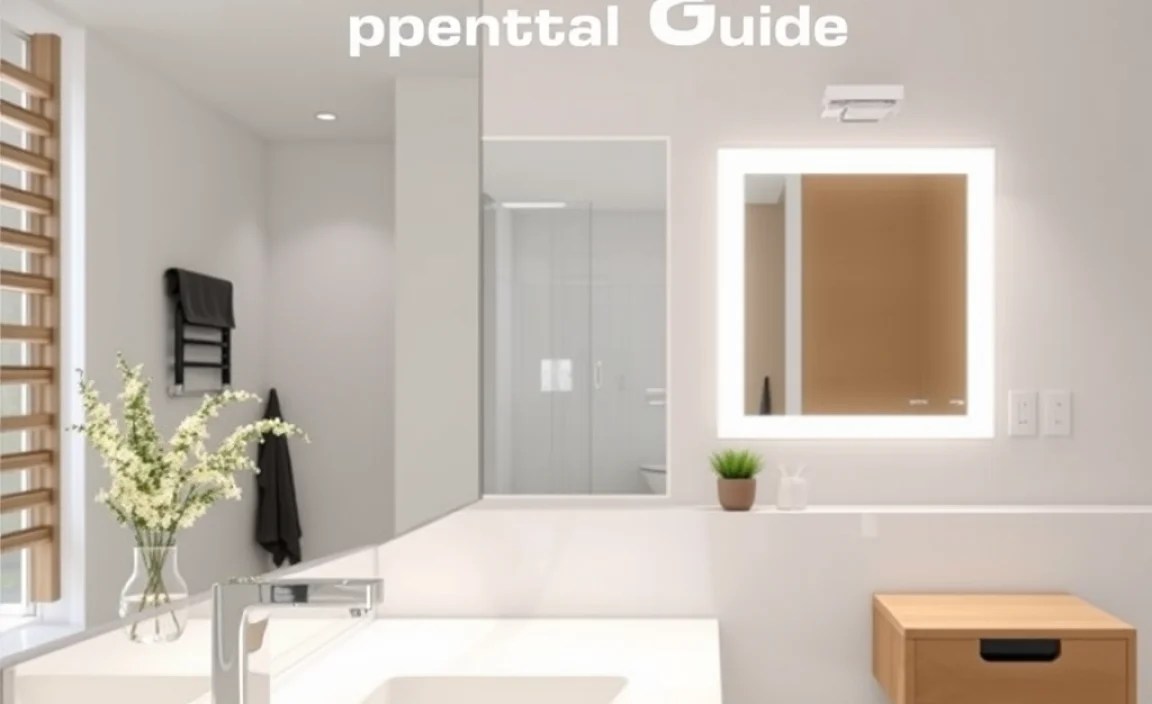
Achieving an effective mirror layout involves careful planning and execution. It’s not just about placing two sinks identically; it’s about mirroring the hidden infrastructure that supports them. Let’s break down the process for a common scenario, like a double vanity.
Planning and Design Considerations
The first step is always planning. You need to visualize the space and how the fixtures will be positioned. For a mirrored layout, this means the rough-in locations for water supply, drains, and vents must be perfectly symmetrical.
- Symmetrical Fixture Placement: The sinks (or other fixtures) must be equidistant from a central line or point. This ensures the visual balance that defines a mirrored layout.
- Central Reference Point: Identify a clear centerline or feature (like a wall stud, partition, or the center of a larger fixture) from which measurements will be taken for both sides.
- Consistent Rough-in Locations: Mark the exact spots where hot and cold water lines will emerge from the wall and where drain pipes will connect. These marks should be mirror images.
- Ventilation Strategy: Ensure that the vent pipes servicing each fixture are also arranged in a mirrored fashion where possible, or at least connected symmetrically to the main vent stack. Proper venting is critical for drainage, and can be referenced from official plumbing codes. You can learn more about common venting strategies from resources like the Australian Government’s Plumbing Guide (Note: this is a resource for general understanding of plumbing principles, always adhere to local building codes).
Pipe Routing and Connections
Once the locations are set, the pipework itself needs to be routed. The goal is to create identical pipe runs for each mirrored fixture.
For a double vanity, this often looks like:
- Main Supply Lines: A single hot water line and a single cold water line might run behind the wall or vanity. From this main line, individual branches are run out to each sink.
- Branching for Mirroring: Typically, the supply lines will branch off at a central point. Imagine a T-fitting on the hot water line and another on the cold. One leg of each T goes to the left sink, and the other leg goes to the right sink, creating the mirrored supply.
- Drainage: The drain pipes from each sink will run to a central point. Often, a “San-Tee” fitting is used. The two sink drains connect to the two “inlet” ports of the San-Tee, and the single “outlet” port then connects to the main drain line. This setup ensures that waste from both sinks enters the main drain at a symmetrical point relative to their fixtures.
- Vent Connections: Vent pipes often connect to the drain line just before it enters the main waste pipe. In a mirrored setup, the vent connection for each sink would be placed symmetrically relative to the drain connection point.
The specific materials used (like copper, PEX, or PVC) will vary, but the principle of symmetrical routing remains the same.
Example: Mirror Layout for a Double Vanity

Let’s visualize this with a common example: a double vanity in a bathroom. Imagine a wall with a vanity unit designed to hold two sinks.
In a mirrored setup, here’s what you’d typically see:
- Central Point: The wall behind the vanity unit is the reference.
- Water Supply:
- A single hot water pipe might run vertically up the wall behind the vanity and then horizontally across.
- This horizontal hot pipe will have two outlets, one turned down towards the left sink and one towards the right sink, at precisely the same height.
- The same applies to the cold water supply line.
- Local shut-off valves for hot and cold water will be installed on each of these individual lines, positioned identically for each sink.
- Drainage:
- Each sink basin has a drain outlet.
- Pipes from both sink drains run towards the center, beneath the vanity.
- They connect to a central drainpipe assembly (often a sanitary cross or a series of specific fittings) that leads to the main waste line. The connection points and angles are designed to be symmetrical relative to each sink.
- Venting:
- A vent pipe is essential for each drain. It connects to the drain line upstream of the trap.
- In a mirrored layout, the vent pipe connection for the left sink’s drain would mirror the vent pipe connection for the right sink’s drain.
The visual result? Two identical sets of faucets, two identical drain covers, and the plumbing behind them meticulously arranged to match, creating a balanced and functional setup.
Table: Common Mirror Layout Scenarios and Characteristics

To better understand where mirror layouts are applied, consider this table:
| Scenario | Fixtures Involved | Key Mirrored Elements | Primary Benefit |
|---|---|---|---|
| Double Bathroom Vanity | 2 Sinks, 2 Faucets | Hot/Cold Supply Lines, Shut-off Valves, Drain Connections, Vent Connections | Symmetrical appearance, simplified installation and repair access. |
| Adjacent Toilets | 2 Toilets | Water Supply Lines, Supply Valves, Drain Connections, Vent Connections | Efficient use of space and routing of waste and water lines. |
| Kitchen Double Basin Sink | 2 Sink Basins, 2 Sets of Faucets (if applicable) | Hot/Cold Supply Lines (per basin), Drain Connections (per basin), Venting Strategy | Balanced appearance, potentially simplified waste routing for interconnected basins. |
| Commercial Sinks (Bank of) | Multiple Sinks, Multiple Faucets | Supply Lines (running centrally and branching), Drain Manifold, Venting System | Massive gains in installation efficiency, standardized maintenance across many units. |
Tools You Might Encounter or Need
While you might not be installing a mirrored system yourself without experience, understanding the tools involved can be insightful. If you’re doing minor DIY on a mirrored system, some of these might be familiar.
- Pipe Cutters: For making clean, precise cuts on various pipe materials (copper, PEX, PVC).
- Pipe Wrenches: Adjustable wrenches used for tightening and loosening threaded pipe fittings.
- Plumber’s Tape (Teflon Tape) and Pipe Dope: Used to seal threaded pipe connections, preventing leaks.
- Soldering Torch and Solder (for Copper): If working with copper pipes, this is essential for creating watertight joints.
- PEX Crimp Tool or Expansion Tool: If using PEX tubing, specialized tools are needed to secure fittings.
- PVC Cement and Primer: Used to join PVC pipes and fittings, creating a solvent weld.
- Level: Crucial for ensuring pipes are installed with the correct slope, especially for drains.
- Measuring Tape: For accurate placement of fixtures and pipe routes.
- Stud Finder: To locate wall studs for secure mounting and routing of pipes.
- Safety Glasses and Gloves: Essential personal protective equipment for any plumbing work.
For complex installations or repairs, plumbers will use a wider array of specialized tools, but these are some of the more common ones.
DIY Tips for Maintaining a Mirrored Plumbing System
Even if you didn’t install it, you’ll likely live with a mirrored plumbing system. Here are some tips to help you maintain it:
- Regularly Check for Leaks: Pay attention to any signs of moisture around your fixtures, especially in areas where pipes are concealed. A small leak can become a big problem quickly. Since the layout is mirrored, if you see a leak on one side, carefully inspect the corresponding area on the other.
- Understand Your Shut-off Valves: Locate the shut-off valves for each mirrored fixture. Test them periodically (maybe once a year) to ensure they are still working. Turn them slightly to ensure they aren’t seized, and then turn them back off. This is a crucial step in emergency preparedness. Many homeowners don’t know where these are located.
- Address Slow Drains Promptly: A slow drain in one sink might indicate a blockage in that specific drain line. If both sinks start draining slowly, it might point to a more significant issue in the main drain or vent system. For mirrored sinks, if one is slow, try to differentiate if it’s an issue specific to that side.
- Keep Fixtures Clean: Regular cleaning prevents mineral buildup that can affect faucet performance and, in severe cases, clog aerators and even pipes over time.
- Know Who to Call: If you’re uncomfortable performing maintenance, or if you encounter a significant issue, don’t hesitate to call a qualified plumber. They are experienced with all types of plumbing layouts, including mirrored systems.
Potential Challenges and How to Address Them
While mirror layouts offer significant benefits, they aren’t without their potential challenges:
- Exact Symmetry is Key: If the initial installation isn’t perfectly symmetrical, it can lead to uneven water pressure or drainage issues between the two sides. This can be hard to fix without redoing pipework.
- Centralized Failure Points: Sometimes, a single pipe or fitting serves both mirrored sides before branching out. If this central component fails, it can affect both fixtures.
- Access Can Be Tricky: Depending on the wall construction and fixture placement, accessing the mirrored piping for repairs might be challenging. This is why professional installation is so important.
- Diagnosing Asymmetrical Issues: While mirroring simplifies many things, if an issue arises on only one side, plumbers need to meticulously trace that one side’s unique path to find the fault, as it can be harder to find the exact deviation from the intended symmetrical path.
Addressing these challenges often requires the expertise of a seasoned plumber. They can diagnose issues by understanding how the system was intended to function symmetrically and then pinpoint where the deviation or failure has occurred.
Frequently Asked Questions about Mirror Layout in Plumbing
What is the primary benefit of a mirror layout in plumbing?
The primary benefit is simplifying installation and maintenance by creating identical, repeatable plumbing configurations on opposite sides of a central point or fixture.
