
The parts of a soap holder in plumbing are typically the mounting bracket, the holder itself (where the soap rests), and sometimes a small drain or overflow mechanism. Understanding these components is key to proper installation and maintenance, ensuring your bathroom stays tidy and functional.
Ever find yourself staring at your bathroom wall, wondering how that little thing holding your soap is attached? It’s a simple fixture, but like anything in your home, knowing its parts can save you trouble down the road. Sometimes, a dripping faucet or a loose shower head gets all the attention, but even the humble soap holder plays a vital role in keeping your bathroom organized and preventing messy situations.
Don’t let those strange plumbing terms intimidate you – we’re going to break down exactly what makes up a soap holder in your plumbing setup. You’ll be confident in identifying its pieces and understanding how they work together in no time. Let’s dive in and make your bathroom fixtures feel less mysterious!
Understanding Your Soap Holder: A Simple Breakdown

You might not think much about your soap holder until it’s not working right, but this seemingly small accessory has a few key components that work together. Knowing what these parts are called and what they do is the first step to proper installation, troubleshooting, or even just a quick clean. We’re going to look at the most common types of soap holders you’ll find, from the simple wall-mounted ones to those integrated into your shower or tub system.
Think of it like understanding the basic parts of a car – you don’t need to be a mechanic, but knowing where the steering wheel is helps you navigate! For us, knowing the “bracket” and the “holder” (and sometimes a sneaky “drain”) is enough to gain a good understanding. This guide is designed to be super beginner-friendly, so let’s get started with the core pieces.
The Main Components of a Typical Soap Holder
Most commonly, when we talk about soap holders in plumbing contexts, we’re referring to fixtures that are either attached to the wall or built into the shower/tub unit. The primary functions are to keep soap accessible and to allow it to dry between uses, preventing it from becoming a gooey mess. Here are the main parts you’ll encounter:
- The Mounting Bracket: This is the foundational piece that attaches the soap holder to the wall or shower structure. Its job is to provide a stable, secure base. Without a strong bracket, the holder would be useless and potentially damage your wall.
- The Holder/Tray/Cup: This is the part where the actual bar of soap sits. It varies greatly in design, from a simple perforated tray to a more enclosed cup. Its main purpose is to cradle the soap.
- Drainage System (if applicable): Many soap holders, especially those in showers or tubs, have small holes or a channel designed to let water drain away. This is crucial for keeping the soap dry and preventing soap scum buildup.
- Fasteners: While not strictly part of the holder itself, the screws, anchors, or adhesive mechanisms used to attach the bracket are essential for its function and stability.
Types of Soap Holders and Their Unique Parts
Soap holders come in many shapes and sizes, and while the basic principles are the same, some have specialized parts. Let’s look at a few common types:
1. Wall-Mounted Soap Dishes
These are very common in bathrooms. They attach directly to the wall, usually near the sink or shower. They offer a clean look and are often chosen for their aesthetics.
- Mounting Plate: This is a flat piece that screws onto the wall. It’s often decorative and covers the hole where the screws go for a cleaner finish.
- Arm/Stem: This piece extends from the mounting plate and supports the dish part.
- Dish/Tray: This is where the soap rests. It’s often slightly sloped to allow water to run off. Some have small holes for drainage.
- Set Screw (sometimes): On some models, a tiny set screw may hold the arm or dish in place, allowing for adjustment or easier replacement.
2. In-Shower/Tub Soap Holders (Recessed or Built-in)
These holders are often integrated directly into the wall structure of the shower or bathtub. They’re designed to be discreet and save wall space.
- Housing/Frame: This is the outer part that is built into the wall. It provides the structure and a finished edge.
- Cup/Tray: The removable or fixed part where the soap sits. Often made of plastic or easily cleaned materials.
- Drainage Hole/Channel: These are usually very effective, allowing water to flow directly into the shower drain or a dedicated weep hole.
- Gasket/Sealant: When initially installed, sealant is used to protect the wall from water intrusion. This isn’t a part you’ll replace often, but it’s crucial for preventing leaks behind the wall.
3. Suction Cup Soap Holders
These are a renter-friendly or temporary solution. They don’t involve permanent fixtures and can be moved easily.
- Suction Cup(s): The primary mechanism for attachment. They create a vacuum seal against smooth surfaces like tile or glass.
- Base/Platform: The part that holds the soap, which connects to the suction cup(s).
- Release Tab/Lever (sometimes): Some suction cups have a small tab or lever to help break the seal for easy removal.
4. Corner Soap Holders
These are designed to fit into the corner of a shower or tub, maximizing space. They can be mounted with screws, strong adhesive, or sometimes suction cups.
- Mounting Bracket (Corner-specific): Shaped to fit snugly into the corner.
- Tray/Basket: Often a basket-style holder with ample drainage to prevent water pooling.
- Drain Channels: Designed to direct water effectively away from the soap.
Understanding which type you have helps when you need to clean it, fix a loose one, or even choose a replacement. The core idea is always the same: keep your soap dry and tidy.
How Soap Holders Function in Your Plumbing System
While a soap holder isn’t directly connected to your main water supply or drainage lines like a faucet or toilet, it plays a functional role within the overall bathroom plumbing environment. Its design is all about managing the water that comes into contact with your soap. Think of it as a small but important player in keeping your bathroom’s water management tidy.
The key is drainage. When soap gets wet, it becomes soft and can leave a sticky residue. A well-designed soap holder allows this excess water to escape, so the soap can dry out between uses. This prevents:
- Soap Gooiness: Turning your bar of soap into a mushy mess isn’t pleasant and wastes soap.
- Soap Scum: Undried soap can react with minerals in the water, creating that tough-to-clean soap scum on surfaces.
- Clogged Drains: While rare for soap holders themselves, excessive soap residue can contribute to drain clogs over time if it washes down.
The ‘plumbing’ aspect mainly refers to how the holder interacts with water and how its design aligns with maintaining the cleanliness and efficiency of your bathroom’s wet areas. A good soap holder helps prolong the life of your soap and keeps your shower or sink area cleaner, reducing the amount of extra cleaning you’ll have to do in those hard-to-reach spots.
The Importance of Drainage in Soap Holders
Let’s focus on that drainage part. It’s often overlooked, but it’s critical for a functional soap holder. Whether it’s a series of small holes in a plastic tray or cleverly designed channels in a metal fixture, the goal is the same: get the water away from the soap.
Imagine leaving a wet sponge in a closed container all day. It gets slimy and unpleasant. A soap holder with good drainage works on the same principle for your soap. Proper drainage leads to:
- Longer Lasting Soap: Drier soap hardens and lasts longer.
- Hygiene: Less moisture means less potential for bacteria growth on the soap or holder.
- Cleanliness: Prevents that messy ‘soap puddle’ that can stain sinks and shower floors.
When shopping for a new soap holder, or even when cleaning your current one, always check the drainage. If water pools, it’s not doing its job effectively.
Materials Used in Soap Holders
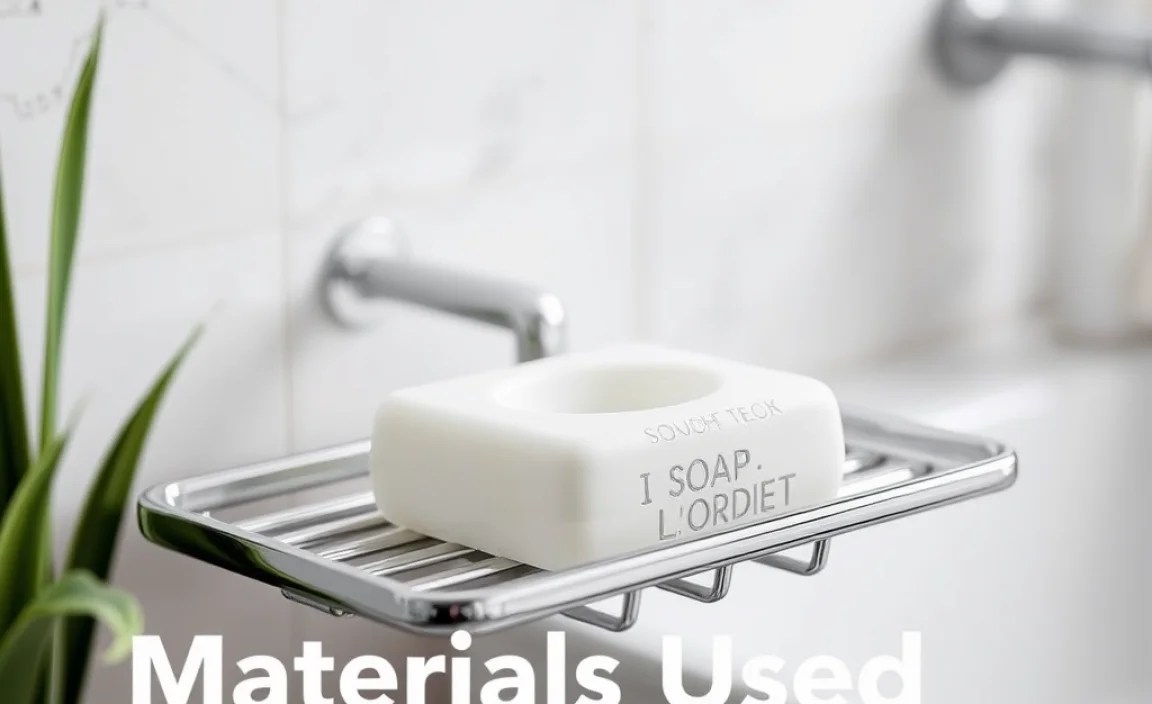
The materials chosen for soap holders are important for durability, aesthetics, and how well they resist water and soap residue. Here’s a look at common materials and why they’re used:
| Material | Common Uses | Pros | Cons |
|---|---|---|---|
| Plastic (ABS, Polypropylene) | Shower baskets, basic trays, suction holders | Affordable, lightweight, rust-proof, easy to clean | Can look less premium, may stain over time, can become brittle |
| Stainless Steel | Wall-mounted holders, shower baskets, recessed trays | Durable, rust-resistant, modern look, strong | Can be more expensive, some grades can still rust or corrode if not maintained |
| Ceramic/Porcelain | Wall-mounted dishes, often with metal arms | Elegant appearance, easy to clean smooth surface, hygienic | Brittle (can chip or break if dropped), heavier, can be expensive, requires careful installation |
| Brass (often plated) | Wall-mounted holders, often with chrome, nickel, or oil-rubbed bronze finishes | Durable, corrosion-resistant (especially when plated), classic look | Can be expensive, plating can wear off over time, can develop patina |
| Glass | Dishes or trays, often used with metal mounts | Luxurious appearance, easy to clean, non-porous | Fragile, can chip or break, shows water spots easily if not wiped |
The material choice often depends on the style of your bathroom, your budget, and how much maintenance you’re willing to do. For most DIYers, plastic and stainless steel are the most forgiving and common choices. Metal finishes like chrome or brushed nickel are popular for their style and water resistance. A good resource for understanding different bathroom fixture materials and finishes is provided by institutions like the HGTV design blog, which offers insights into durability and style.
Installation and Maintenance: Simple Steps for Beginners
Installing or maintaining a soap holder might seem daunting, but it’s usually a straightforward DIY task. The specific steps will vary based on the type of holder, but the general principles are consistent. Let’s walk through the basics.
How to Install a Basic Wall-Mounted Soap Holder
For a standard wall-mounted soap dish, you’ll typically need to drill holes and use screws. Always check the manufacturer’s instructions for your specific model!
Tools You’ll Likely Need:
- Pencil
- Tape Measure
- Level
- Drill with appropriate drill bits (masonry bits for tile/concrete, wood bits for drywall/studs)
- Screwdriver (matching your screw type)
- Stud finder (highly recommended for secure mounting)
- Safety glasses
- Drop cloth or towel to catch debris
Installation Steps:
- Choose the Location: Decide where you want your soap holder. Make sure it’s at a comfortable height and won’t interfere with other fixtures. For showers, a spot within easy reach is best.
- Locate Studs (if mounting on drywall): Use a stud finder to locate wall studs. Mounting directly into studs provides the strongest support. If you can’t hit a stud, you’ll need appropriate wall anchors (see step 4).
- Mark Drilling Points: Hold the soap holder’s mounting bracket against the wall at your chosen spot. Use a level to ensure it’s straight. With your pencil, carefully mark the screw hole locations on the wall.
- Drill Pilot Holes:
- Into Drywall (no stud): Use a drill bit slightly smaller than your wall anchor and drill holes at your marks. Insert the wall anchors into these holes.
- Into Studs: Use a drill bit slightly smaller than the screw diameter and drill pilot holes into the stud.
- Into Tile/Masonry: Use a masonry drill bit. Start slowly to avoid cracking the tile. You might drill through the tile and then switch to a wood bit for the drywall behind, or use anchors designed for tile.
- Attach the Mounting Bracket: Align the bracket over the pilot holes or anchors. Insert the screws and tighten them with a screwdriver. Don’t overtighten, especially if you’re using anchors, as this can strip the hole or damage the anchor. Ensure the bracket is snug against the wall.
- Attach the Holder/Dish: Most soap dishes slide onto or screw into the mounting bracket. Follow your model’s specific instructions. Some have a small set screw on the underside to secure them.
- Test for Stability: Gently tug on the soap holder to ensure it’s secure.
For instructions on installing shower holders that require cutting into drywall or tile, it’s often best to consult a professional plumber or a detailed DIY guide that covers wall opening and waterproofing, as improper installation can lead to water damage behind the walls. Resources like This Old House provide excellent general guidance on working with bathroom walls and tiles.
Routine Maintenance and Cleaning
Keeping your soap holder clean ensures it lasts longer and looks good. It’s also a simple way to maintain bathroom hygiene.
Regular Cleaning:
- Frequency: Wipe it down weekly or as needed, especially the tray where soap sits.
- What to Use: A soft cloth or sponge with warm water.
