
This guide breaks down the essential parts of a soap holder, explaining their function, benefits, and drawbacks to help you choose the best option for your bathroom or kitchen. Understand the materials, designs, and installation methods, ensuring a clean and functional space.
Tired of that soggy bar of soap melting away in a puddle on your sink or shower ledge? It’s a small annoyance, but it can make a big mess and waste soap. Finding the right soap holder seems simple, but there are actually a few different parts that make them work. Knowing these parts helps you pick one that’s not only functional but also looks good and lasts. Don’t worry, we’ll walk through everything you need to know, from why a soap dish is designed a certain way to the pros and cons of different styles. Let’s dive in and solve this slippery problem!
Understanding the Basic Parts of a Soap Holder

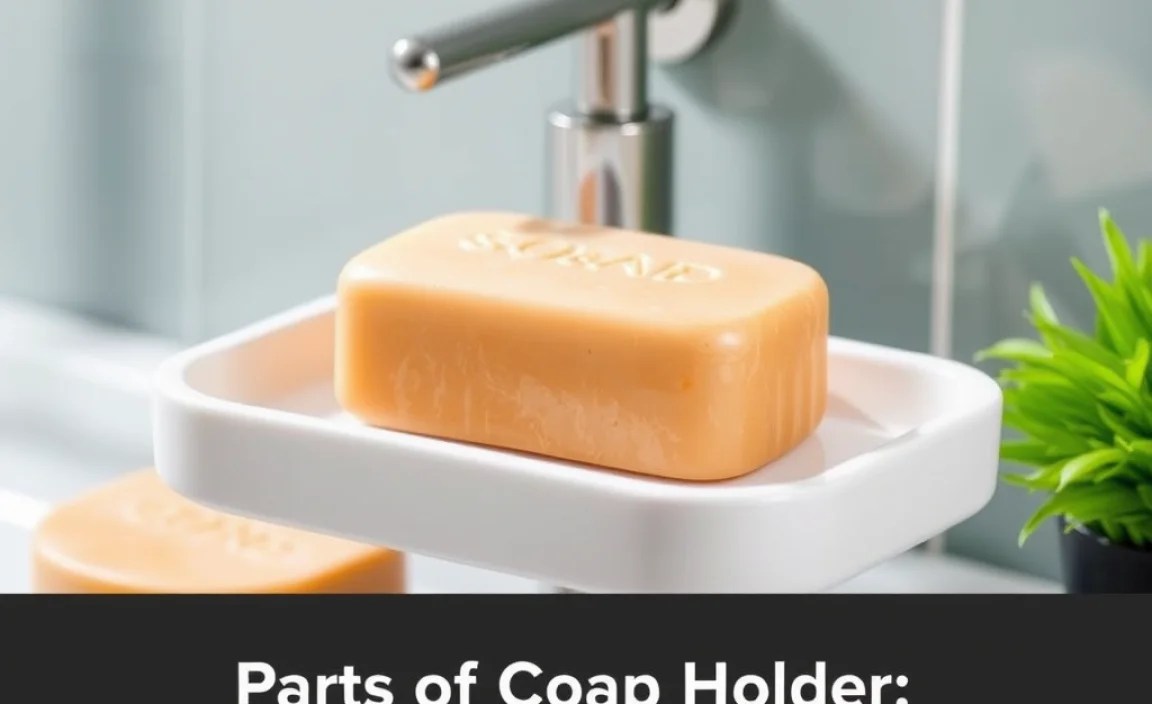
A soap holder, whether it’s a simple dish or a more elaborate dispenser, generally consists of a few key components that work together to keep your soap dry and accessible. Think of it like a little support system for your bar. By understanding each part, you can better appreciate how different designs function and why certain materials might be better suited for your needs.
1. The Base/Container
This is the main part that holds the soap. It’s often designed with a slight slope or drainage holes to allow water to escape. For free-standing soap dishes, the base provides stability. For wall-mounted options, this is the piece that attaches to the wall and cradles the soap.
2. Drainage System
This is crucial! The drainage system is what prevents soap from becoming a mushy mess. It can take several forms:
- Sloped Design: Many soap dishes are slightly tilted so water naturally flows away.
- Drainage Holes: These are small openings, often in the bottom or sides, that let water drip out into a tray or directly into the sink/shower drain.
- Raised Ridges/Slats: Some holders have internal structures that lift the soap slightly, allowing air to circulate and water to drain from underneath.
3. Containment Lip/Edge
This is the raised rim around the edge of the soap holder. Its primary job is to prevent the soap bar from sliding off and to catch any excess water that might otherwise spill onto your counter or shower floor. The height and design of this lip can vary significantly between different soap holders.
4. Mounting Mechanism (for Wall-Mounted Types)
If you prefer a soap holder that isn’t sitting on your counter, it needs a way to attach to the wall. This parts can include:
- Adhesive Strips: Strong, double-sided tape that sticks the holder to the wall. Great for renters or those who don’t want to drill holes.
- Suction Cups: These use vacuum pressure to cling to smooth surfaces like tiles or glass. Easy to move, but can lose their grip over time.
- Screws/Wall Anchors: The most secure method, involving drilling holes and using screws to firmly attach the holder.
- Tension Rod Brackets: For shower caddies, these often hook onto the shower curtain rod.
5. Removable Drip Tray (Optional)
Some soap holders have a tray underneath the main soap-holding area. This tray catches the water that drains out, preventing it from making a mess on surfaces below. These trays are usually removable, making them easy to empty and clean.
Types of Soap Holders and Their Parts

Not all soap holders are created equal. They come in various designs, and understanding the specific parts that make up each type will help you make an informed decision.
1. Bar Soap Dishes
These are the most common and straightforward type. They typically consist of a simple base with a containment lip and a drainage system. They can be free-standing or wall-mounted.
- Parts: Base, containment lip, drainage (holes or sloped design). Some wall-mounted versions include mounting mechanisms like adhesive or screws.
- Pros: Simple, affordable, widely available, easy to use.
- Cons: Can still trap moisture if drainage isn’t efficient, may look cluttered if not cleaned regularly.
2. Soap Saver Bags/Pouches
These are mesh or fabric bags designed to hold a bar of soap. You place the soap inside and hang the bag by a drawstring. The mesh allows water to drain and air to circulate.
- Parts: Mesh or fabric material, drawstring closure.
- Pros: Excellent drainage and air circulation, prevents soap from getting mushy, you can lather the soap right in the bag, portable.
- Cons: Can be less aesthetically pleasing in some settings, may not fit very large soap bars, can sometimes leave a slight residue on soap or surfaces if not properly dried.
3. Self-Draining Soap Holders
These are often ingeniously designed with a sloped surface or internal channels that guide water away from the soap, usually towards a specific spout or away from the main resting area. Some even have spring-loaded mechanisms to push excess water out.
- Parts: Sloped surface, drainage channels, containment lip. Some may have a collected water reservoir.
- Pros: Highly effective at keeping soap dry, minimizes waste, often sleek designs.
- Cons: Can be more expensive, might require specific placement to function optimally, some designs can be tricky to clean.
4. Liquid Soap Dispensers
While not designed for bar soap, it’s worth mentioning for context. These dispense liquid soap via a pump mechanism.
- Parts: Reservoir (container for liquid soap), pump mechanism (includes stem, spring, piston), spout.
- Pros: Hygienic, precise dosage, neat appearance.
- Cons: Uses liquid soap which can be more expensive per wash than bar soap, requires refills.
5. Shower Caddies with Soap Trays
These multi-functional units hang in the shower and often include a dedicated spot for bar soap, usually a shallow tray with drainage.
- Parts: Frame, shelves, hooks/hangers (for showering rod), integrated soap tray (with drainage).
- Pros: Saves space, keeps multiple shower items organized, keeps soap accessible.
- Cons: Can be bulky, might require careful installation to ensure stability, soap tray drainage can sometimes clog.
Pros and Cons by Material
The material of your soap holder significantly impacts its durability, appearance, and maintenance. Here’s a look at common materials and their advantages and disadvantages.
| Material | Pros | Cons |
|---|---|---|
| Ceramic/Porcelain | Durable, easy to clean, aesthetically pleasing, heavier (less likely to tip), often comes in decorative designs. | Can chip or break if dropped, can be heavier to mount, may develop mold in grout if not cleaned. |
| Plastic | Lightweight, inexpensive, water-resistant, available in many colors and styles, easy to clean. | Can look cheap, may scratch or stain over time, can become brittle with age or sun exposure, less eco-friendly than some options. |
| Stainless Steel | Very durable, rust-resistant, modern and sleek look, hygienic, easy to clean. | Can be more expensive, might show water spots or fingerprints, can be heavier. |
| Bamboo/Wood | Natural and eco-friendly, attractive aesthetic, good for air circulation if designed with slats. | Requires regular drying to prevent mold/mildew, not as durable as metal or ceramic, can warp with prolonged moisture exposure, needs sealing. Visit US Forest Service research on wood moisture for more on wood care. |
| Glass | Elegant and modern look, easy to clean, non-porous. | Fragile, can break easily if dropped, may show water spots, can be slippery when wet. |
| Silicone | Flexible, non-slip, easy to clean, can be molded into unique shapes. | Can sometimes attract lint or hair, might not be as rigid as other materials, can degrade over time with UV exposure. |
Pros and Cons by Mounting Type
How your soap holder is attached to the wall or surface also brings its own set of advantages and disadvantages.
| Mounting Type | Pros | Cons |
|---|---|---|
| Free-Standing / Countertop | No installation required, easy to move or clean around, good for renters, simple to use. | Takes up counter space, can be knocked over, may collect dust underneath on the counter. |
| Adhesive Mount | Easy installation without drilling, no permanent damage to walls, repositionable (often). | Adhesive can fail over time, may leave residue when removed, not suitable for all wall types (e.g., textured, wallpapered). Ensure proper surface preparation as recommended by manufacturers like 3M. |
| Suction Cup Mount | No drilling, easy to install and remove, repositionable. | Can lose suction over time, only works on very smooth, non-porous surfaces (like glossy tiles or glass), might not hold heavy items securely. The effectiveness relies heavily on air-tight seals as discussed in basic physics principles. |
| Screw-In Mount | Most secure and durable, can hold heavier items, reliable. | Requires drilling holes, leaves permanent marks, not suitable for renters or temporary installations. Proper use of wall anchors, like those from HGTV’s guide, ensures long-term stability. |
How to Choose the Right Soap Holder

Selecting the perfect soap holder involves considering where it will go, what kind of soap you use, and your personal preferences. Follow these steps to make the best choice:
Step 1: Assess Your Location
Where will the soap holder live? A small sink edge requires a different solution than a spacious shower. Consider:
- Counter space: Do you have ample room, or is every inch precious?
- Wall space: Is it tile, painted drywall, or glass? This impacts mounting options.
- Shower rod: If you have one, a hanging caddy might be ideal.
Step 2: Consider Your Soap Type
Are you a fan of traditional bar soap, or do you prefer liquid? This guide focuses on bar soap holders, but it’s a key differentiator.
- Bar Soap: Needs good drainage and airflow to prevent melting.
- Liquid Soap: Requires a dispenser.
Step 3: Prioritize Drainage and Airflow
This is the most critical aspect for bar soap. Look for holders with:
- Integrated drainage holes.
- A sloped design.
- Raised elements to allow air circulation beneath the bar.
- Mesh or open designs like soap saver bags are excellent for this.
Step 4: Think About Installation
Are you comfortable drilling holes, or do you need a tool-free solution?
- For renters or temporary solutions: Opt for adhesive or suction cup mounts, or free-standing dishes.
- For permanent fixtures: Screw-in mounts offer the most security.
Step 5: Match Your Style and Budget
Soap holders come in countless designs and materials. Choose one that complements your bathroom or kitchen decor:
- Modern bathrooms might suit stainless steel or glass.
- Rustic settings could feature wood or ceramic.
- Budget-conscious choices often involve plastic or simpler designs.
Step 6: Read Reviews
Before buying, check online reviews. Real-world experiences can highlight common issues like poor drainage, weak adhesives, or materials that don’t hold up. Many reputable retailers provide product information and customer feedback.
Maintenance and Cleaning Tips
Even the best soap holder needs a little care to keep it looking and functioning well. Regular cleaning prevents grime buildup and extends its lifespan.
Daily/Weekly Tasks:
- Empty drip trays: If your holder has a removable tray, empty it daily or every few days to prevent standing water that can lead to mold.
- Rinse the holder: Give the soap holder a quick rinse to wash away any soap residue.
- Wipe down: Use a damp cloth to wipe the exterior and interior of the holder.
Monthly Tasks:
- Deeper Clean: For stubborn soap scum or mineral deposits, use a mild soap or a solution of equal parts white vinegar and water. For tougher stains, a soft-bristled brush can be helpful. Baking soda paste is also excellent for scrubbing.
- Check Mounting: For mounted holders, periodically check that adhesives or suction cups are still secure. For screw-in mounts, ensure screws are still tight.
- Inspect for Mold: Pay close attention to any areas where water might settle. Clean any signs of mold or mildew immediately. Avoid harsh chemicals that could damage the material or your surfaces.
For delicate materials like wood, ensure it’s thoroughly dried after cleaning to prevent damage. For stainless steel, consider using a specialized cleaner to prevent streaks. Understanding the EPA’s guidance on green cleaning can help you choose effective and eco-friendly cleaning solutions.
Conclusion
You’ve now got a solid understanding of the various parts that make up a soap holder, from its base and drainage system to its mounting mechanism. We’ve explored the pros and cons of different designs and materials, helping you see why an effective soap holder is more than just a place to put your soap – it’s a key element in keeping your bathroom tidy and your soap lasting longer.
By considering your location, soap type, and installation preferences, you can confidently choose a soap holder that meets your needs and lifestyle. Remember, a little bit of knowledge about these simple fixtures can make a big difference in the everyday functionality and cleanliness of your home. Happy organizing!
Frequently Asked Questions About Soap Holders
Here are some common questions beginners have about soap holders:
What makes a soap holder “self-draining”?
A self-draining soap holder is designed with features like sloped surfaces, internal channels, or holes that actively direct water away from the soap bar, preventing it from becoming soft and mushy. Keeping soap dry conserves the bar.
Will a suction cup soap holder always stay on the wall?
Suction cup holders work best on smooth, non-porous surfaces (like shiny tile or glass) and require good suction seals. They can sometimes lose their grip, especially in steamy bathrooms. For heavier holders or less reliable surfaces, adhesive or screw-in mounts are better.
How do I clean soap scum from my soap holder?
A paste of baking soda and water is excellent for scrubbing away soap scum. For tougher build-up, try soaking the holder in a solution of equal parts white vinegar and water for about 30 minutes before scrubbing and rinsing.
Are plastic soap holders bad for the environment?
While many plastics are not easily biodegradable, manufacturers are increasingly offering recyclable or made-from-recycled-content plastic options. For a more eco-friendly choice, consider bamboo, stainless steel, or ceramic.
Can I use a soap holder for shampoo bars?
Yes, many bar soap holders can be used for shampoo bars or conditioner bars, especially if they have good drainage and airflow. The principle of keeping the bar dry is the same for all types of solid soaps.
My soap holder is stained. How can I fix it?
Different materials require different approaches. For plastic, try a paste of baking soda and hydrogen peroxide, or a specialized plastic cleaner. For ceramic or metal, vinegar solutions or mild abrasive cleaners can often remove light stains. Always test in an inconspicuous area first.
