
Repair shower cost typically ranges from $150 to $1,500, depending on the complexity and parts needed. Minor fixes like a leaky faucet might only cost around $150 for parts and labor, while a cracked shower base or extensive tile repair could push the total closer to $1,500 or more. This guide helps you understand what influences these costs.
Leaky shower faucets, cracked tiles, or a stubborn drain – these common bathroom woes can be a real headache. You step into your shower expecting a refreshing start to your day, only to be met with an unexpected repair bill staring at you. It’s easy to feel overwhelmed, but understanding the “repair shower cost” doesn’t have to be complicated. This guide is here to break down everything you need to know, from simple fixes to more involved projects. We’ll walk through what factors affect the price, common shower issues and their typical costs, and how you can get the best value for your money. Get ready to tackle those shower repairs with confidence!
Understanding What Influences Your Shower Repair Cost

When you’re looking at the price tag for repairing your shower, several key factors come into play. Think of it like going to a doctor; the treatment depends on what’s wrong, how serious it is, and what tools or medicine are needed. For your shower, this translates into the type of problem, the materials required, and who you hire to do the job.
Understanding these elements upfront can help you prepare mentally and financially. It’s not just about the raw price of parts; labor, accessibility, and even your location can significantly impact the final bill. Let’s dive into the specifics so you can be a savvy homeowner when it comes to shower maintenance.
The Type of Shower Problem
The most significant driver of repair cost is simply what’s broken. A dripping showerhead is a world away from a shower pan that’s leaking into the floor below. The more complex the issue, the more time and specialized skills it will require to fix.
- Minor Leaks: These often involve worn-out washers, O-rings, or seals. They are usually quick fixes, requiring minimal parts and labor.
- Faucet or Valve Issues: Problems with the internal workings of your shower valve can be more involved, potentially requiring specialized tools and expertise to access and replace parts.
- Grout and Caulk Degradation: Damaged grout or caulk can lead to water seeping behind tiles, causing mold or structural damage. Repairing this involves cleaning, re-grouting, and re-caulking.
- Cracked Shower Base or Walls: This is a more serious issue. Repairing a cracked shower pan might involve patching, resurfacing, or even full replacement, which significantly increases the cost.
- Drainage Problems: Clogs or issues with the drain seal can be straightforward or complex, depending on where the blockage is and if the drain assembly itself needs replacement.
- Water Damage: If a leak has gone unnoticed for a long time, it can cause hidden water damage to subflooring, walls, or even structural elements, massively inflating the repair cost due to the need for demolition and reconstruction.
Materials and Replacement Parts
The quality and type of materials used for repair or replacement also play a crucial role. Are you opting for a standard, budget-friendly replacement part, or seeking a high-end, designer fixture? The choice impacts the overall expense.
- Standard vs. Premium Fixtures: Basic replacement cartridges, showerheads, or handles are generally inexpensive. Luxury or branded fixtures can cost several hundred dollars on their own.
- Tile and Grout: If tile needs to be replaced, the cost of the tiles themselves can vary wildly. Simple ceramic tiles are affordable, while natural stone or intricate mosaic tiles can be very expensive. The grout and sealant used also have different price points based on quality and application.
- Waterproofing Materials: For more extensive repairs or when replacing a shower pan, specialized waterproofing membranes and compounds are necessary. Their cost depends on the brand and the area they need to cover.
- Subfloor or Wall Repair Materials: If water damage has occurred, you might need to replace sections of drywall, plywood, or cement board, adding to material costs.
Labor Costs and Professional Fees
This is often the largest portion of the repair bill. The hourly rate of plumbers or contractors can vary based on their experience, reputation, and where you live. A simple fix by a handyman might be cheaper than a specialized plumber.
- Plumber vs. Handyman: For complex plumbing issues, a licensed plumber is essential. For minor cosmetic repairs like re-caulking or replacing a shower handle, a handyman might suffice and be more cost-effective.
- Hourly Rates: Typical plumber rates can range from $75 to $150 per hour, and they often have a minimum service call fee.
- Complexity of Job: A job that’s easy to access will cost less in labor than one where the repairer has to tear down walls or tile to reach the problem area.
- Geographic Location: Labor costs are generally higher in major metropolitan areas compared to rural regions.
DIY vs. Professional Repair
Your decision to tackle the repair yourself or hire a professional dramatically impacts the “repair shower cost.” While DIY saves on labor, it requires your time, effort, and the potential risk of making the problem worse if not done correctly.
DIY Pros and Cons:
- Pros: Significant savings on labor costs, a sense of accomplishment, and the flexibility to work on your own schedule.
- Cons: Requires specific tools, knowledge, and skills; risk of making mistakes that could lead to more expensive repairs later; potential safety hazards if not done properly.
Professional Pros and Cons:
- Pros: Expertise and experience ensure the job is done correctly and efficiently; often comes with a warranty on labor and parts; less risk of further damage; saves you time and effort.
- Cons: Higher upfront cost due to labor fees; requires scheduling and coordinating with the professional’s availability.
For minor fixes like replacing a shower handle or re-caulking, DIY can be a great option. However, if you’re dealing with leaks behind walls, major tile work, or valve replacements, hiring a professional is generally the safer and more reliable choice.
Common Shower Problems and Their Estimated Repair Costs
Let’s break down the “repair shower cost” for some of the most frequent issues homeowners encounter. These figures are estimates and can vary based on the factors we’ve already discussed, like location and material choices.
1. Leaky Shower Faucet or Showerhead
A dripping shower is not only annoying but also a waste of water and money. The culprit is often a worn-out washer, O-ring, or cartridge inside the faucet valve.
- DIY Cost: $10 – $50 (for washers, O-rings, or a basic cartridge and basic tools)
- Professional Cost: $150 – $400 (includes diagnosis, parts, and labor for replacing cartridge or valve components). A simple showerhead replacement might be on the lower end.
What’s Involved? For DIY, you’ll need to turn off the water supply, then carefully disassemble the faucet handle to access and replace the faulty part. For professionals, they’ll diagnose the specific issue and replace the necessary internal components.
2. Clogged Shower Drain
A slow-draining or completely blocked shower drain is usually caused by a buildup of hair, soap scum, and other debris.
- DIY Cost: $5 – $30 (for drain cleaner, a drain snake, or a plunger)
- Professional Cost: $100 – $300 (for identifying deeper clogs, using specialized equipment, or if the drain assembly needs repair).
What’s Involved? DIY methods include using a plunger, pouring boiling water with baking soda and vinegar, or using a drain snake to pull out the clog. Professional plumbers have powerful tools like augers or hydro-jetters for tough obstructions.
3. Damaged Grout or Caulk

Cracked, missing, or moldy grout and caulk around your shower are more than just unsightly; they can allow water to seep into your walls and subfloor, leading to bigger problems.
- DIY Cost: $20 – $100 (for grout, caulk, removal tools, and basic supplies)
- Professional Cost: $200 – $600 (depending on the area size and if mold remediation is needed). This type of repair is often part of a larger bathroom renovation.
What’s Involved? DIY involves removing old grout and caulk, cleaning the area thoroughly, and then applying new grout and caulk. Professionals will ensure proper preparation and application techniques for a watertight seal.
4. Cracked Shower Tile
A cracked tile can be caused by impact or structural shifts. Replacing individual tiles might seem simple, but it requires careful work to match existing tile and avoid further damage.
- DIY Cost: $20 – $100 (for a few replacement tiles, grout, adhesive, and basic tools)
- Professional Cost: $200 – $500+ per incident (this estimate is for replacing a few tiles. The total can increase significantly if extensive wall repair or demolition is needed)
What’s Involved? DIY requires carefully removing the broken tile without damaging surrounding ones, cleaning the area, applying adhesive, setting the new tile, and re-grouting. Professionals have the experience to make this look seamless.
5. Leaky Shower Pan or Base
This is one of the more serious and costly shower repairs. A leaking shower pan means water is likely seeping into your subfloor and potentially your ceiling below, leading to rot and mold.
- DIY Cost: Varies greatly; may involve sealants ($50-$150) for minor cracks, but full replacement can cost $500+ in materials alone for an inexperienced DIYer.
- Professional Cost: $1,000 – $3,500+ (This involves removing existing flooring, repairing or replacing the pan, waterproofing, and replacing tile/finishes. Costs depend heavily on the material of the pan and the extent of subfloor damage).
What’s Involved? This often requires demolishing parts of the shower, inspecting and repairing the subfloor, installing a new waterproof pan, tiling, and sealing. It’s usually a job best left to professionals due to the complexity and the critical role of waterproofing.
6. Valve Stem or Cartridge Leak/Failure
The shower valve and its internal cartridge control the water flow and temperature. If these fail, you might experience leaks from the handle area, inconsistent water temperature, or no water at all.
- DIY Cost: $30 – $150 (for a replacement cartridge and basic tools like Allen wrenches and screwdrivers)
- Professional Cost: $200 – $600 (includes diagnosis, the cost of the cartridge or valve body, and labor for replacement. Accessing the valve can sometimes be tricky).
What’s Involved? With the water shut off, the process typically involves removing the handle and trim plate to access the valve stem and cartridge. Replacing the cartridge is usually straightforward with the right tools, but identifying the correct replacement part can sometimes be challenging. For more complex valve bodies, professional help is often recommended.
Cost Breakdown Table: Common Shower Repairs
To give you a clearer picture, here’s a table summarizing the estimated costs for common shower repairs. Remember, these are general figures and can change based on your specific situation.
| Shower Problem | DIY Estimated Cost | Professional Estimated Cost | Key Factors Influencing Cost |
|---|---|---|---|
| Leaky Faucet/Showerhead | $10 – $50 | $150 – $400 | Severity of leak, part quality, plumber’s hourly rate |
| Clogged Drain | $5 – $30 | $100 – $300 | Depth of clog, need for specialized equipment |
| Damaged Grout/Caulk | $20 – $100 | $200 – $600 | Area size, mold remediation, quality of sealant |
| Cracked Shower Tile | $20 – $100 (for few tiles) | $200 – $500+ (per incident) | Number of tiles, matching difficulty, underlying wall damage |
| Leaky Shower Pan/Base | $50 – $500+ (materials only for DIY) | $1,000 – $3,500+ | Extent of damage, material of new pan, subfloor repair needed |
| Valve Stem/Cartridge Failure | $30 – $150 | $200 – $600 | Type of valve, accessibility, plumber’s expertise |
When to Call a Professional
While the allure of saving money with DIY repairs is strong, there are definitely times when calling in the experts is the smartest move. Prioritizing safety, avoiding further damage, and ensuring a long-lasting fix are key considerations.
Safety First
Working with water systems can involve potential hazards. If you’re unsure about shutting off the main water supply, dealing with electrical components near water (like shower heaters), or if the repair could compromise structural integrity, it’s best to step back and call a professional.
Complex Plumbing Issues
If the problem involves the main shower valve, issues within the walls, or needs specialized diagnostic tools, a licensed plumber is essential. They have the training and equipment to handle these intricate systems safely and effectively. For instance, understanding how different valve types work and the correct way to replace them is crucial for preventing future leaks. According to the EPA WaterSense program, fixing leaks can save significant amounts of water and prevent costly damage.
Signs of Extensive Water Damage

If you notice water stains, mold, mildew, or soft spots on walls or ceilings around the shower, this indicates a more serious leak that has likely caused hidden damage. Such issues require a professional assessment to determine the extent of the damage and a proper repair plan, which often involves demolition and rebuilding.
Lack of Tools or Experience
Some shower repairs require specific tools (like specialized valve seat wrenches or pipe cutters) that the average homeowner might not own. If you don’t have the right tools or the confidence and experience to perform the repair correctly, you risk causing more damage and increasing the eventual repair cost.
Warranty Considerations
If your plumbing fixtures are still under warranty, attempting DIY repairs might void them. Professional installation or repair often ensures that the warranty remains valid. Always check your product documentation.
Tips to Reduce Shower Repair Costs
Nobody wants to spend more than necessary on home repairs. Here are some practical tips to help you manage and potentially reduce your “repair shower cost.”
1. Act Quickly on Small Problems
A small drip from a faucet, a slightly loose tile, or minor caulk peeling might seem insignificant. However, addressing these issues promptly can prevent them from escalating into much larger, more expensive problems. For example, a small leak can lead to significant water damage and mold growth over time.
2. Get Multiple Quotes
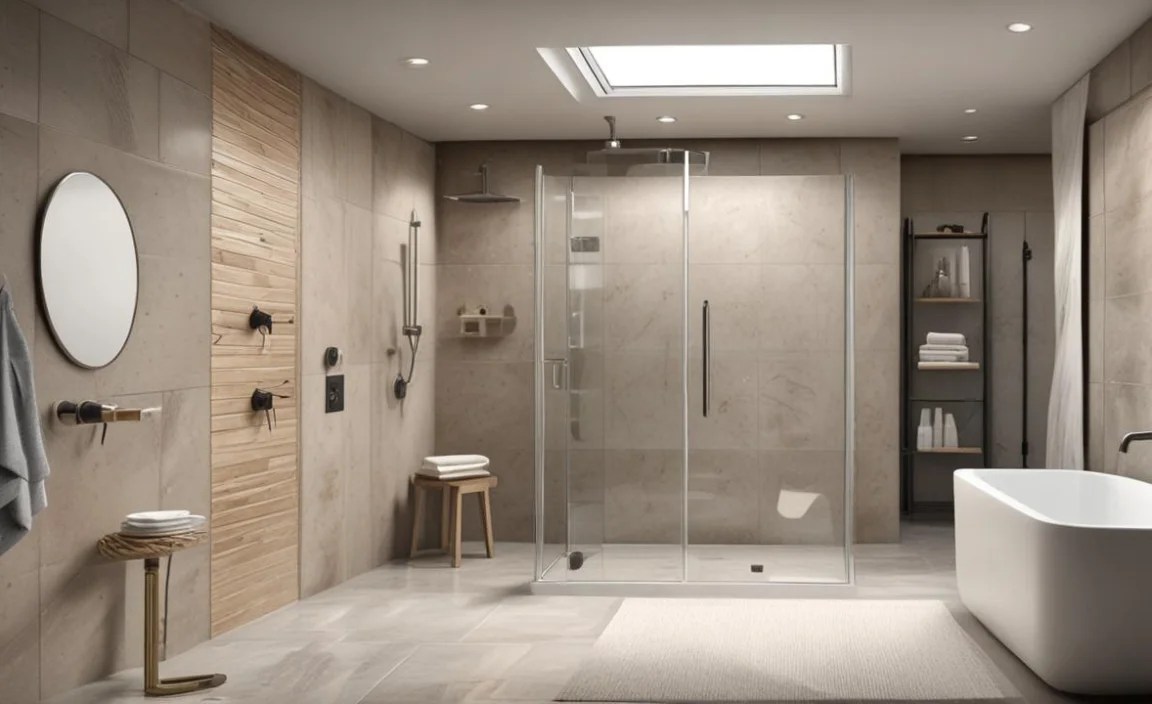
For any repair that requires professional help, always get at least three written estimates from different reputable contractors or plumbers. Compare not only the price but also the scope of work, materials included, and the contractor’s experience and reviews. A good resource for finding qualified professionals is through organizations like home builders’ associations or local licensing boards.
3. Consider a Handyman for Non-Plumbing Issues
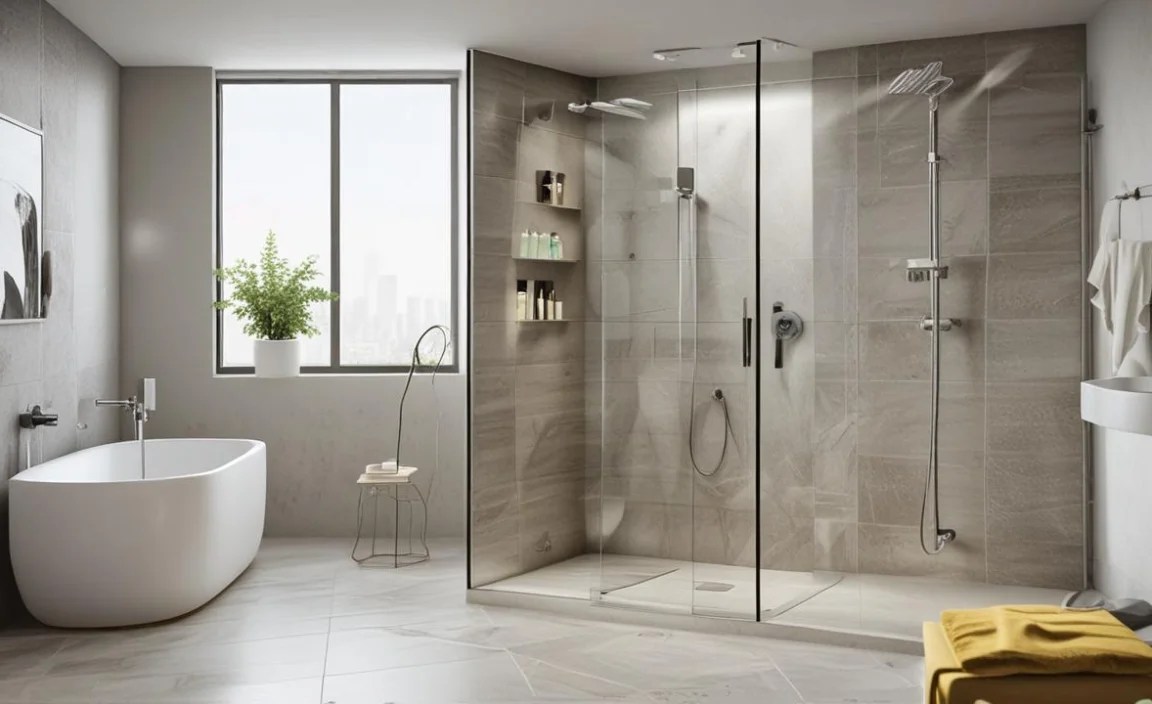
If the repair is more about tile work, re-grouting, or cosmetic fixes and doesn’t involve complex plumbing, a skilled handyman might be a more cost-effective option than a licensed plumber. Ensure they have experience with bathroom repairs.
4. Buy Your Own Materials (When Appropriate)
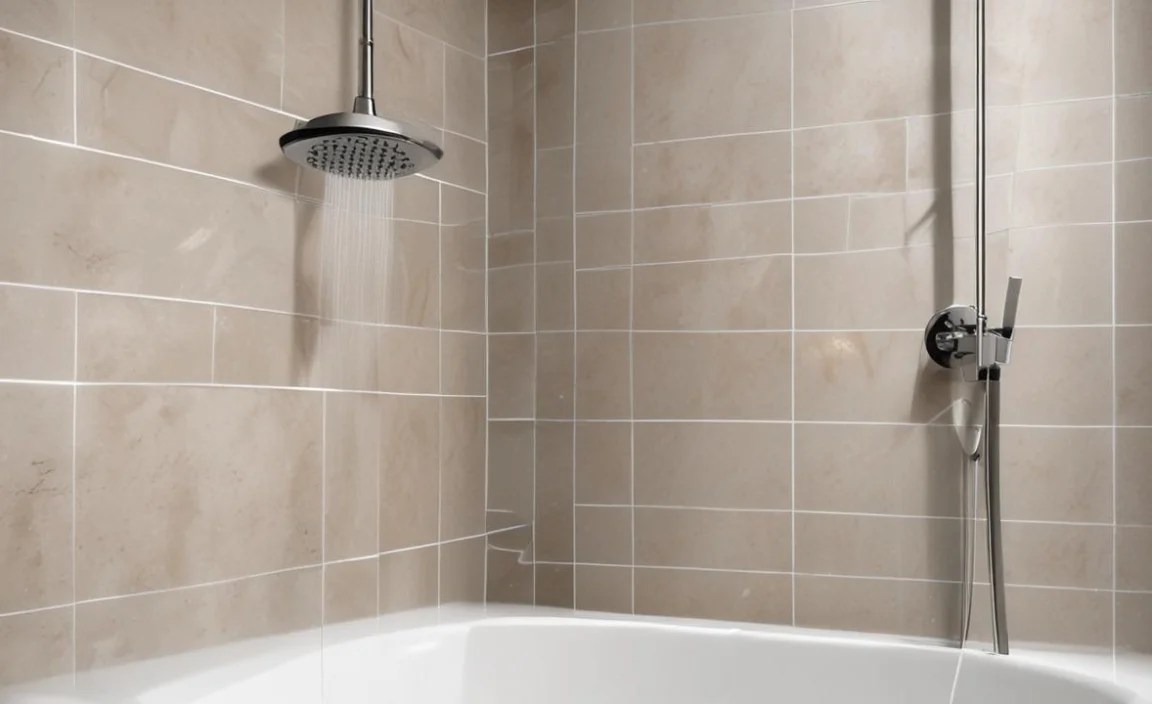
If you’re doing a DIY repair or working with a contractor who allows it, sourcing your own parts or materials can sometimes be cheaper, especially if you find good deals. However, be sure to discuss this with your professional to ensure you’re buying the correct items and that they will still warranty their labor.
5. Maintain Your Shower Regularly
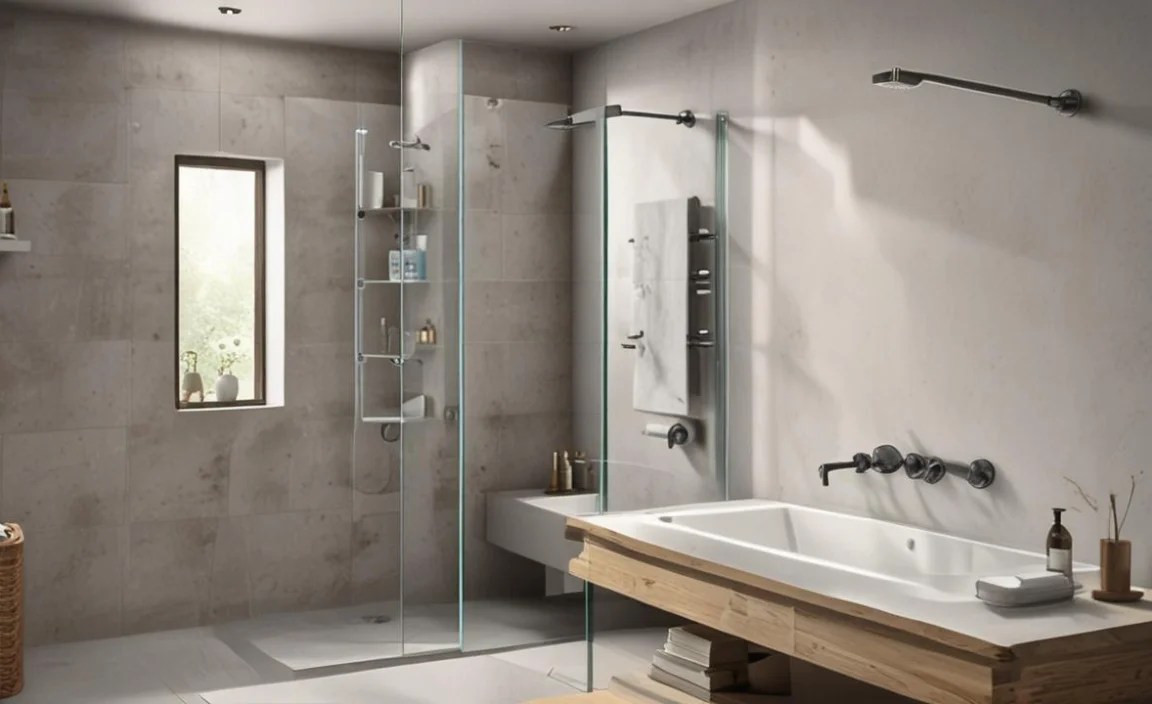
Preventative maintenance is key! Regularly check for leaks, clean grout and caulk, and ensure your drain is clear. Good maintenance habits can extend the lifespan of your shower components and prevent costly emergency
