
Repair sink fast with these simple, proven fixes. Common issues like slow drains, minor leaks, and clogged sinks can be easily and quickly resolved with basic tools and clear steps, saving you time and money.
A leaky or slow sink can really disrupt your day. It’s an annoying problem that often pops up unexpectedly, leaving you wondering how to fix it without a big hassle. Don’t worry! You don’t need to be a plumbing expert to tackle many common sink issues. With a few simple tools and straightforward steps, you can often repair your sink quickly and get back to your routine. Ready to tackle that sink problem with confidence? Let’s dive into some easy fixes that anyone can master.
Common Sink Problems and How to Fix Them Quickly


Many sink troubles stem from a few recurring culprits. Understanding these common issues is the first step to a fast and effective repair. From a sluggish drain to a persistent drip, there’s usually a clear solution. We’ll guide you through the most frequent problems and provide the easiest ways to solve them.
1. The Stubbornly Slow Drain
A slow drain is usually caused by a buildup of hair, soap scum, grease, and other debris. Over time, this gunk narrows the pipe, making water flow sluggishly.
Effortless Fixes for Slow Drains:
- Boiling Water: This is the simplest first step. Carefully pour a pot of boiling water directly down the drain. It can help dissolve grease and loosen mild clogs. Repeat a few times if necessary.
- Baking Soda and Vinegar: For a more stubborn clog, try this classic combo. Pour about half a cup of baking soda down the drain, followed by an equal amount of white vinegar. It will fizz and bubble. Cover the drain with a stopper or rag and let it sit for 30 minutes to an hour. Then, flush with hot or boiling water.
- Plunger Power: A good old-fashioned plunger can work wonders. Ensure there’s enough water in the sink to cover the plunger cup. Create a tight seal and give it several strong, quick pushes. Lift the plunger sharply to break the clog.
- Drain Snake (Auger): If the above methods don’t work, a drain snake is your next best friend.
- How to Use a Drain Snake:
- Feed the end of the snake into the drain opening.
- Gently push the cable down the pipe until you feel resistance.
- Turn the crank handle clockwise to rotate the snake’s tip, which will break up or hook onto the obstruction.
- Slowly pull the snake back out, bringing any debris with it.
- Flush the drain with hot water.
- How to Use a Drain Snake:
For more advanced drain cleaning, you might explore methods for using specialized drain cleaning tools. A local plumbing supply store or a reputable online resource can offer insights into effective tools for various clogs.
2. The Annoying Dripping Faucet
A constantly dripping faucet isn’t just irritating; it wastes a lot of water and can increase your water bill. Most often, the culprit is a worn-out washer, O-ring, or cartridge inside the faucet.
Quick Fixes for Dripping Faucets:
- Identify Your Faucet Type: Knowing if you have a compression, cartridge, ball, or ceramic disc faucet helps determine the repair. For beginners, compression faucets are often the easiest to work with.
- Turn Off the Water Supply: This is crucial for safety! Look for the shut-off valves beneath the sink. Turn them clockwise until they stop. If you can’t find or turn these, you may need to turn off the main water supply to your house.
- Disassemble the Faucet:
- Remove the decorative cap on the handle (if any).
- Unscrew the handle screw.
- Lift off the handle.
- Unscrew the packing nut or bonnet nut that holds the stem or cartridge in place.
- Replace the Worn Part:
- For Compression Faucets: The issue is usually a rubber washer at the bottom of the stem. Unscrew the stem, remove the old washer (it might be held by a screw), and replace it with an identical one. Also, check and replace the O-ring on the stem.
- For Cartridge Faucets: You’ll need to pull out the entire cartridge and replace it with a new one that matches exactly.
- Reassemble and Test: Put everything back together in reverse order. Turn the water supply back on slowly and check for leaks.
Taking the old part to a hardware store is a great way to ensure you get the exact replacement. Many hardware stores have knowledgeable staff who can help you find the right component.
3. Leaky Sink Drain or P-Trap
The P-trap is the U-shaped pipe under your sink designed to prevent sewer gases from entering your home. Leaks here are often due to loose connections or worn-out seals.
Easy Steps to Fix P-Trap Leaks:
- Place a Bucket: Put a bucket or pan directly under the P-trap to catch any water when you loosen the connections.
- Tighten the Slip Nuts: The P-trap is held together by large plastic or metal nuts, called slip nuts. Try tightening these by hand first, turning them clockwise. If they are still loose or you can’t get a good grip, use channel locks or a pipe wrench, but be gentle to avoid overtightening and cracking plastic parts.
- Inspect the Washers/Seals: If tightening doesn’t work, the rubber or plastic washers (gaskets) inside the slip nuts might be damaged, worn, or missing.
- Loosen the slip nuts and carefully remove the P-trap.
- Inspect the washers. If they look flat, cracked, or torn, replace them. Take the old washer to your local hardware store to find an exact match.
- Reassemble the P-trap with new washers, ensuring they are seated correctly.
- Tighten the slip nuts firmly by hand, then give them a quarter-turn with a wrench if needed.
- Test for Leaks: Fill the sink with water and let it drain. Check all connections for drips. Repeat step 2 if necessary.
The P-trap’s main job is to hold water, creating a seal against sewer gases. You can learn more about plumbing basics and common components from resources like the EPA’s WaterSense program, which offers helpful information on water-saving fixtures and home plumbing.
4. Loose Sink Strainer
A loose sink strainer can cause water to leak around the edge of the sink basin, especially when the sink is full.
Simple Fix for a Loose Strainer:
- Gather Supplies: You’ll typically need a flathead screwdriver, pliers, and plumber’s putty or silicone caulk.
- Access Under the Sink: Locate the large nut underneath the sink that secures the strainer assembly.
- Tighten the Nut: Use pliers or an adjustable wrench to tighten this nut clockwise. Make it snug, but don’t overtighten, as this can damage the sink or the strainer.
- Apply New Putty/Caulk (if needed): If tightening doesn’t stop the leak, or if the old putty is brittle and cracked, you’ll need to remove the strainer, clean off the old putty, and reapply new plumber’s putty or silicone caulk around the underside of the strainer flange before reinserting it and tightening the nut.
- Clean and Reinstall: Ensure the sink surface around the drain hole is clean. Apply a rope of plumber’s putty or a bead of silicone caulk onto the underside of the strainer flange. Press the strainer into the drain hole from the top. From underneath, place a washer and then the locknut onto the threaded shank of the strainer. Tighten the locknut securely with pliers. Wipe away any excess putty or caulk that squeezes out from under the flange.
Tools You’ll Likely Need
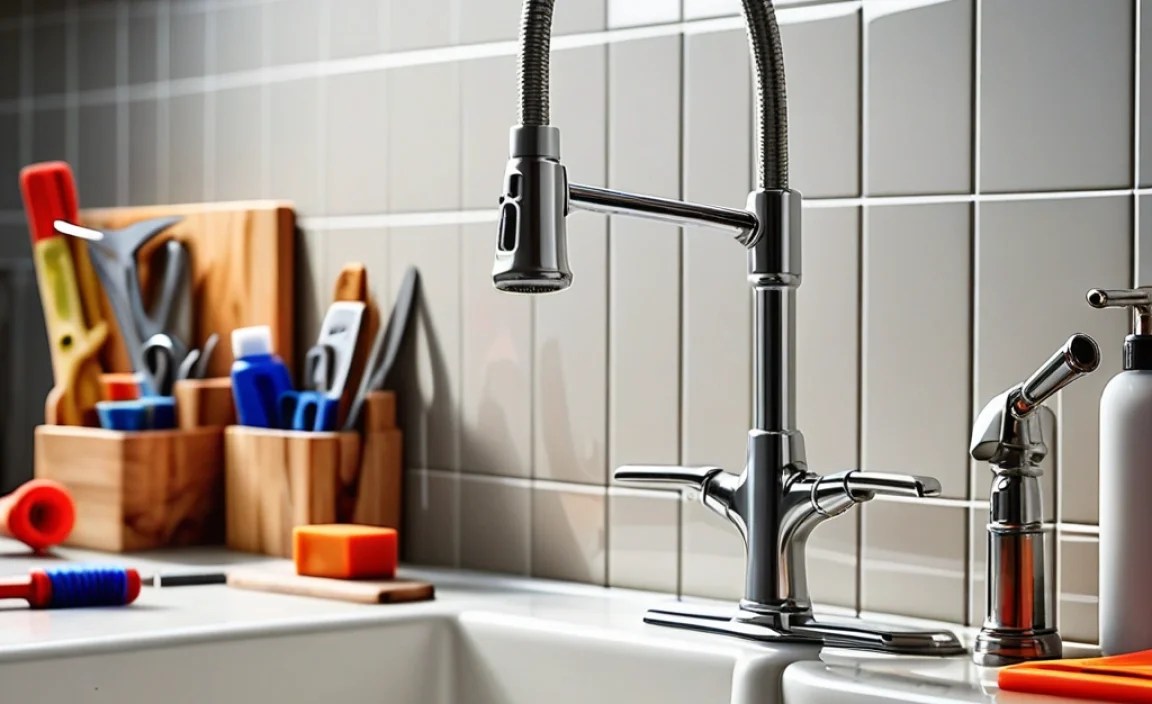
Having the right tools makes any repair job smoother and faster. For most common sink fixes, you won’t need a huge toolkit.
| Tool | Purpose | Notes for Beginners |
|---|---|---|
| Adjustable Wrench / Channel Locks | Tightening/loosening nuts and pipes. | Essential for most plumbing. Learn to use without stripping nuts. |
| Plunger | Clearing drain clogs. | A flange plunger (for toilets) or a cup plunger (for sinks) works well. |
| Bucket or Pan | Catching water during repairs. | Always have one handy under any pipe you’re working on. |
| Screwdrivers (Flathead & Phillips) | Removing faucet handles and other parts. | Have a few sizes available. |
| Drain Snake / Auger | Breaking up or retrieving clogs deep in pipes. | Manual ones are affordable and easy to use for basic clogs. |
| Gloves (Rubber) | Protecting hands from grime and chemicals. | Good hygiene practice. |
| Plumber’s Putty / Silicone Caulk | Sealing drain strainers and pipe joints. | Essential for creating watertight seals. |
When working with tools, always remember to use them for their intended purpose. For instance, an adjustable wrench is versatile, but for delicate plastic parts, be extra careful not to apply too much force. Websites like Family Handyman offer great visual guides on how to use common tools effectively.
When to Call a Professional
While many sink issues are DIY-friendly, sometimes the problem is beyond a quick fix. Knowing when to step back and call in an expert is important for safety and to avoid causing more damage.
Signs it’s Time to Call a Plumber:
- Persistent, Large Leaks: If you’ve tightened connections and replaced parts but water is still gushing or pooling significantly, there might be a crack in a pipe or a more complex issue.
- Recurring Clogs: If you constantly battle slow drains or clogs, there might be a blockage deeper in your system or a grading issue with your pipes that a professional needs to address.
- Sewer Smells: A strong sewage odor often indicates a problem with your drain’s vent system or a significant blockage that needs immediate attention from a plumber.
- Water Pressure Issues: If your sink (or other fixtures) has significantly low water pressure, it could point to a main line problem that requires professional diagnosis.
- Unsure How to Proceed: If you’ve tried basic fixes and aren’t comfortable taking further steps, or if you’ve disassembled something and can’t figure out how to put it back, it’s wise to call a plumber.
A professional plumber has specialized tools and the expertise to diagnose and fix complex problems efficiently and safely. Don’t hesitate to call one if you’re in doubt!
Conclusion
There you have it! With these proven, effortless fixes, you’re well-equipped to tackle common sink problems like slow drains, dripping faucets, and minor leaks quickly and efficiently. Remember, a few basic tools and a willingness to try are often all it takes to restore your sink to perfect working order. Don’t let a minor plumbing issue cause unnecessary stress; empower yourself with these straightforward solutions. By following these steps, you can save money on service calls, gain a sense of accomplishment, and keep your home running smoothly. Happy fixing!
Frequently Asked Questions About Sink Repairs
Getting answers to common questions can make DIY repairs less intimidating. Here are some frequently asked questions about fixing sink issues:
Q1: How do I know if I’ve turned off the water supply correctly before a faucet repair?
A: After turning the shut-off valves under the sink (or the main water valve), open the faucet you are working on. If no water (or only a little residual drips) comes out, the water supply is off. Leave the faucet open to relieve pressure.
Q2: Can I use harsh chemical drain cleaners if boiling water and vinegar don’t work?
A: While chemical drain cleaners can be effective, they can also be corrosive and harmful to your pipes and the environment. It’s best to try mechanical methods like a plunger or drain snake first. If you must use chemicals, follow the product instructions precisely and ensure good ventilation.
Q3: My sink is making gurgling noises. What does that mean?
A: Gurgling noises often indicate a partial clog or a problem with your drain’s venting system. The air is trying to escape through the water in the P-trap, causing the gurgling sound. It’s a sign that a drain cleaning might be needed.
Q4: How often should I clean my drains to prevent clogs?
A: For busy households, a monthly preventative measure can help. Pouring a cup of baking soda followed by a cup of vinegar down the drain, letting it fizz for 30 minutes, and then flushing with hot water can keep minor build-ups at bay.
Q5: What is plumber’s putty, and when should I use it instead of silicone caulk?
A: Plumber’s putty is a soft, clay-like compound used to create a watertight seal between plumbing fixtures (like sink strainers or faucet bases) and the surface they are attached to. It’s generally used for drains that are above the water line. Silicone caulk is a more flexible and durable sealant often used for areas that will be constantly wet, like around bathtubs or shower stalls, or sometimes for drains that are prone to leaks.
Q6: How can I prevent future sink problems?
A: Be mindful of what goes down your drains. Avoid pouring grease and coffee grounds down the kitchen sink and hair down bathroom sink drains. Use drain strainers to catch debris. Regularly flush drains with hot water or the baking soda/vinegar solution.
