
Essential tools for replacing a drain include a pipe wrench, adjustable wrench, lubricant, bucket, rags, and a plumber’s putty or sealant for a secure, leak-free seal. Understanding these basic, accessible tools empowers you to tackle drain replacement confidently, saving time and money.
Dealing with a leaky or damaged drain can be a real headache. Water damage, unpleasant odors, and an unsightly fixture are all common frustrations. But don’t worry! Replacing a drain is a surprisingly manageable DIY project, especially when you have the right tools and know-how. This guide will walk you through the essential tools for drain replacement, making the process straightforward and stress-free. You’ll gain the confidence to tackle this common home repair like a pro. Let’s get your drains working perfectly again!
Why Replacing a Drain is a DIY-Friendly Task

Many homeowners put off drain replacement because it sounds complicated. However, the reality is much simpler than you might think. Most drain assemblies are designed for relatively easy removal and installation. The key to success lies in having the right set of tools. These aren’t specialized, obscure items; they are common household tools that most DIYers already own or can easily acquire. By understanding what you need, you can approach the task with confidence, knowing you’re prepared for each step. This guide will demystify the process by focusing on the essential tools that make a world of difference.
Essential Tools for Drain Replacement

When it comes to replacing a drain, you don’t need a massive toolbox. A few key items will set you up for success. We’ll break down each tool and explain its role in the drain replacement process. Think of these as your trusty sidekicks for this project.
1. Pipe Wrench (or Two)
A pipe wrench is your heavy-duty tool for gripping and turning pipes. It’s essential for loosening old, often stubborn drain connections. The adjustable jaw allows it to bite down on various pipe sizes, providing the necessary leverage. Having two pipe wrenches can be incredibly helpful. One can hold the drain body steady while the other turns the connecting pipe, preventing strain on the plumbing system.
When to use it:
- Loosening large, stuck drain nuts connecting to the trap.
- Removing old drain flanges that are difficult to grip.
- Securing new drain components firmly.
2. Adjustable Wrench (Crescent Wrench)
While a pipe wrench handles the heavier tasks, an adjustable wrench is more versatile for smaller nuts and bolts found in drain assemblies. It’s great for tightening or loosening locknuts on sink drains or faucet connections. Its adjustable jaw makes it a go-to for various sizes, and it’s less likely to mar surfaces than a pipe wrench.
When to use it:
- Tightening or loosening the locknut that secures the drain body to the sink from underneath.
- Adjusting smaller fittings or connections.
- Working in tighter spaces where a pipe wrench might not fit.
3. Bucket or Container
This might seem obvious, but it’s crucial! When you disconnect the drain pipes, there will be residual water trapped in the trap and the pipe. A sturdy bucket placed directly underneath the drain trap will catch this water, preventing a messy spill onto your floor or into your cabinet. Having one or two is ideal, one to catch drips and another to place larger components in as you remove them.
When to use it:
- Catching water when disconnecting the P-trap.
- Collecting removed parts and debris.
- Holding clean water for rinsing if necessary.
4. Rags and Towels
Expect some water and maybe some grime to come loose. A good supply of old rags, paper towels, or microfiber cloths is essential for cleaning up drips, wiping down pipes, and keeping your work area relatively dry. It’s always better to have too many than too few!
When to use it:
- Wiping hands and tools.
- Soaking up small drips.
- Cleaning pipe threads before applying new sealant.
- Protecting surfaces from spills.
5. Plumber’s Putty or Silicone Sealant
This is your leak-proofing hero. Plumber’s putty is a pliable, dough-like substance applied between the drain flange (the visible part in the sink) and the sink surface. It creates a watertight seal. For some materials or if specified by your new drain’s instructions, a silicone-based plumber’s sealant might be recommended. Always check the instructions for your new drain to know which to use.
Why it’s important:
- Prevents water from seeping between the flange and the sink.
- Ensures a secure, leak-free connection.
- Some sealants also offer flexibility under temperature changes.
You can find these at any local hardware store or home improvement center. The putty is usually in a small tub, and sealant comes in a caulk tube.
6. Pliers (Slip-Joint or Channel-Lock)
While pipe wrenches and adjustable wrenches handle the main plumbing connections, a good pair of pliers can be incredibly useful for holding smaller nuts, bending minor adjustments, or gripping oddly shaped parts. Slip-joint pliers offer a basic gripping function, while channel-lock pliers (a type of adjustable plier) can grip larger nuts and pipes more securely.
When to use it:
- Holding small nuts or bolts in place.
- Gripping parts for leverage in tight spots.
- Making minor adjustments or bending components.
7. Screwdriver Set
Some older drain assemblies or strainers might be secured with screws. Having a basic set of Phillips head and flathead screwdrivers ensures you can tackle these if they are present. Always use a screwdriver that fits the screw head snugly to avoid stripping it.
When to use it:
- Removing screws holding a drain cover or strainer in place.
- Tightening or loosening any screw-based components.
8. Teflon Tape (Pipe Thread Sealant Tape)
For threaded connections, Teflon tape is a must-have. This white, waxy tape is wrapped around the pipe threads before screwing them together. It helps to lubricate the threads, making them easier to tighten, and it seals any small gaps to prevent leaks. Always wrap the tape in a clockwise direction so it doesn’t unravel as you tighten the fitting.
When to use it:
- On threaded connections of wastewater pipes (like your P-trap fittings), not on slip-joint connections or where a rubber gasket is the primary seal.
- Ensures a watertight seal on threaded joints.
9. Utility Knife or Scraper
When removing an old drain, there might be old putty, sealant, or caulk residue left behind on the sink surface or pipes. A utility knife or a putty knife can be used to carefully scrape away this old material. This ensures a clean surface for the new putty or sealant to create a proper seal.
When to use it:
- Scraping away old plumber’s putty.
- Removing stubborn residue from sink surfaces.
- Cleaning pipe ends of any debris or old sealant.
10. Safety Glasses and Gloves
Your safety is paramount! Safety glasses protect your eyes from falling debris or splashing water. Gloves keep your hands clean and protect them from any sharp edges or slippery substances. These are simple, inexpensive, but vital safety measures.
When to use it:
- Always wear safety glasses when working under a sink or with tools.
- Wear gloves to keep hands clean and protected.
Optional but Helpful Tools

While the tools above are essential, a few others can make the job even smoother.
- Flashlight or Headlamp: Working under a sink means poor lighting. A good light source is invaluable.
- Plumber’s Snake or Drain Auger: If the drain is clogged, clearing it before replacement can make the job much easier and prevent mess.
- Putty Knife Set: For more delicate scraping or working in tight corners around the sink flange.
- Teflon Tape Paste (Pipe Dope): An alternative or supplement to Teflon tape for threaded pipe connections.
Choosing the Right Replacement Drain Parts

Before you even gather your tools, ensure you have the correct replacement drain assembly. Drains come in various styles and sizes, designed for different sink materials (porcelain, stainless steel, composite) and configurations. It’s always best to take a picture of your old drain and its connections to a home improvement store or consult online resources to ensure you get the right part.
For example, kitchen sinks often use a basket strainer assembly, while bathroom sinks typically use a pop-up drain or a simple strainer. The material of your sink might also dictate the type of drain you need. Stainless steel sinks might require a specific type of flange to prevent damage, while ceramic sinks can be more forgiving. Always check the Consumer Product Safety Commission (CPSC) guidelines for safe plumbing practices in the home.
Step-by-Step Drain Replacement Process (Using Your Tools)
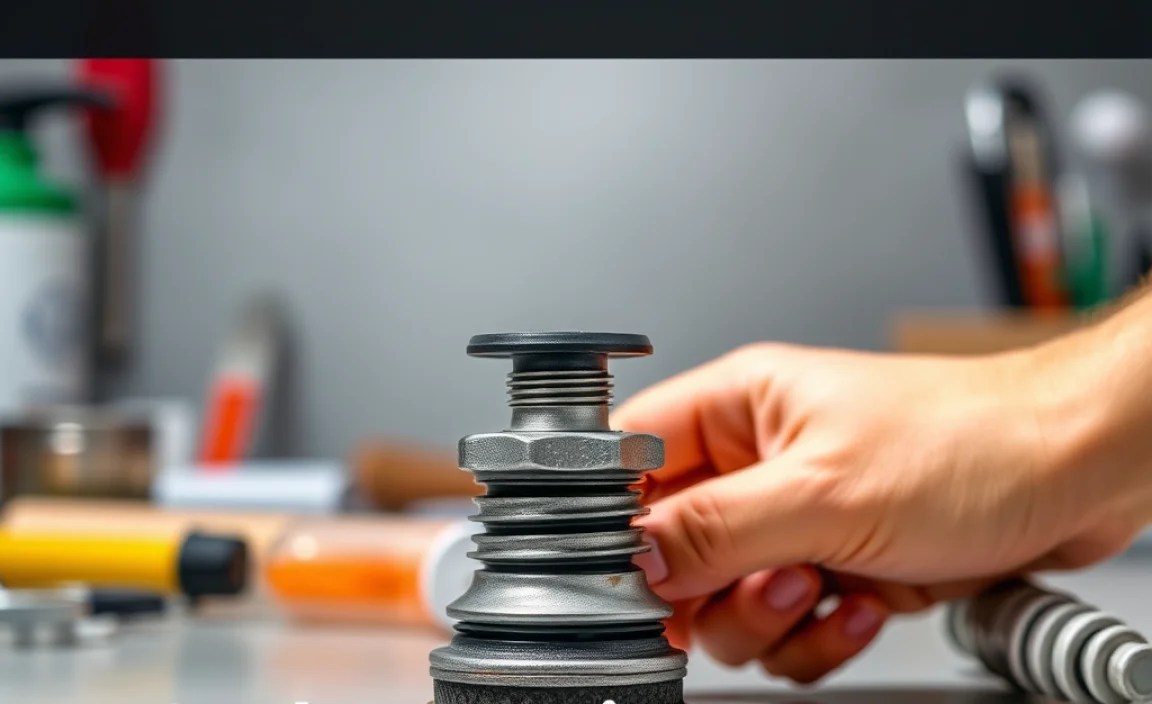
Now that you’ve got your tools ready, let’s walk through the process. Remember to work slowly and carefully.
- Preparation: Clear out everything from under the sink. Place your bucket directly beneath the P-trap (the U-shaped pipe that connects the drain to the wall pipe).
- Disconnect the Trap: Using one pipe wrench to hold the trap steady and another to loosen the nut connecting it to the drain tailpiece (the pipe coming down from the sink drain), unscrew the nut. Be prepared for water to spill into the bucket. Once loose, detach the trap from the tailpiece. You may need to loosen another nut to detach it from the wall pipe as well.
- Remove the Old Drain: From under the sink, you’ll see a large locknut holding the drain body to the sink. Use your adjustable wrench (or pipe wrench if it’s very tight) to loosen and remove this locknut. Now, go to the top of the sink. You should be able to lift the old drain flange out of the sink. If it’s stuck with old putty, you might need to gently pry it up with a putty knife or utility knife after removing the locknut.
- Clean the Sink Surface: Thoroughly scrape away all old putty and sealant from the sink opening using your utility knife or scraper. Ensure the surface is clean and smooth for the new drain to seal properly.
- Install the New Drain Flange: Apply a generous rope of plumber’s putty (or silicone sealant, if specified) around the underside of the new drain flange. Press the new flange firmly into the sink opening.
- Secure the New Drain Body: From under the sink, screw the new drain body onto the underside of the flange. Hand-tighten first, then use your adjustable wrench to tighten the locknut securely. Don’t overtighten, but ensure it’s snug. Excess putty will squeeze out; wipe it away with a rag.
- Reassemble the P-Trap: Reconnect the P-trap to the new drain tailpiece and the wall pipe. Use Teflon tape on any threaded connections if your parts require it, then hand-tighten the nuts. Use your pipe wrench for a final snug-up, making sure not to overtighten plastic fittings.
- Test for Leaks: Run water into the sink, filling it up slightly. Then, pull the stopper and let the water drain. While it’s draining and afterward, carefully check all the connections you touched for any drips or leaks. Tighten any leaking connections slightly until they seal.
Table: Tool Comparison for Drain Replacement
Choosing the right tool for the job can prevent damage and make the process smoother. Here’s a quick comparison:
| Tool | Primary Use in Drain Replacement | When to Choose Over Another Tool | Potential Pitfalls |
|---|---|---|---|
| Pipe Wrench | Loosening/tightening large, stubborn nuts on pipes. | For maximum leverage on metal pipes and fittings. | Can damage or crush plastic pipes if used too aggressively. |
| Adjustable Wrench | Tightening/loosening locknuts on the drain body, smaller fittings. | More versatile for various nut sizes; less likely to damage surfaces on delicate parts. | May slip on round or heavily corroded nuts. |
| Pliers (Channel-Lock) | Gripping pipes or nuts in tighter spaces; providing secondary leverage. | When a wrench is too bulky or cannot get a good grip. | Less torque than a dedicated wrench; can mar surfaces. |
Table: Sealant Options and Usage
The type of sealant you use is critical for a leak-free drain. Here’s a breakdown:
| Sealant Type | Description | Application | Best Use | Caution |
|---|---|---|---|---|
| Plumber’s Putty | Malleable, dough-like compound. | Applied in a rope around the underside of the drain flange. | Common for sink flanges, strainers, especially with metal sinks. | Not suitable for porous materials like some granite or marble (can stain). Avoid using on threads. |
| Silicone Sealant (Plumber’s Grade) | Flexible, waterproof adhesive/sealant. | Applied as a bead around the underside of the flange or on threads. | Can be used on various sink materials including some natural stones. Good for drain bodies and pipes where flexibility is needed. | Can be messier to clean up than putty if not done quickly. Ensure it’s fully cured before use. |
| Teflon Tape (PTFE Tape) | Thin, white, waxy tape. | Wrapped clockwise around male pipe threads (e.g., on tailpiece or trap fittings). | Essential for sealing threaded pipe joints (like P-trap connections). | Do not use on flared fittings or compression fittings. Not for flange-to-sink seals. |
Troubleshooting Common Drain Replacement Issues
Even with the right tools, you might encounter a snag. Here are a few common problems and how to solve them:
- Stubborn Nuts: If a nut won’t budge, try a penetrating lubricant (like WD-40, though be careful if it’s near sensitive materials). Let it soak for a bit, then try again with your pipe wrench. Sometimes, gently tapping the nut with a hammer (not to deform it, but to shock it) can help break it loose.
- Leaking Connections: Most leaks from reassembled pipe connections (like the P-trap) are due to nuts not being tight enough or the rubber gasket not seated properly. Double-check that gaskets are in place and the nuts are snug. For threaded pipe joints, ensure Teflon tape was applied correctly and in the right direction.
- Sink Flange Won’t Seal: If you still have a leak between the flange and the sink after tightening, the issue is usually the seal itself. Ensure the sink surface was perfectly clean and dry before applying new putty or sealant. You might need to remove the drain again, reapply sealant, and re-tighten. Sometimes, a slightly warped flange can be the culprit.
- Stripped Threads: If you accidentally strip the threads on a plastic fitting, it’s usually best to replace that specific piece of pipe or fitting. If it’s a metal pipe, you might be able to re-thread it, but replacement is often simpler for DIYers.
For more in-depth plumbing advice and safety standards, the International Code Council (ICC) provides comprehensive building and plumbing codes that guide safe installations.
Frequently Asked Questions (FAQ)
Q1: What is the most important tool for drain replacement?
The most important tools are arguably the pipe wrench (for leverage on stubborn parts) and the plumber’s putty or sealant (to ensure a watertight seal). Without these, you’ll struggle with disassembly and risk leaks.
Q2: Do I need a plumber’s putty or silicone sealant?
It depends on your sink material and the new drain’s instructions. Plumber’s putty is common for many sink types, but silicone is better for certain porous materials like granite or for use with specific drain components. Always check the manufacturer’s recommendations.
